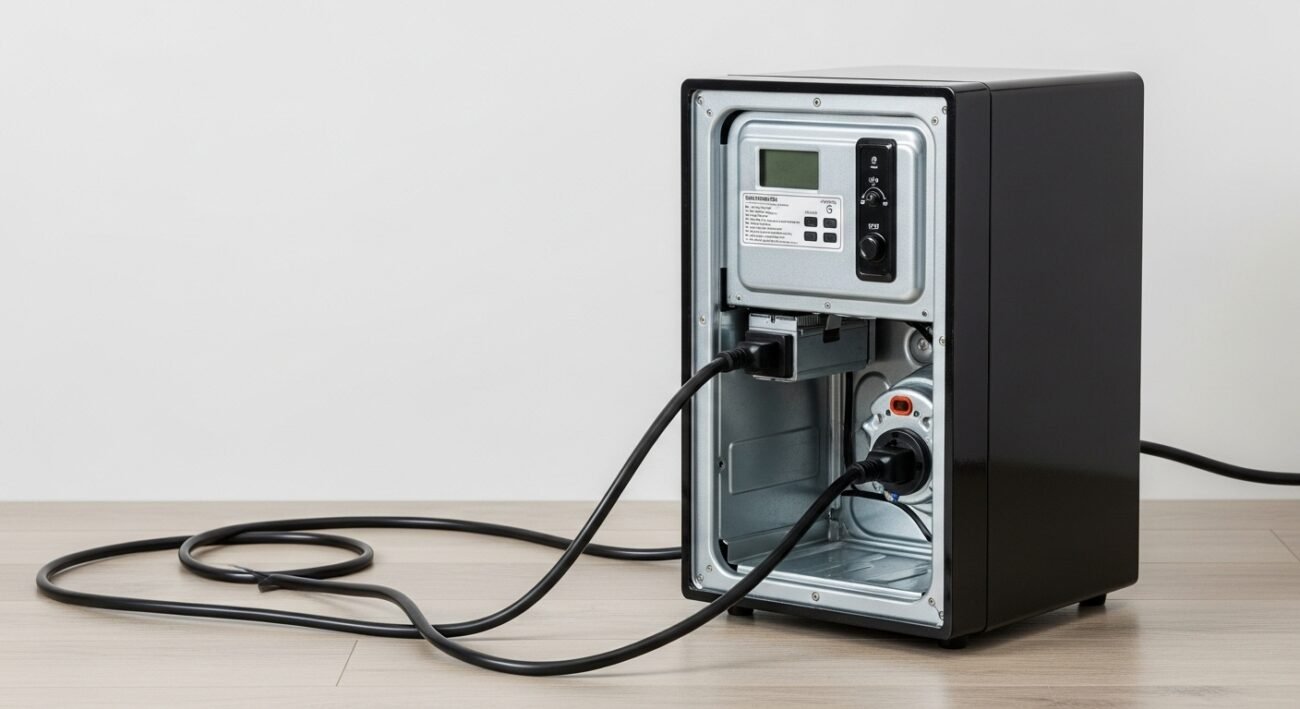
Extension cords are mostly used as permanent solutions but only temporarily when they are not to be used on a permanent low-load basis. Older appliances consume much more power than individuals think when they are used in their typical mode of operation. The buildup of heat on the inside cannot be noticed since the high-power appliances are using extension cords. This latent stress may cause wiring, insulation, and connected equipment to be damaged with time. The knowledge about the devices that should have direct wall outlets is crucial to long-term electrical safety.
Space Heaters

The amount of electricity used by space heaters is very high even when the device is used on the lowest settings during short periods. Extension cords do not have high-wattage loads with sustained operation without overheating on the inside. The use of a space heater on a cord makes the possibility of electrical fire and the insulation breaking down a great risk.
Refrigerators

Refrigerators need a constant and consistent power supply in order to ensure that the compressor and cooling systems operate correctly. Extension cords may be a source of voltage drop, which gradually loads internal electrical components. This strain will eventually lead to decreased efficiency, higher power usage, and a lower life cycle of appliances.
Microwave Ovens
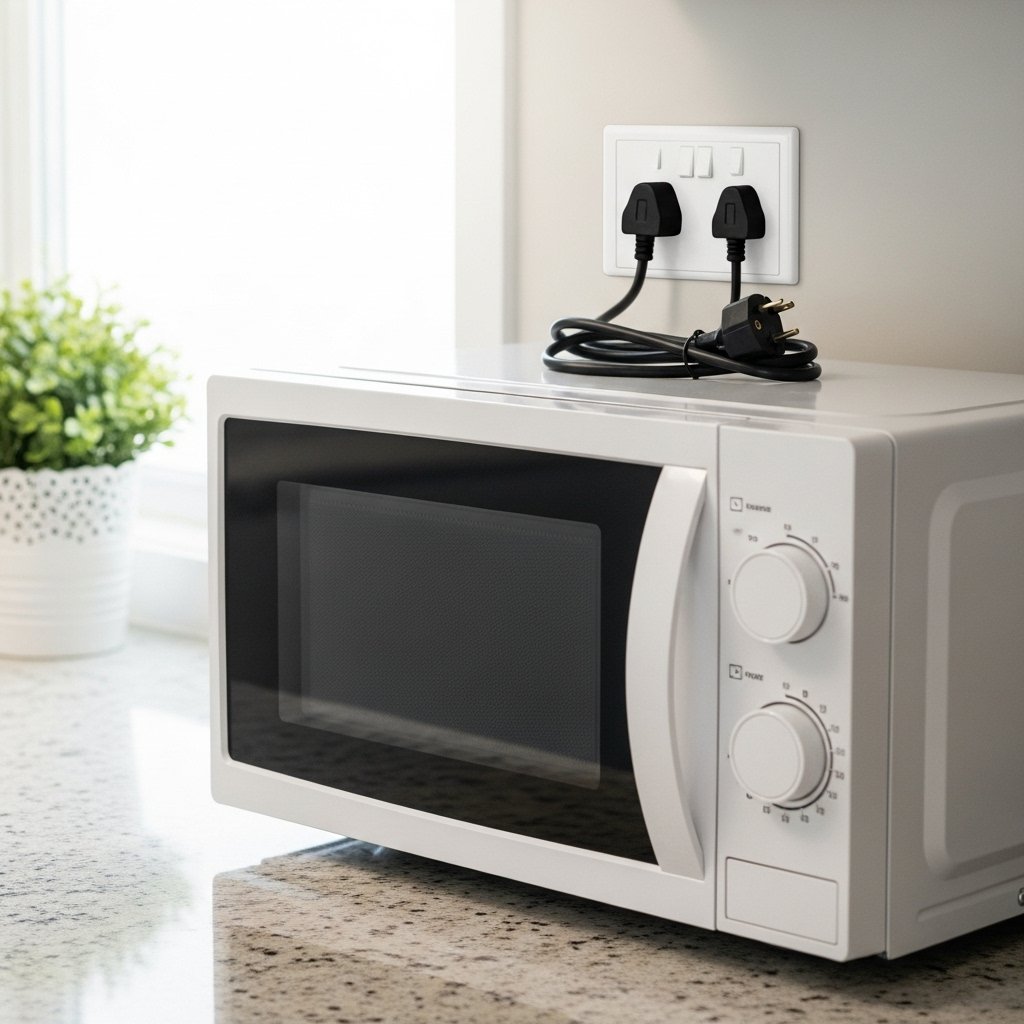
Microwave ovens attract abrupt bursts of high electrical current in heating periods that are active. These power spikes can usually not be handled by extension cords without undue heat production. This may break the cord, the outlet, or the internal circuitry of the microwave itself.
Air Conditioners
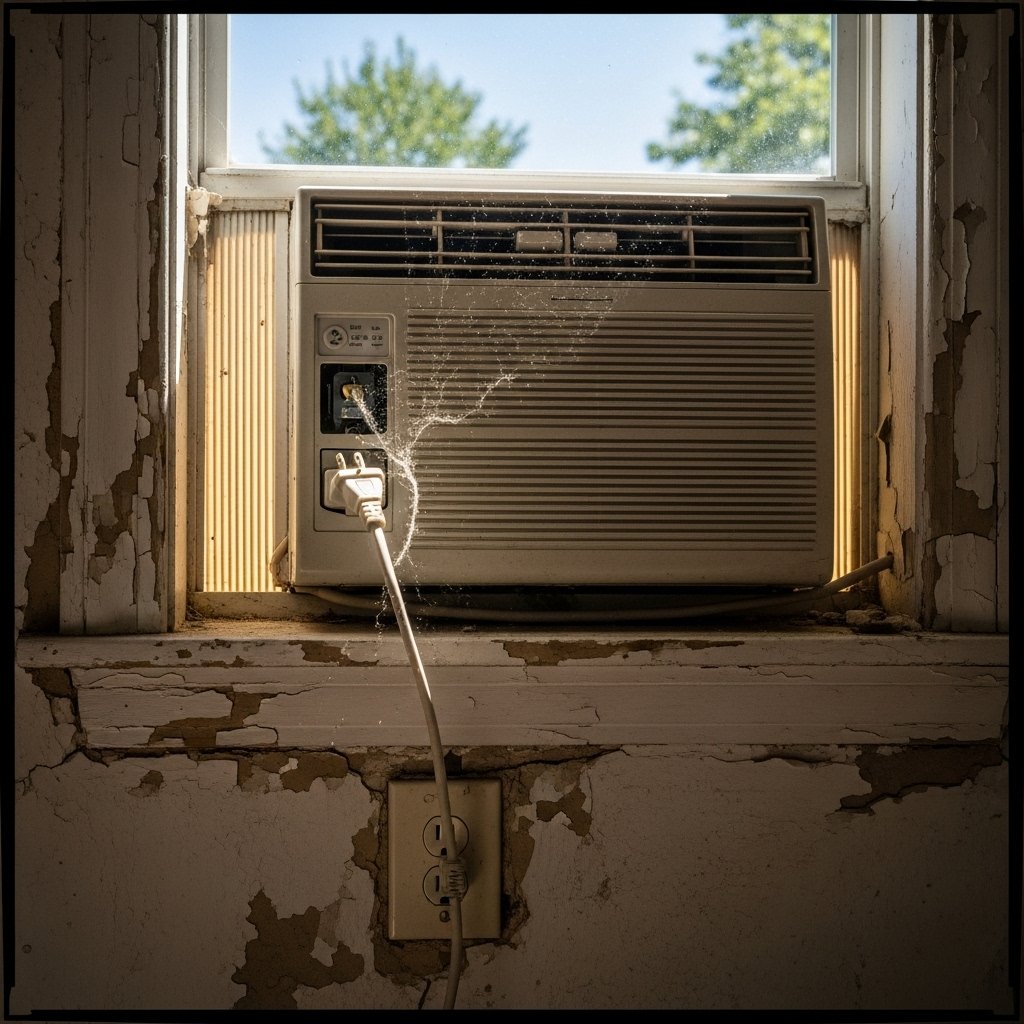
Air conditioners consume large electrical loads, and particularly when starting up, compressors come on. Extension cords are not constructed to survive frequent and high-current breakouts. The sustained use may cause cord melting, breaker tripping or damage to electrical systems.
Washing Machines

Washing machines are dependent on steady electrical current to supply power to the motors, pumps, and digital control devices. During wash and spin, extension cords have the ability to interrupt voltage stability. This can result in long-term damage to delicate internal parts.
Power Strips Plugged Into Other Power Strips

When a power strip is plugged into another, a hazardous electrical overload condition is provided. With every added connection, the circuit becomes more resistant and adds heat to the circuit. This arrangement greatly increases the possibility of overheating and possible fire threats.
Electric Kettles
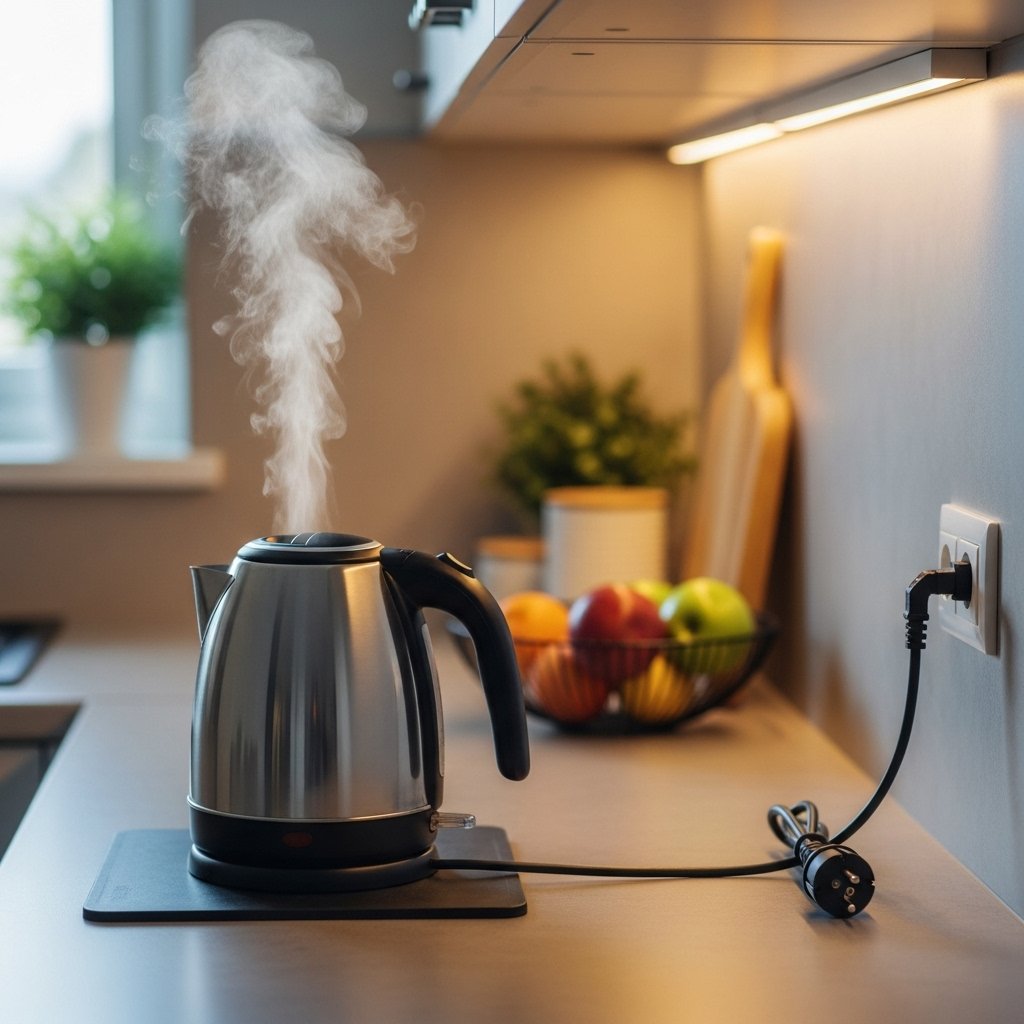
Electric kettles consume very high power in order to warm water in a reasonable time. This constant load can make extension cords very hot, to the point of being difficult to touch. Use of insulation can result in the weakening of the insulation and leave internal wiring exposed.
Hair Dryers and Styling Tools

Hair styling and hair dryers draw high-voltage electricity even when they are used in short sessions. The extension cords might not be rated to work safely with these abrupt power demands. This may lead to sparks, overheating, or internal cord damage.
Desktop Computers and Servers

Servers and desktop computers need constant power to ensure the safety of delicate processing and storage units. Extension cords may cause problems with grounding and low-voltage variation. Such inconsistencies pose a threat of hardware breakdown and loss of data.
Medical or Life-Support Equipment
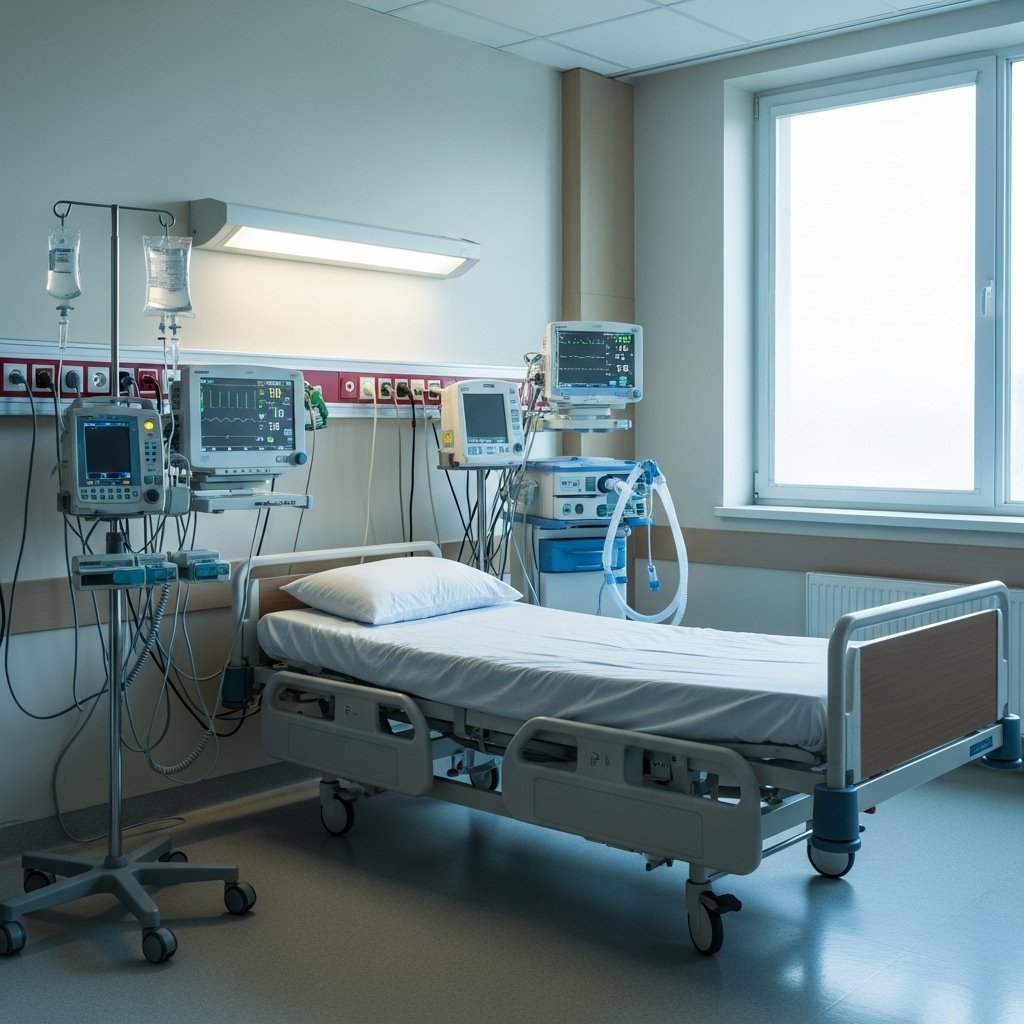
Life support and medical equipment require constant and stable electrical power. The cords should not be extended, as they create unwarranted points of failure and instability. Any interference would cause grave safety and health hazards.
