
Young people today perceive the world as being in constant crisis because contemporary challenges create difficulties for them to handle. Economic changes and environmental issues and continuous online news updates create this particular viewpoint. The reasons which cause young people to feel an urgent need for status and security must be demonstrated through their fundamental driving forces.
Climate Anxiety

People experience eco-anxiety when they encounter extreme weather patterns and scientists deliver alerts about upcoming environmental threats. Young people believe that they must bring about environmental salvation because they now own the planet’s pollution problem which they themselves did not create.
Digital Overload and Doomscrolling

The continuous news coverage which operates 24 hours a day permits young people to witness every global disaster which exists throughout the entire world. People who engage in this behavior called doomscrolling perceive the world as being more dangerous and more chaotic than it actually is when they examine their immediate environment.
The Student Debt Crisis

The pursuit of higher education throughout most of the globe creates enormous financial obstacles which students must overcome. The process of starting adult life with large debt limits career choices while it also delays personal development thus creating a feeling of being “behind” before even starting.
Social Media Comparison

People who view online content which shows others living perfect lives experience a persistent feeling that they fall short of those standards. The result of this digital comparison trap leads to excessive anxiety levels which create the belief that society functions as a competitive race instead of a community that provides support.
Job Market Instability

The emergence of gig economy work combined with potential automation threats has destroyed long-term job security for most people. Professionals who lack defined career paths encounter difficulties when they attempt to prepare for upcoming stable employment opportunities.
Mental Health Awareness and Struggles

The public today exhibits reduced mental health stigma but there has been an increase in depression and anxiety cases which people now report. People who face this personal internal battle tend to experience external chaos at the same time.
Lack of Trust in Institutions
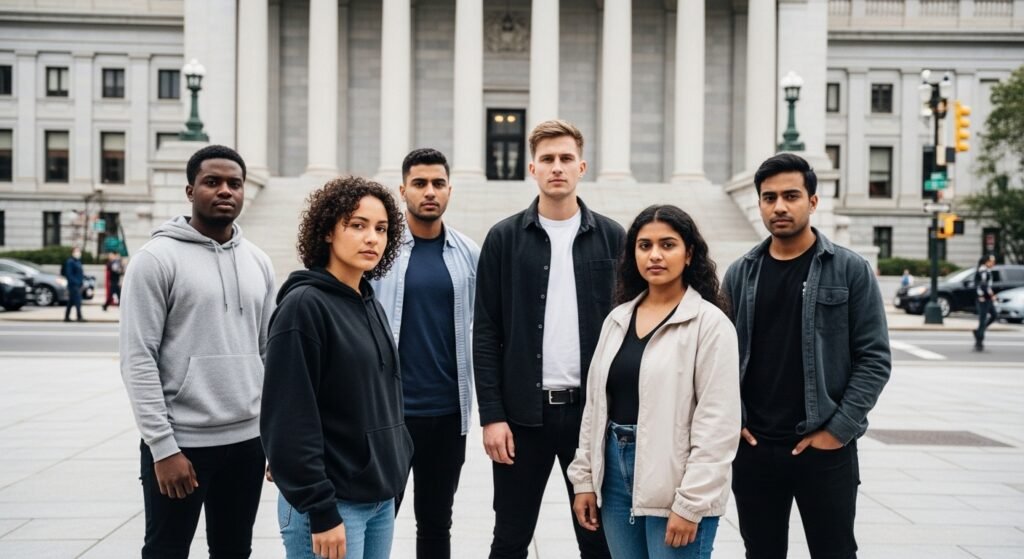
Young people today lack trust in the institutions which are designed to safeguard and assist their communities from government organizations to major business entities. People who display skepticism about their relationships with other people view their social networks as nonexistent safety measures which they can use during emergencies.
Global Health Concerns
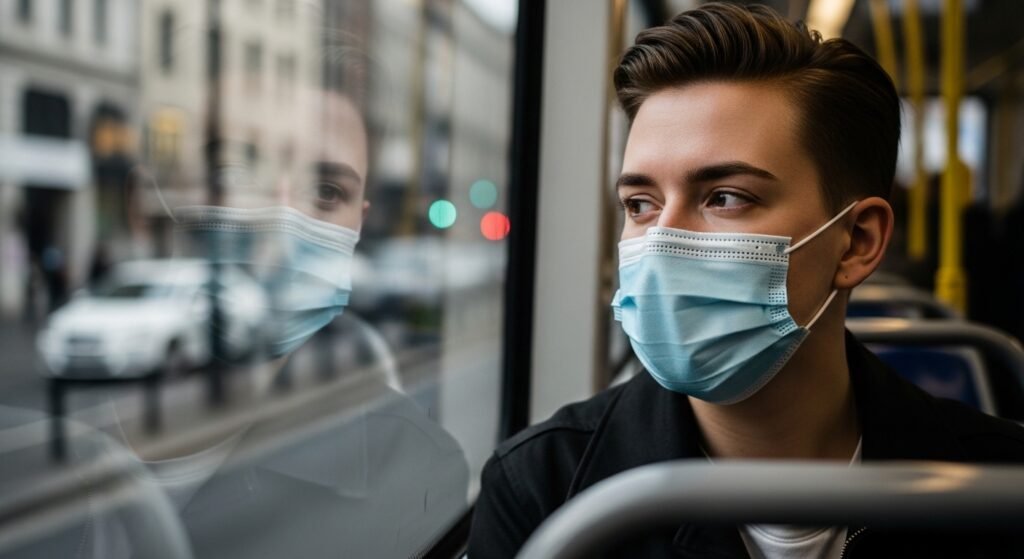
Young people today have experienced permanent damage because they lived through a global pandemic during their critical life stage. The situation demonstrated how quickly normal life becomes inaccessible which leads people to develop persistent fears that another health crisis will emerge.
Erosion of Community

Digital communities now replace traditional physical ones but these new spaces create social isolation. People who experience personal challenges without any available local support systems will treat their difficulties as major life crises situations.
Injustice and Social Inequality

People today possess greater knowledge about systemic inequalities which exist between different social groups according to race and gender and economic status. The public expresses their frustration at society’s deterioration because they see problems which environmental activists have been fighting for decades still exist in the world.
