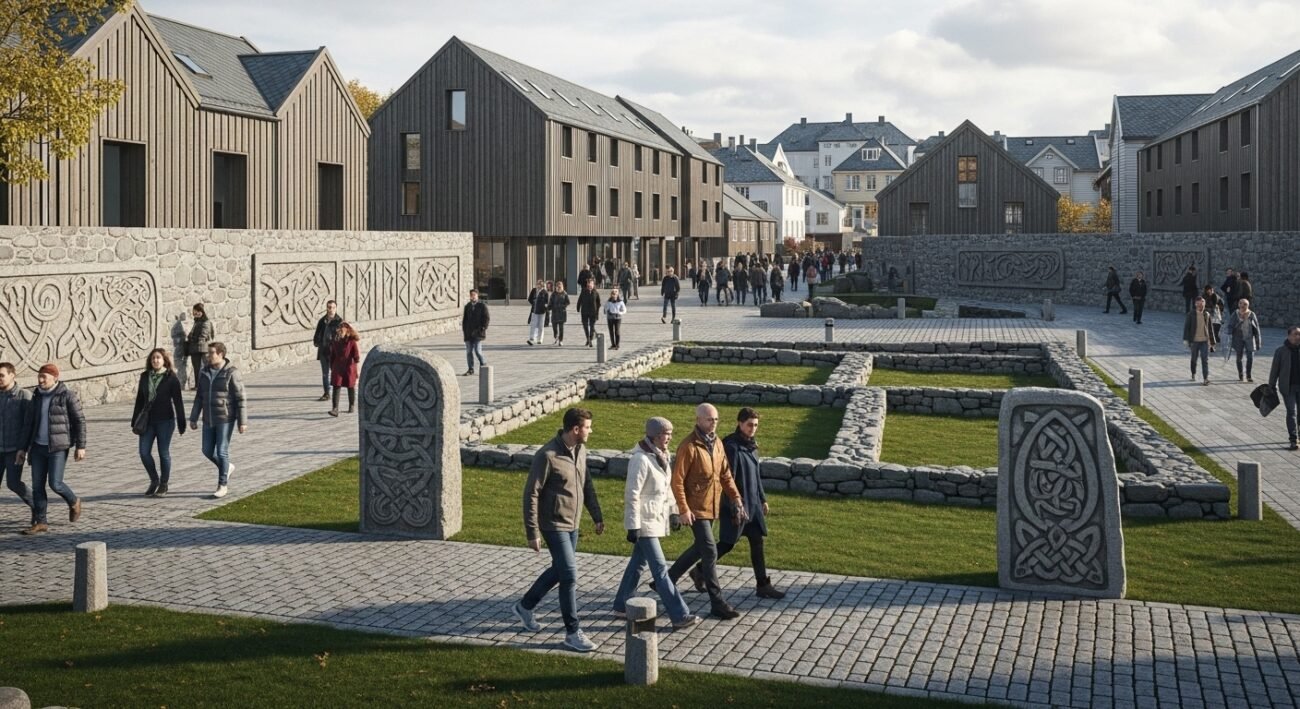
The culture of Vikings is usually connected with raids and longships, yet its impact is much higher than the common stereotypes. Most of the regions incorporated their ideas into their daily lives long after the Viking Age was over. The vestigial Viking thought can be found in language, design, traditions, and social structures. These influences are natural nowadays, as they changed with the lapse of time and were not detached. However, when viewed more closely, it can be seen that the Viking culture is a part of the past that is also continually forming the present.
Language Roots That Still Exist
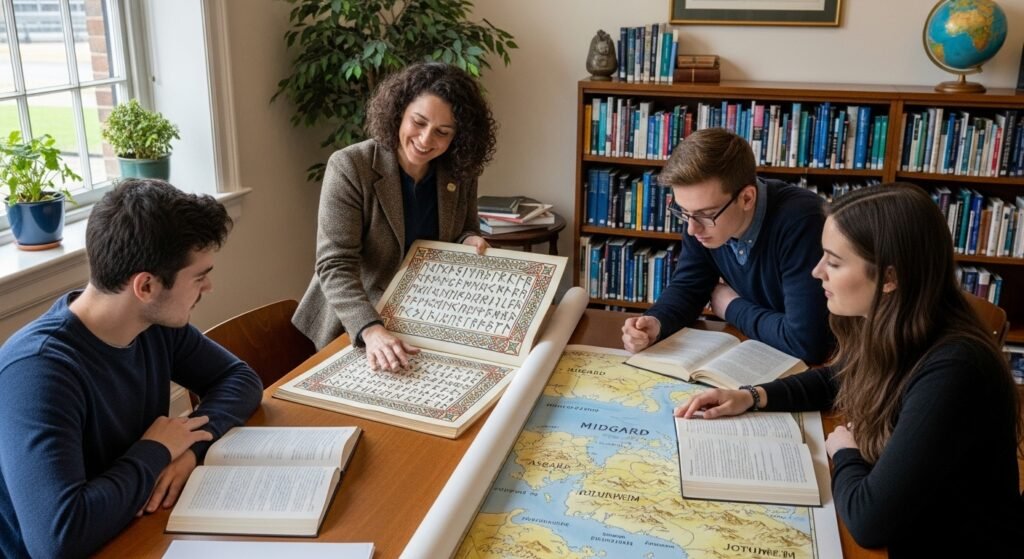
Quite a number of common English words result from Old Norse, the language of Vikings. The local dialects absorbed words in law, commerce, and everyday life as a result of Viking settlements. These words were retained since they were convenient and simple to pick. Even these days, they are an element of regular language, and the majority of humans are ignorant of their starting place.
Place Names With Viking Origins
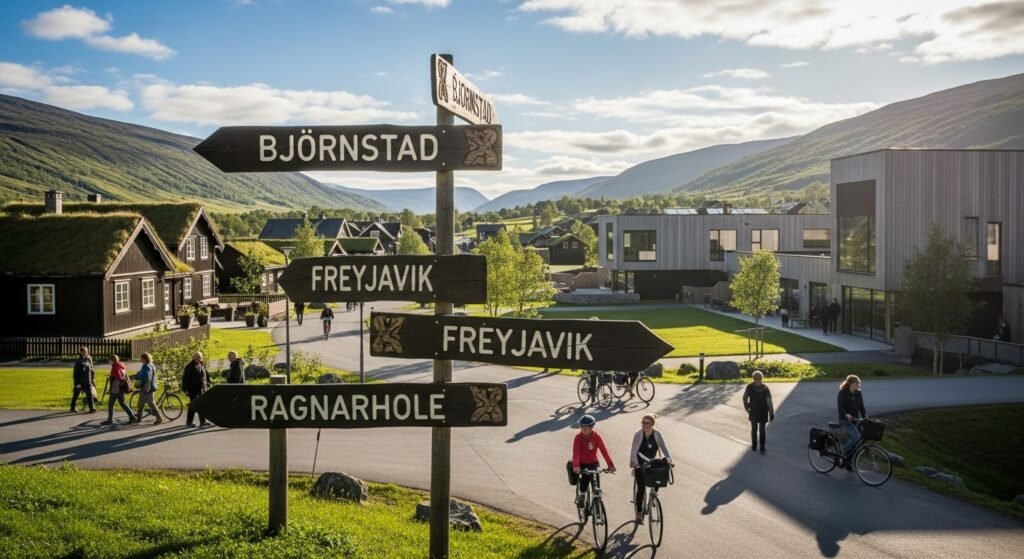
In some areas of Europe, particularly in the North, the Viking settlement patterns are found in the names of towns and villages. Suffixes and naming styles, which were used by Vikings, became permanent features on the maps. These names provide hints regarding migration and agricultural and trade routes. Quietly they maintain Viking existence in the contemporary geography.
Seafaring Skills That Shaped Exploration
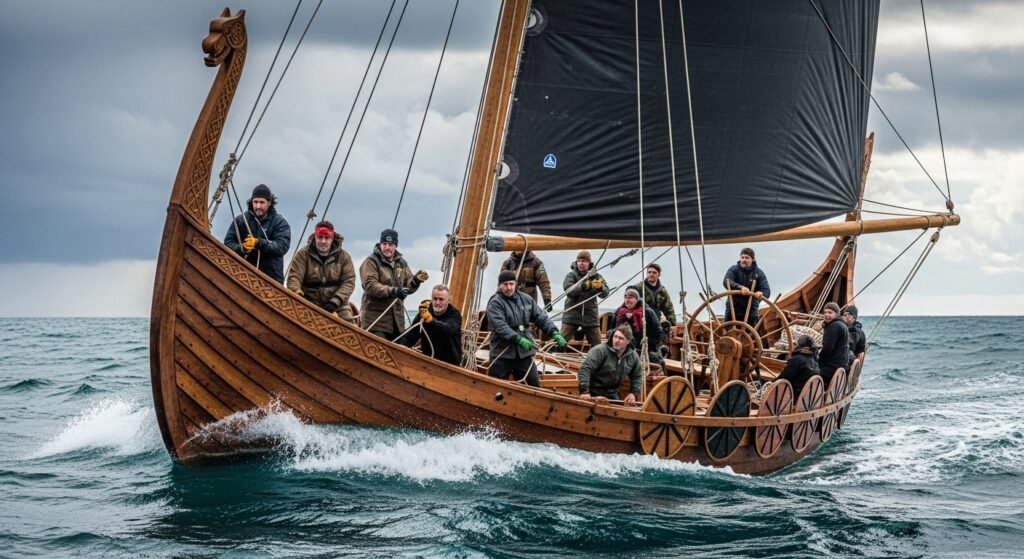
Viking shipbuilding methods continued to impact maritime design way out of the period. They were focused on speed, balance, and adaptability: this influenced subsequent trends in the navy. Sea voyages were safer due to the experience that had been gained in regard to the Viking crafts. This heritage still exists in contemporary maritime engineering ideologies.
Storytelling Traditions and Mythology
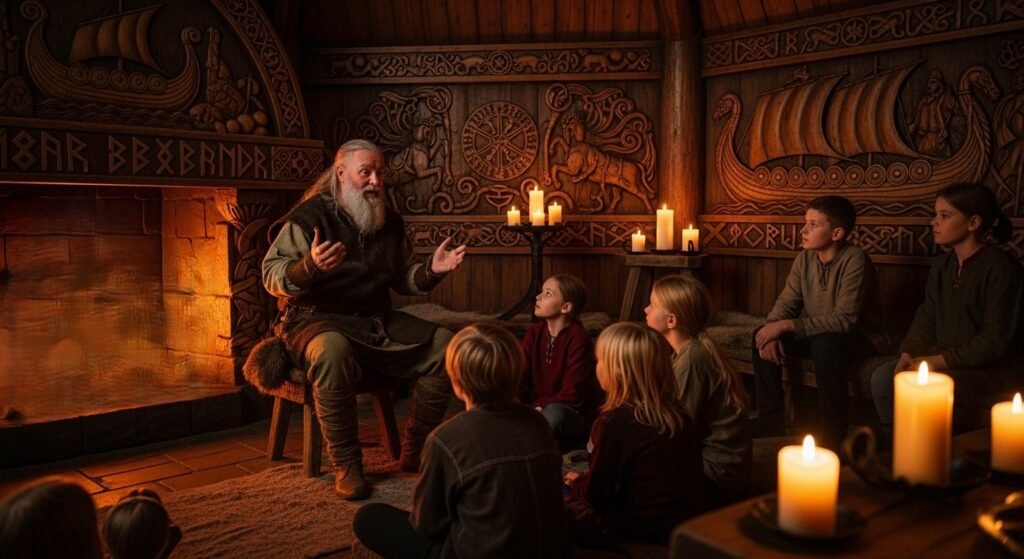
The Viking myths and sagas also influenced the storytelling of tales that were passed on from generation to generation. Honor, strength, and fate are some of the themes that are also visible in modern literary tales and entertainment. They were intended to be educational in nature and are no longer meant for entertainment. Their richness of emotions makes them still relevant even to this day.
Symbols Used in Modern Design
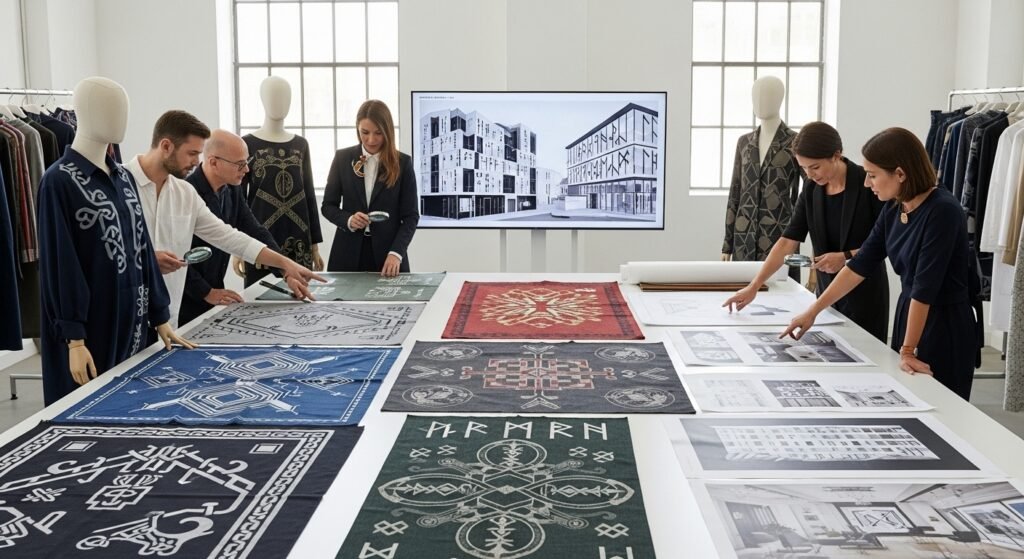
The architecture, fashion, and branding feature runes and Viking-related patterns. Their simplicity and strength attract the attention of designers. These words are such symbols that do not require any explanation. Their still in use demonstrates that Viking aesthetics are still visually strong.
Community-Centered Social Values
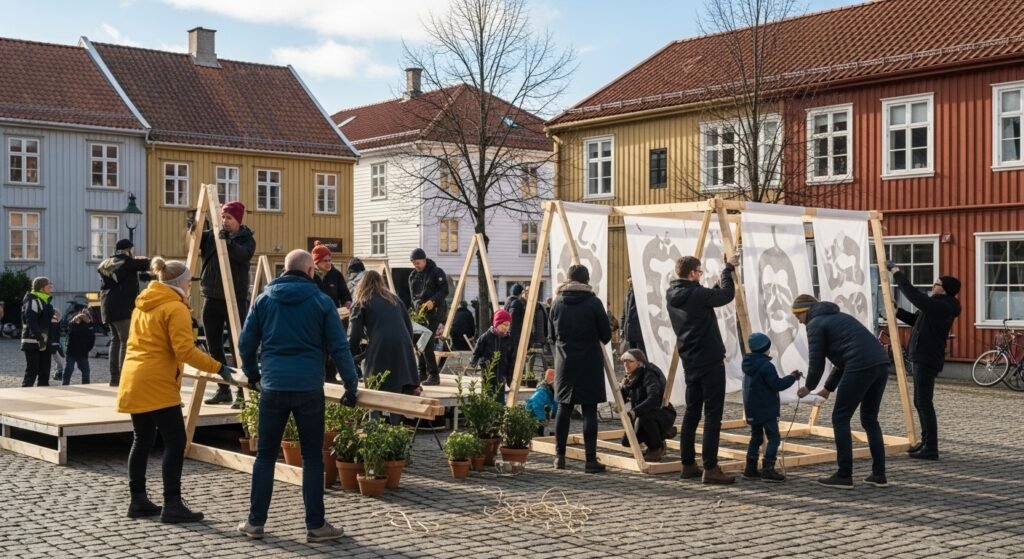
Viking cultures stressed collective responsibility and collaboration. It was a matter of collective success and not success on an individual basis that kept them alive. This attitude affected the societal organisation in areas where they moved. These values can be traced in the communal traditions and the local models of governance today.
Law Systems and Assemblies
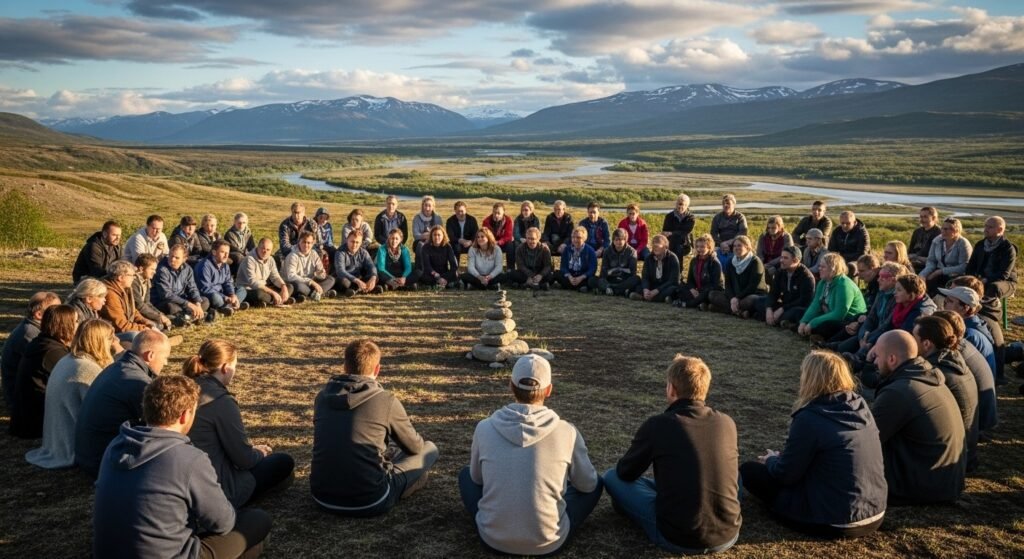
The public assembly of dispute resolution, called the Viking thing, had an effect on the early legal traditions. It encouraged consultation and group decision-making. These groups formed preparations for participatory governments. These early practices resonate in the modern ideas of democracy in less obvious forms.
Craftsmanship and Practical Design
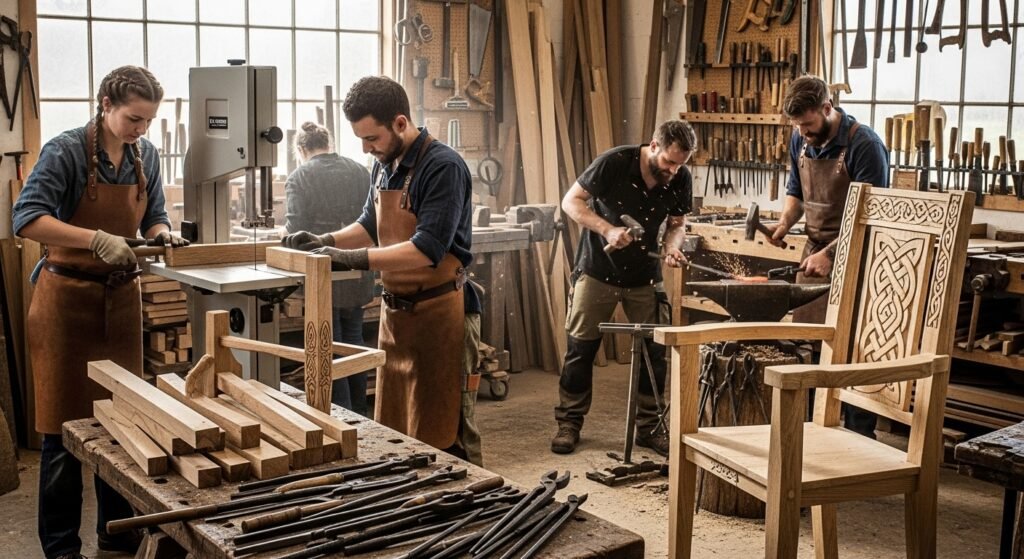
Vikings appreciated items that were useful and long-lasting. The products, gear, and houses were made to be used over time. This pragmatic strategy had an impact on the local quality of craftsmanship. The utility-beauty tradeoff is an idea of design that is still relevant.
Seasonal Celebrations and Rituals
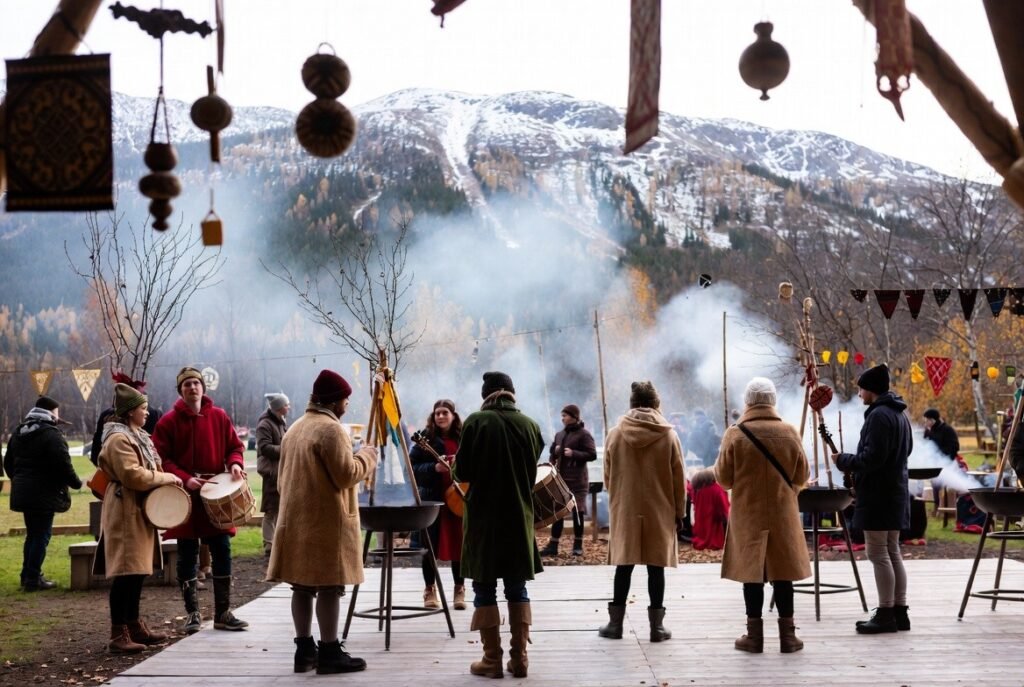
A number of contemporary festivals are similar to Viking seasonal festivals. These customs were associated with nature, crop seasons, and sustenance. They also absorbed the local traditions instead of vanishing away. What is left is a continuation of the culture under the guise of a contemporary party.
Popular Culture and Identity Revival
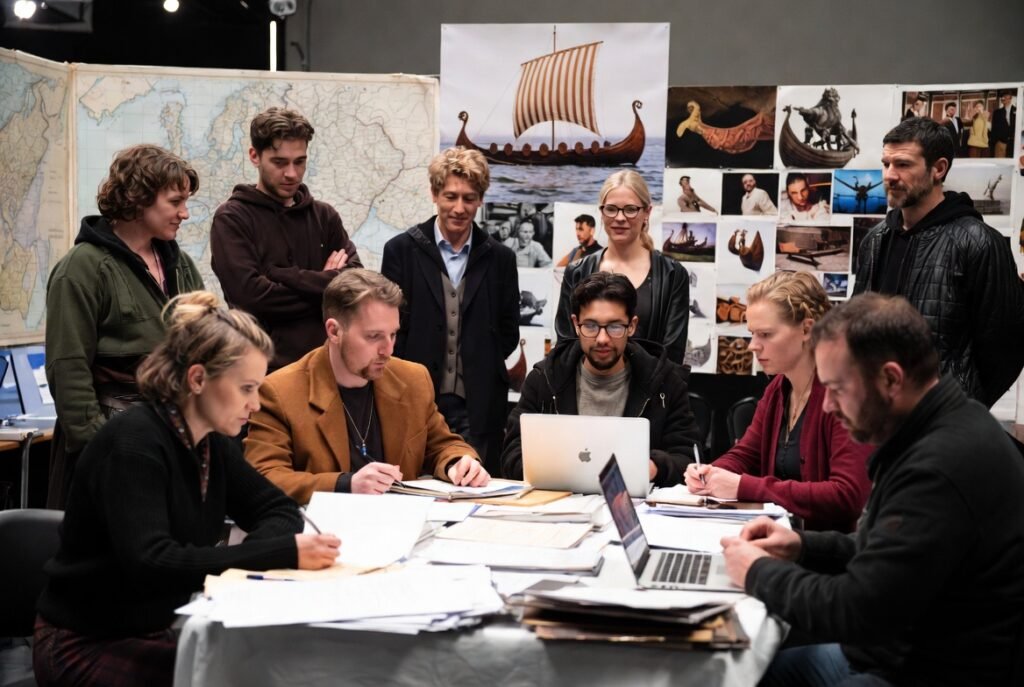
Viking culture has been increasing in interest with the media, books, and films. Although the contemporary pictures are stylised, they still make the culture visible. This re-examination prompts individuals to delve into the actual past in the myths. It demonstrates that Viking identity does not disappear but still develops.
