
It is so true that a dream job in expectation can sometimes be a nightmare in reality. Those who say big words on paper or in person may not be completely true when seen in real life. So, try to be careful if a job offer sounds too good. It could be a trap instead of opportunity. However, who knows the truth. Be confident and smart enough to judge and tackle these sweet traps. Here are common job opportunities that are actually traps.
Great Exposure, Low Pay

In a job context, Exposure means significant opportunities for visibility, learning, or experience. Jobs that promise great exposure instead of fair and competitive pay may not be good to consider.
Vague Job Descriptions

When responsibilities aren’t clear, work can slowly expand. You may end up doing many tasks outside your role without extra support or pay.
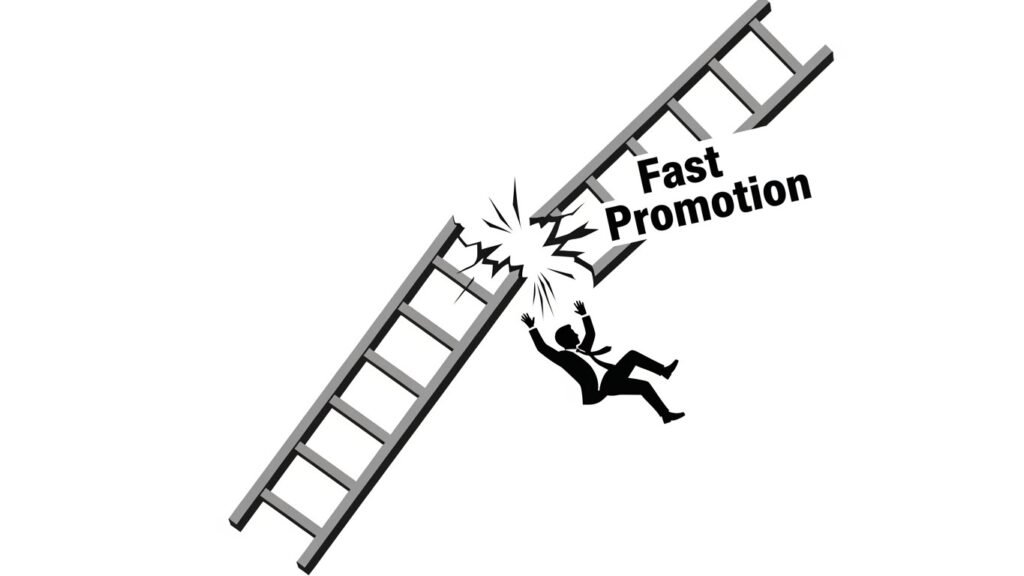
Fast Promotion Promises

Roles that talk a lot about quick growth but show no clear path often delay progress. Advancement stays uncertain and depends on unclear conditions.
Always-On Availability
Jobs that expect replies at all hours blur work and personal life. Over time, constant availability leads to exhaustion and lack of balance.
High Turnover Teams

If many employees leave often, it signals deeper problems. Stress, poor management, or unclear expectations usually sit behind constant exits.
Commission-Only Positions

Commission-based roles sound flexible but carry income uncertainty. Without a stable base, financial pressure builds quickly, especially during slow periods.
We’re Like a Family Culture

This phrase can hide weak boundaries. It may lead to emotional pressure, extra unpaid work, and guilt when you try to set limits.
No Training or Onboarding

Being thrown into work without guidance creates stress. A lack of training shows poor planning and low investment in employee success.
Constant Role Changes

Jobs that keep shifting duties can feel unstable. While flexibility helps sometimes, constant change creates confusion and overload.
Titles Without Authority

Some roles offer impressive titles but no decision power. This creates responsibility without influence, leading to frustration and burnout.
Poor Work-Life Boundaries

Jobs that ignore rest and personal time slowly drain energy. Overworking becomes normal, making long-term balance difficult.
Unclear Performance Reviews

Without clear feedback systems, growth feels random. You may work hard but never know how success is measured.
Excessive Trial Periods

Long unpaid or low-paid trials delay stability. An employee may feel this as a cage rather than independent. Might this benefit the company more than the worker.
Pressure to Prove Loyalty

Jobs that test loyalty through overwork or silence discourage effective communication. This creates fear instead of trust and employees may develop negative perspectives about the people of the company.
Ignoring Your Gut Feeling

Never underestimate your instinct because they can be true. If something feels off early, it often is. If you don’t feel confident about your job, fair pay, or culture, leave it.
