
Telegraph is a method of sending messages from distance using wires that carry electrical signals. Samuel Morse developed a system that used electrical signals to send messages over long wires. This technology allowed information to travel between cities faster than physical mail. The telegraph helped businesses and newspapers share information across great distances. Glance at how communication systems have evolved with technology since telegraph invention.
The Telephone

The telephone arrived in eighteen seventy six as a way to transmit the human voice. This device used wires to carry sound directly from one person to another. Early versions required a central office where workers connected callers to their destination.
Wireless Radio

Do you know that wireless radio technology emerged at the end of the nineteenth century. By the early twentieth century radio stations began to broadcast news and music to the public. Families often gathered around a single receiver to listen to programs.
Television Systems

Television technology became popular for home use after the nineteen forties. It combined moving images with synchronized sound for a complete viewing experience. People could watch events and performances as they happened in different locations.
Satellite Networks

Satellites support many services including television broadcasts and long distance calls. They also help with global positioning systems and weather tracking. This technology provides a link for regions that are difficult to reach with ground infrastructure.
Digital Internet

The invention of the digital internet has changed the world of communication and devices. The introduction of the world wide web in the 1990s made this network easy for the public to use. This system stores vast amounts of information that users can access from almost anywhere.
Mobile Phone
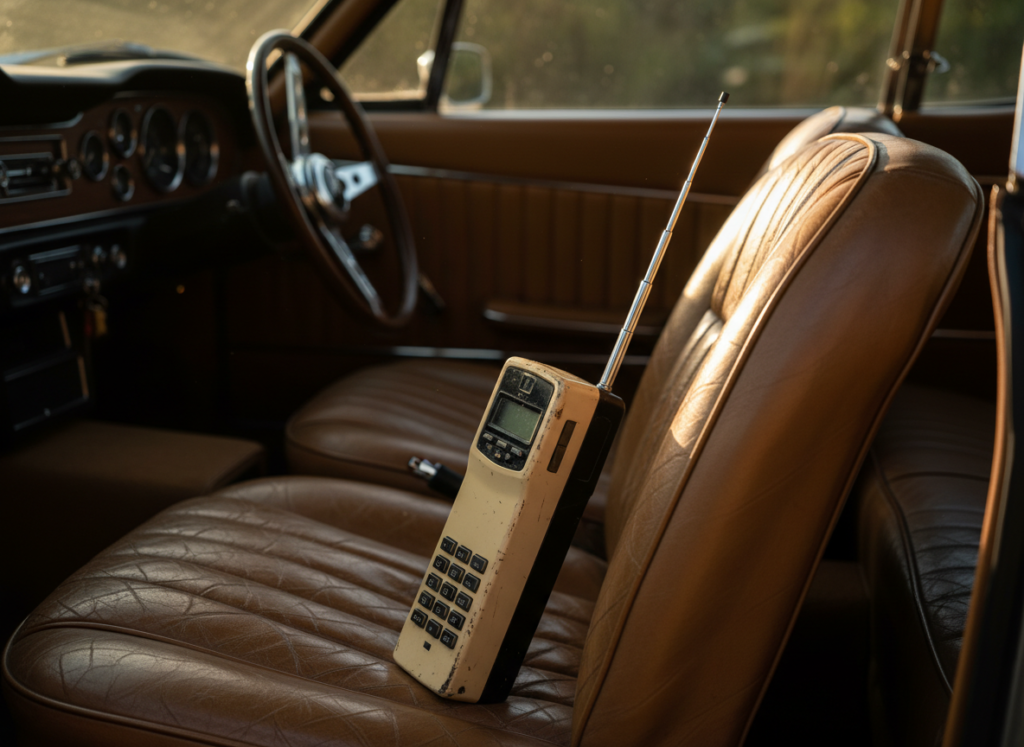
The first mobile phone networks appeared in the 1980s. These systems used radio towers to connect portable devices to the existing telephone grid. The first mobile phones were large and typically stayed in vehicles or heavy cases.
Digital Mobile Growth

The second and third generations of mobile technology introduced digital signals. This transition improved the quality of voice calls and allowed for text messaging. Users could send short written notes to each other without making a call.
High Speed Mobile Data
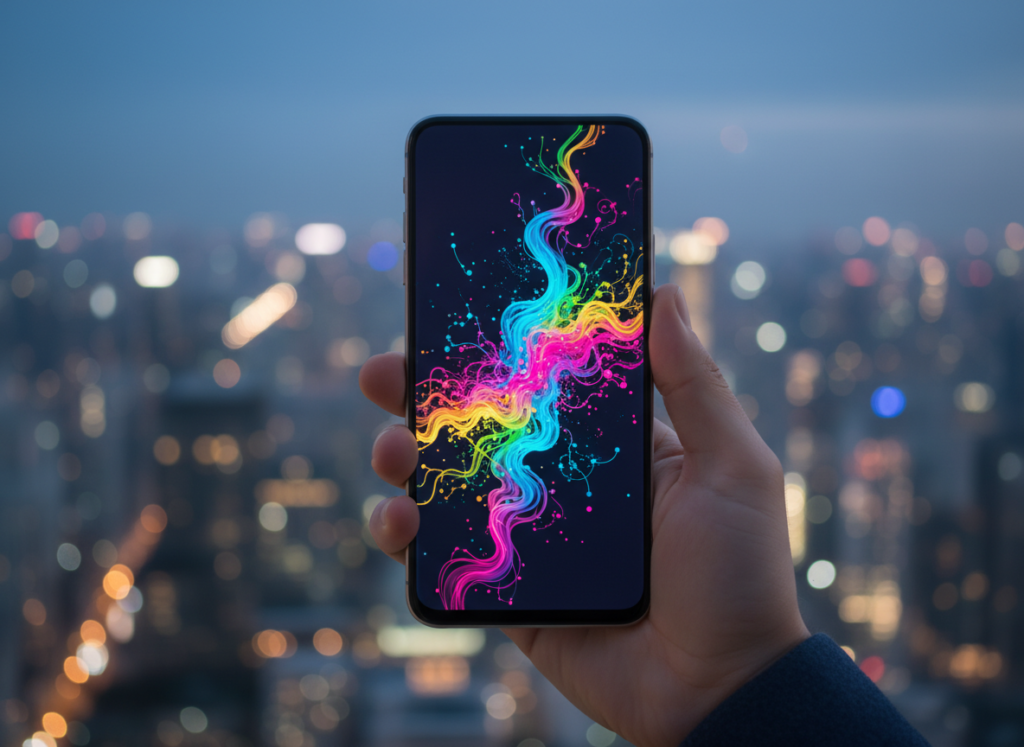
This technology supports the use of video streaming and complex applications on smartphones. It allows for high quality video calls where people can see each other clearly. Users can upload and download large files while they are travelling or sitting on a couch.
Current Network Trends

AI-driven automation and advanced 5G, Wi-Fi 7, and edge computing are the latest steps in the communication realm. It provides higher speeds and handles more data than previous systems. This network can connect many different types of devices at once including home appliances and industrial machines.
