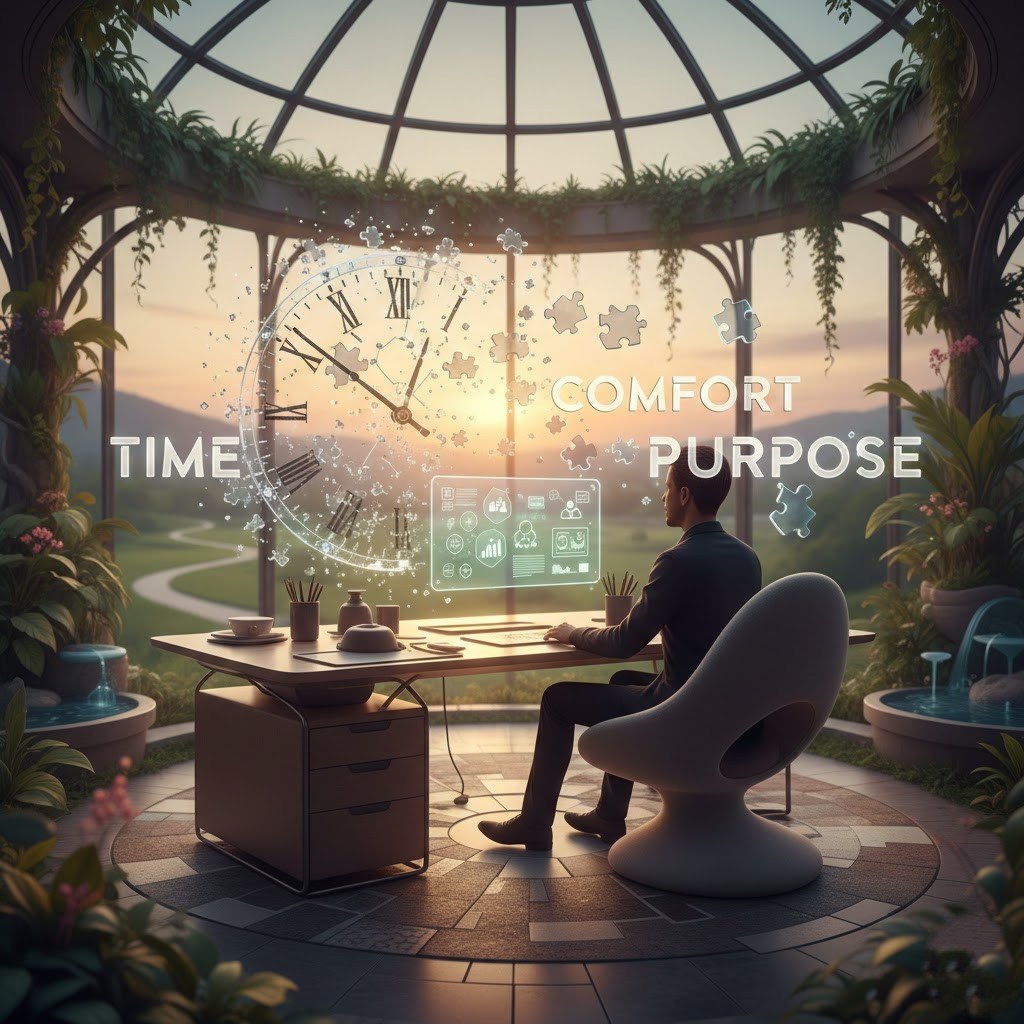
Time, comfort, and purpose at work has now changed and does not feel similar as they once did. After the pandemic, the workforce has been greatly shifted in terms of culture, time, comfort, and job preference including psychological needs and self actualization needs. These shifts don’t happen all at once, but together they are reshaping how people feel about office life and what they expect from it.
Flexible Work Hours Are More Accepted

One of the greatest changes is related to work hours. Meaning, many offices no longer expect everyone to work the same hours. Giving flexibility, employees are doing work earlier or later based on their needs. As a result, office jobs feel less strict and more supportive of real-life schedules.
Hybrid Work Becomes Normal

Working partly from home and partly from the office is now common. And employees enjoy this hybrid culture because of independence and fewer commutes. This mix changes how people view offices, not as daily requirements, but as shared spaces used when needed.
Results Matter More

Another shift has been noticed in employers’ work habits which promote their mindset on work output rather than hours spent. Meaning, they are focused on completing tasks instead of coming to fulfill working hours.
Comfort Gets More Attention
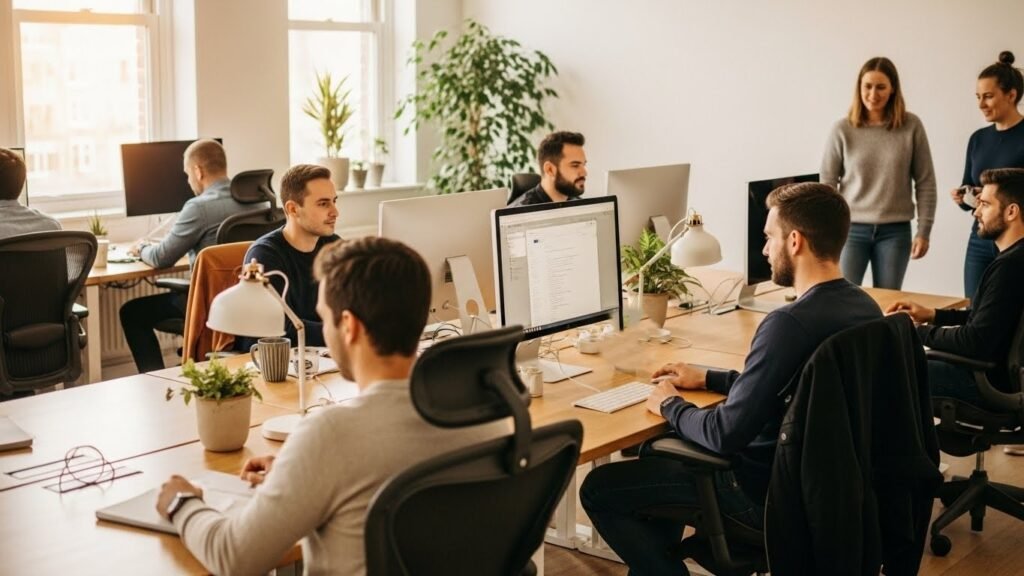
Ergonomics chairs, good lighting, and comfort dress codes matter more now. When people feel they are comfortable, office jobs seem less tiring and more manageable over long periods.
Mental Health Is Important
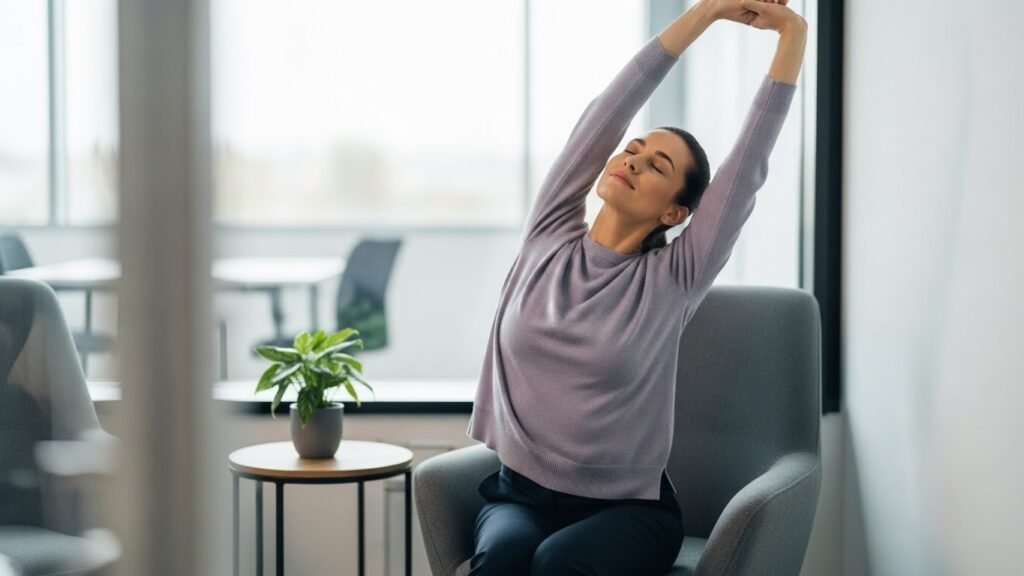
Work stress and burnout are openly discussed more than before. Many modern offices offer breaks, support programs, or flexible days. This shift helps people see office jobs as their second home with positive notes.
Technology Shapes Daily Work
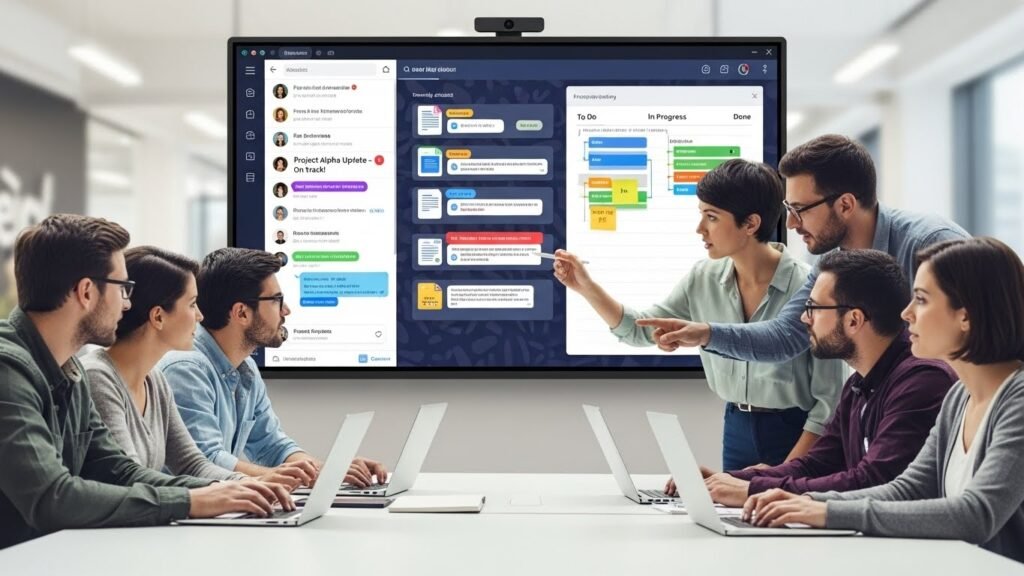
Tools for messaging, sharing files, and AI meetings notes are now shaping office operations at a glance. This reduces paperwork and speeds up communication, making office work feel more efficient and less repetitive.
Learning on the Job Is Expected
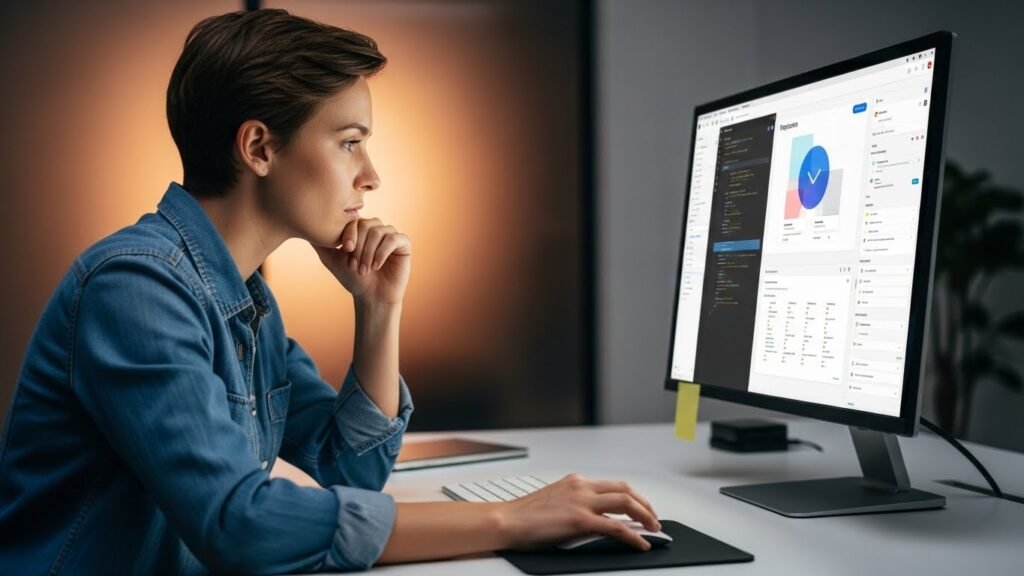
Office roles now change faster. Workers often learn new tools or skills while working. This keeps jobs from feeling stuck and helps people see office work as a place to grow, not just repeat the same tasks.
Office Space Feels More Social

Offices focus more on teamwork areas and shared spaces. Meetings, collaboration, and conversation matter more than rows of desks. This changes offices from quiet work zones into places for connection and idea sharing.
Job Titles Matter Less Than Skills

People move between roles more easily. Skills like communication, problem-solving, and adaptability matter more than fixed titles. This shift helps workers see office jobs as flexible paths instead of narrow roles.
Work-Life Boundaries Are Reconsidered
People talk more about when to disconnect from work. Emails and messages don’t always need instant replies. This awareness helps office jobs feel healthier and more sustainable over time.
