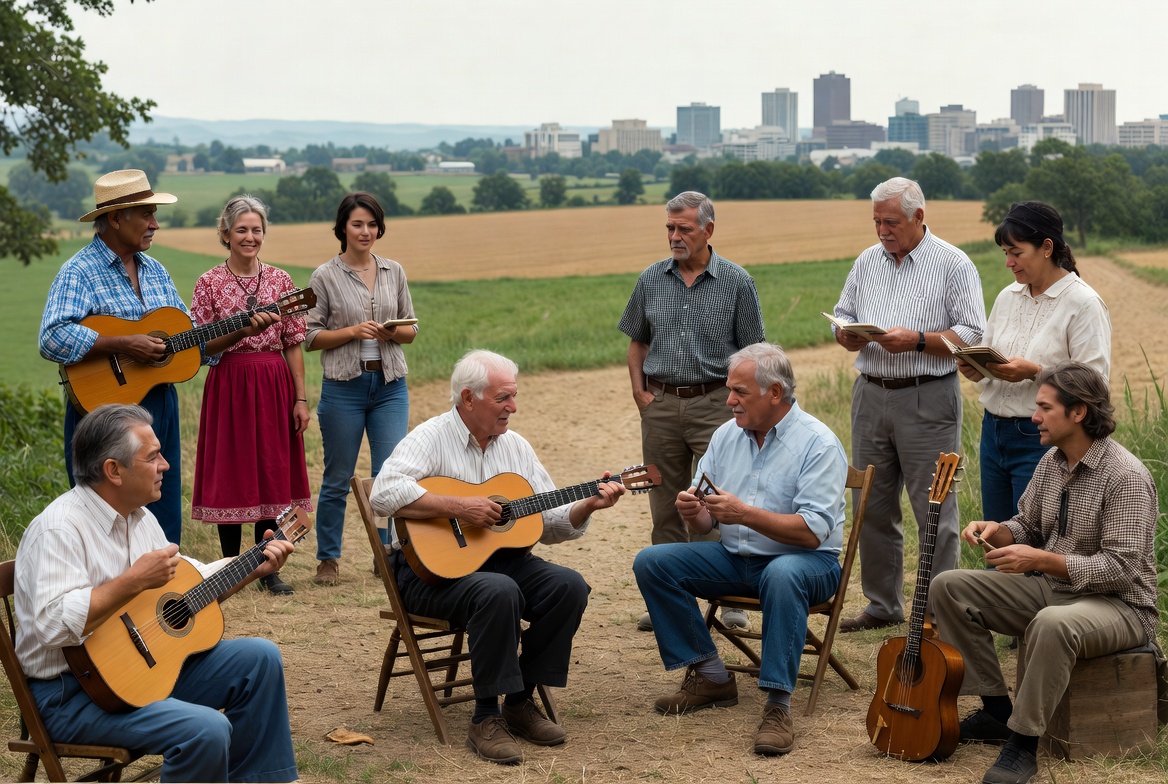
The American folk traditions have never been history but life itself. They have been cultivated on the premise of mutual enjoyment, nearby traditions, and desires. These traditions have been modified over the generations as the communities moved, combined, and adapted to the brand new realities. Although their origins are nevertheless observable, the way they’re being exercised today can effortlessly be seen to look pretty distinctive. This development demonstrates that the culture remains alive by evolving.
Oral Storytelling
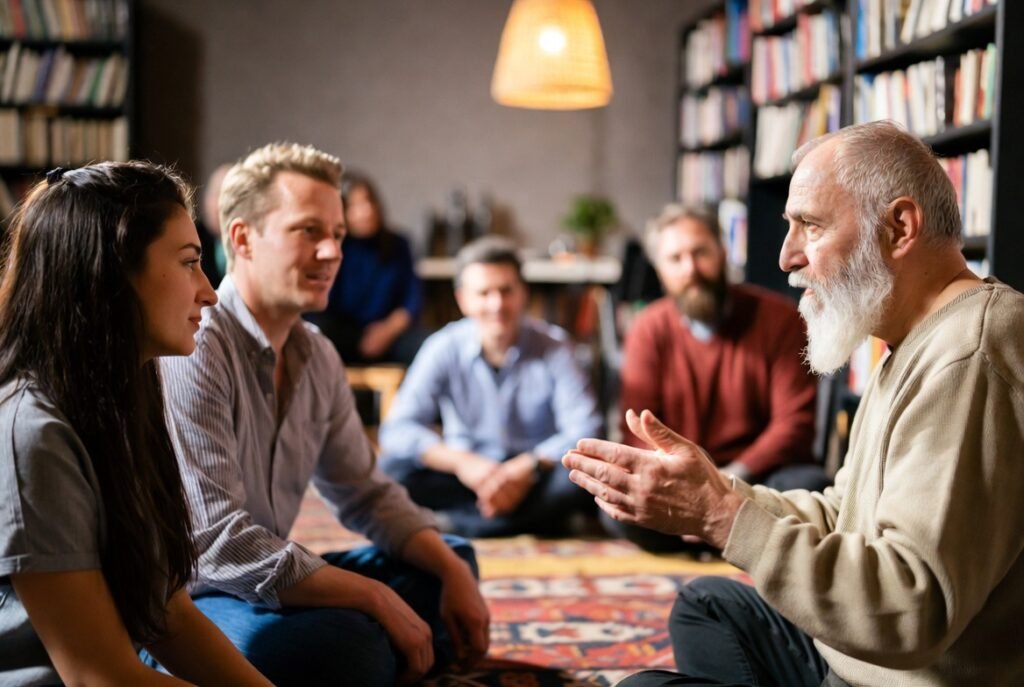
The initial folk customs depended on oral tales. These tales conserved values, teachings, and community history. Storytelling ceased to happen around firesides and took the form of books and recordings. The format had changed, but the objective was the same.
Folk Music Roots
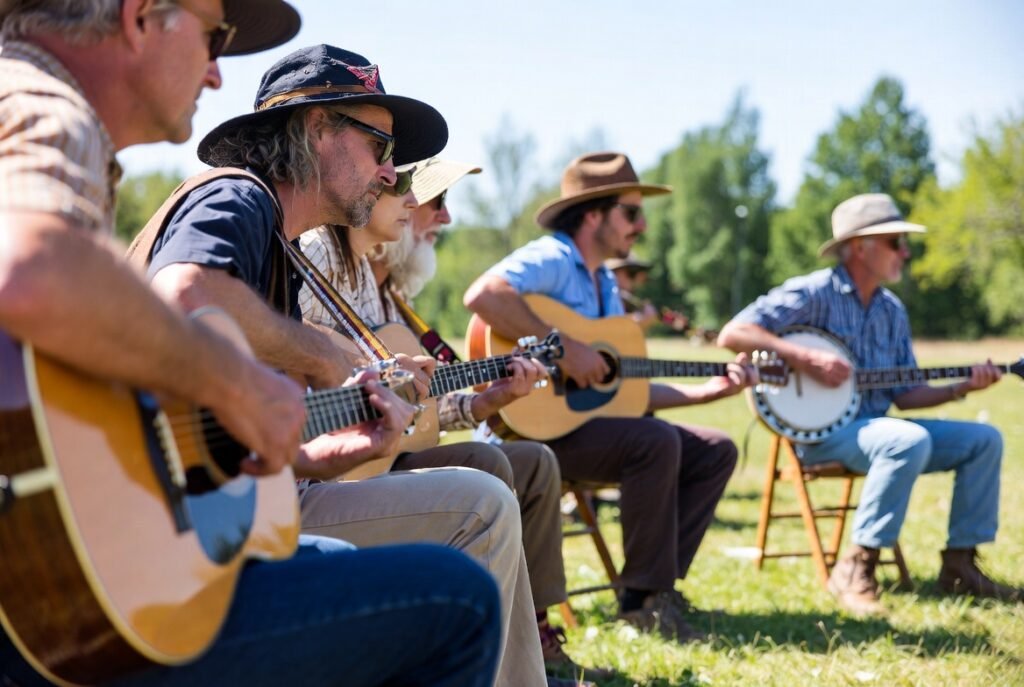
Folk music is a product of recounting stories and feelings using simple melodies. Passing of songs was orally transmitted. With the growth of technology, such songs were exposed to more people. Those original themes are still present in the modern folk.
Regional Influence

Folk traditions were developed differently in different regions. Customs were affected by geography, weather, and local industries. The differences between regions are still evident to date. They assist in maintaining local identity in a bigger national culture.
Immigration and Cultural Blending
Newcomers came with their own culture. These practices gradually merged with the existing practices. This intermingling invented new folk manifestations. The American folk culture was stratified instead of being single.
Artisans and Artistry
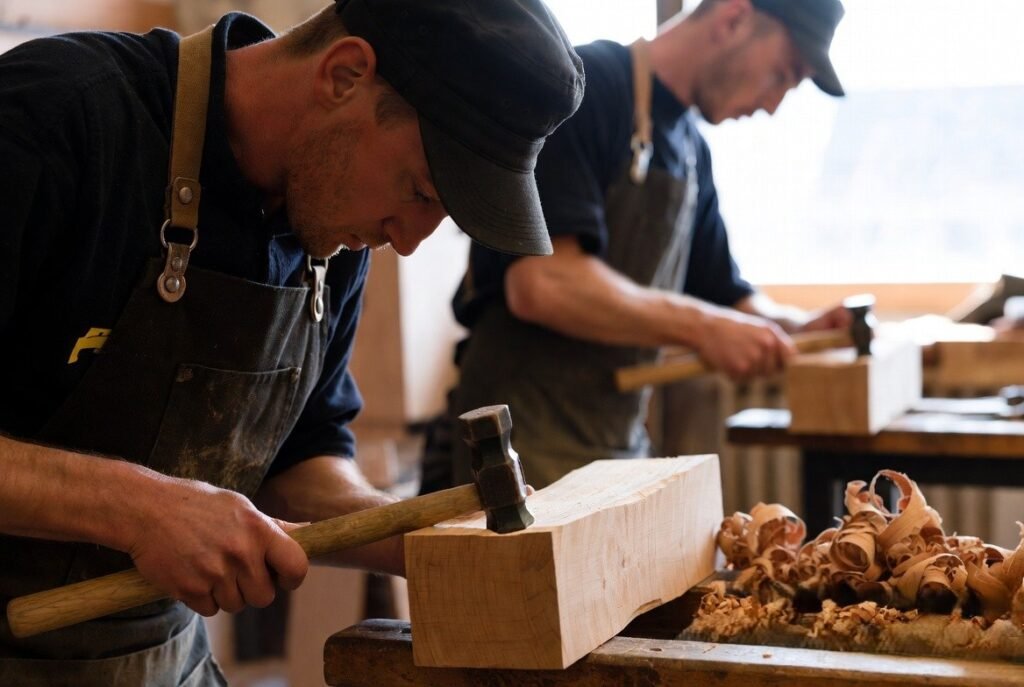
Artisans used to be a part of survival. Woodworking, quilting, and weaving were useful. With the spread of industrial goods, crafts became symbolic. They are heritage and creativity today rather than necessities.
Community Celebrations
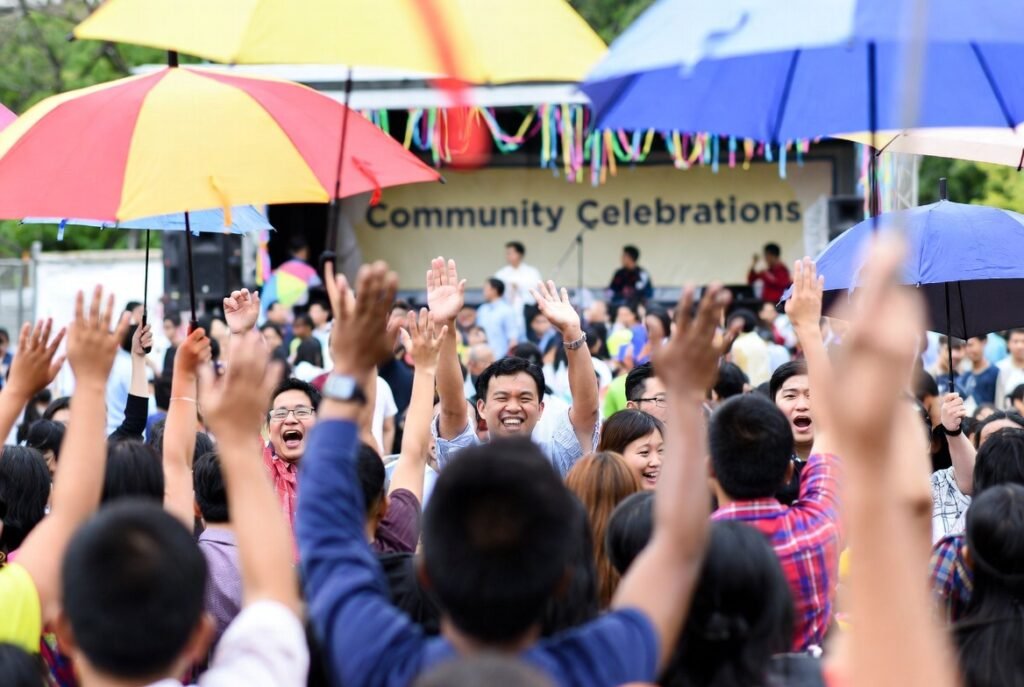
The folk life was based on festivals and meetings. They also celebrated seasons, harvests, and milestones. The contemporary festivals might appear in various ways, but the intention is the same. Through tradition, they unite people.
Dance and Movement
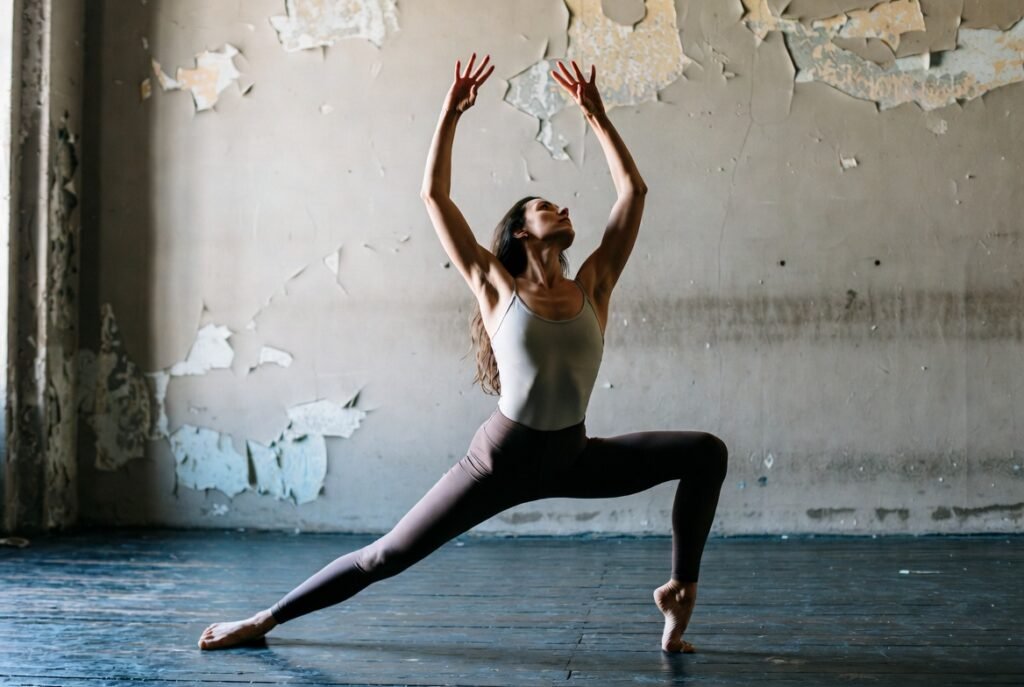
The folk dances were the rhythm of community and social relationships. There were a few steps, and the steps were common. Gradually, the dances became acts and not a participation. Nevertheless, they are still the way to the collective expression.
Language and Expression

The everyday language and sayings were influenced by the folk traditions. Wit, struggle, and village cunning were all there in phrases. A great number of expressions are still popular. The language is one of the most powerful folk legacies.
Rural-to-Urban Transition
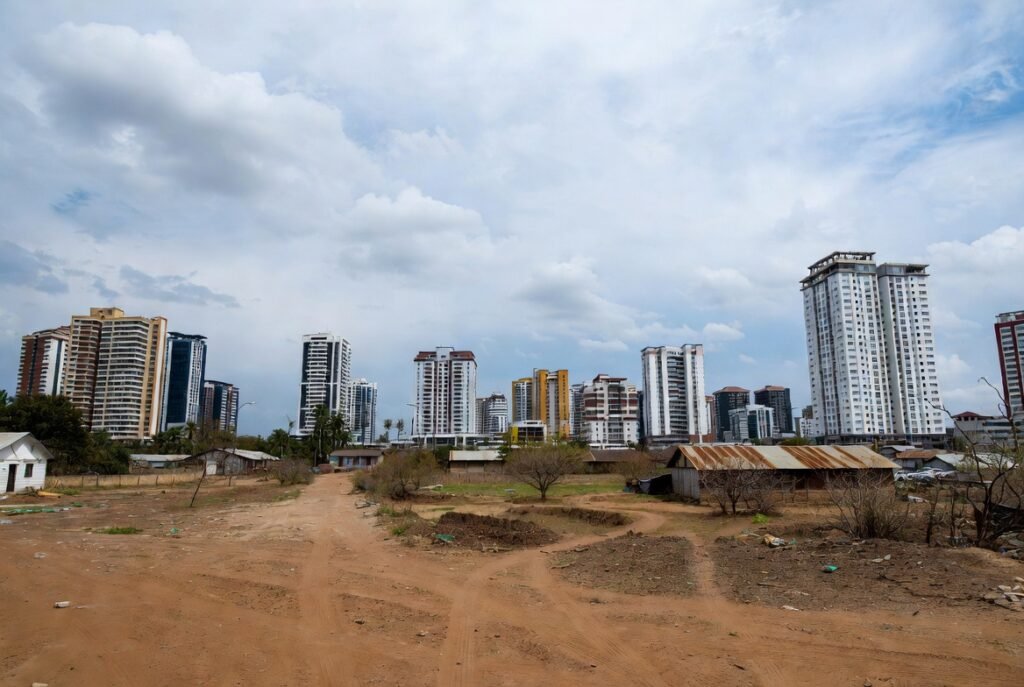
The migration towards cities resulted in changes in traditions. The rural traditions were simplified or re-understood. Cities developed new forms of the old traditions. This transformation made traditions not outdated in situations where there were transformations.
Influence of Media
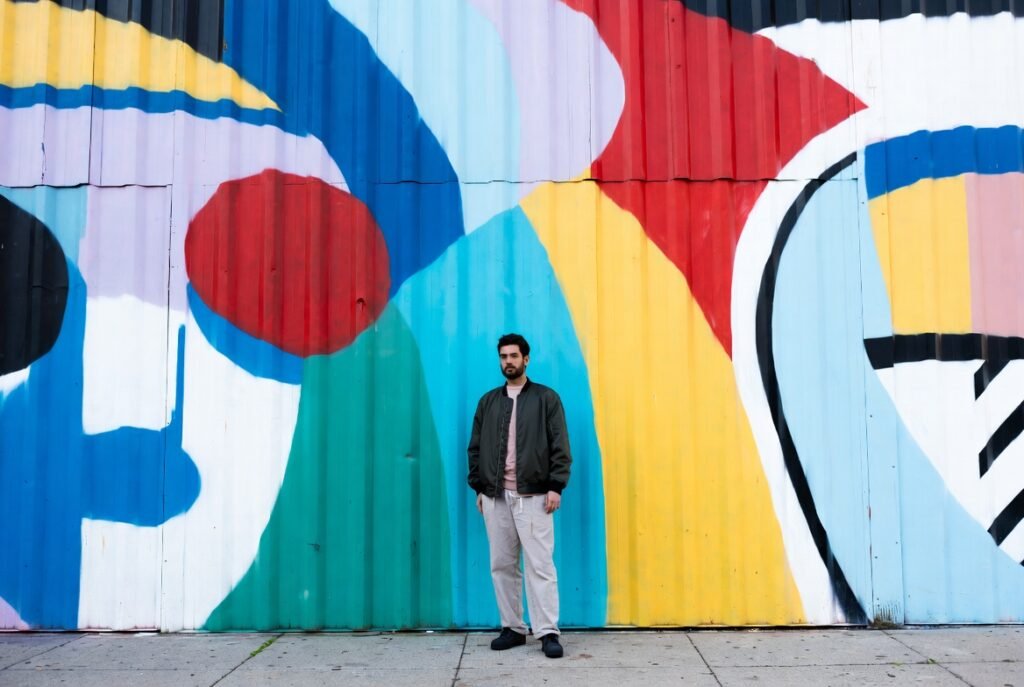
The folk culture was transformed through radio, television, and later the internet. The traditions that were previously confined to small groups became visible in the country. This exposure had an impact on the way they are shared. There was more deliberate preservation.
Modern Revival Efforts
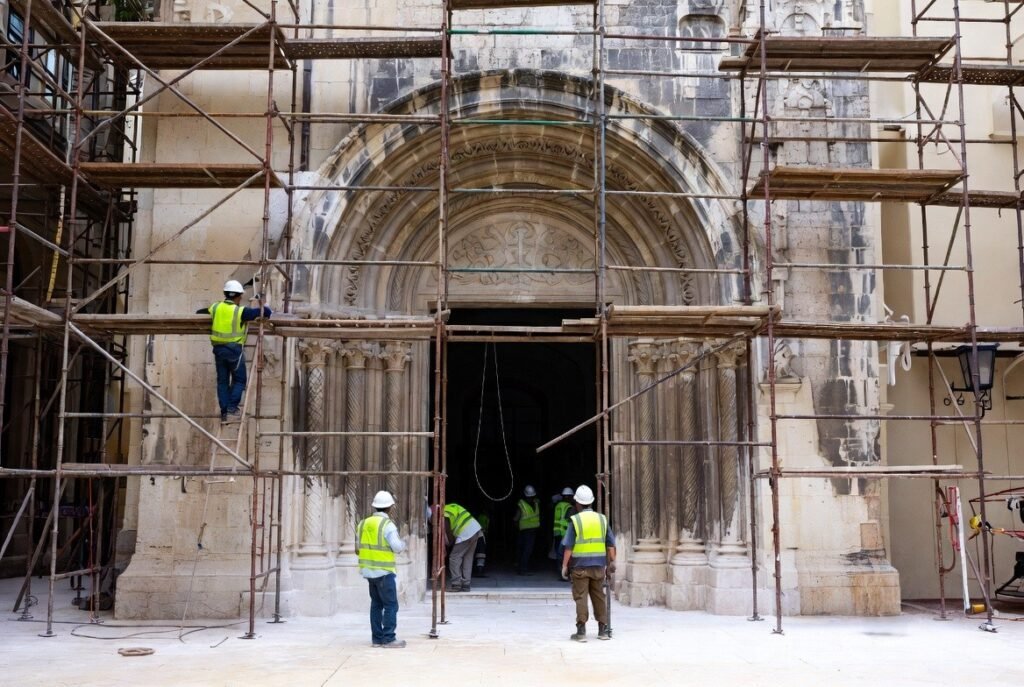
The level of folk traditions has increased over the past few years. The young generations find out about these practices in music, art, and festivals. Revival does not imply imitation. It is an expression of respect as well as reinterpretation.
Cultural Identity Today
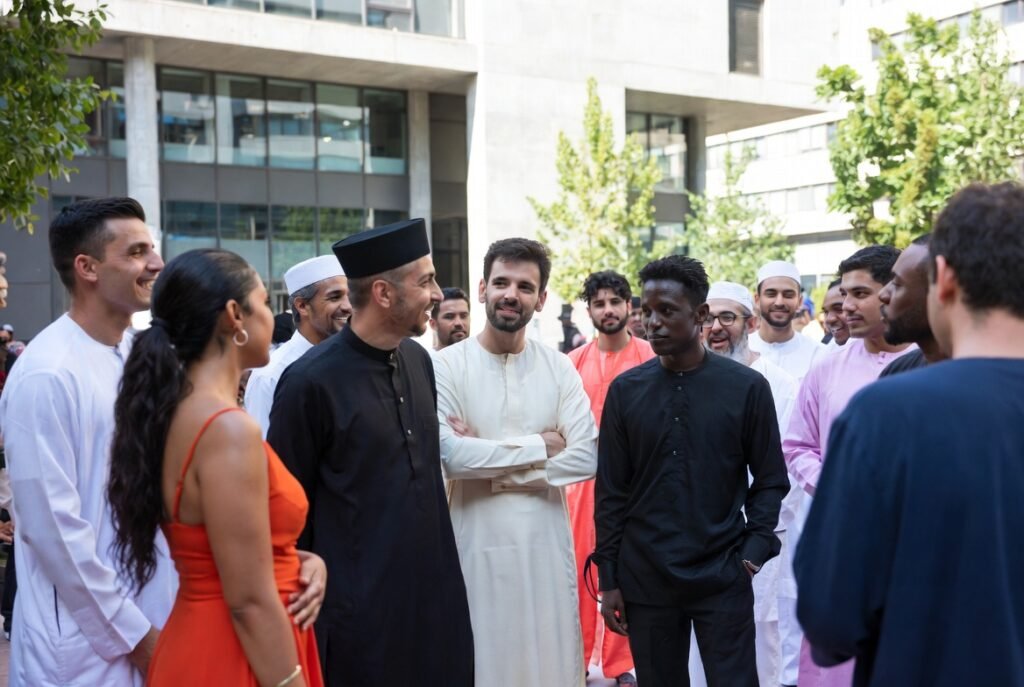
The American folk traditions have become reference points for culture. They relate individuals to the past and do not make them feel remote. Such traditions go on evolving. They are not irrelevant because of their flexibility.
