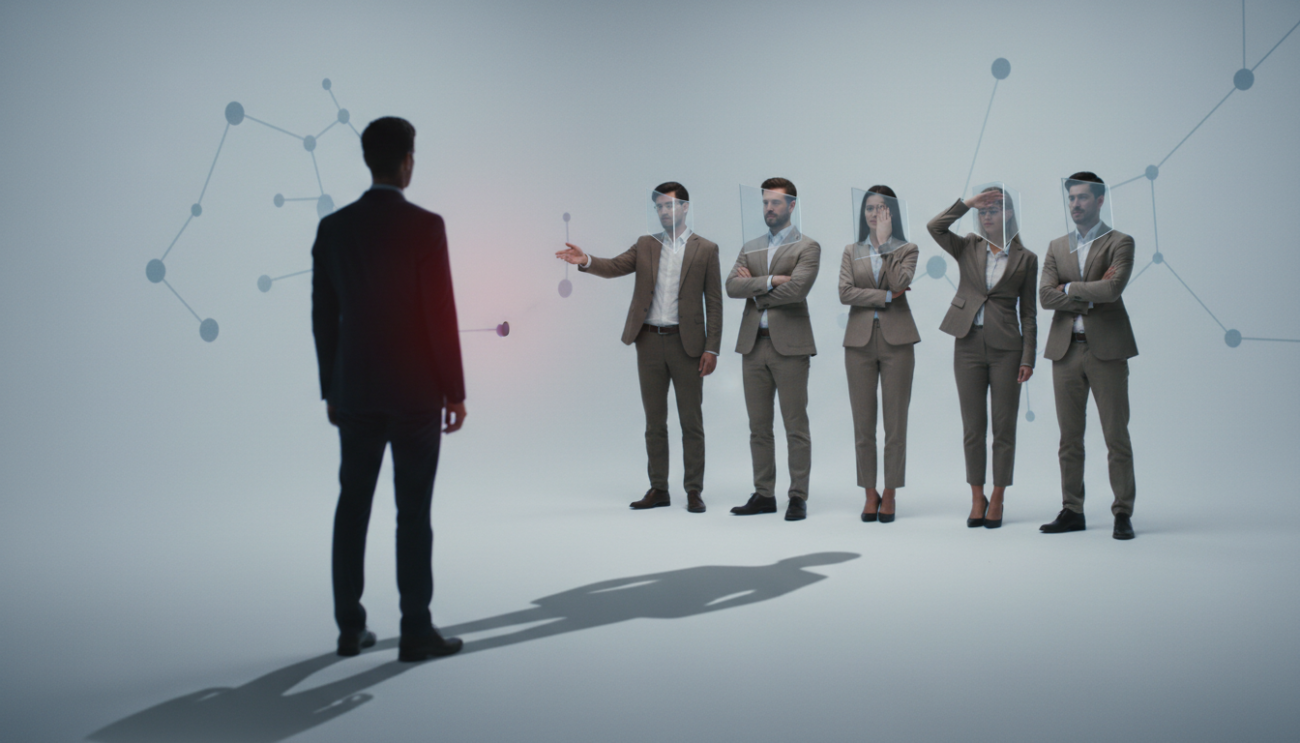

The statement someone dislikes another person originates from their behavior problems. Psychological research demonstrates that people develop dislike through hidden mental processes which combine with their life history and their individual limits. The emotional states develop from memory triggers which operate in the background and create effects that people do not comprehend. The most common psychological explanations which lead to certain individuals activating dislike in others.
They Remind Us of Someone From the Past

One person enables us to recall a negative encounter which we experienced during our past. The brain connects the feeling, not the facts. The past emotions which once existed will start to emerge when people meet someone who shares similar traits.
Traits We Don’t Like in Ourselves

People tend to dislike characteristics which they find difficult to manage in their own lives. The presence of those traits in another person creates an uncomfortable situation. The process begins with automatic reactions which result in immediate feelings of dislike.
Violate Personal Boundaries

People find it hard to accept when others enter their personal space through excessive talking and close contact and sharing private information. When someone crosses comfort limits early, the brain reacts with unease or rejection.
Behavior Feels Unpredictable
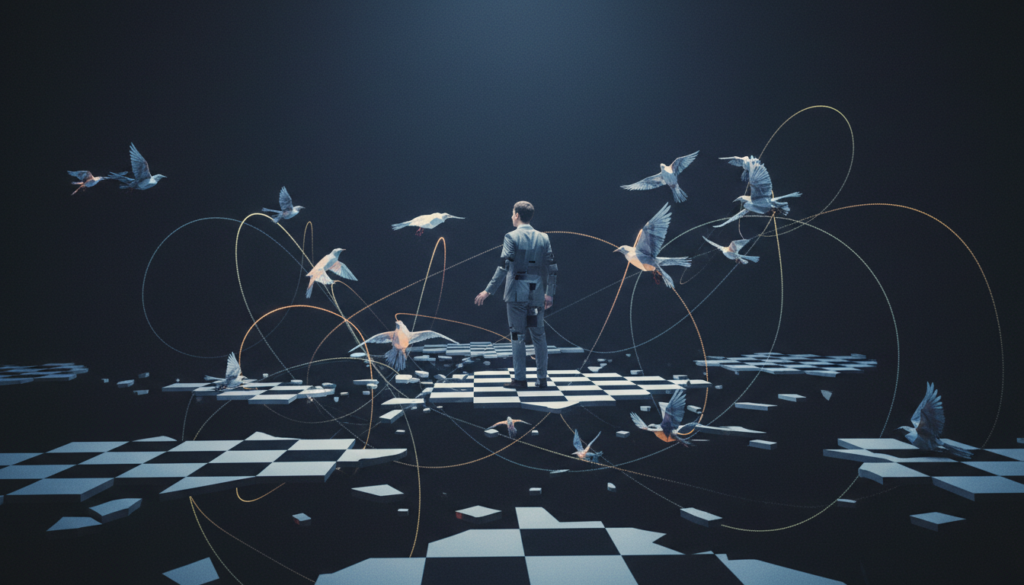
People find comfort in situations which they can foresee. A person who displays unpredictable behavior through sudden emotional changes will create an atmosphere which makes people feel unsafe.
Compete for Attention or Status

Defensive brain responses activate whenever a person faces threats to their social standing or their right to control others. A person can experience dislike through this feeling which occurs before any fighting starts.
Communication Style Feels Off
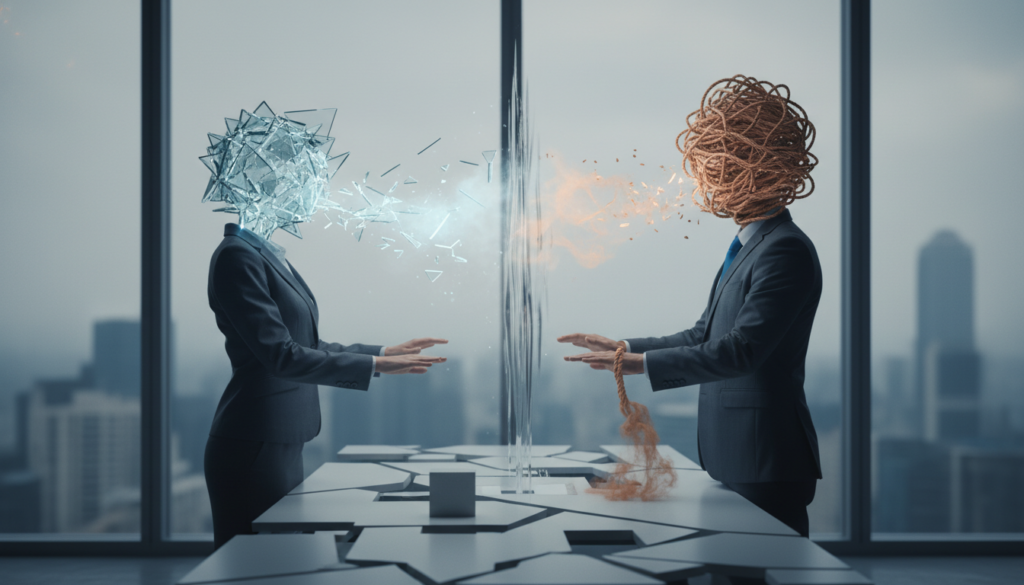
The person displays facial expressions and body movements which conflict with their vocal delivery patterns. The most minor social indicators, such as eye contact and speech rhythm, determine a person’s level of safety and comfort when interacting with others.
Ignore Social Norms

People will experience annoyance when they observe someone violating established social norms which prohibit them from interrupting or taking control of discussions. The person demonstrates unawareness through their actions which leads to unpleasant reactions from others.
Trigger Emotional Insecurity

People who show self-assurance through their critical nature will create self-doubt in others. The emotional pain leads to dislike because it serves as a protective mechanism against emotional distress.
First Impressions Stick Strongly

First contacts between people create opinions that will endure for their entire lives. The brain starts searching for proof to support its negative judgment of a person which it established during the first encounter.
Brain Makes Fast Judgments

The human brain has developed a quick judgment system which helps people determine their safety. People develop a dislike for someone within seconds before they begin to think logically about that person. The system operates without error because it works automatically but it sometimes produces incorrect results.
