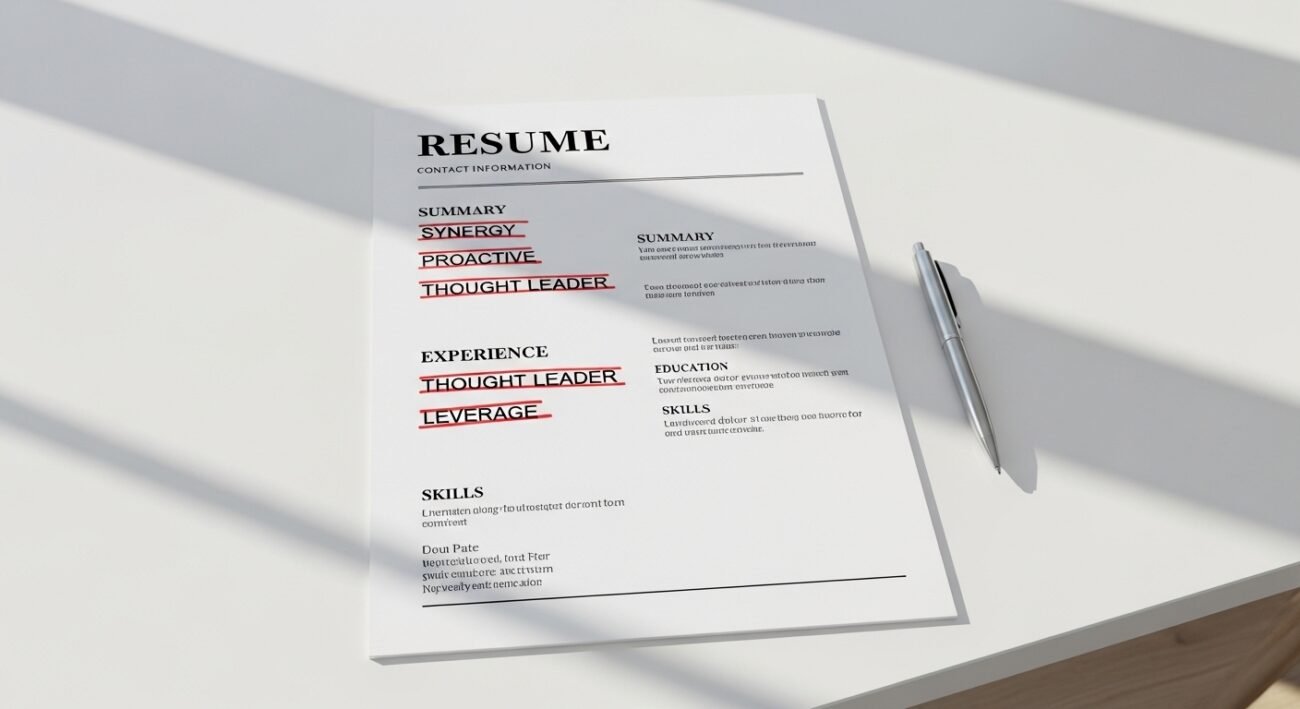
The majority of the resumes are not failing due to the shortage of experience, however because of old-school language. Hiring managers do not read resumes closely, and any indication of genericity and inflation is disregarded. Some of these expressions used to sound impressive but today are indicative of some form of incomprehension or a lack of dynamic intensity. These words will have the candidates mixing and not coming out. Getting rid of them makes your resume sharper, extra present day, and more credible.
“Hard-working”

It is an imprecise word that is immeasurable. All candidates profess to be hard-working and thus it does not provide any value. The employers are more concerned about outcomes than work. Describe results rather than mention attributes.
“Team Player”

This expression is cliched and is hardly supported by details. Teamwork is not a specific ability, but something that is expected in most jobs. It is with empty hands that it lacks examples. Substitute it with what you have contributed towards a team result.
“Results-Oriented”
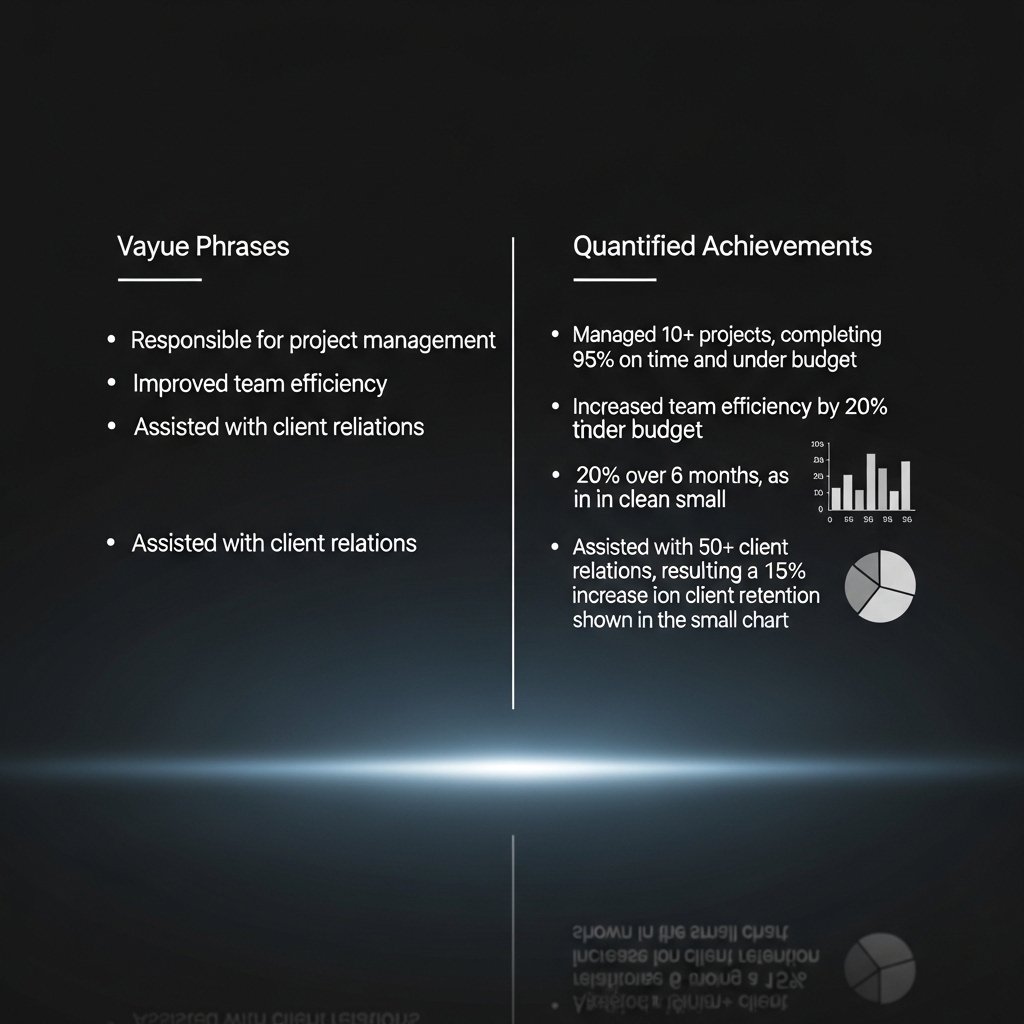
This phrase is repetitively encountered by hiring managers, who read through it. It threatens to make a difference without providing evidence. In case you obtained results, enumerate them. Statistics and figures are even more eloquent.
“Detail-Oriented”
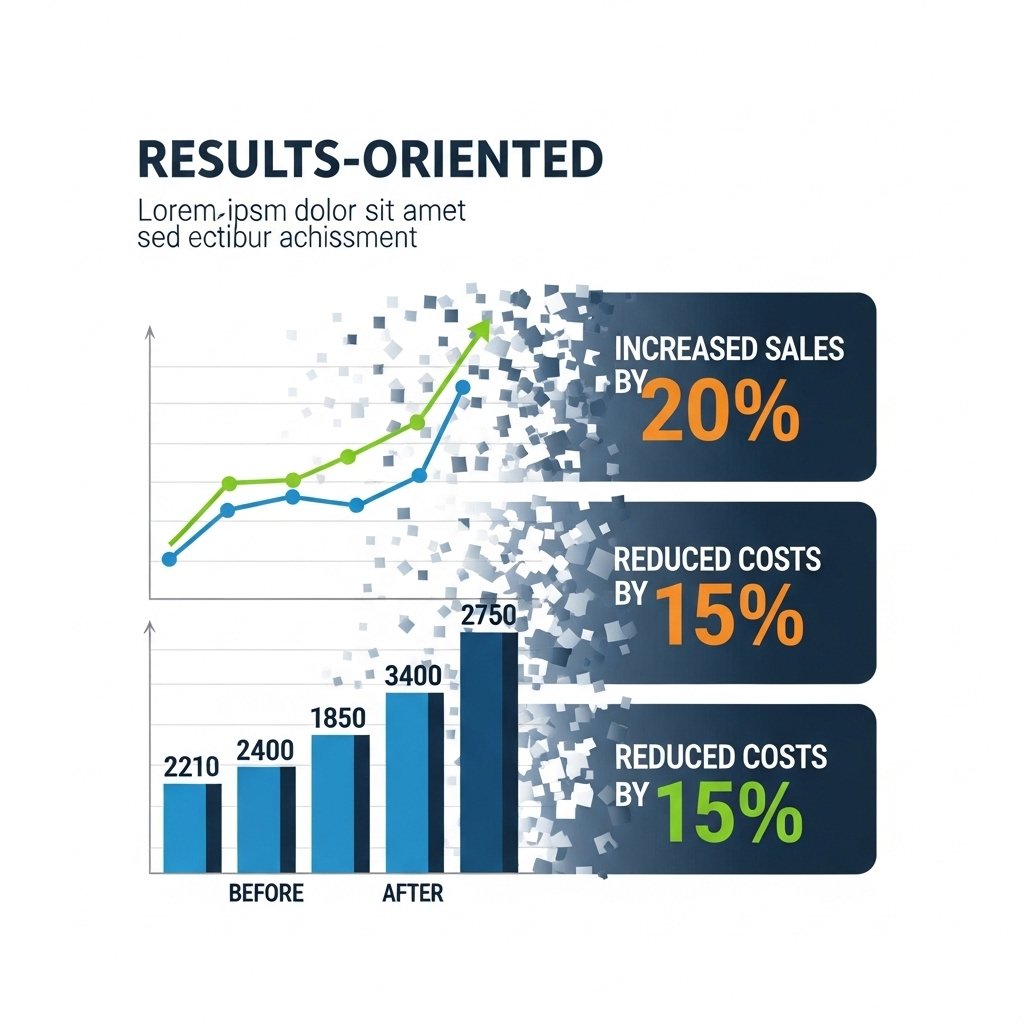
Professional roles presuppose attention to detail. Without evidence, it becomes weak to say it. Employers would like to know how accuracy enhances the quality of work. Claims are less effective than specific examples.
“Responsible For”

This is a phrase that emphasizes obligations rather than accomplishment. It implies that it is participative and not proprietary. Employers would desire to know what you have advanced or changed. Language that is movement-oriented is greater persuasive.
“Fast Learner”

It is difficult to determine the speed of learning out of context. This expression seems gratuitous in its empty form. The managers hiring would like to hire skills that have been successfully utilized. Demand flexibility with actual experiences.
“Self-Motivated”

Self-motivation is needed in most of the roles, hence this will contribute little. Out of context, it seems like resume padding. Employers seek initiative that is demonstrated by actions. And achievements show encouragement.
“Excellent Communication Skills”
This is an extremely widespread phrase that is not trusted. Clarity and structure are used to prove communication. Even your resume is a test of presentation. Explicit writing does not make the necessity to say that.
“Dynamic”
Dynamic is no longer meaningful in resumes. It is undefined and inexplicable. Employers would like to understand what changed due to you. Buzzwords without substance should be avoided.
“Go-Getter”
This is a casual expression that is old-fashioned. It is not professional in the present-day hiring circumstances. Employers like accurate language as opposed to personality names. Achievements should be the source of confidence.
“Think Outside the Box”
This is a cliche that is no longer effective. It does not inform employers on how to resolve issues. Something must be proven and not proclaimed. Instead, describe solutions concerning specific artistic solutions..
“References Available Upon Request”
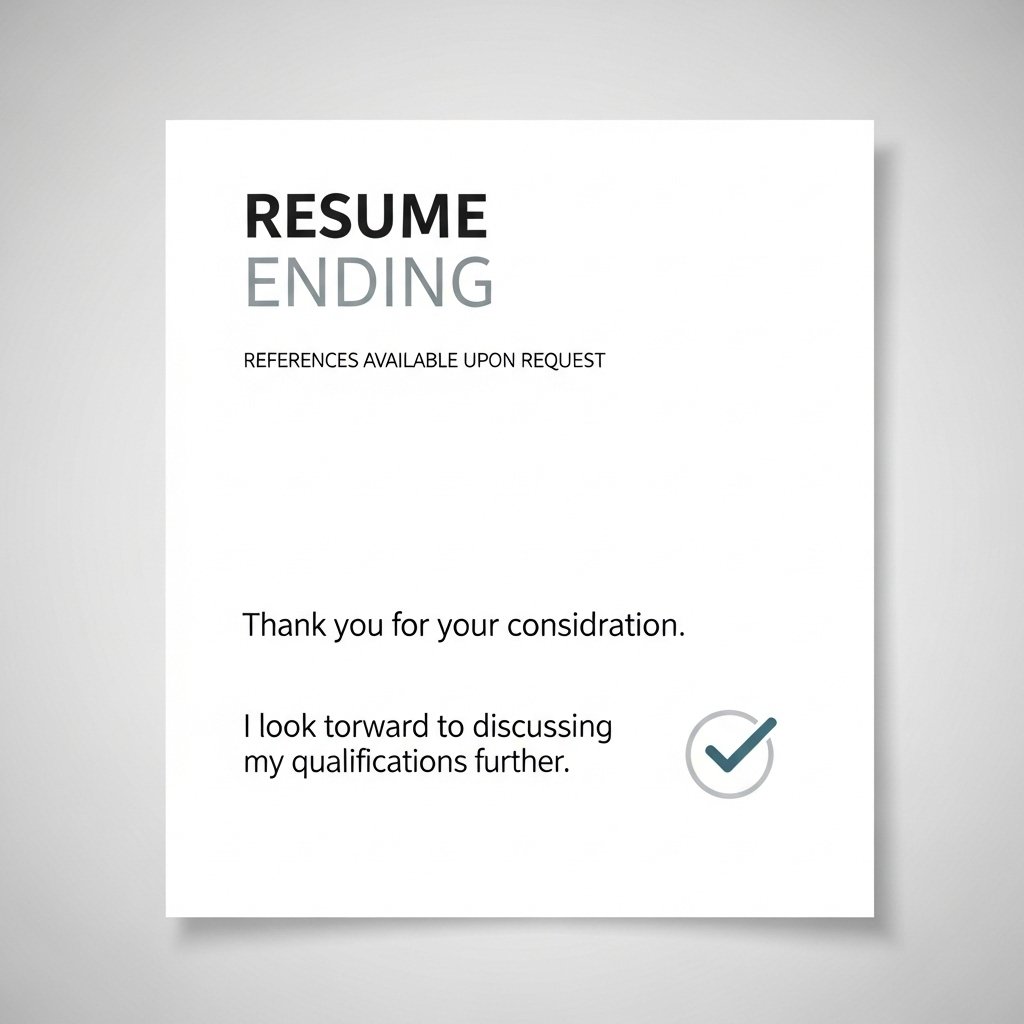
This sentence is redundant and frivolous. References are already assumed to be available by the employers. Contemporary resumes are efficiency-oriented. Be meaningful with what you fill there.
