
Hotel Wi-Fi is much like a luxury of travelling, particularly when you are not at home and you have to use your phone or laptop. The majority of the population relates without a second thought, as it does not seem dangerous. In fact, the existence of public networks poses some unknown dangers that most tourists fail to consider. Cyber criminals tend to attack spaces where one relaxes. It is possible to understand the functioning of hotel Wi-Fi and protect yourself next time you travel.
Why Hotel Wi-Fi Is More Vulnerable
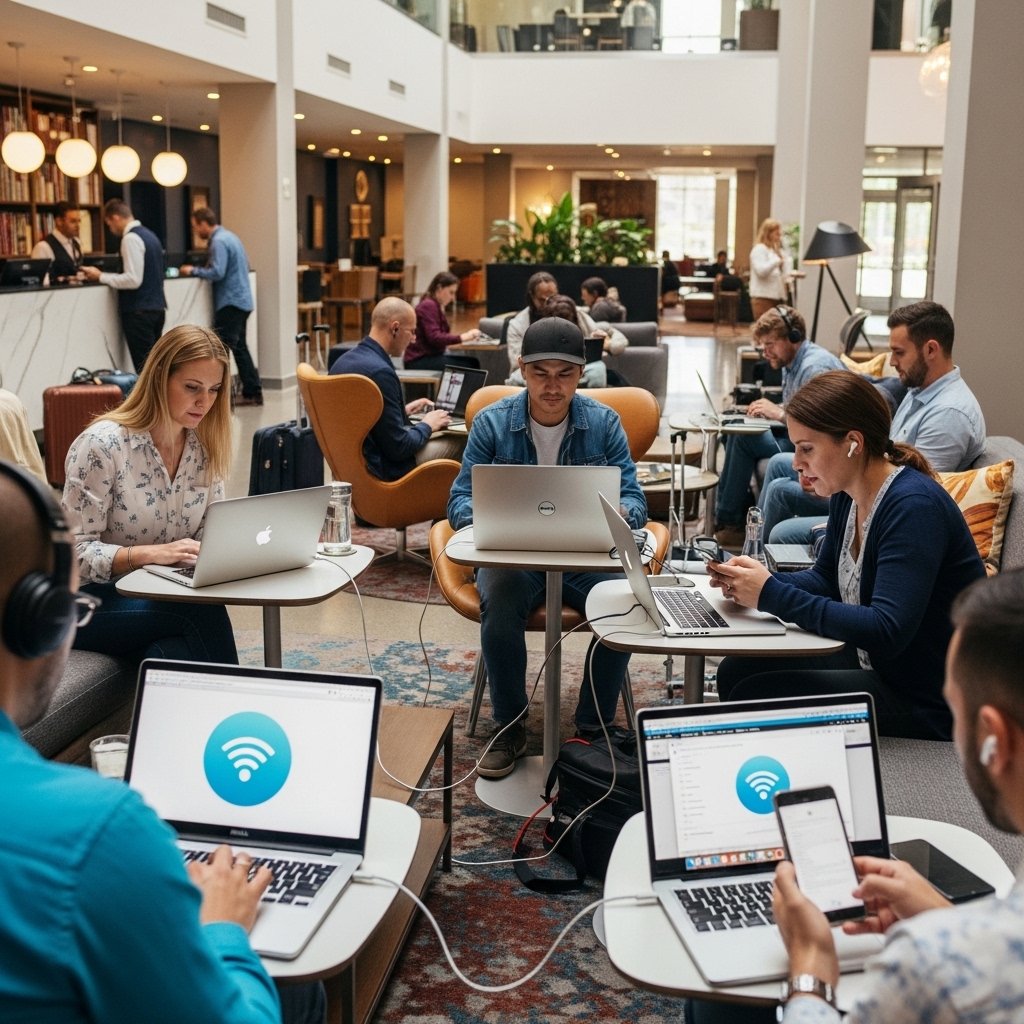
Dozens or even hundreds of guests are served by the hotel networks simultaneously. This renders them easier to abuse as compared to personal home ties. Security settings are rudimentary to give preference to ease of use. It is this openness that hackers exploit.
Fake Networks Are a Common Trap
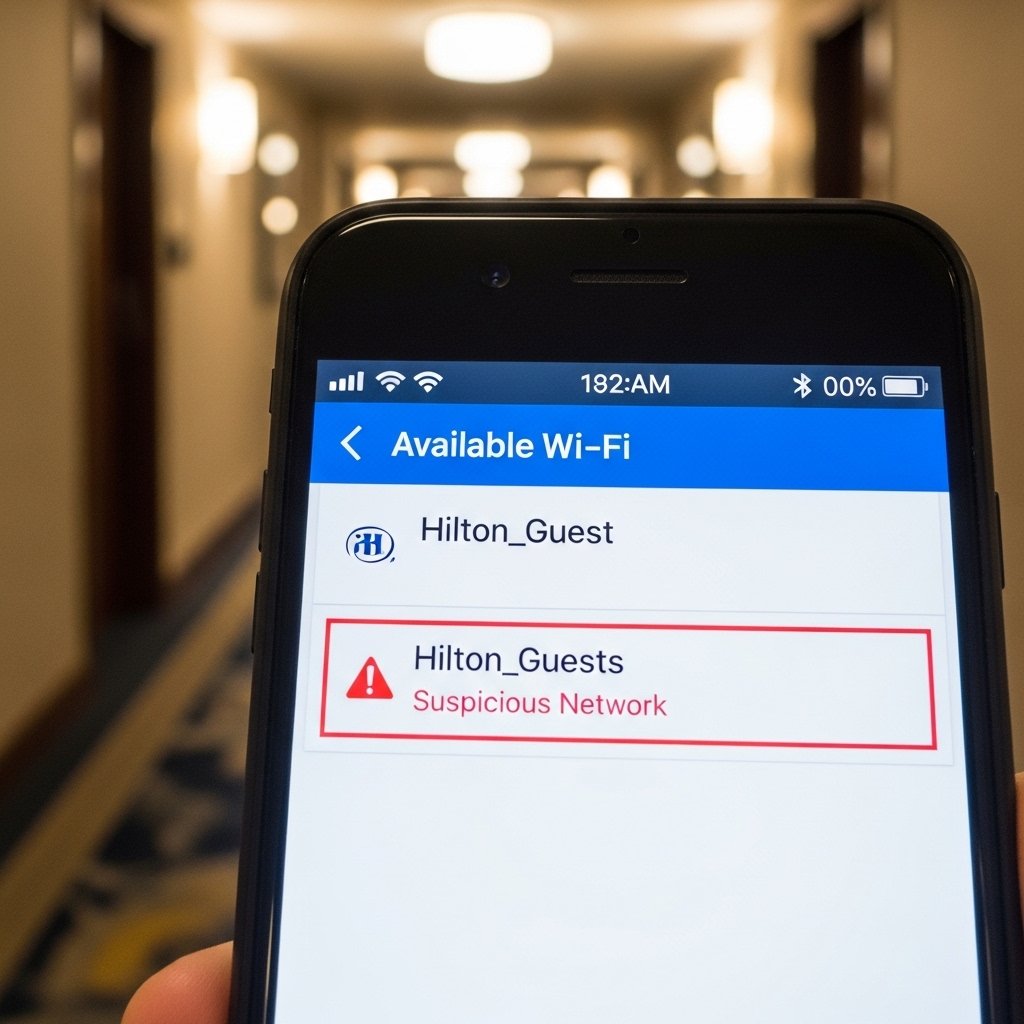
Sometimes attackers develop Wi-Fi networks and name them similarly to the official one of a hotel. Tourists unknowingly associate with such fraudulent hotspots. After being connected, one is able to intercept personal data. Always verify the name of the right network with hotel personnel.
Unencrypted Data Can Be Exposed

Several hotel networks do not have good encryption. This implies that there are people who can see information that is transmitted on the network. Messages, logins, and emails are exposed. One should never use unsecured connections to conduct sensitive activity.
Shared Networks Increase Malware Risk
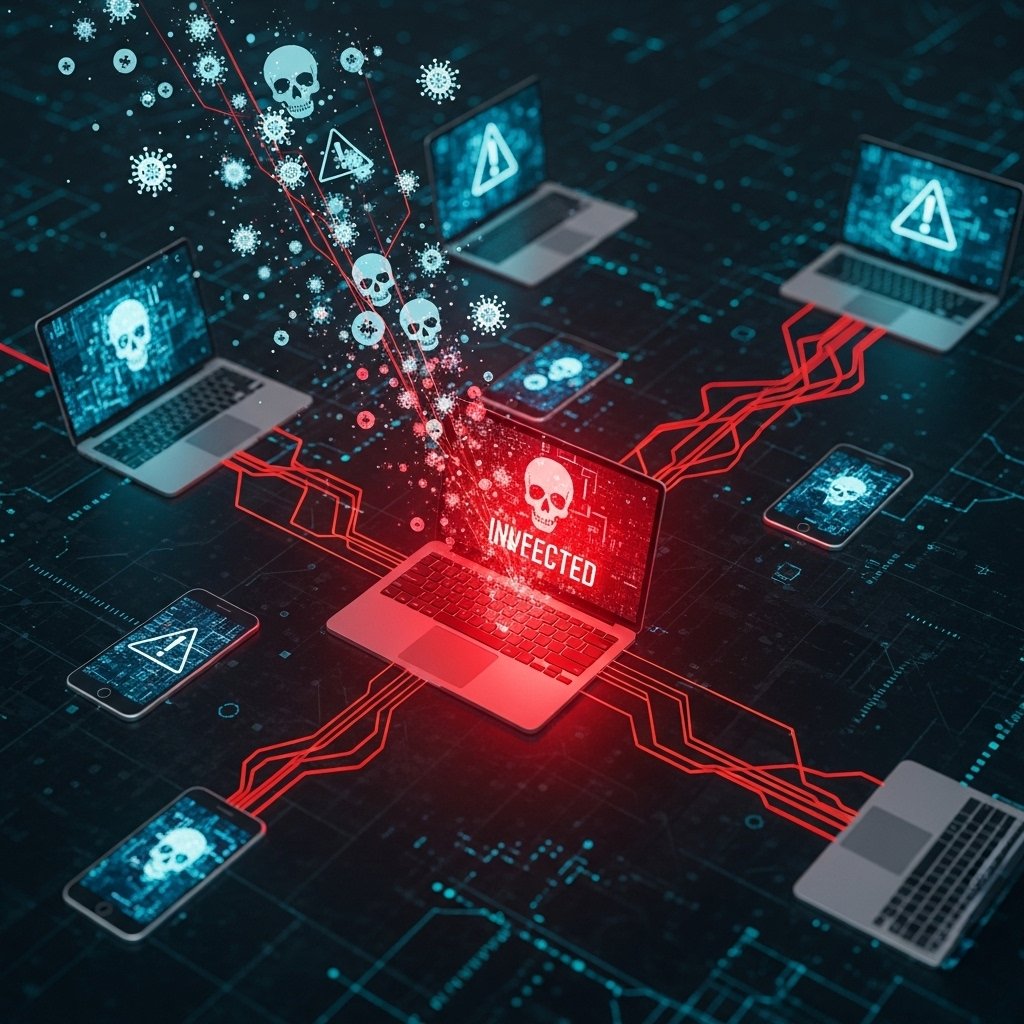
Machiated devices can be capable of transmitting malware to the entire community. A single infected laptop can be used to compromise other nearby computer systems. Hotels are not able to keep track of all interconnected gadgets. This forms a perfect condition in which malicious software spreads.
Automatic Connections Can Backfire
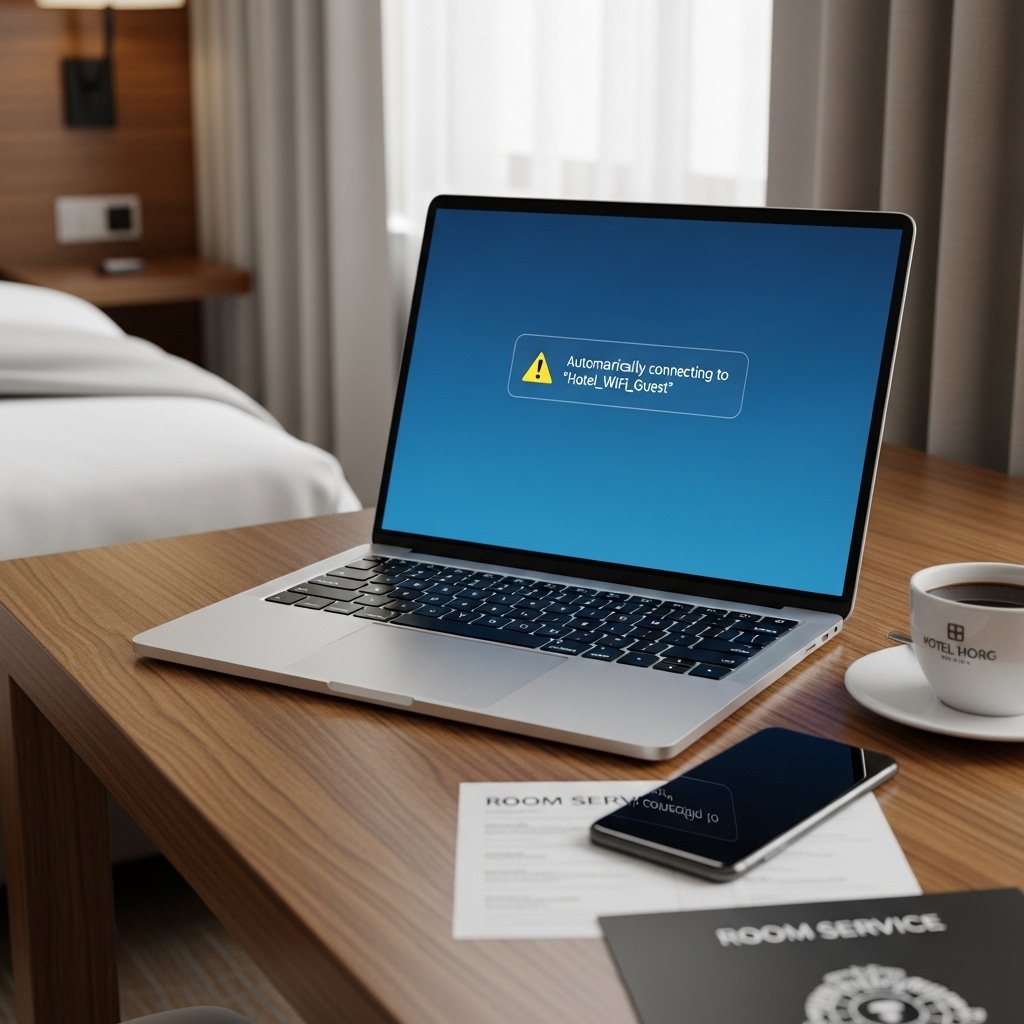
Most phones and laptops connect automatically to networks that they are familiar with. The feature has the ability to connect you to unsafe Wi-Fi without warning. This auto-connect should be set off. The manual control is more protective.
Personal Information Is the Main Target
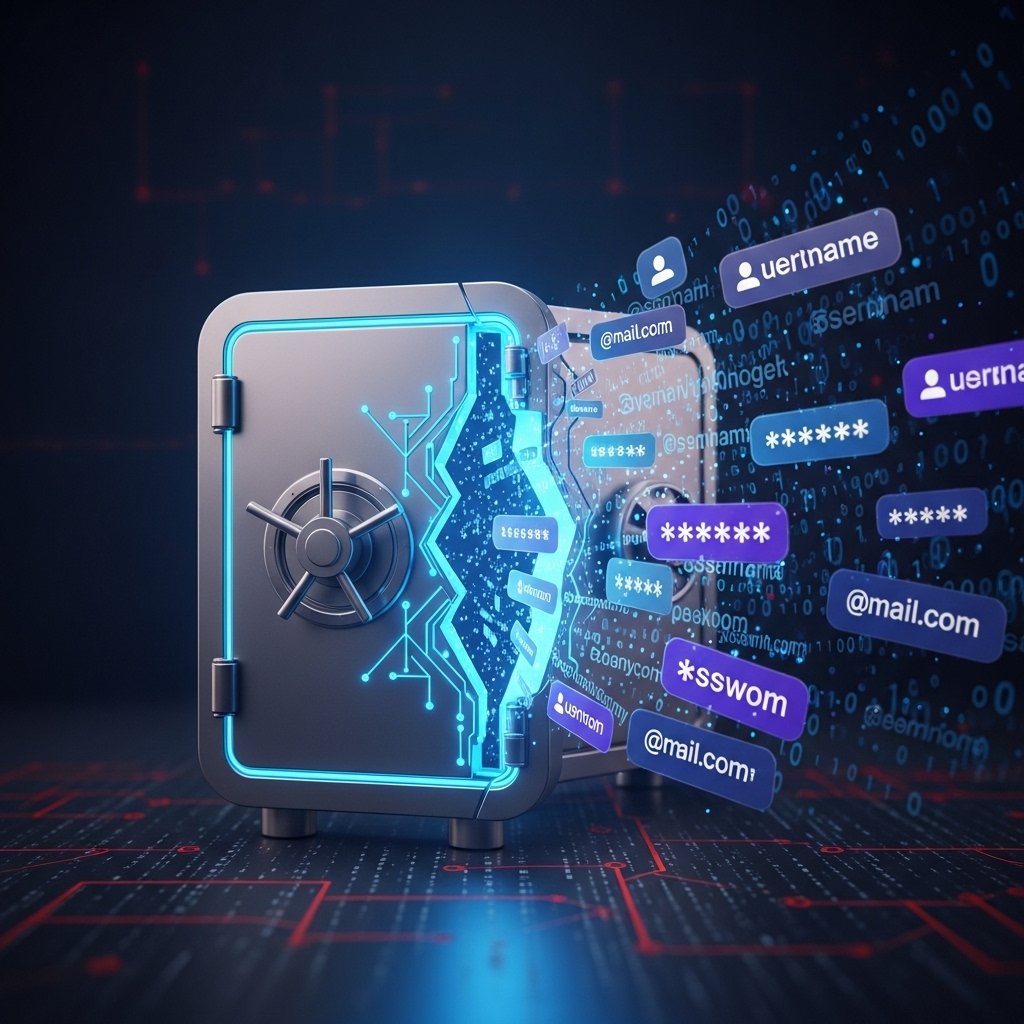
Hackers normally seek login information, financial information, or stored passwords. Even access to social media can be abused. Your stolen data can be abused many years after you have left. It is always harder to recover than to prevent.
VPNs Add a Strong Layer of Protection

A Virtual Private Network is an encrypted network. Your data is also secure even when utilizing unsafe Wi-Fi. VPNs come in handy, particularly when travelling. To a considerable extent, they decrease vulnerability to assaults.
Avoid Financial Transactions on Public Wi-Fi
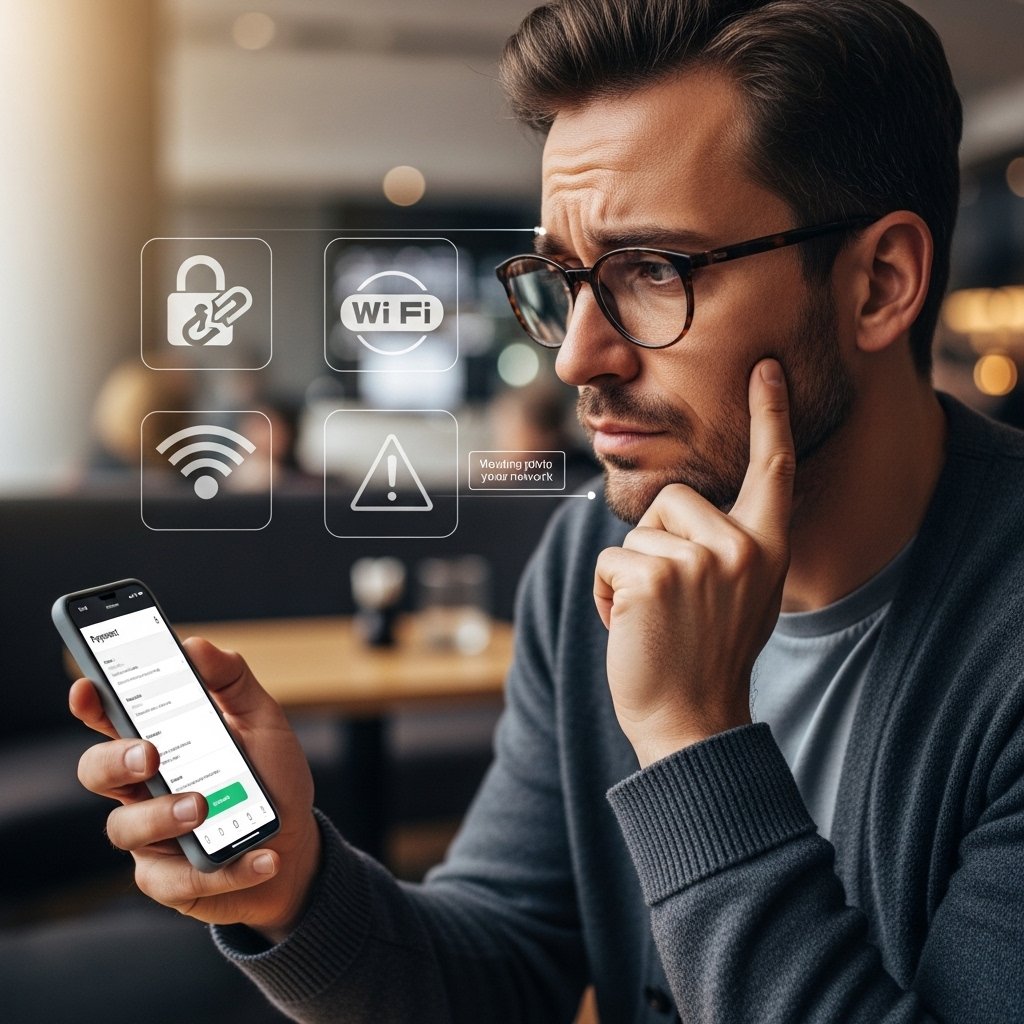
It should avoid online banking, online shopping and online payment applications. These are activities that involve delicate credentials. Risk is reduced by waiting to have a secure network. These are things that mobile data is generally more secure for doing.
Software Updates Should Be Delayed
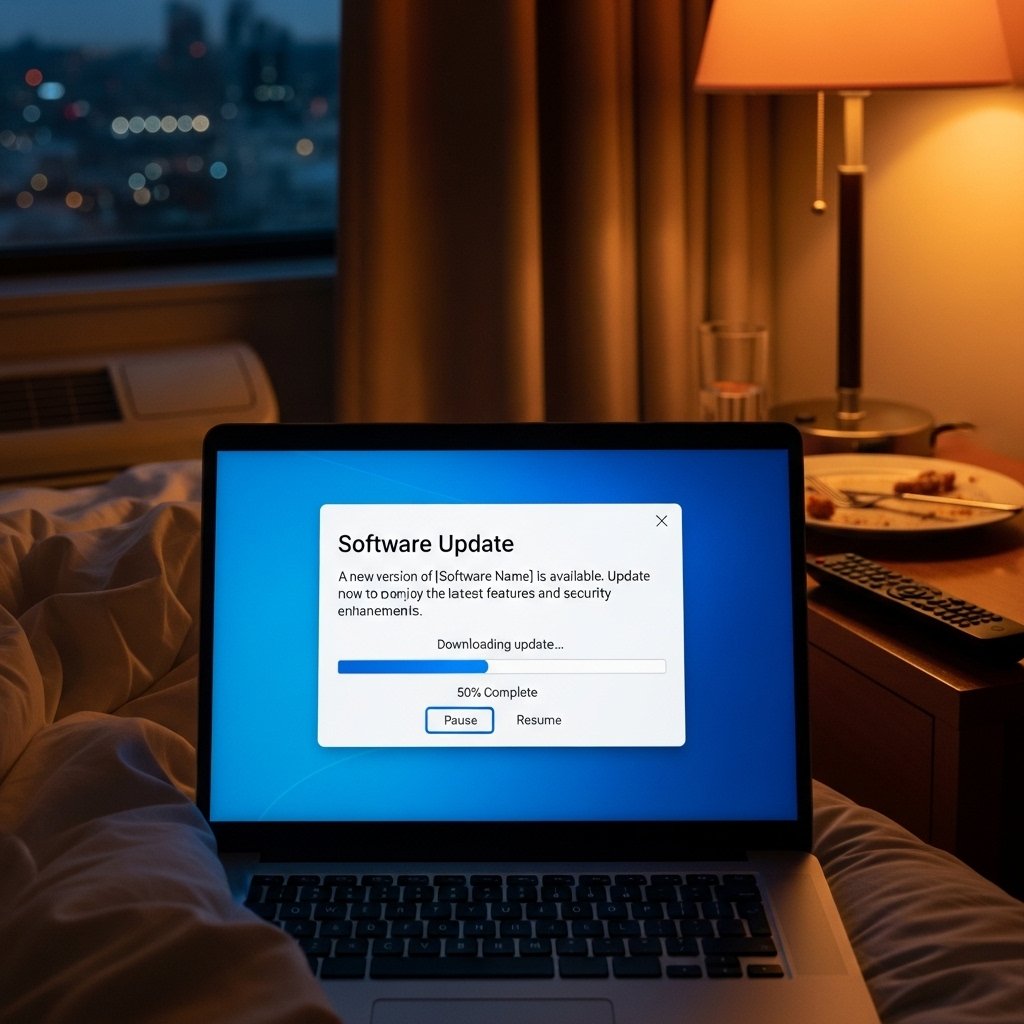
Software update on hotel Wi-Fi can be a vulnerability. There can also be problems with interrupted updates. It is safer to update through the trusted networks. System changes do not go well with public Wi-Fi.
Device Firewalls Offer Extra Defense
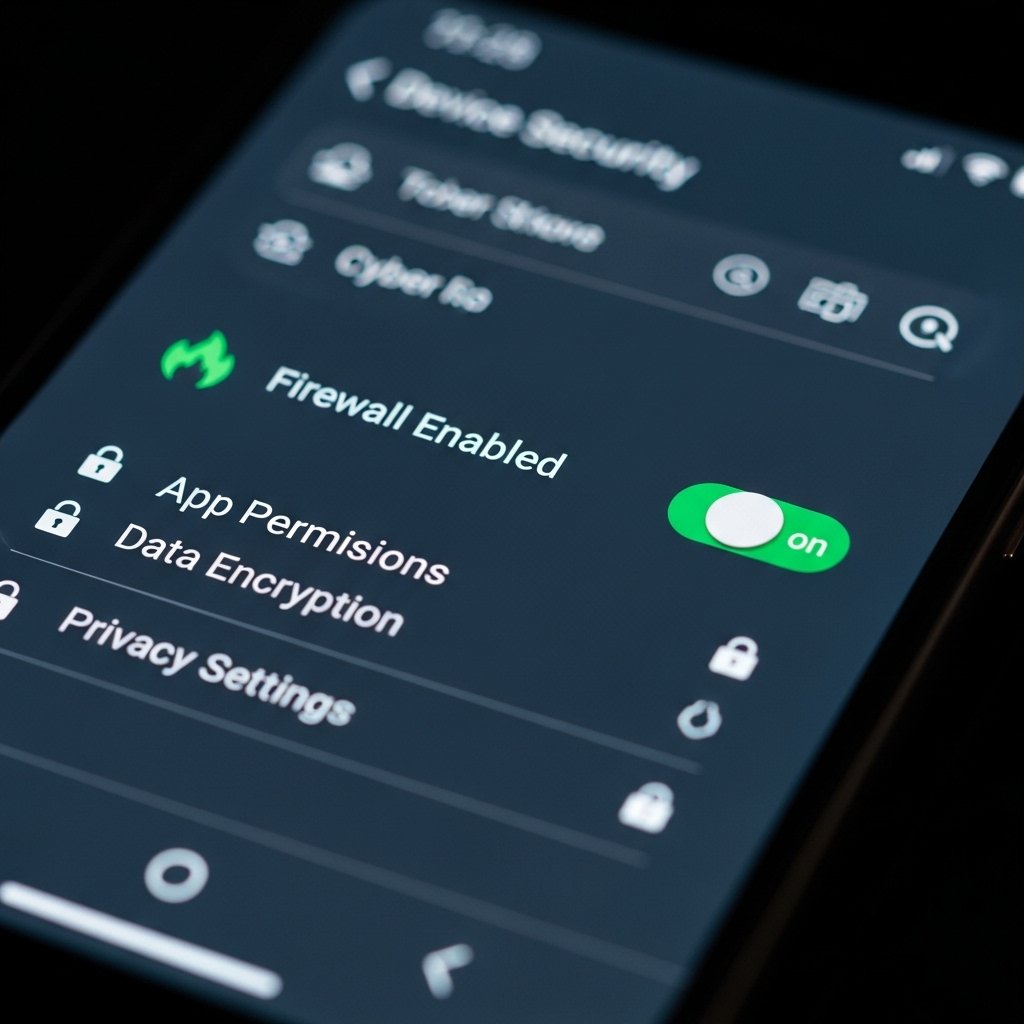
Firewalls are used to prevent unwarranted access. There are numerous devices which have integrated options that are not enabled by default. This protection is achieved by enabling them. This minor move enhances global security.
Logging Out Matters More Than You Think

Logging into accounts takes more time. Potential damage is minimized by logging out once they are used. This is particularly critical on common computers or networks. Short sessions reduce risk.
Hotels Focus on Convenience, Not Security
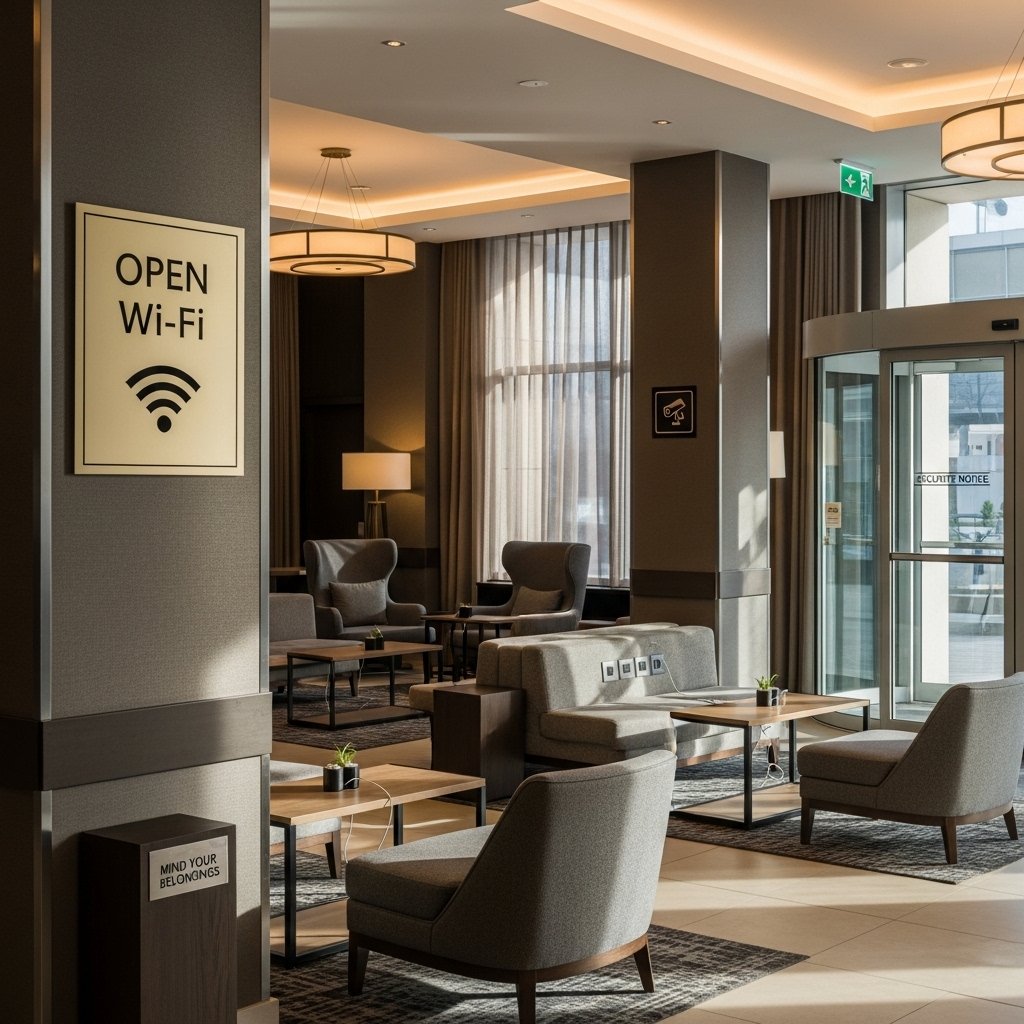
Hotel Wi-Fi is not advanced protection; it is easy to use. Investments in security are diverse. The guests are supposed to take care of themselves in terms of safety. You need to know your own strength.
