
In recent days, Microsoft has also issued a fresh warning concerning Windows 11, and this time, users are actually pausing to listen. It is important to note that, unlike routine update messages that are typically sidelined, this message puts a finger on greater issues of system performance, security, and long-term support. With the increasing number of individuals using Windows in their work, communication, and personal information, even minor notifications are more pressing. The message is not merely about a single bug but is indicative of a larger sort of change in the way that Microsoft would like people to interact with their equipment. And to most, it begs the question of what is next.
What the Warning Is About
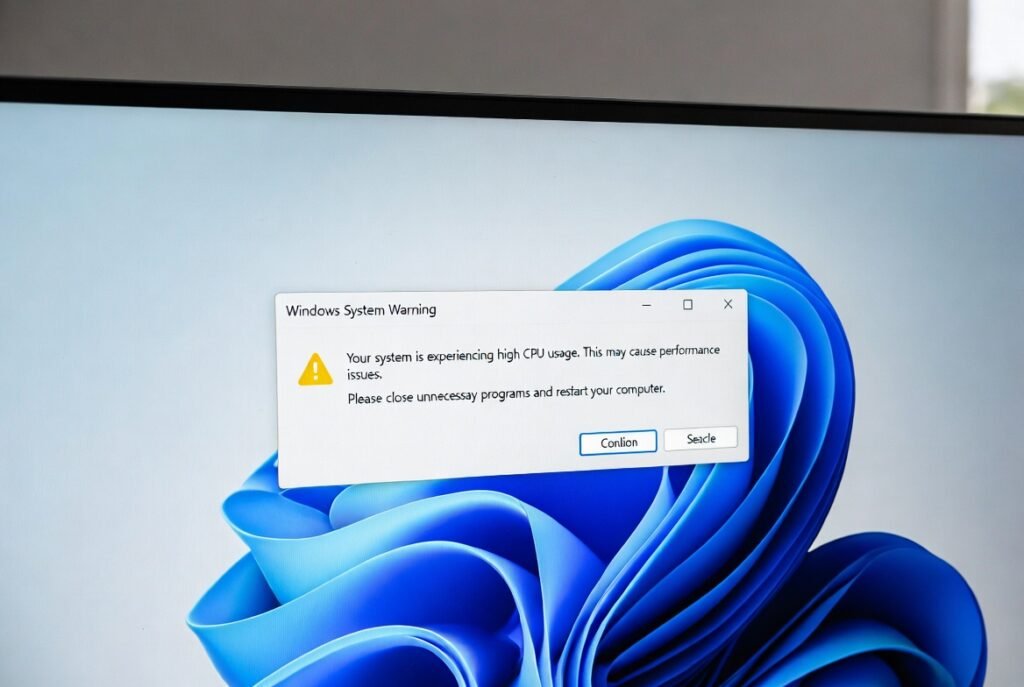
In essence, Microsoft’s message emphasizes the possible threats related to out of date structures, hardware, and the tardiness of their updates. Users who install Windows 11 on a device that does not completely meet the necessities of the system are being constantly reminded that the overall performance and safety can be impaired. This is not a policy shift but it is the description that has changed. The message that Microsoft is sending is that there could be less stability in the long run due to compatibility challenges.
Why Microsoft Is Being More Direct
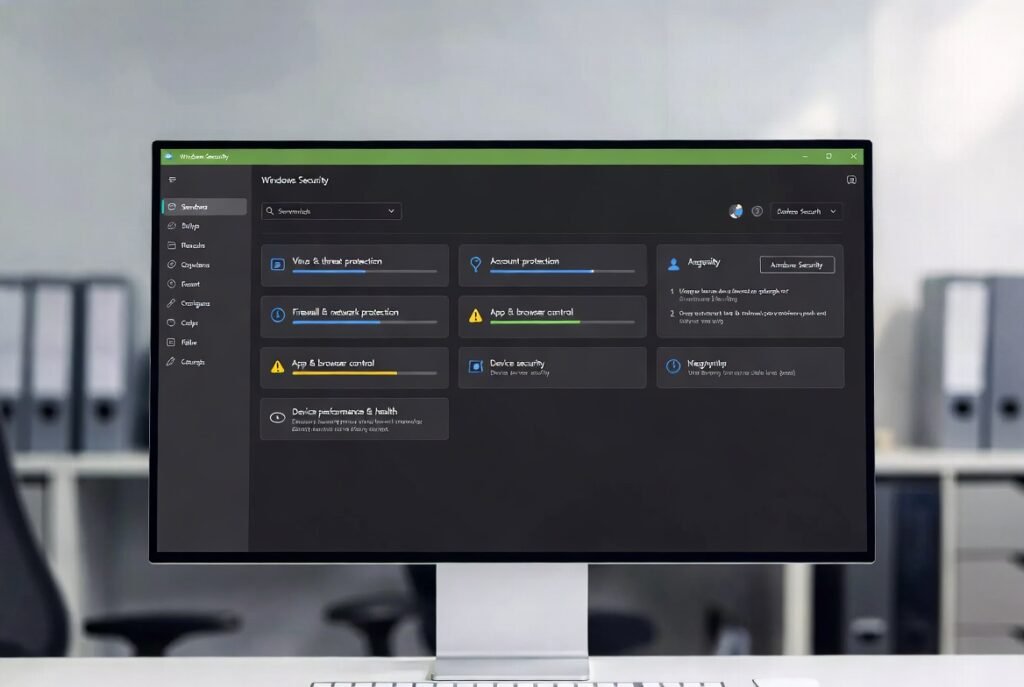
Previously, system warnings were very easy to ignore. Microsoft seems to have taken longer-term reliability and security standards into higher consideration at present. Supported systems are the weak links, with the cyber threat being advanced. Microsoft is making attempts at minimizing fragmentation among its user base by pressing the harder buttons. A less varied ecosystem is easier to update, fix, and provide security patches.
How Users Are Responding

This is unlike the past alerts because there are debates on the internet. This has frustrated some of the users, particularly those who have older yet working hardware. Others enjoy the openness, as it is a push towards safer computing. The caution has compelled most people to reconsider the value of keeping the old gadgets, and the cost is worth it. Once, the message is not being swept aside.
The Hardware Compatibility Issue
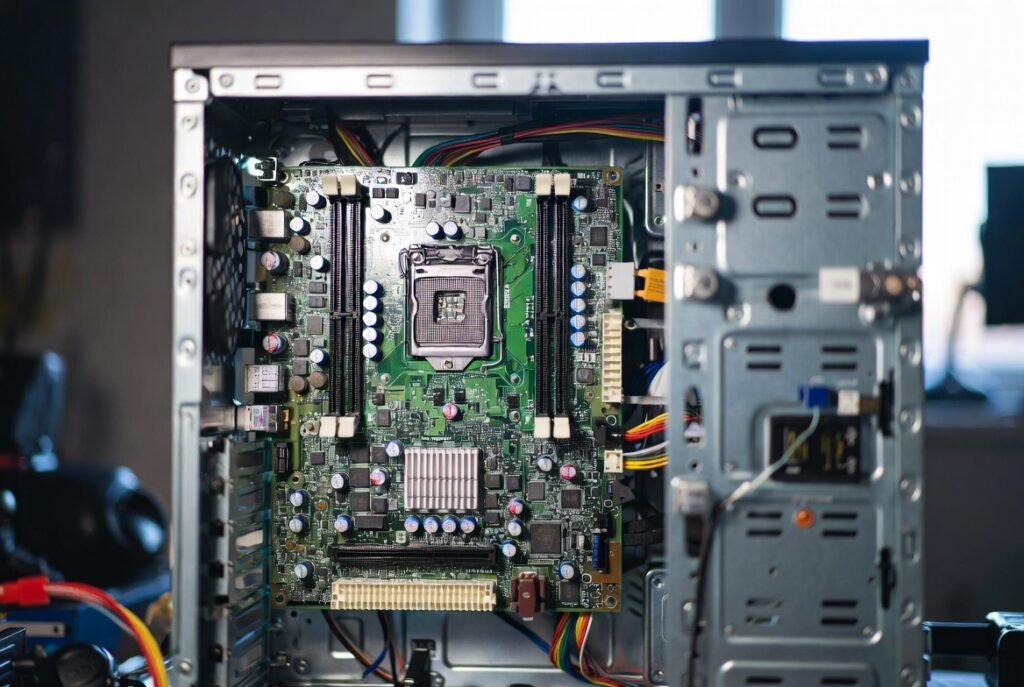
The other largest source of contention is the hardware requirements, such as TPM support and newer processors. Most of the users also believe they can do more with their machines despite failing to perform well on paper. Microsoft, on the other hand is focusing on security architecture rather than flexibility. This caution supports that position, and it is therefore obvious that unsupported setups might not be limited in the future.
Security Concerns Behind the Message
The actual motive here is security. Unsupported systems are also easier to exploit, particularly as attackers focus on popular operating systems. The caution by Microsoft is rather proactive- it is advisory to keep up with the latest before something goes wrong. It is a less critical threat and more of avoiding exposure in the long term.
Impact on Casual and Power Users

To the general user, the warning can just create an update or a settings verification. For users and professionals with power, system upgrades and hardware investments become more complex. The unsupported environments are raising concerns because they may lead to compliance and security risk by businesses, especially. The warning is only a reminder and not an ultimatum.
What Users Can Do Next
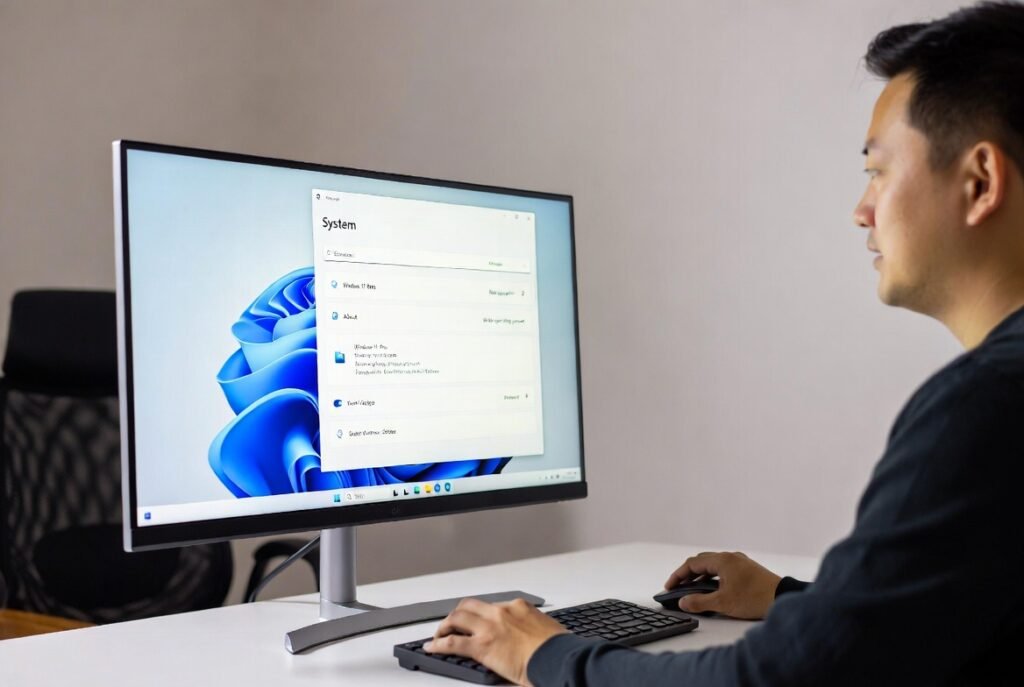
Users are not being coerced to take action at this point, but disregarding the warning is not the best thing to do. The most intelligent things to do are checking the compatibility of the system, maintaining the updates and learning the long-term support advantages. To those that cannot afford hardware upgrades at the current time, it is better to be aware of the limitations in order to tame the expectations. The impression that Microsoft is promoting is making informed choices and not panicking.
A Sign of Things to Come
This caution may be an indication of a larger tendency in the way Microsoft interacts with users. More articulate, more definite messages and a greater emphasis on security will likely be the norm. The relation between users and software providers is changing with the change of the operating systems. This warning can become one of the initial indications of such a change.
