
The identity discussion has been moving in the right direction in the last several years. What seemed personal or private now appears in public places such as places of work, in schools and colleges, the media, and on the internet. The issue of identity is no longer considered fixed or one-dimensional. Rather, it is more and more realized to be stratified, being shaped by experience, environment, and time. These are not accidental changes that have taken place, but show deeper cultural shifts.
Identity Is Seen as More Fluid Than Before

Previously, identity used to be determined by some factors that were stable, like background, profession or community. In the current society, identity is perceived by many as developing in various lifestyles. People see themselves as affected by experiences, relationships, and the evolving social roles. Such versatility has created an open-door policy to more free and continuous discussion.
Global Exposure Has Changed Perspective

Online connectivity has made individuals subject to cultures and perspectives that are much more distant than the surrounding realities. The observation of how identity is talked of and experienced in other places dispels long-held assumptions. This internationalisation promotes the comparative and the reflective. Perspectives broaden, and consequently, talks get complicated.
Younger Voices Are Reshaping the Narrative

The younger generations are more inclined to challenge inherited definitions instead of taking them as they are. They take identity with an open mind and not doggedly. This does not necessarily imply the denial of tradition, but it implies the reinterpretation of the tradition. The tone of identity discussions is changing as these voices gain more and more power.
Workplaces Are Part of the Conversation

Workspaces are no longer the place of identity neutrality. Employers have been becoming more aware of the fact that individuals come with their values, backgrounds, and experiences to work. The topics of belonging, inclusion, and representation have entered the organizational culture. This has brought identity a feasible subject rather than an individual one.
Language Is Evolving Alongside Culture

Language evolves as comprehension increases. New terms and expressions are created to refer to experiences that were not named or even ignored. This may seem foreign, but there is a need to be clear and respected. The discourse of identity is created by language.
Media Representation Has Expanded
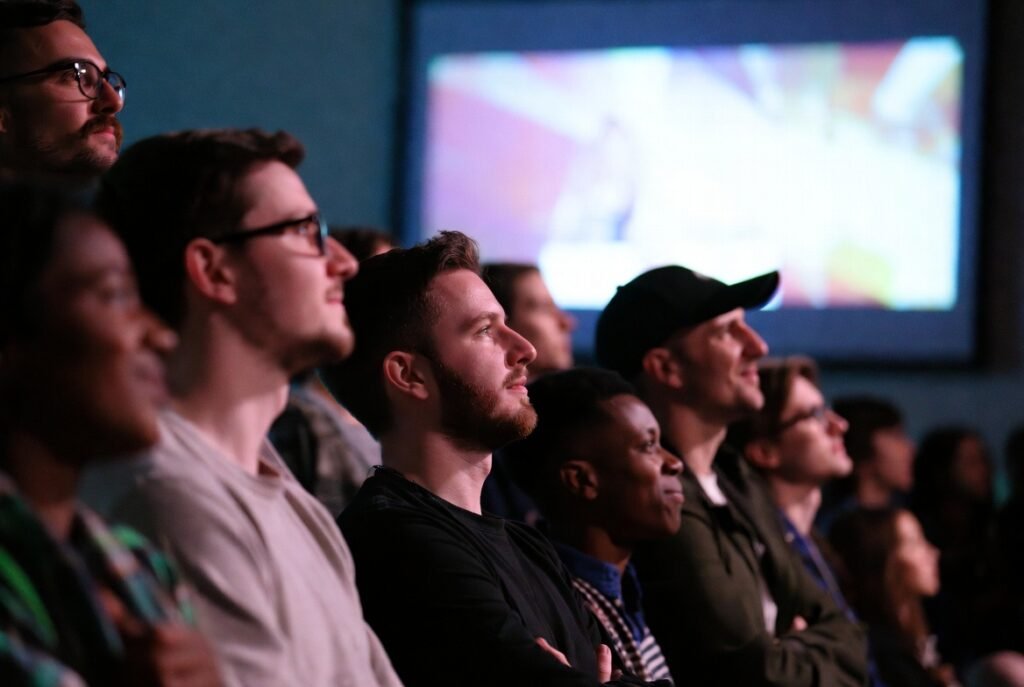
The cultural discussions are largely influenced by the media. The wider representation in films, television, and digital materials has introduced more identities in the open. The exposure to various stories assists in making visible previously invisible stories. The way society discusses the concept of identity is affected by representation.
History Is Being Revisited

Lots of identity discussions include a redefinition of history. Societies are doubting about the narratives that were stressed and the ones that were left behind. This process introduces new visions into the future and transforms the general knowledge. The interpretation of history has a direct influence on contemporary identity discourses.
Belonging Has Become Central
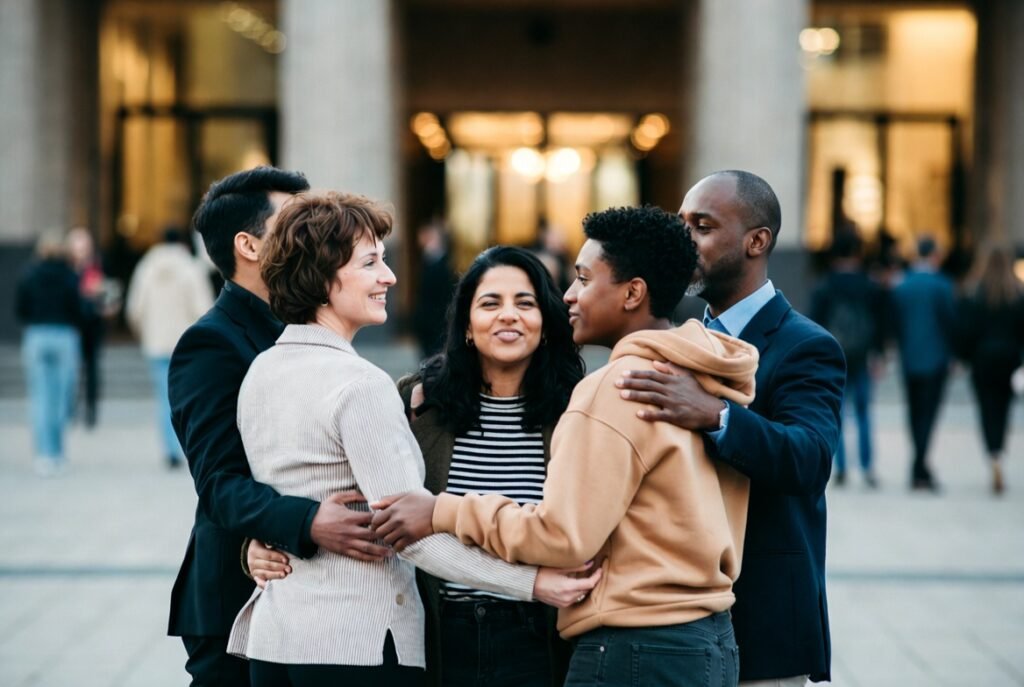
In the contemporary discourse, labels are not of much importance but rather of belonging. Human beings desire to feel recognized and appreciated. The use of identity has more to do with the expression of experience instead of defining boundaries. This change of heart has diffused some debates and exacerbated others.
Why This Shift Matters

The changing discourse of identity has an impact on culture, policy, and daily interactions. They influence the way communities establish a sense of fairness, respect, and inclusion. The reason why such discussions are altered can help to minimize misunderstanding. Consciousness provides space to think more carefully.
