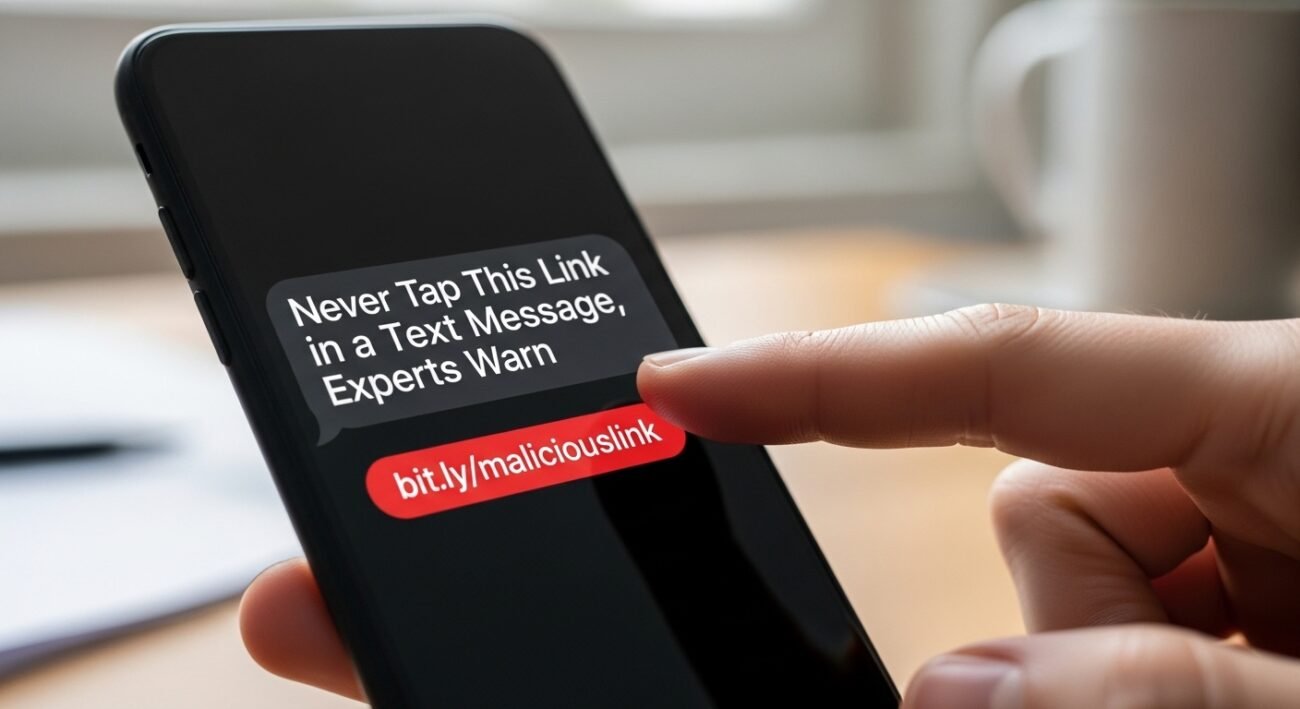
One tap might reveal secrets, empty wallets, or unlock risks on your device. Experts keep pointing fingers at innocent-looking SMS links – they seem safe, yet designed to play on timing, trust, and daily routines.
Links That Create a Sense of Urgency

When someone says your account is locked, a delivery failed, or payment is overdue – those aren’t help, they’re alarms. Pressure to act fast tricks victims into rushing without questioning, feeding right into how scammers operate.
Messages Pretending to Be From Known Companies
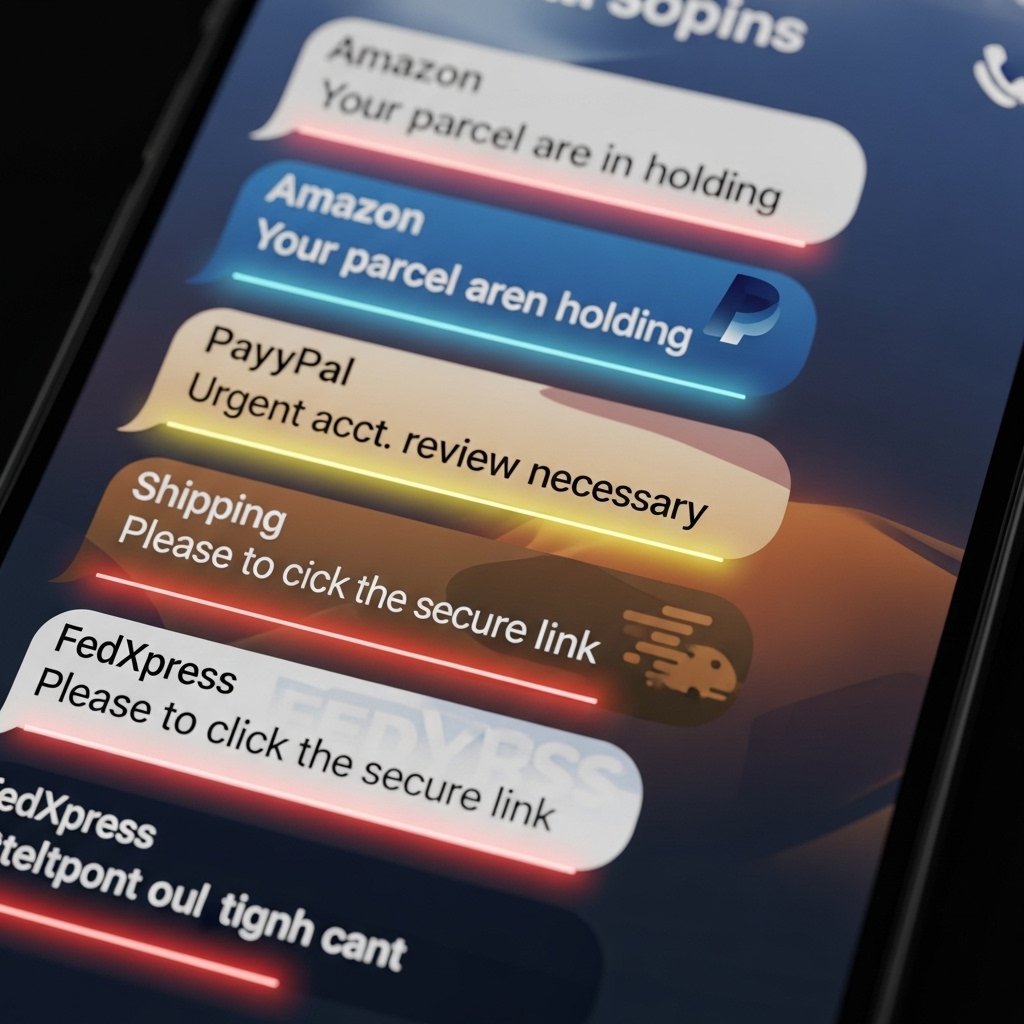
Odd messages usually pretend to be banks, couriers, or bill providers. Though they sound right at first, tiny shifts – in wording, grammar, or delay – give them away. Legit firms rarely demand personal info through mobile alerts.
Shortened or Odd-Looking URLs
A shortened or nearly misspelled link can be risky. Often, these point to counterfeit sites that steal login details, credit card info, or private data – quietly, without warning.
Requests for Personal or Login Information
When a message asks you to verify passwords or codes by clicking a link, it might not be safe. Real companies do not ask people to share personal details this way. Such requests often come without warning.
Messages You Weren’t Expecting
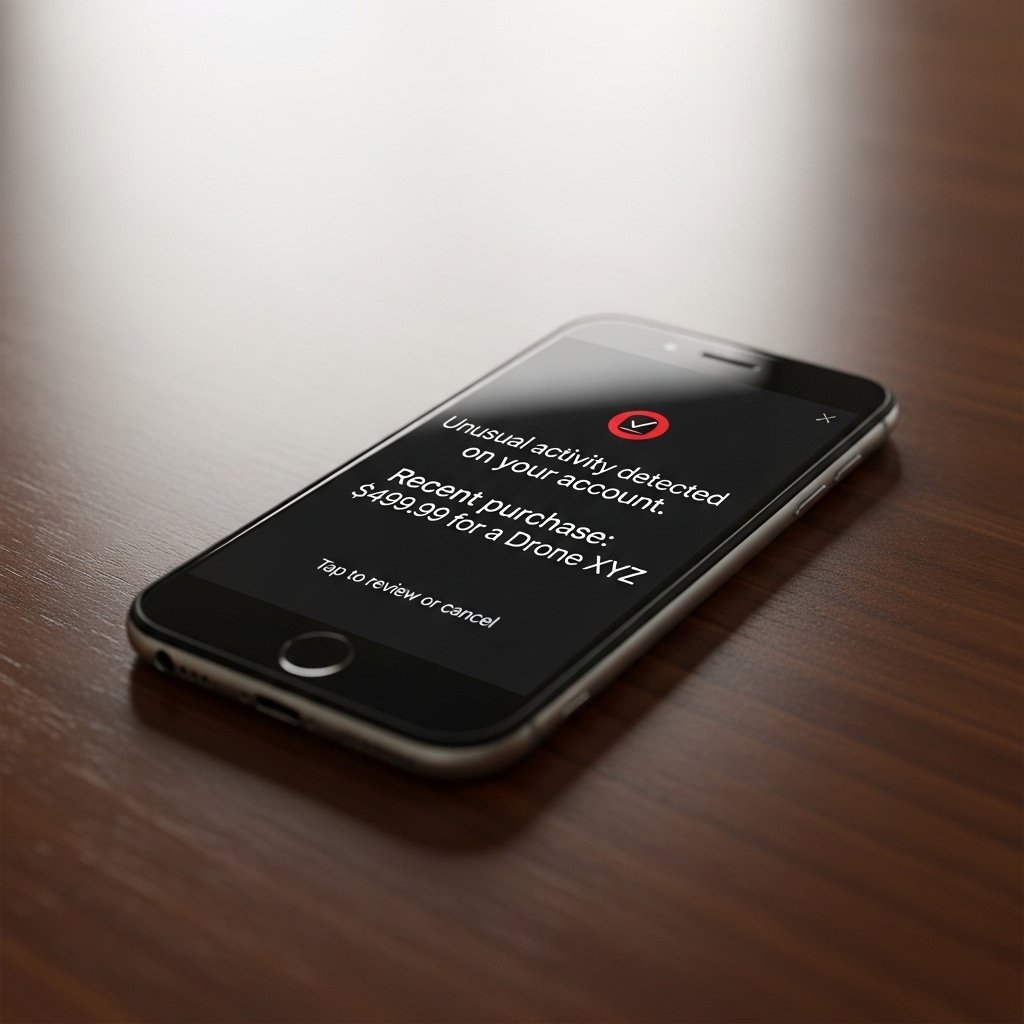
A message about buying, receiving, or getting help might still catch you off guard. Most phishing attempts go out in bulk, counting on just a few to respond.
Fake Rewards, Refunds, or Prizes

Fake offers – refunds, gift cards, prizes – pop up everywhere. When something says “free” or “limited offer,” people tend to relax, skip checks, then click too fast.
Links That Lead to Look-Alike Websites
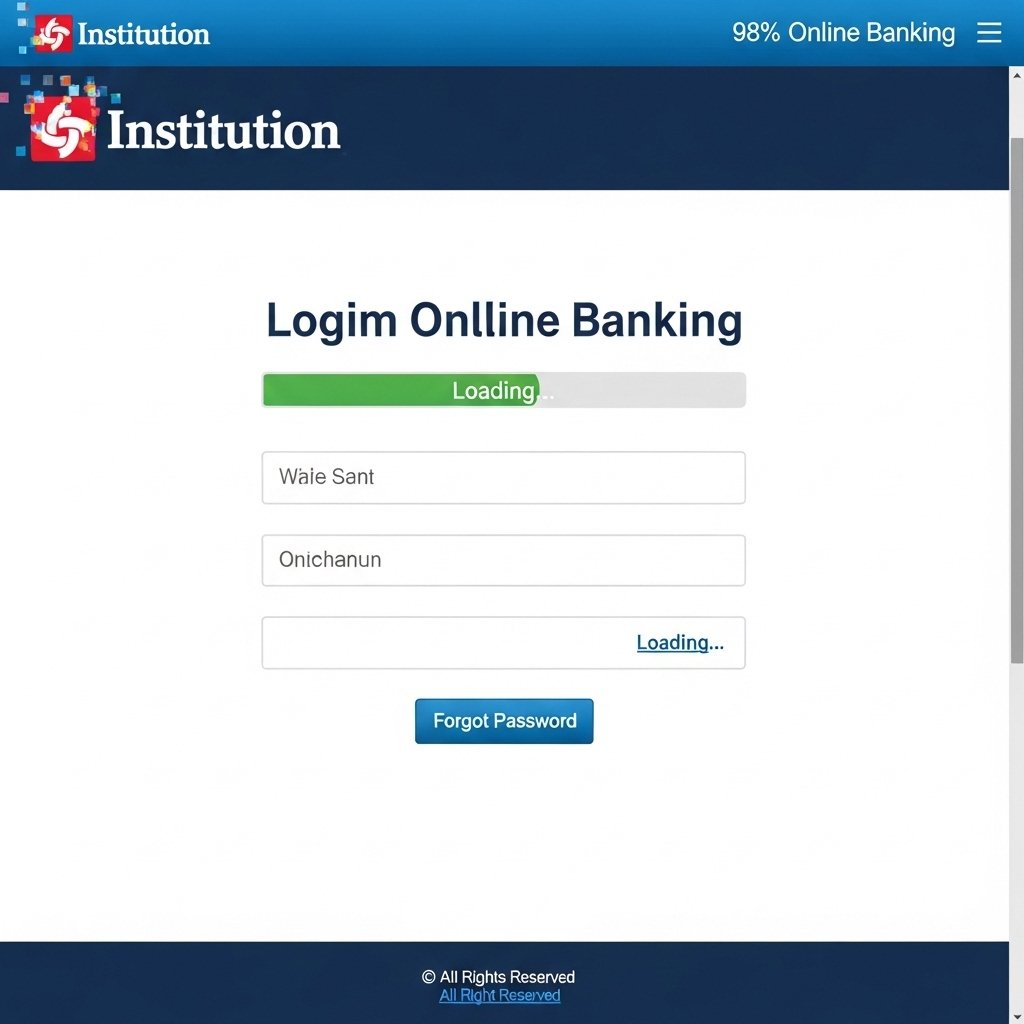
Scammers build fake sites that look almost like the originals – same shades, symbols, structure. What keeps you hooked? Waiting till you type in details, then stepping in. Realization comes too late.
Why Experts Say “Don’t Tap at All”

Opening shady messages might let hackers follow your steps or sneak nasty software onto the phone. When weird messages show up, tossing them right away helps keep things safe. Logging into online services ought to happen by visiting trusted sites – never tapping links sent by strangers.
