
The PlayStation 5, which debuted five years after its release, is a clear indication of what console gaming looks like these days. It marches in with fast loading, sleek visuals and a polished ecosystem that many gamers have come to take for granted. Simultaneously, the system is showing a glimpse of becoming creatively and technically stagnant. Major releases come around, leaps in hardware appear incremental, and innovation occurs more slowly than we expect. The PS5 era is a time of balance and restraint. It is a testament to how far console gaming has come, and a reminder of the difficult business considering anything that strays from the formula in an industry as mature, high-cost as this one.
Visual Fidelity as the Baseline

The PS5 made high-resolution visuals and a solid frame rate feel routine. Now, thanks to a progression of detailed environments, smoother frame rates and advanced lighting, it’s just something you expect rather than an impressive selling point on new releases across all major platforms.
Speed Changed Player Patience

Ultra high-speed storage resulted in dramatically faster load screens. That changed player behaviour, turning long waits from boring to unacceptable and urging game creators to build worlds that feel more easily traversed, more responsive and ultimately open for business most times you log in.
DualSense Redefined Interaction

The DualSense controller brought adaptive triggers and enhanced haptics with it. Though not all games take full advantage of it, it opened up new ways for physical feedback to feed into immersion and to quietly tell you about tension, resistance, and environmental detail.
First-Party Consistency Over Risk

Sony’s biggest studios produced technically polished, story-driven games. These were workmanlike, well-crafted titles, yet all too often adhering to recognisable formulas and playing it relatively safe rather than trying anything risk-taking or innovative.
Cross-Generation Design Limits Growth
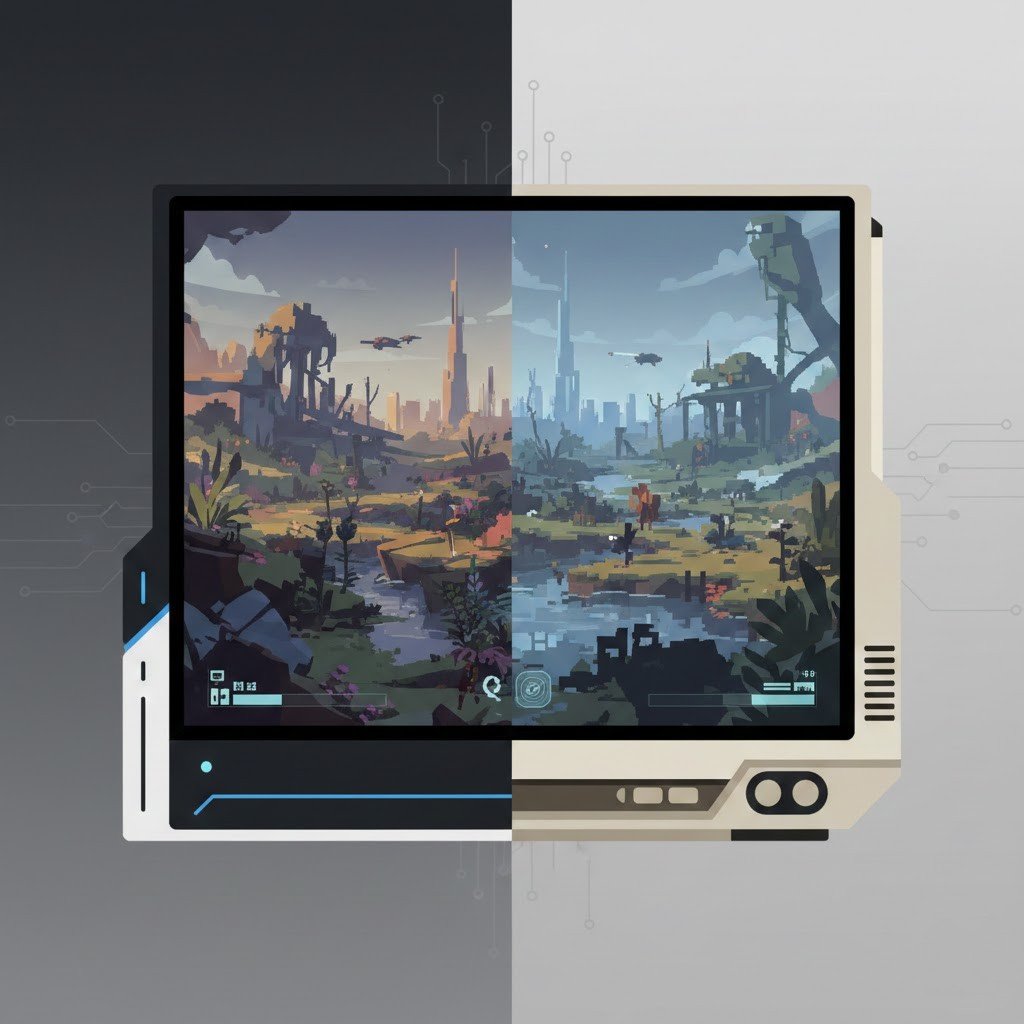
Support for earlier consoles ensured wider access but constrained ambition. Many games were designed to scale rather than specialise, preventing the PS5 hardware from being pushed as aggressively as its specifications suggested.
Rising Budgets Slowed Innovation

Game development costs increased significantly during the PS5 era. Larger teams and longer timelines made studios cautious, prioritising predictable returns instead of smaller, inventive projects that once defined console transitions.
Services Became Central, Not Secondary

Subscriptions and digital libraries gained importance alongside physical releases. These services offered value and convenience, but also encouraged safer content strategies, as platforms focused on retention and steady engagement.
Third-Party Parity Reduced Distinction

Many third-party games played similarly across platforms. This technical parity reduced the sense of console identity, making exclusive experiences more important but also more difficult to justify at increasing development costs.
Hardware Power Met Practical Ceilings

While powerful, the PS5 encountered real-world limits. Heat, energy efficiency, and development tools shaped how much of the system’s potential could be used consistently over long production cycles.
Player Expectations Reached Stability

Players now expect polished performance at launch. Tolerance for technical issues declined, raising standards but also narrowing creative flexibility, as studios focused on reliability rather than experimental mechanics.
