
The streets of South America experience musical expressions which people use for their private listening moments. The colorful hills of Valparaíso and the busy streets of Buenos Aires, bring forth musical sounds which express the cultural background of the continent through its three Indigenous African and European cultural elements, which merge.
A Cultural Melting Pot

South American street music exists as a beautiful history based “blend” because it unites three musical traditions from different cultural backgrounds. The Indigenous flutes produce haunting sounds which combine with African enslaved people drum patterns and European settlers’ string instruments and poetic lyrics. This mixture created entirely new sounds that exist nowhere else in the world.
Samba: The Pulse of Brazil
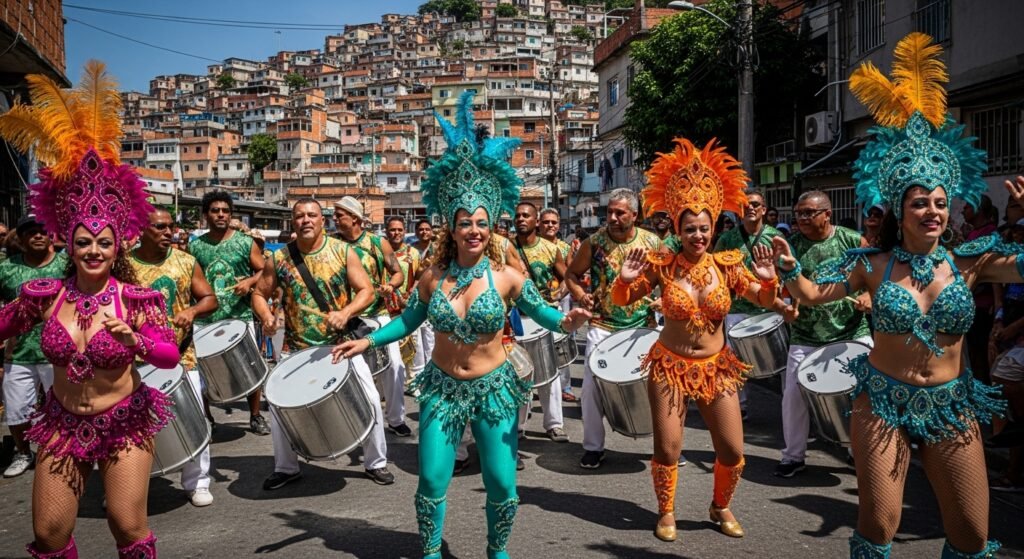
The people of “Rio de Janeiro” make Samba their official street sound, the music style originated in the working-class neighborhoods known as favelas because it uses heavy percussion to create an infectious beach rhythm that invites everyone to dance.
Tango: The Soul of the Sidewalk

In Argentina and Uruguay, the streets often echo with the melancholic sound of the accordion-like bandoneón, the evolution of Tango music from Buenos Aires port-side neighborhoods created its modern street performance style. Street performers continue to dance at public corners, displaying the passionate and dramatic moves that define this global dance style.
The Rhythm of the People
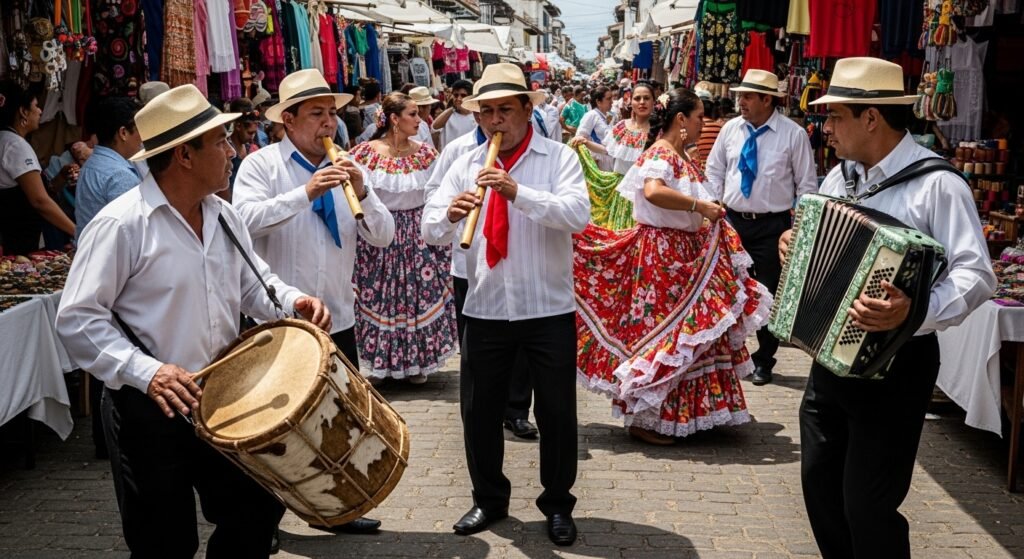
Cumbia originated in Colombia before spreading to multiple regions throughout the entire continent. The traditional music style uses drums and flutes but musicians now play accordion instruments. The “universal” street music of South America plays at every outdoor party and market from the Caribbean to the Chilean mountains.
Andean Melodies and Panpipes
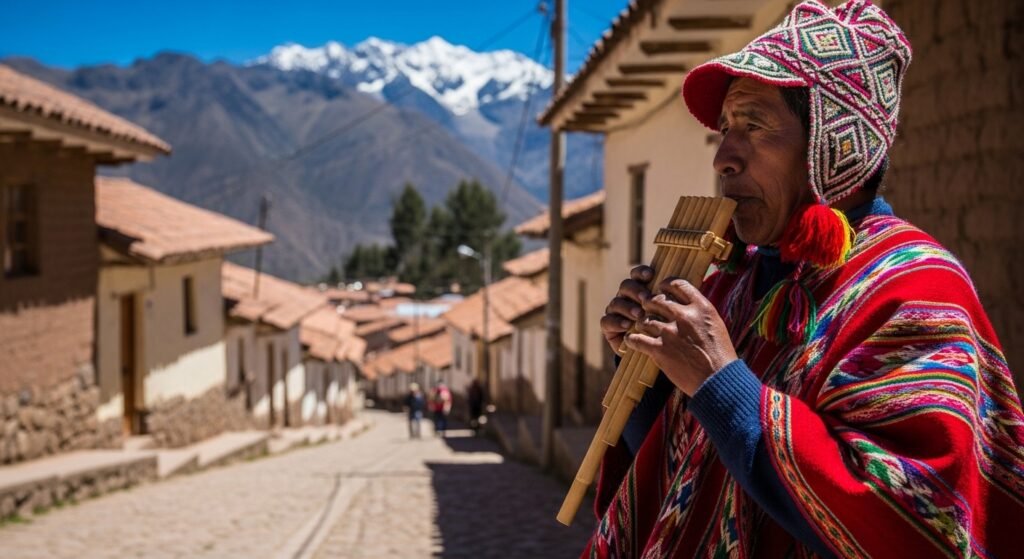
The high-altitude cities of Peru, Bolivia, and Ecuador present street music with a special light musical characteristic, musicians often play the “zampoña” (panpipes) and the “quena” (flute). The musical instruments create sound patterns that represent the Andean Mountain Range which people have used for spiritual and community connections throughout history.
Public Spaces as Stages

In South America, public spaces serve as musical performance locations which people use for musical expression. The public spaces which include plazas and parks and public buses all function as performance spaces. The town square often becomes a dance party location because a band sets up their instruments to start the music.
Vallenato and the Storytelling Accordion
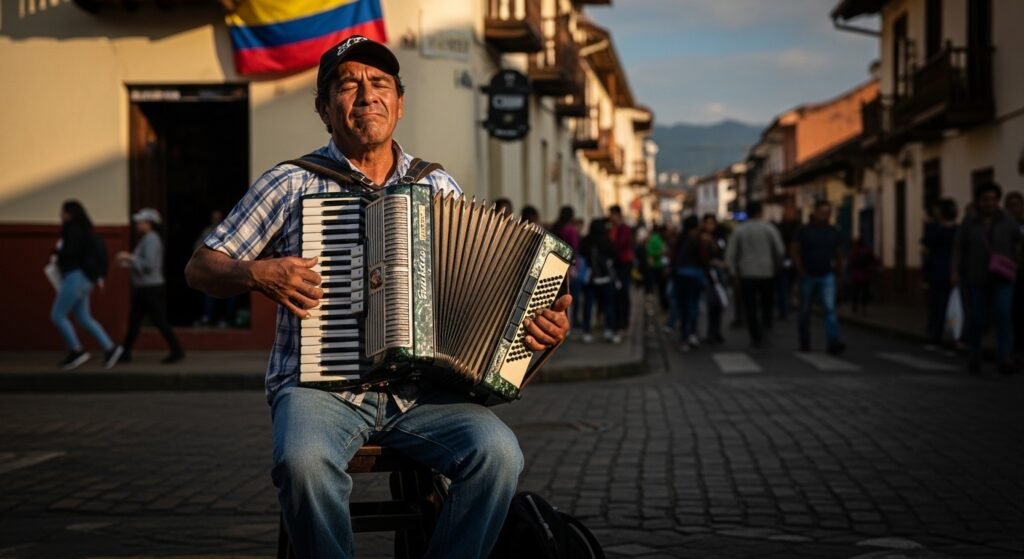
Colombian streets play Vallenato music, which comes from all shops and open windows. The music style uses accordion instruments to create its distinctive storytelling character. The local people use songs which tell their daily stories about lost love and local news and funny things to make a “musical newspaper” for the community.
The Role of Festivals
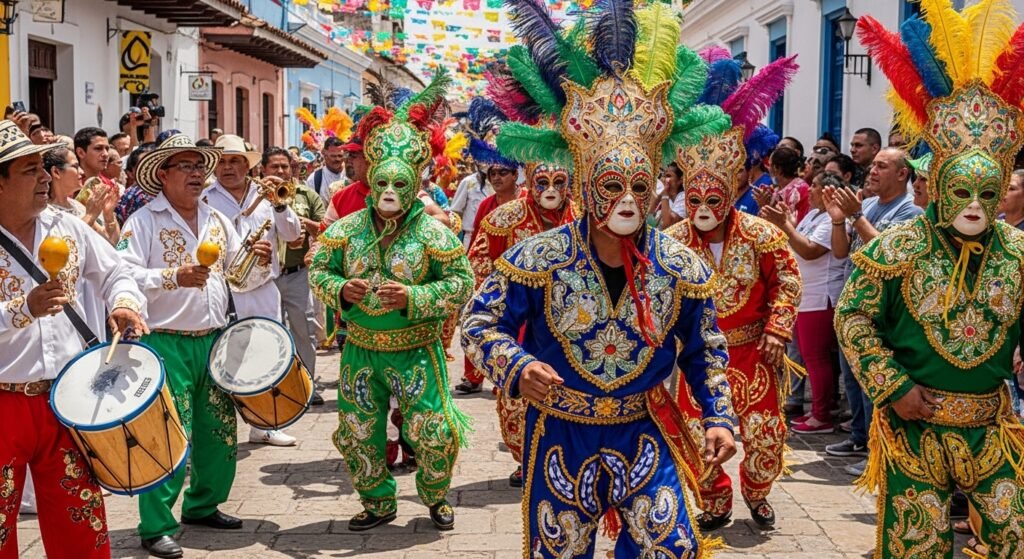
Local festivals bring people together for their highest musical experience. The Carnival of Barranquilla and Inti Raymi events serve as public festivals which unite the community through their performances. During this time, the “street” transforms into a sound museum which presents past traditions through the performances of modern artists.
Instruments Made from Nature

The traditional street musical instruments people use get constructed with materials which exist in their surrounding environment. The traditional instrument “charango” originated from armadillo shells, while the musical shakers are created from dried gourds and seeds. The music achieves an authentic sound quality which connects to the land through its earthy musical style.
