
The tradition of gift-giving in America has advanced into a complicated practice which enables people to express their beliefs through their selected gifts. As people begin to understand the negative effects of excessive belongings and environmental damage and the value of living through experiences, they now select gifts which hold greater significance beyond standard store-bought toys and gadgets.
The Shift Toward “Experience” Gifts

People are now more interested in creating memories than acquiring physical possessions and Americans prefer to give concert tickets and cooking classes and spa days instead of physical items which could remain unused in their homes. People choose this method to minimize their belongings while they establish permanent emotional bonds with others.
The Rise of the “Digital” Gift

People now can give gifts immediately. People now give streaming service subscriptions which last for a year and provide access to internet movies and audiobooks and virtual currency used in video games. This system allows people to send gifts across long distances which will arrive within seconds without requiring any shipping or box materials.
Prioritizing “Consumable” Gifts
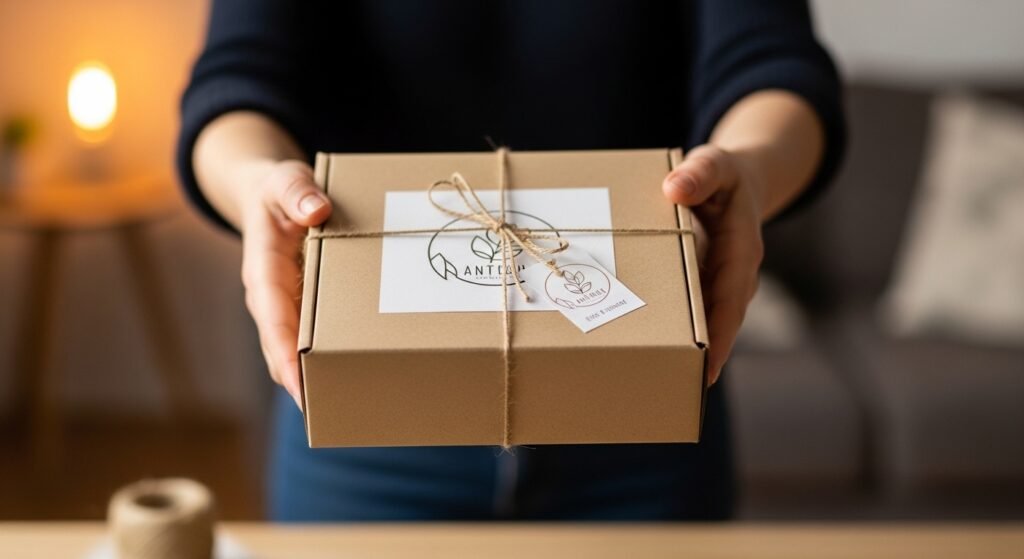
Many people who give gifts choose items which friends can consume because they want to help their friends avoid getting extra things for their homes. High-quality coffee beans and artisanal chocolates and a bottle of specialized olive oil make excellent gifts because they provide luxury without occupying long-term space in the recipient’s residence.
Charitable Gifting and Donations

More people now choose to donate money to non-profit organizations which will honor the recipient as their gift. People from younger generations prefer to spend their holiday or birthday money on social causes which will protect the environment or save animals.
The Popularity of the “Wish List”

People now prefer efficiency over surprise because it brings them better results. Families now choose to create digital registries or shared spreadsheets to show their precise requirements. This system prevents wasteful spending on items which the recipient does not need while making sure that they receive something which has real worth to them.
Cash and Gift Cards Are No Longer Taboo

People now consider cash and “universal” gift cards to be valuable gifts which show respect and practical value. People now consider it a kind and helpful action to give someone money for grocery shopping or specific bill payment during inflationary periods.
Handmade and Artisanal Focus

People now value the “human touch” more than before. People now support small businesses and local makers to find unique handmade items which they can purchase at craft fairs and online marketplaces that specialize in handmade goods.
Subscription Box Culture
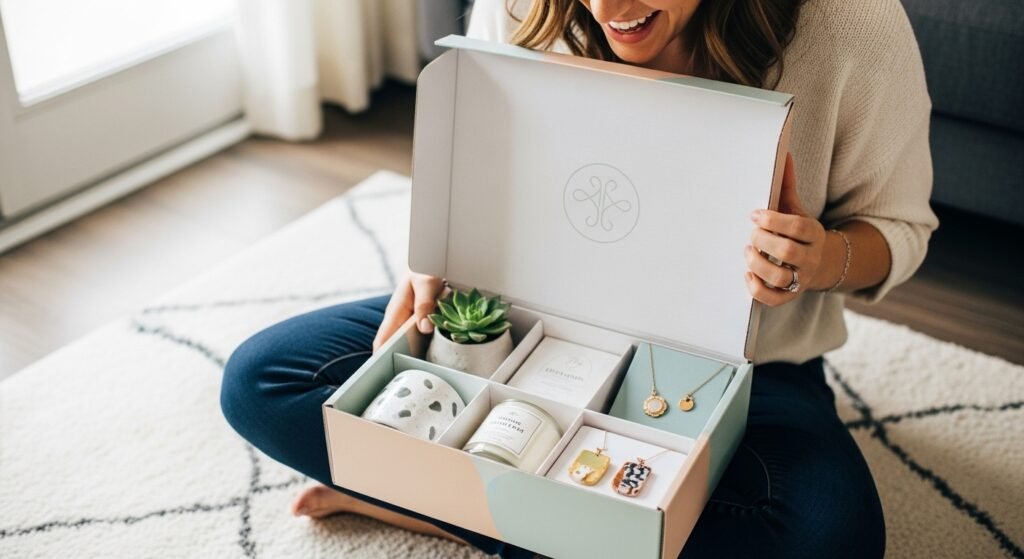
Gifting has changed from being a single-time event into an ongoing sequence of unexpected gifts. Subscription boxes which deliver snacks and wines and plants and books provide ongoing enjoyment to recipients for months after their initial delivery.
The “Regifting” Normalization

People now feel better about regifting because the old social stigma has decreased. The public now accepts people who share their unused high-quality items with someone who needs them because they function as part of the circular economy. People view this practice as a waste reduction method which helps the environment instead of a social mistake.
Quality Over Quantity

Americans now prefer to practice “group gifting” instead of acquiring multiple inexpensive items which can be easily obtained. People who know the recipient well choose to combine their money to purchase one high-value item which the recipient has wanted for a long time. This choice demonstrates the value of permanent products over temporary new items.
