
The consumers encounter difficulties because a major technology corporation generates profits from their users while distributing content that leads to user harm. The problem with Meta’s scam advertising system arises from its business motivation, automated technology, and the extensive reach of digital networks. The company displays its dedication to fraud prevention, yet the ongoing existence of these advertisements indicates that the existing measures fail to protect multiple customers.
The Scale of the Problem

Meta serves ads to users around the globe through its platform from multiple billion ad impressions every single day. The extensive amount of content makes it unfeasible for personnel to inspect each advertisement before its scheduled publication. The criminals exploit this situation by submitting numerous variations of their advertisements since they understand that multiple advertisements will not be detected.
Automated Approval Systems

Meta uses Artificial Intelligence for ad approval processes which allows the company to maintain its operational speed. The AI systems will identify “obvious” violations, yet the fraudulent actors have developed skills to conduct “cloaking” operations. The criminals show the AI a t-shirt advertisement which complies with all legal requirements, yet they alter the link to direct users to a deceptive investment platform after approval.
Deepfake Technology

Recent fraud schemes have started to use artificial intelligence technologies that create video content featuring famous people and news presenters. The fraudulent activities use digital deepfakes to create the impression of authentic product endorsements. The filters from Meta face difficulties when they need to identify actual celebrity footage from highly convincing artificial intelligence-generated duplicates.
Micro-Targeting Vulnerable People

The fraudsters utilize Meta’s advanced targeting features to locate particular victims using their platform. They can use their targeted ads to deceive older adults with health miracle scams while targeting younger people who face financial difficulties with get-rich-quick crypto schemes. The instruments that exist to assist small enterprises now become tools that criminals use for their fraudulent activities.
The “Whack-a-Mole” Effect

The fraudster will establish ten new accounts after Meta stops their current operation because they can use different credit cards and identities to create new profiles. The advertising process on Facebook provides an inexpensive entry point, which enables fraudsters to consider account loss a routine business expense.
Delayed Reporting Response

The users face difficulties with the ad reporting system because the ad investigation process requires lengthy periods before completion. The scam advertisement requires just one day of active time to steal hundreds of thousands of dollars. The Meta human team will complete their report review and advertisement removal process after the fraudster has already relocated to a new environment.
Victim Blaming and Lack of Refunds

Meta operates under the belief system that their function only extends to serving as the platform. The company does not refund or provide direct assistance to users who lose money to scammers, which leaves victims to resolve their issues with banks or local police departments.
Lowering Trust in Legitimate Brands

Scams create direct damage to companies that operate with honesty. Users develop skepticism about all advertisements after they encounter continuous fraudulent advertisements, which leads to a situation where the platform becomes less valuable for the countless small businesses that depend on it for their operations.
Inconsistent Global Regulation

Meta provides its services in nearly all nations, which presents a challenge because each nation has its unique legal system. The scammers prefer to execute their aggressive attacks in nations that lack strong consumer protection because they know that Meta’s moderating capabilities will not effectively control their activities in those regions.
The “Verified” Status Confusion
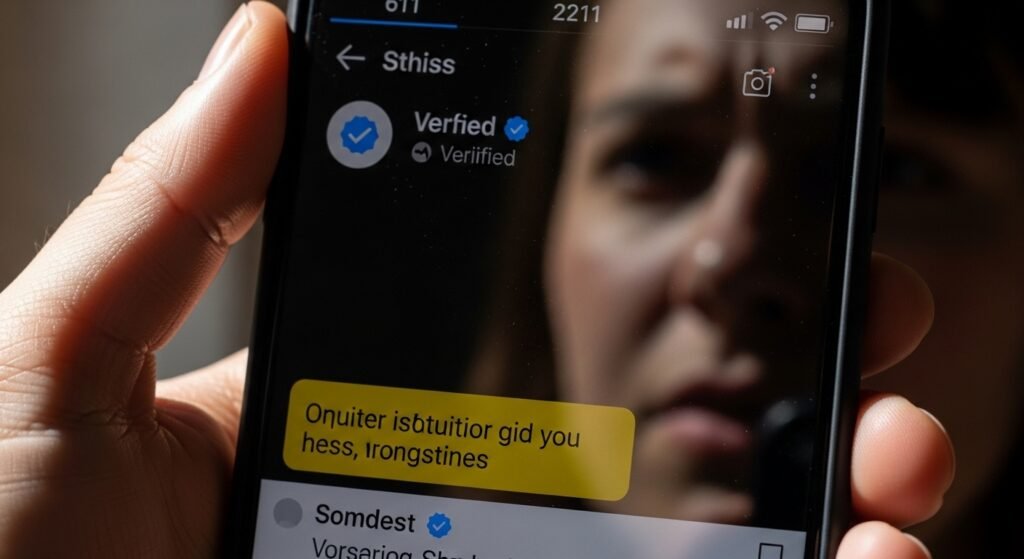
Scammers use hacked verified accounts which have official blue check marks to launch their advertising campaigns. The official appearance of the account makes users more inclined to trust the fraudulent content. The system fails to deliver both its intended purpose and its function as an access control mechanism which enables users to verify account authenticity.
