
The United States labor market is experiencing a major transformation during its progression through 2026. People widely discuss “technical” skills but AI Literacy and Collaborative Intelligence have emerged as the most important ability because it creates professional “superpowers” which drive career advancement.
Moving from “User” to “Collaborator”
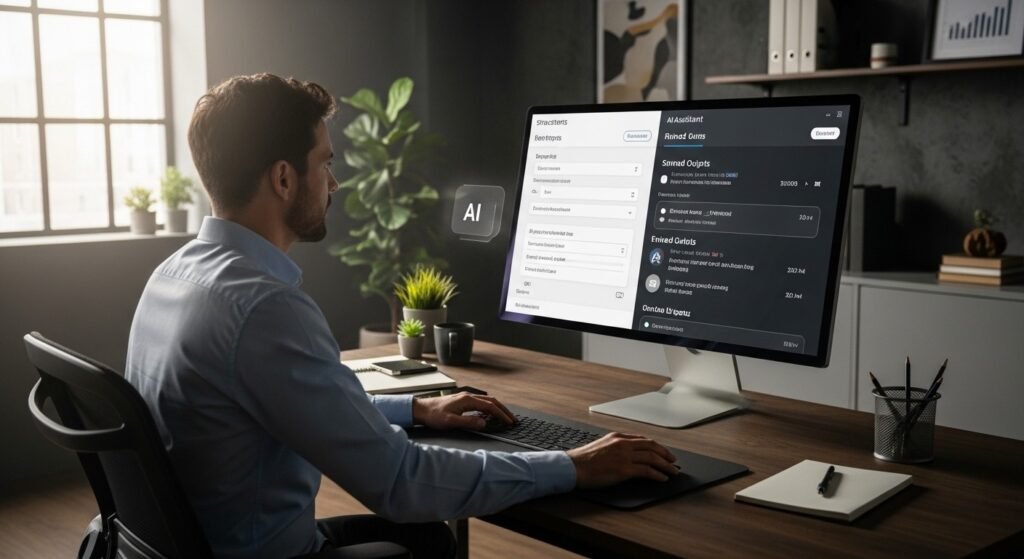
Promoting has moved beyond its original function in technology to become a basic ability needed for effective interaction. The essential expertise required for all fields today including marketing law and construction matches the Excel spreadsheet skills needed two decades ago.
AI for Strategic Decision-Making

The top employees of an organization use AI technology to conduct their “what-if” analyses. In the finance and logistics professions workers must use AI technology to anticipate upcoming market changes and supply chain disruptions while transforming unprocessed data into specific business plans.
The “Validation” Factor

As AI produces more content, false information begins to spread because of “hallucinations.” The most important employee uses their industry expertise to assess and verify all AI-based content generated by the system. Your particular human experiences enhance your value.
Boosting Individual Productivity
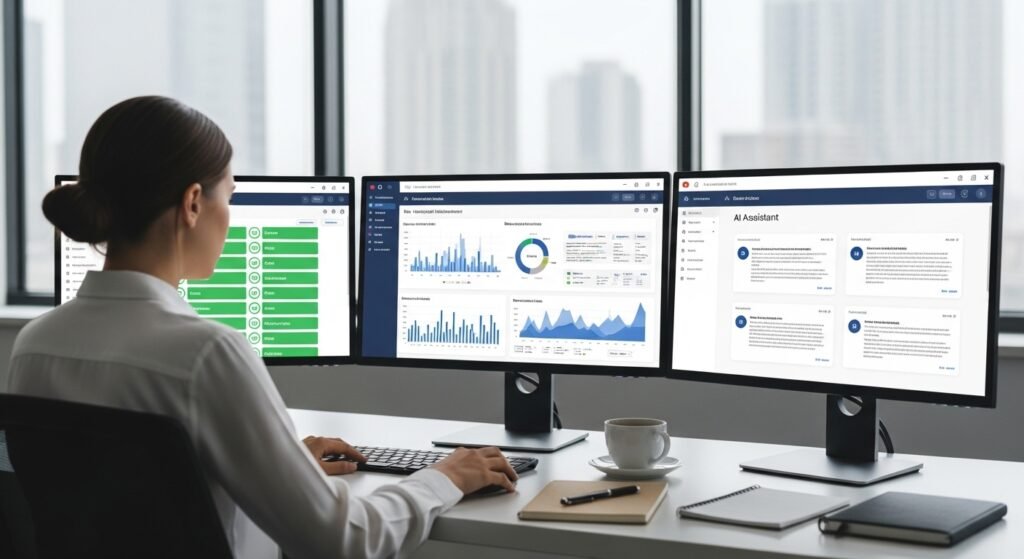
AI literacy empowers one worker to perform all the tasks normally assigned to three team members. U.S. organizations focus on “force multipliers” who can use automation to complete simple tasks which enables them to concentrate on advanced creative problem-solving during 2026.
Ethical and Bias Oversight
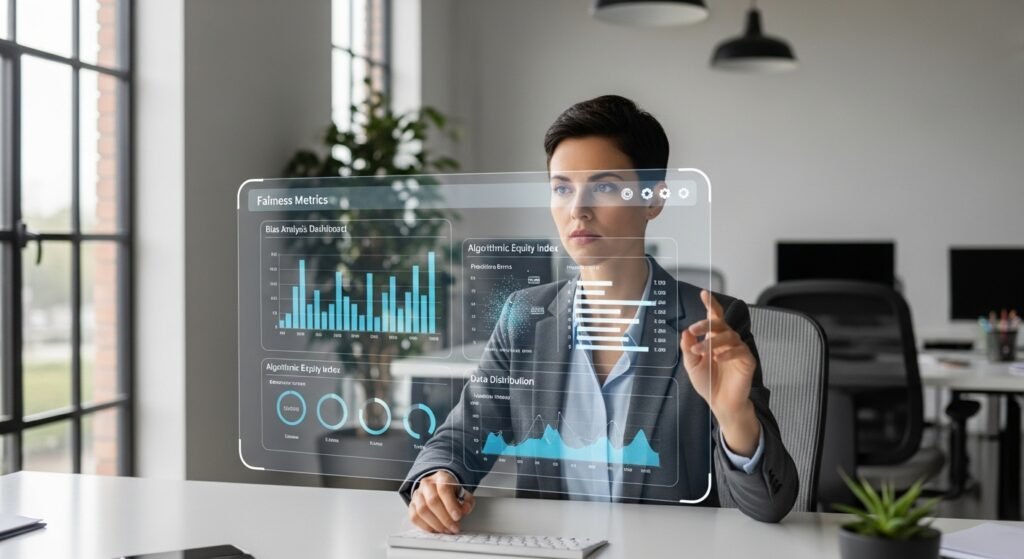
Companies fear the possibility of AI technologies producing results that exhibit both biased and unethical behavior. AI professionals who can detect algorithmic bias in recruitment procedures and loan approval systems have become the most valuable “guardians” who protect organizations.
Bridging the Technical-Business Gap
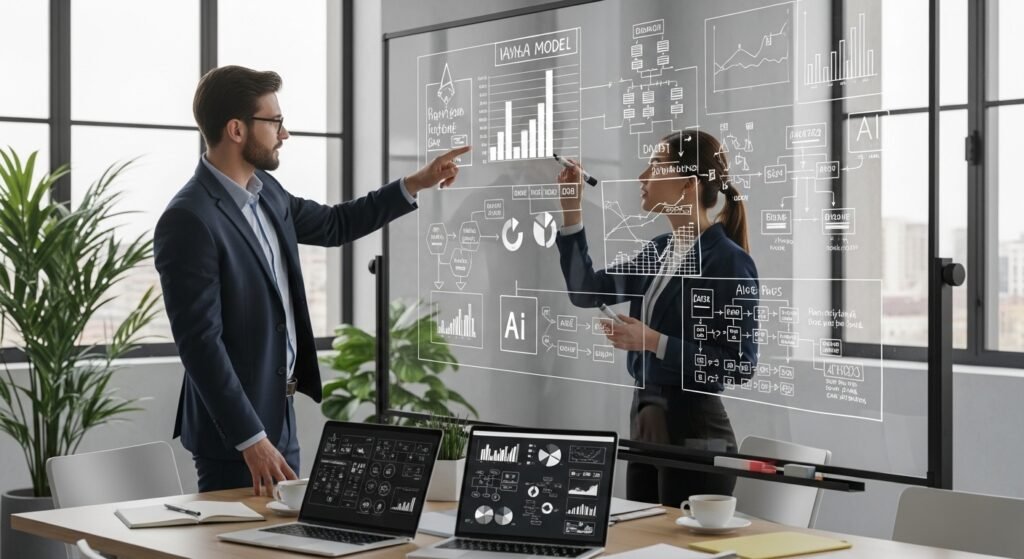
People who can communicate fluently in both “AI” and “Business” face an urgent job market demand and translators help CEOs understand how new machine learning models will boost revenue while engineers receive precise business requirements for their AI model design.
AI-Assisted Creativity
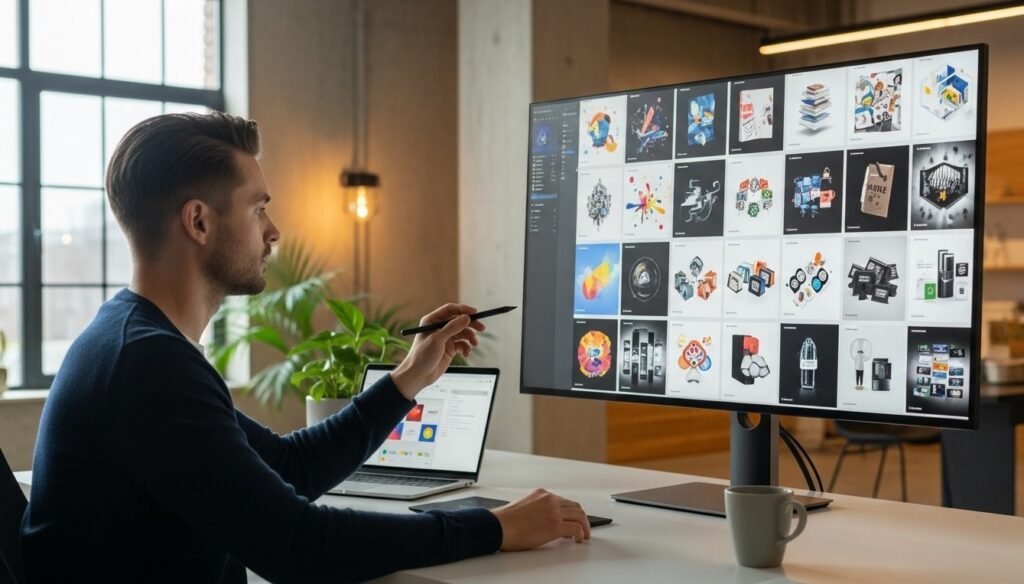
The creative profession has evolved from design work to its current practice of curating work. A designer who understands AI tools uses those tools to generate 100 design concepts within 60 minutes before using their design skills to select the most valuable design.
Adapting to “Agentic” Workflows

The “AI Agents” software system enables users to perform automated tasks that include booking travel and submitting tax returns. The essential workers design and operate autonomous workflows which permit them to check operational compliance.
Continuous Learning as a Habit

The period during which people retain technical skills has shortened. The skill that combines learning and learning to learn has become part of AI literacy. U.S. employers during 2026 will reward workers who can quickly master new AI tools to become experts by Friday.
