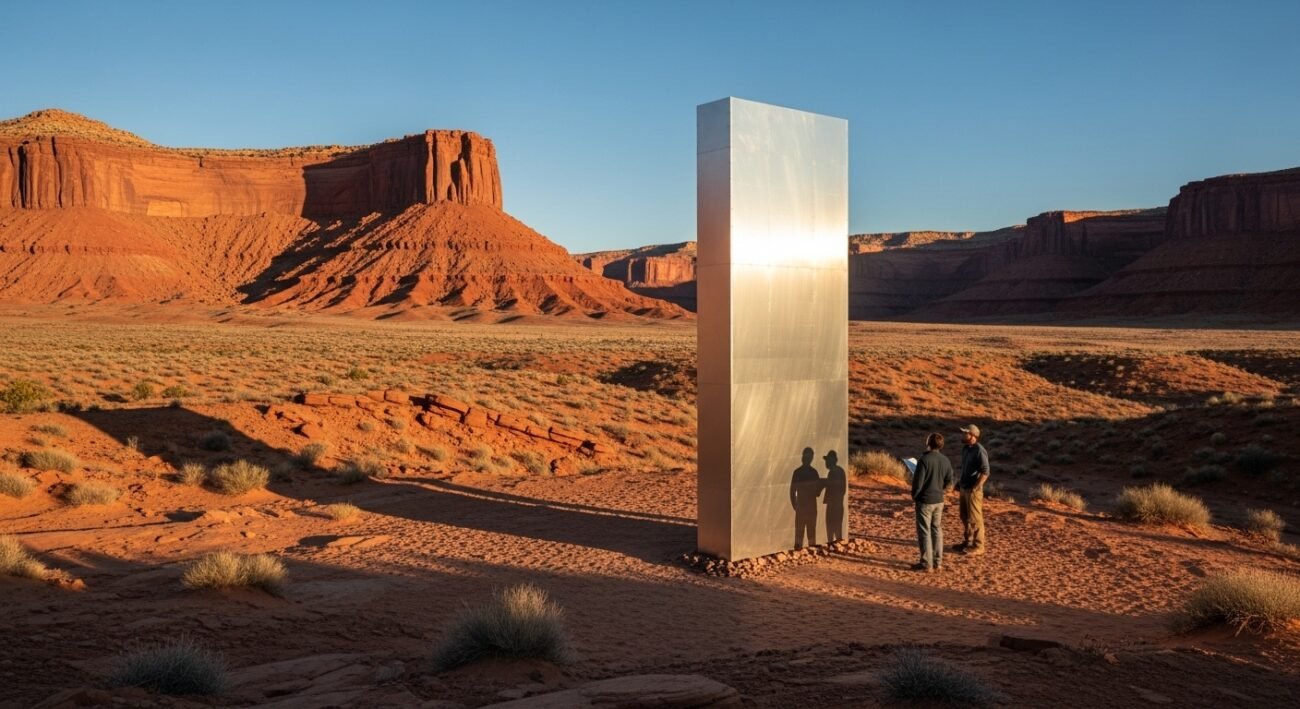
The global phenomenon of secret metal monoliths that emerged in 2020 continues to be misunderstood by online users who treat it as a contemporary urban legend. The public commonly perceives the events as one single mysterious incident that nobody could explain, however actual events included performance art and copycat pranks and people who displayed collective internet amnesia. The search through evidence shows that audiences worldwide follow stories which actually concealed their true nature.
The “Utah First” Fallacy

People commonly believe the Utah monolith to be the inaugural monolith however Google Earth data revealed its existence in the desert since 2016. The discovery occurred in 2020 when biologists conducted bighorn sheep counts from helicopters to find that the species already inhabited the area.
The “Alien” Narrative Distraction

The internet began discussing alien existence because 2020 proved to be a year of total disorder. The memorial for the movie 2001: A Space Odyssey was portrayed as an alien event through this framing.
Ignoring the Fabrication Marks
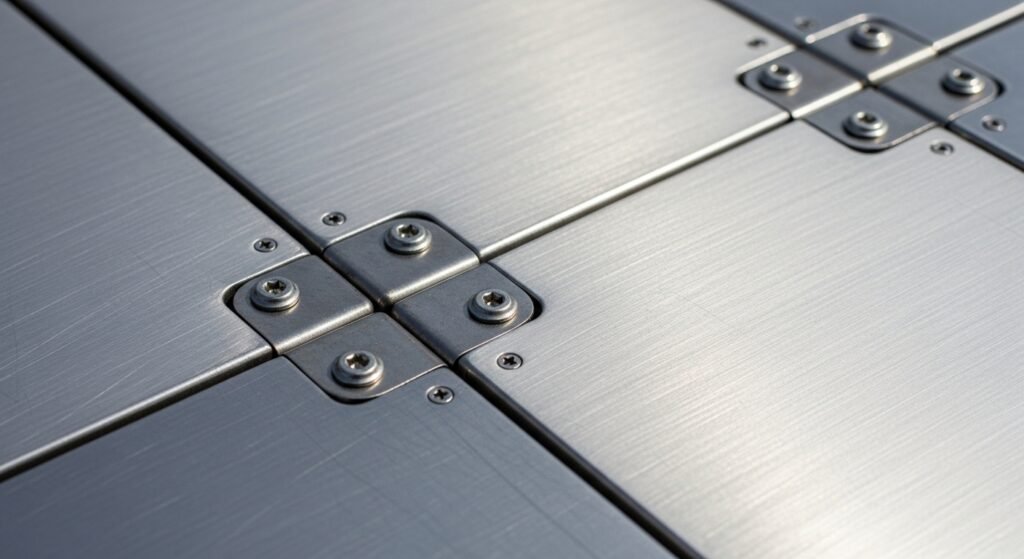
The original photos show the Utah monolith used rivets and screws to maintain its structural integrity. The object which people thought to be a seamless futuristic design actually was a human-made structure that displayed visible evidence of assembly through standard industrial tools at workshops.
The “Most Famous Artist” Claim
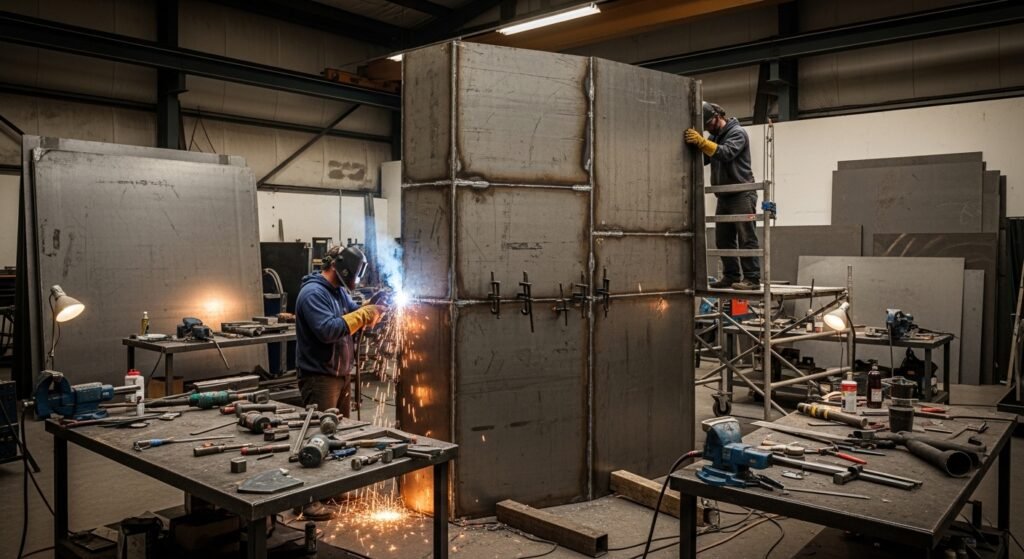
The structures became the property of “The Most Famous Artist” group when they started to sell them at prices of $45,000. The official creators of the project worked with them to create the original Utah installation; however their group’s formation occurred after the establishment of core elements.
The Disappearance Was Human, Not Magic
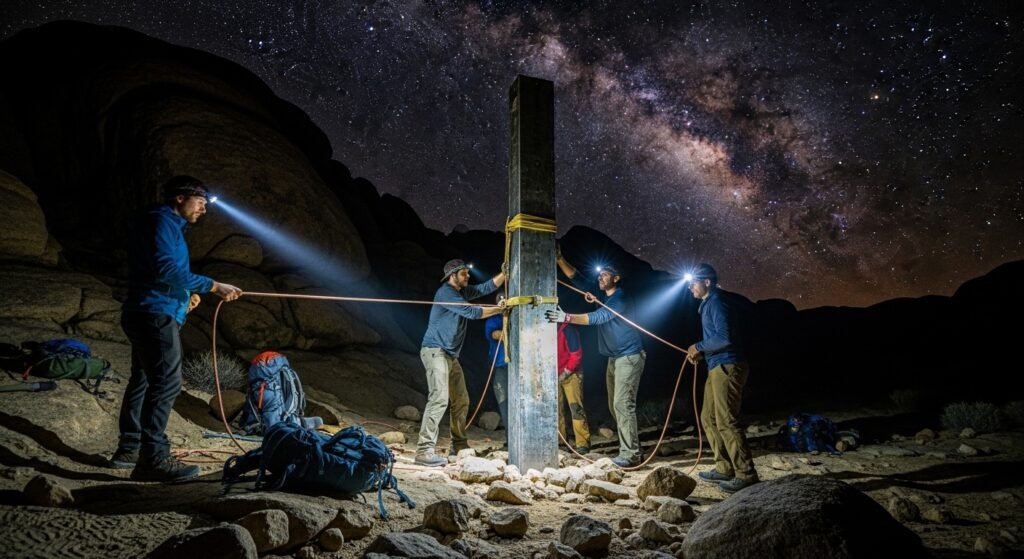
The public believes the monoliths vanished through magical means. The Utah structure was taken down by local outdoorsmen who wanted to protect delicate desert areas from the environmental harm caused by visiting tourists.
The Scale of Copycats

The monolith remains the most memorable structure although more than 200 different structures appeared throughout the world in less than six months. The original art piece lost its power because local residents created simple pranks to obtain temporary internet fame.
The Brand Hijacking Effect
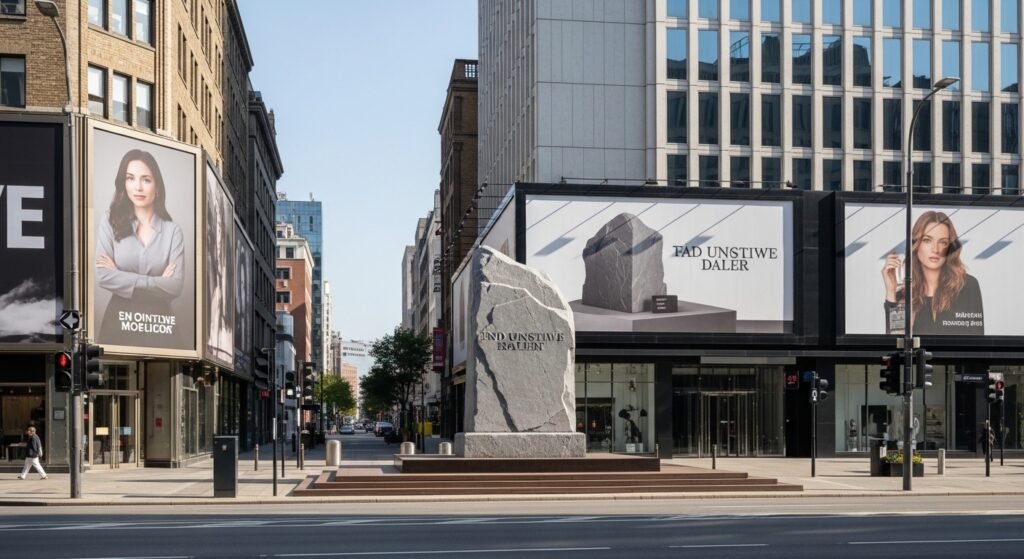
The monolith trend led major brands like Jeep, McDonald’s, and Walmart to create advertising campaigns that featured “monolith” themes. The original artistic purpose of the project became hidden beneath a mountain of commercial memes and marketing stunts which occurred after the project quickly spread through businesses.
Selective Memory of the Material

The public claims that monoliths consist of solid metal. The structure at Utah presented itself as a hollow triangular prism which builders created from stainless steel and aluminum sheets. The object produced a sound which resembled a tin can when struck instead of sounding like the solid slab people remember.
Confusing Art with Pranks

The public considers all 2020 monoliths to form one group known as “The Monolith Project.” The first installation functioned as an anonymous land-art project which people treated seriously while all following installations became TikTok and Instagram pranks.
The Mandela Effect of the “Shiny” Surface

Many people believe the monoliths possessed mirror-polished surfaces that resembled liquid. The California and Romanian installations showed reflective properties while the Utah installation featured a brushed matte finish which proved to be less shiny than people remembered at that time.
