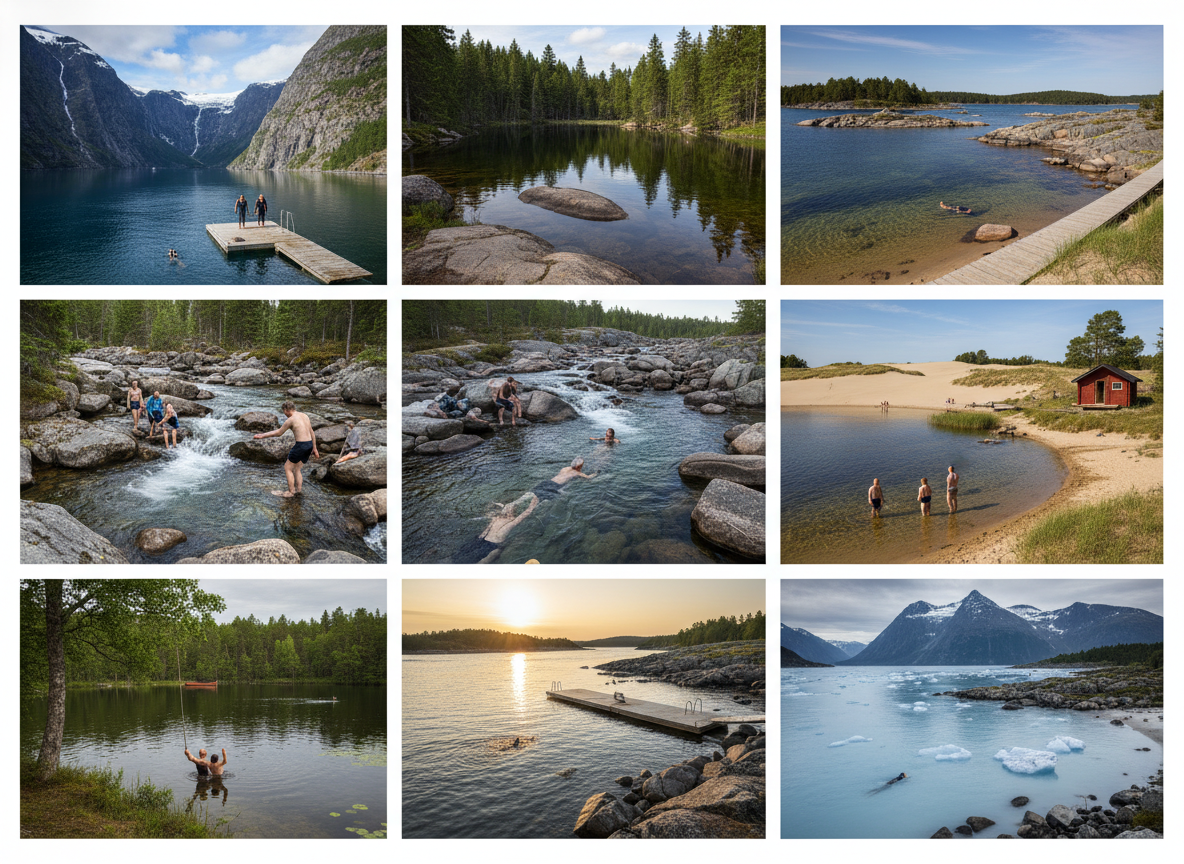
Wild swimming across Scandinavia rewards patience and respect. Cold water sharpens focus. Quiet landscapes reduce noise. Each place below offers clean water, safe access, and clear reasons locals return year after year.
Lake Siljan, Dalarna, Sweden
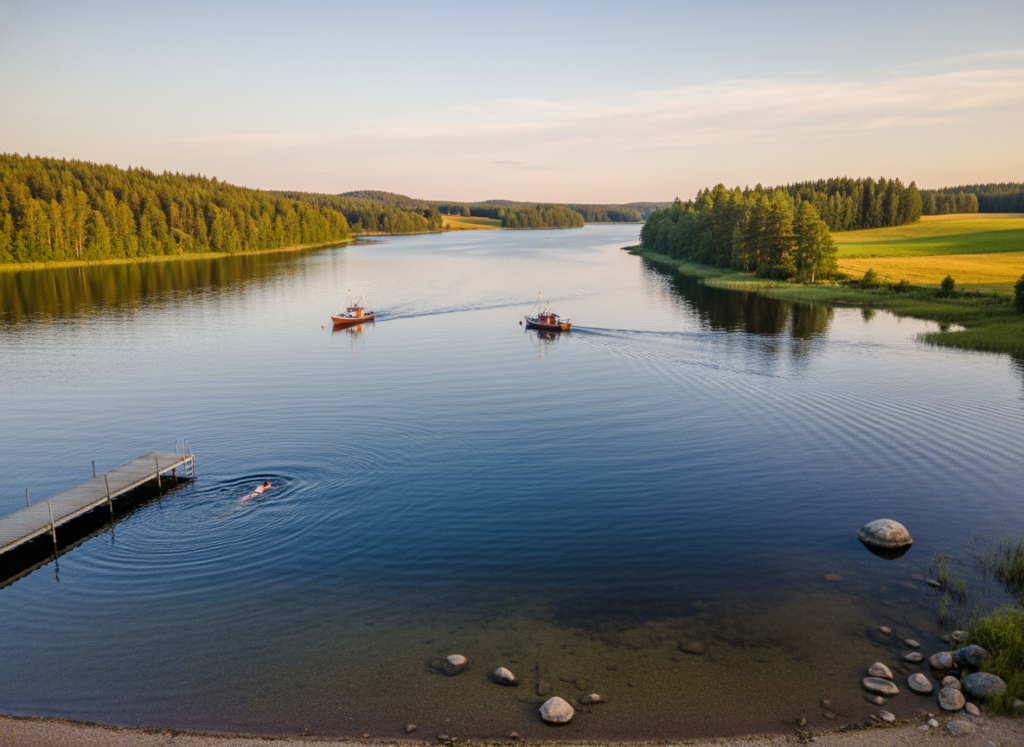
Lake Siljan sits among forests and open farmland, with long summer daylight supporting steady swims. Entry points near Rättvik feature gradual depth and firm gravel. Water quality testing shows low pollution levels. You swim near wooden piers, watch fishing boats pass slowly, and finish sessions warmed by smooth rocks along the shore.
Kallbadhuset Ribersborg, Malmö, Sweden
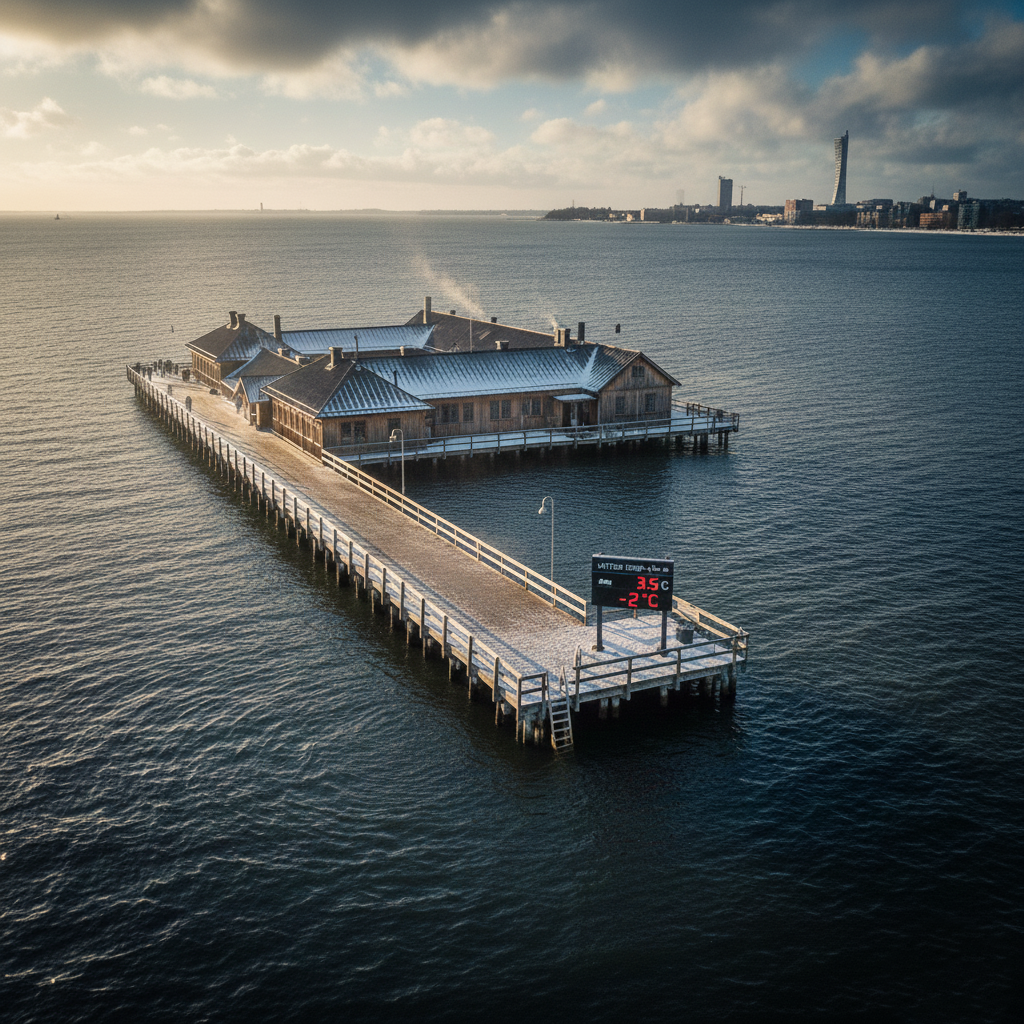
Ribersborg offers structured access without losing open water conditions. Ladders, changing rooms, and winter swimming culture support year round use. Water depth increases fast, ideal for short immersion. Locals track temperature daily, often below ten degrees. You gain safety, routine, and social accountability while still facing open sea conditions.
Lake Mjøsa, Lillehammer, Norway
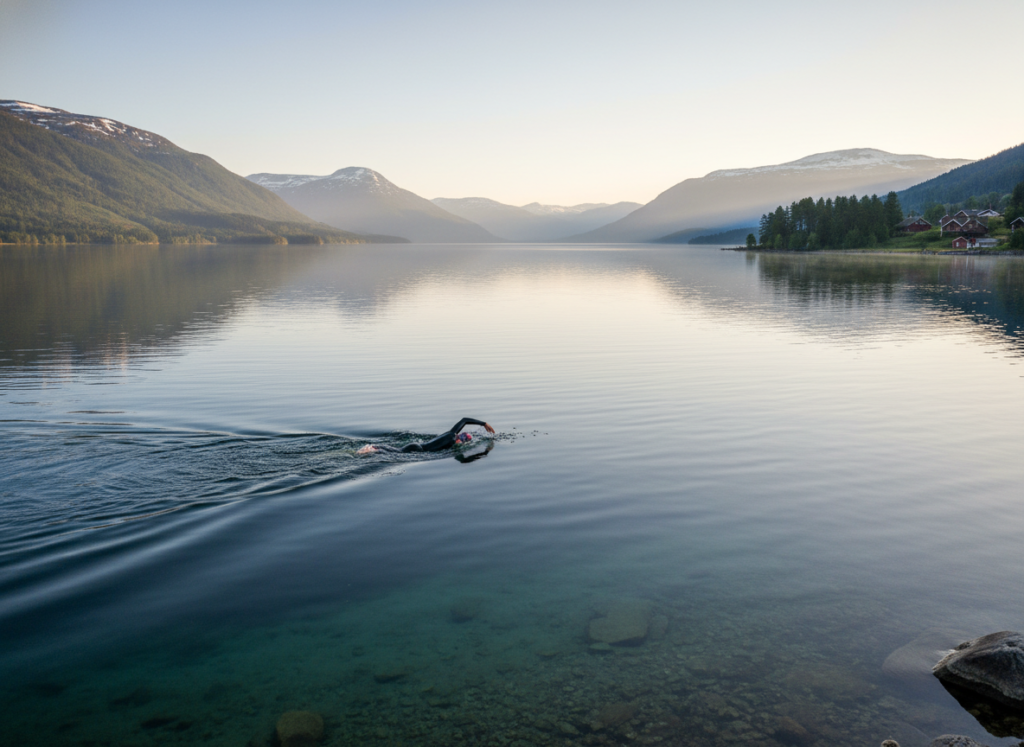
Lake Mjøsa stands as Norway’s largest freshwater body, with clean inflow controls and monitored ecosystems. Entry near Lillehammer provides shallow starts before deep cold water. Early mornings suit long strokes without boat traffic. You swim with mountain reflections, steady wind patterns, and predictable currents which support focused distance sessions.
Sognefjord, Balestrand, Norway
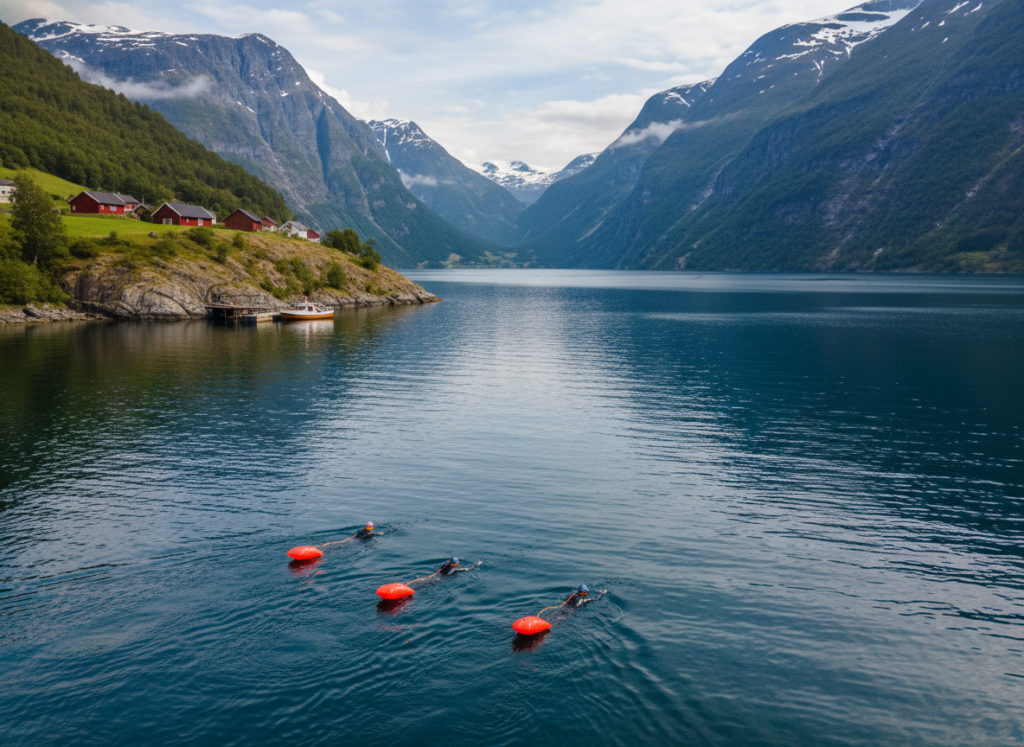
Sognefjord reaches deep cold quickly, demanding respect and planning. Entry points near Balestrand allow short controlled swims close to shore. Salt water buoyancy reduces strain. You feel temperature layers change within meters. Local swimmers limit time, use tow floats, and exit early, prioritizing safety over distance.
Nærøyfjord, Gudvangen, Norway
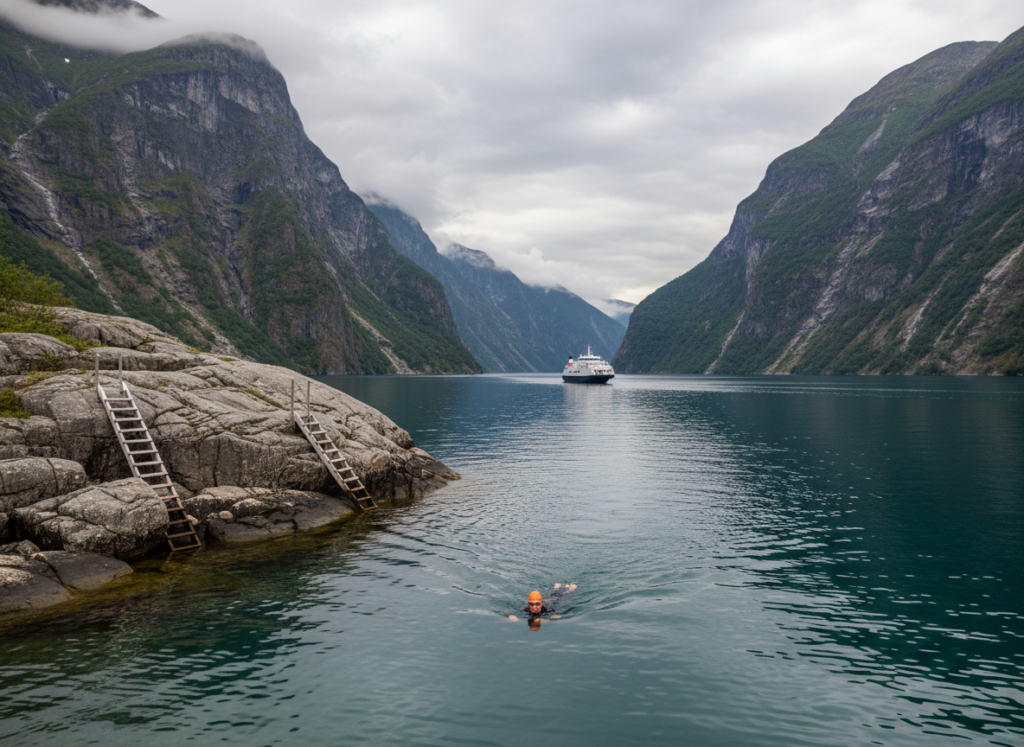
Nærøyfjord narrows sharply, reducing wave action and limiting boat routes. Cold still water supports calm breathing practice. Entry areas near Gudvangen feature rock shelves and ladders. You swim parallel to shore, track ferry schedules, and finish sessions with stable footing. The setting encourages short disciplined swims over long exposure.
Lake Päijänne, Asikkala, Finland
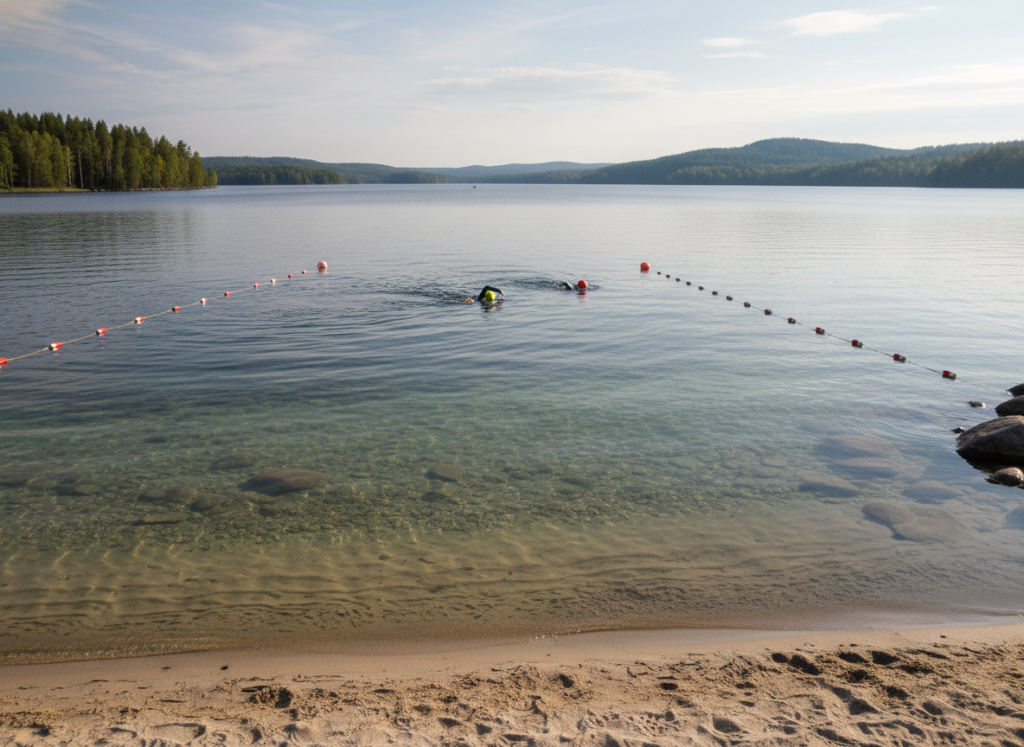
Lake Päijänne offers clear freshwater with sandy entry zones and low motor traffic. Water clarity often reaches several meters. You swim near Asikkala for safe access and marked routes. Long shorelines support pacing drills. Temperature remains cold even during summer, supporting brief regular exposure without crowd pressure.
Haukilahti Beach, Espoo, Finland
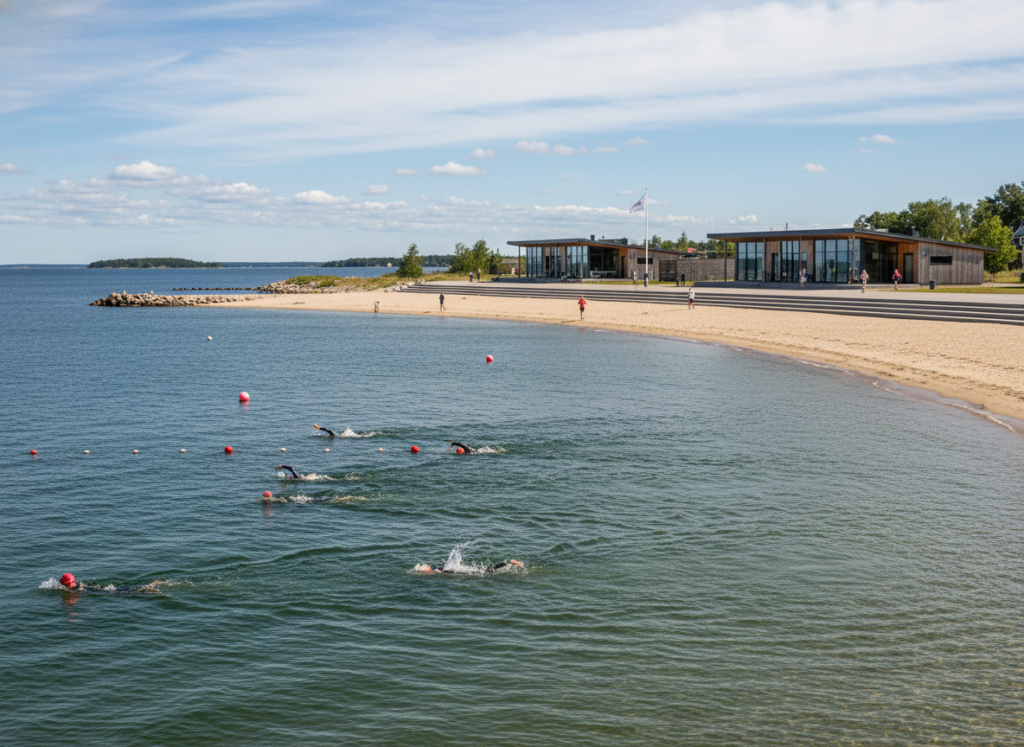
Haukilahti combines open Baltic water with urban safety planning. Buoys mark swim areas. Water testing updates publish weekly results. You enter over sand, swim steady parallel lines, and exit near heated facilities. Wind patterns stay predictable. This location suits consistent training without isolation while maintaining true open water conditions.
Thingvellir Lake, Iceland
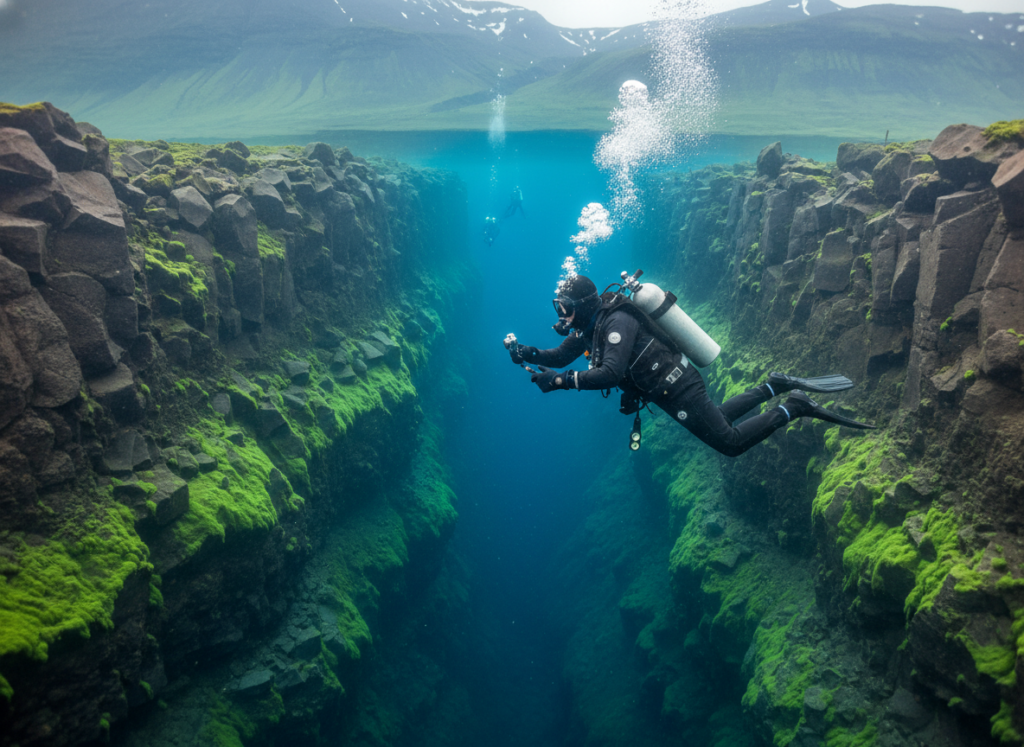
Thingvellir Lake delivers extreme clarity and mineral rich cold. Entry requires drysuit or strict exposure limits. Water visibility reaches tens of meters. You float between tectonic plates, maintain short controlled movement, and exit quickly. This location suits experienced swimmers focused on breath control and mental discipline rather than distance.
Nauthólsvík Geothermal Beach, Reykjavík, Iceland3
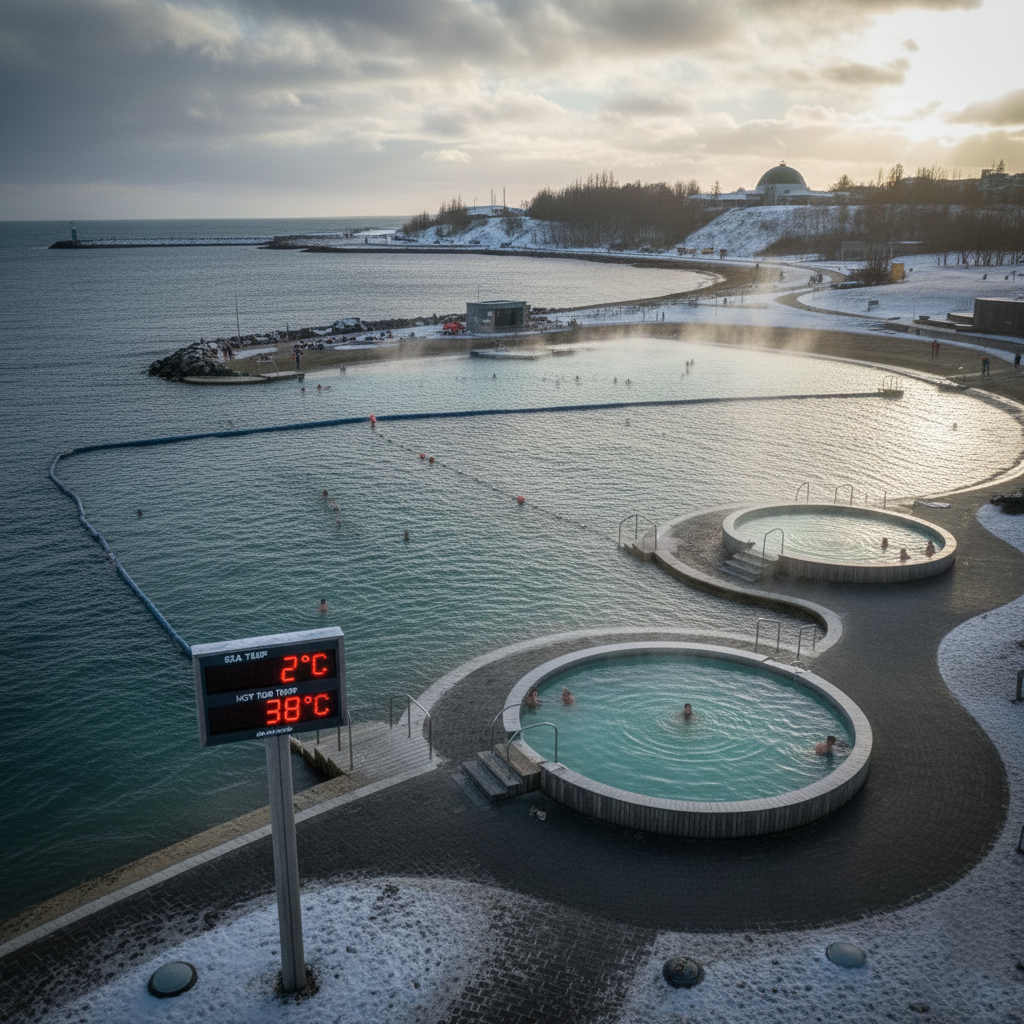
Nauthólsvík blends cold sea swimming with controlled recovery. Designated swim zones, temperature data, and nearby geothermal pools support contrast sessions. You enter cold Atlantic water, swim short distances, then rewarm safely. This structure reduces risk while preserving cold exposure benefits. Locals favor repeat cycles over long swims.
Lake Vänern, Karlstad, Sweden
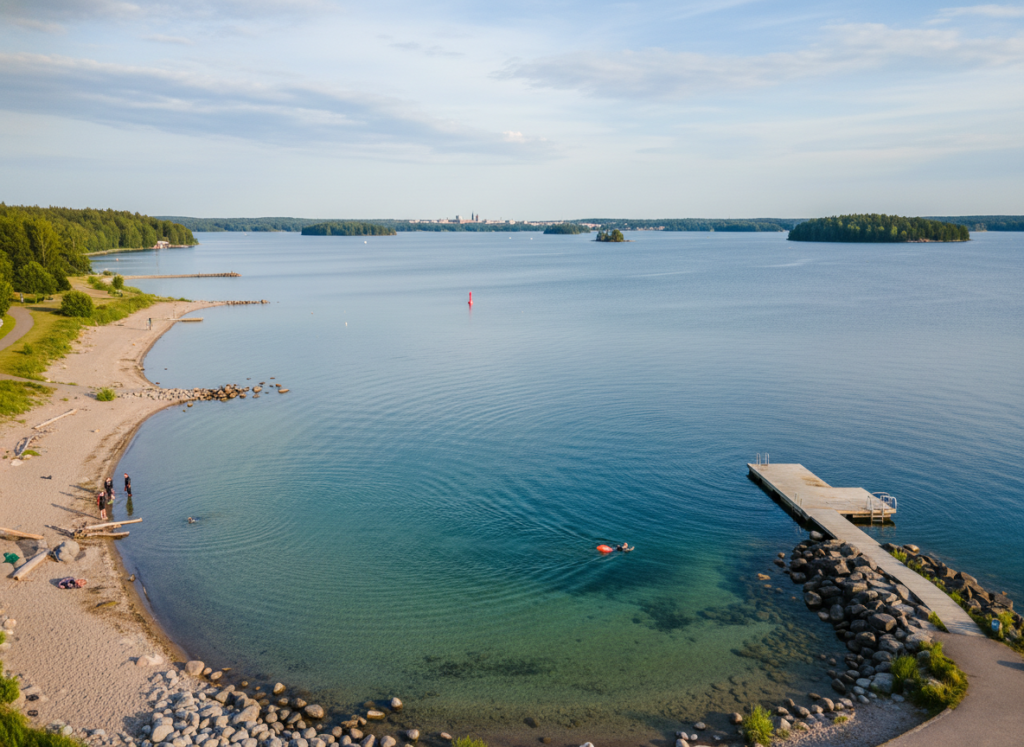
Lake Vänern offers scale, cleanliness, and multiple access points near Karlstad. Shallow beaches support gradual entry. Wind exposure varies by shoreline selection. You plan routes using local weather data and buoy markers. Long uninterrupted swims suit endurance focus, while clear exit options reduce risk during sudden temperature shifts.
