
It sounds good to hear when planning a corporate event but it can be messy if not able to handle it in the right way. Whether it’s a small celebration or planning a corporate event, everyone is filled up with energy and happiness. So, the important thing to consider is everything should be done in an organized manner by keeping clear goals and proceeding step by step. This guide breaks the process into simple parts so newbies can plan confidently and avoid common mistakes.
Set a Realistic Budget Early

Focus on preparing a budget so you can plan accordingly. Budding helps control spending and avoid last minute surprises. List major costs like venue, food, equipment, and promotion. Having a clear budget helps prioritize needs and make smart choices throughout planning.
Select a Suitable Venue

If your event is outside a corporate place, select a suitable venue that matches the size and purpose. Consider location, seating, accessibility, and basic facilities. A comfortable space helps attendees stay focused and engaged during the event.
Plan a Simple and Clear Agenda
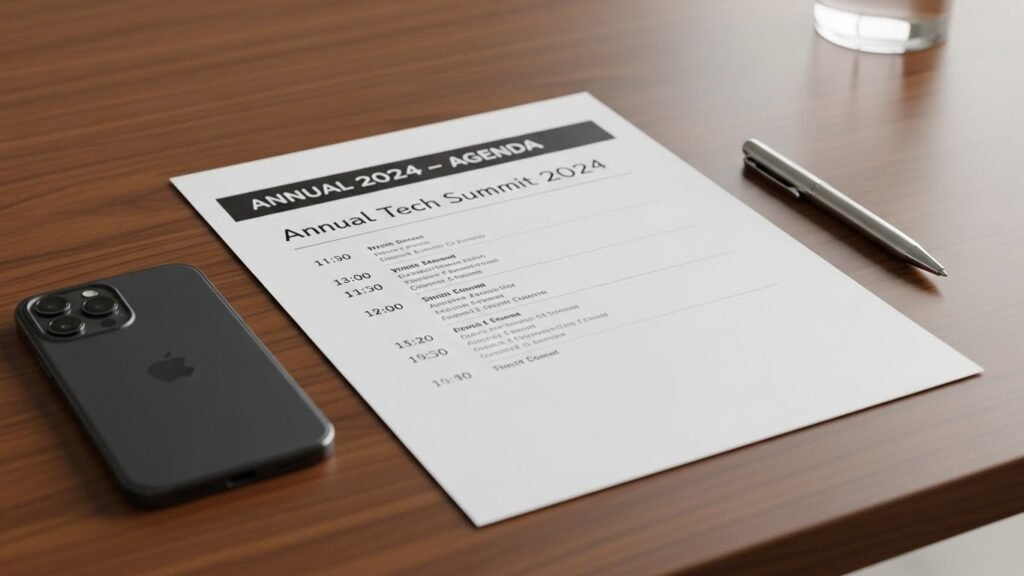
When you keep a simple and clear agenda, you actually avoid wrong activities in a short time. A clear agenda helps speakers stay on track and keeps attendees informed.
Gather Feedback

In order to elevate your next corporate event, you must gather feedback and review what worked well. These insights are helpful in planning your next big event and prevent common mistakes from happening.
Coordinate Speakers and Presenters
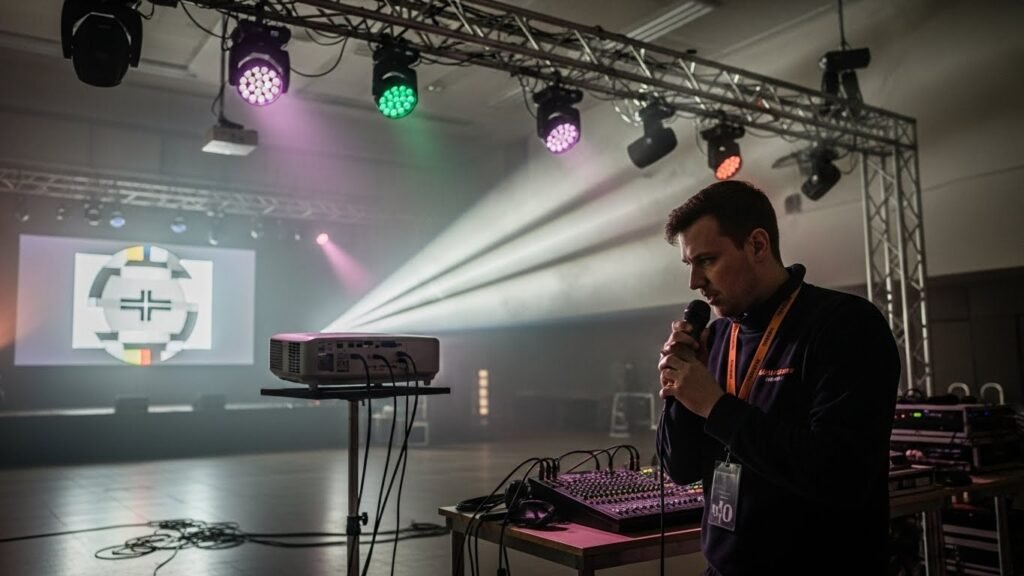
Confirm speakers early and share expectations clearly. Provide schedules, time limits, and technical needs. Good coordination helps presentations run smoothly without confusion or delays.
Handle Equipment in Advance
It would be good to check technology and equipment in advance. Check microphones, internet, and lighting before the event. Backup plans help handle small technical issues calmly.
Communicate Clearly With Attendees

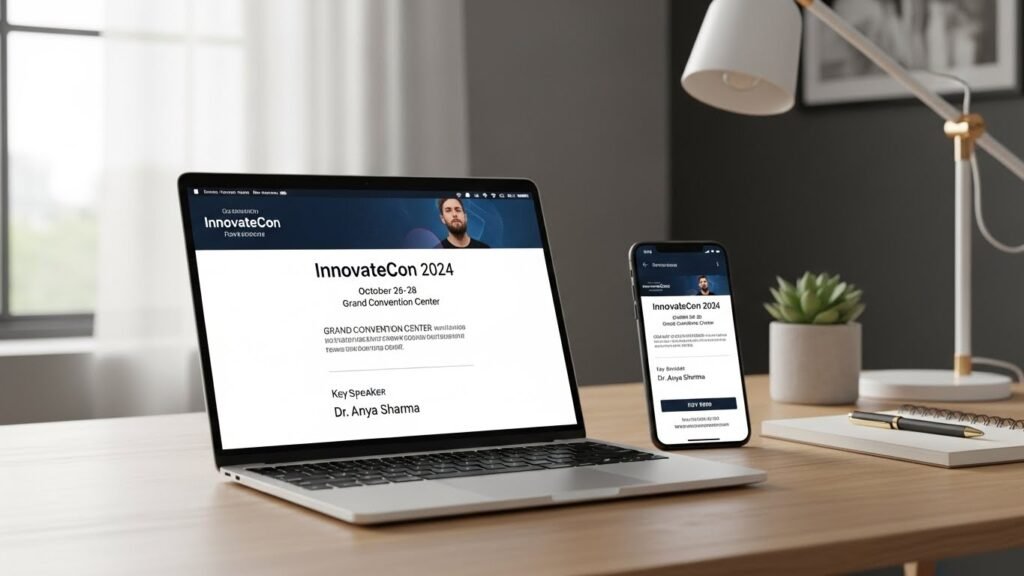
If you send invitations to attendees, communicate with them clearly. Mention clear details like date, time, location, and agenda. Clear communication builds trust and avoids unnecessary questions.
Define the Purpose of the Event

Indeed, the objective of the event helps you plan certain things in a meaningful manner. You know what areas require more attention and other associated information. A clear purpose helps guide every decision, from venue choice to agenda planning, and keeps the event focused.
