
People use their phones to demonstrate their methods of working and relaxing after work. The United States shows two distinct mobile phone usage patterns since people prefer either flip phones or touchscreen smartphones based on their different technological habits and their level of technology comfort. Some people prefer simple things that enable them to concentrate while other people want different features that provide them with flexible options. The study compares two different methods which Americans use in their daily activities without showing any preference for one method over the other.
Ease of Use

Flip phones provide users with a simple experience because they operate through physical buttons and basic menu systems. Users operate touchscreen phones through three different methods which include gestures and swipes and taps. Different users require different methods to handle their daily communication needs which include calling and texting and using basic phone functions.
Daily Screen Time

People who use flip phones tend to have brief phone interactions which mainly focus on making contact with others. Users of touchscreen phones can browse the internet and stream content while doing multiple tasks at once. The two activities create different patterns of device usage which show how people remain connected during their work hours and their free time.
Design and Feel

Flip phones provide users with a compact device that enables tactile interaction through a design which allows users to open and close the phone. The design of touchscreen phones emphasizes modern aesthetics through their broad display screens. Personal preferences determine which design people find more comfortable to use throughout their daily activities.
Battery Habits

Flip phones require less frequent charging because their basic functions enable them to operate during extended periods. Touchscreen devices need multiple charging sessions because they support various applications and services. Users establish charging patterns based on how essential their devices become to their daily life.
Communication Style

People primarily use flip phones for making phone calls and sending text messages. Touchscreen devices enable users to send messages through different applications while they conduct video calls and access social networking websites. The available options determine how people maintain contact with their family members and friends and work associates.
Learning Curve

Users who need consistent results will find that flip phones deliver an experience which matches their expectations. Users of touchscreen phones need to learn about multiple functions which provide them different options to use their devices. People develop better comfort through their experiences than they do through their technical abilities.
Lifestyle Fit

People who want to reduce their digital interruptions will find flip phones to be their best choice. Touchscreen phones enable users to maintain their rapid-paced daily activities while they handle navigation tasks, scheduling activities, and accessing content. The two styles demonstrate how technology enables different types of daily activities.
Cost Considerations
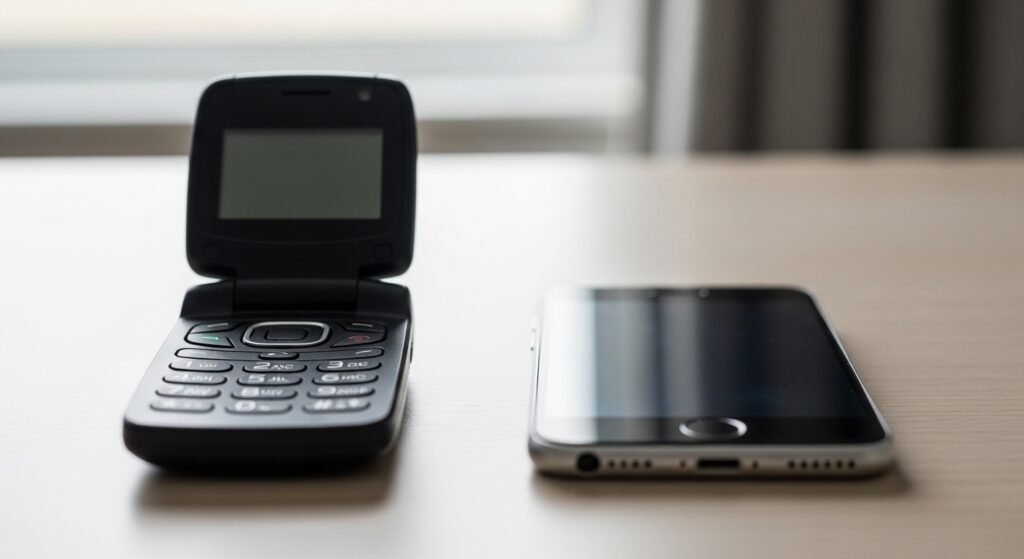
Flip phones operate on basic functions which require users to handle essential operations. The price of touchscreen phones varies together with their available functions. People decide which option works better for them based on their financial situation and their intended device usage and their future requirements.
Cultural Appeal
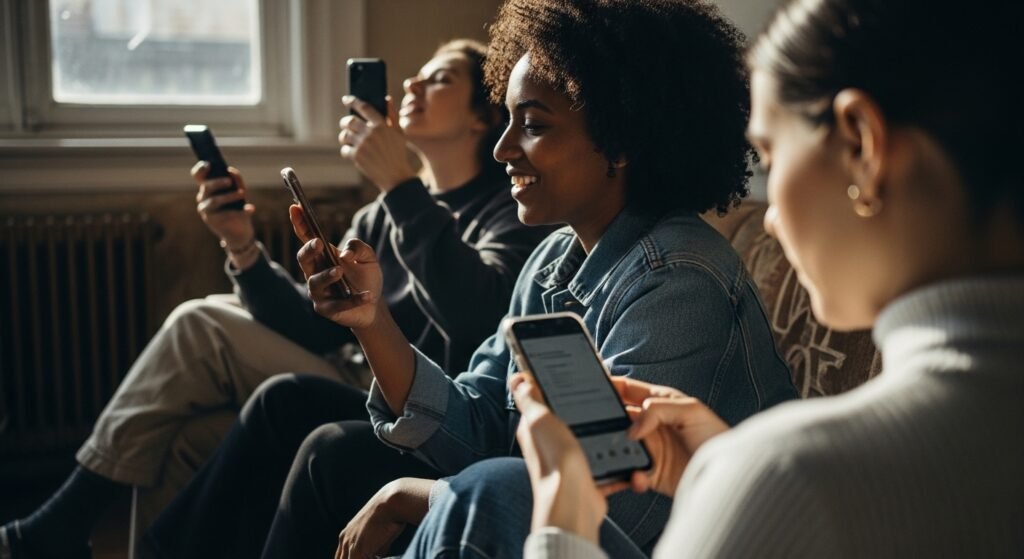
People who use flip phones connect with both nostalgia and minimalism, while touchscreen users enjoy the benefits of contemporary technology. Americans view both technologies as personal decisions which reflect their individual preferences, showing how technology adapts to their cultural values.
