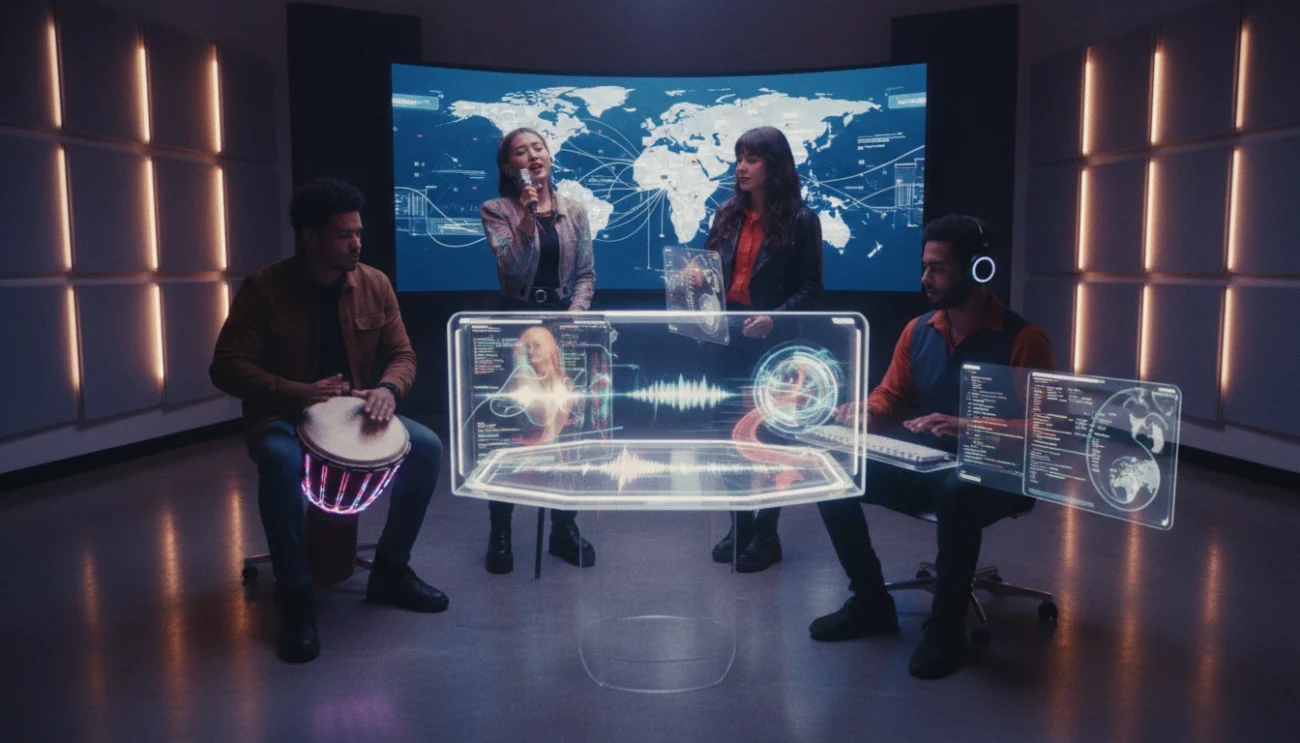
The existing music industry experiences continual evolution because technological improvements and audience customs introduce fresh possibilities for musicians to create and share their musical work. The music industry has entered its next stage because audiences now hold the same authority as record companies to decide which artists will achieve success. Current musical culture experiences transformation through twelve contemporary changes which shape its sonic elements and emotional expressions.
The Rise of the “Short-Form” Song
Song structures are changing to accommodate the viral nature of social media. Artists have started to produce songs which last less than three minutes with the most appealing part of the song positioned at the beginning. The track needs to grab listener attention right away during scrolling because its sound works perfectly as background music for short video content.
AI-Assisted Creativity
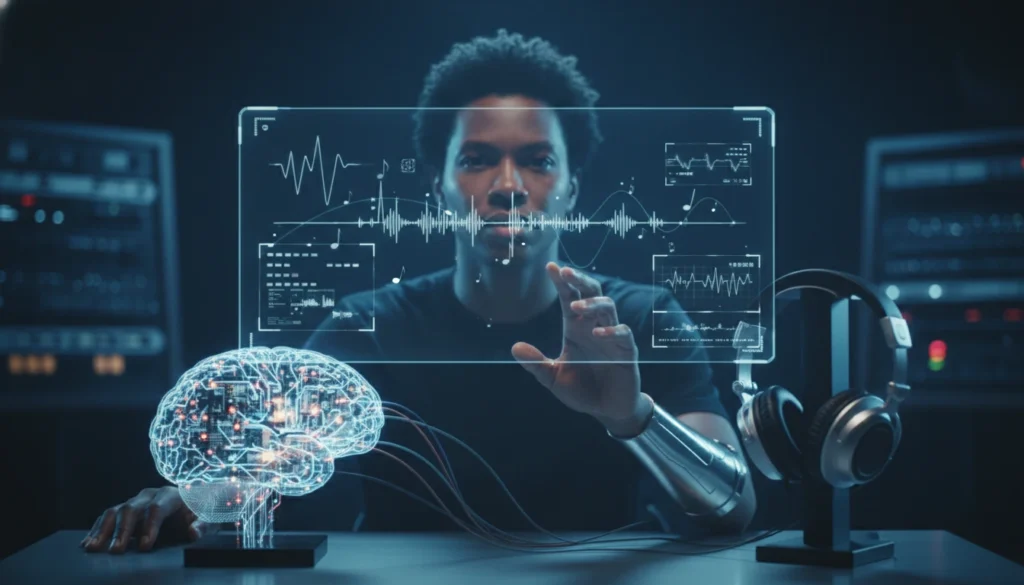
Producers now use artificial intelligence as their regular work tool. Musicians use artificial intelligence to create melodies and write lyrics and to extract vocals from archived music for better sound quality. The system serves as a tool to enhance music but it has triggered extensive discussions about whether human elements matter in the process of songwriting.
The “Micro-Genre” Explosion
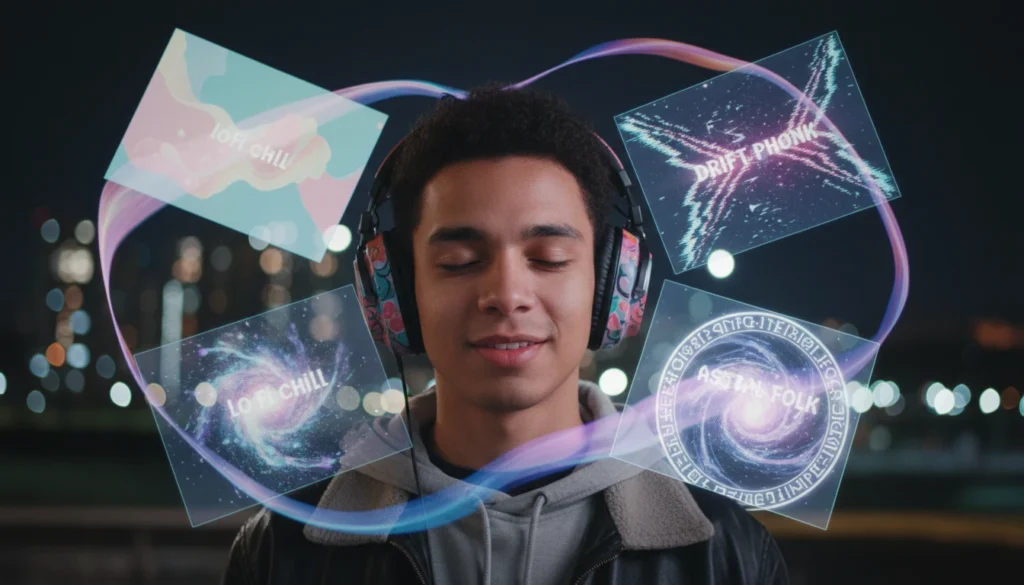
The days of being just a “rock” or “pop” fan are fading. The internet has allowed for the birth of hundreds of micro-genres that cater to very specific moods or aesthetics. From “lo-fi chill” to “drift phonk,” listeners are selecting their identity through particular sounds which exist in online communities but do not appear on mainstream radio.
Concerts as Immersive Experiences
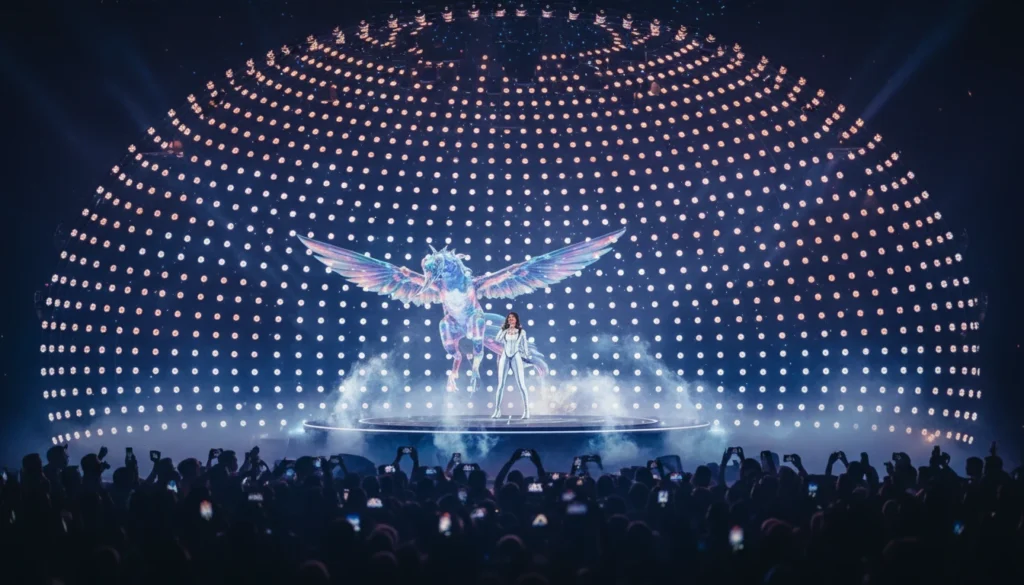
Fans now expect more than basic stage equipment together with a microphone. Modern tours have developed into sophisticated shows which use augmented reality together with 360-degree light displays and holographic performers to present their material. The team aims to build a physical event which people must attend because it provides an experience which cannot be found through digital streaming.
Direct-to-Fan Economy
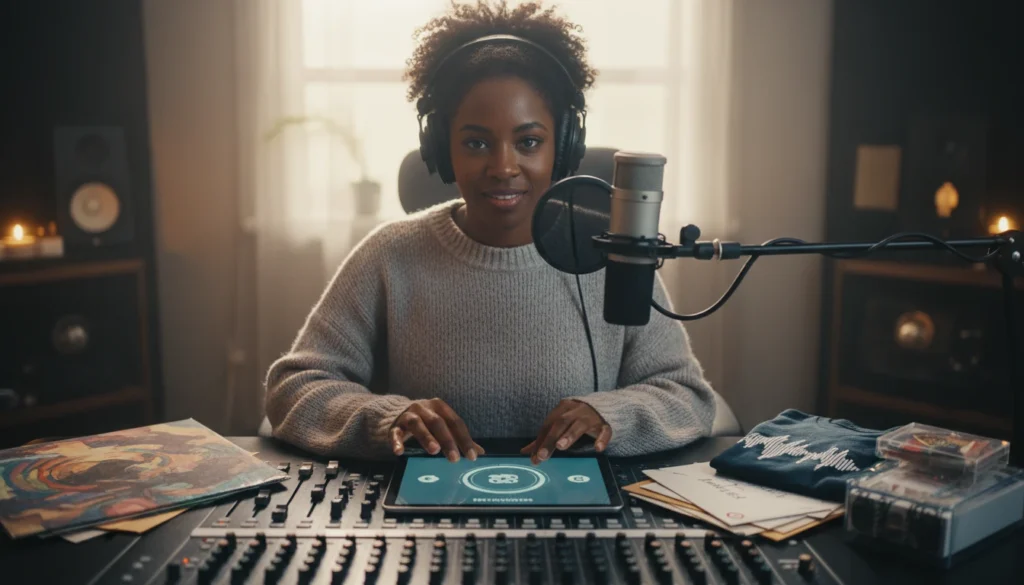
Artists are increasingly bypassing traditional labels to speak directly to their audience. Fans have the option to become paid members of fan clubs and subscription services which give them early access to unreleased songs and special merchandise and exclusive access to behind-the-scenes content. Through this method artists gain financial stability while their fan base builds a stronger connection with musicians.
The Global Soundscape
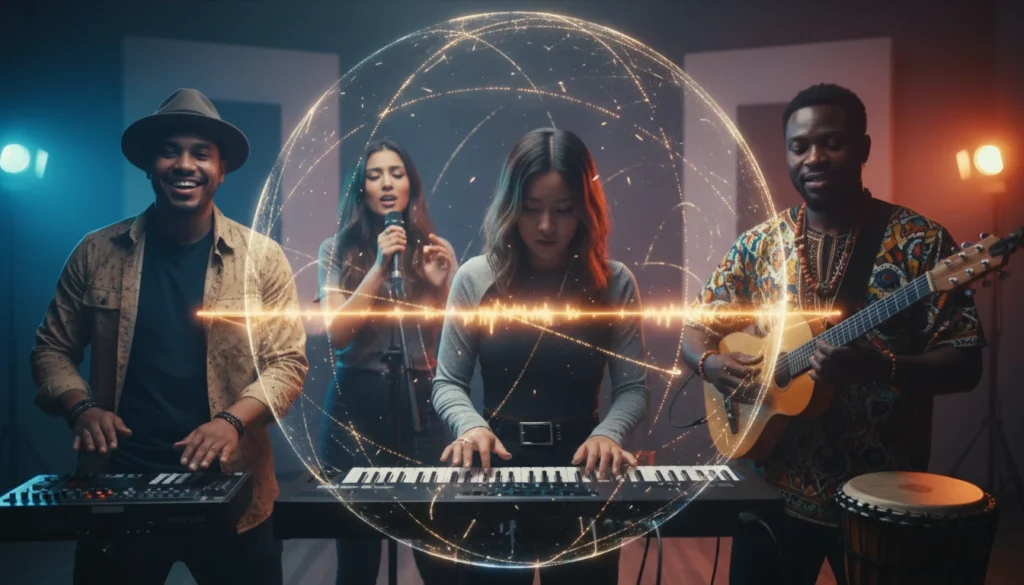
Musicians now create songs which people from different cultures can share together. The main music charts now show K-Pop and Afrobeats and Reggaeton as the top performers in non-native English speaking countries. The audience selects musical elements according to their personal preferences which allows them to create their listening experience by choosing preferred sounds while ignoring song lyrics which makes the music industry truly international.
The Return of the Super-Group

Artists gain strength through collective work with their fellow artists. The music industry now features established solo performers who create temporary music groups through their collaborative work. Through musical collaborations artists create partnerships which help them reach new audiences while they explore different musical directions.
Fan-Led Marketing
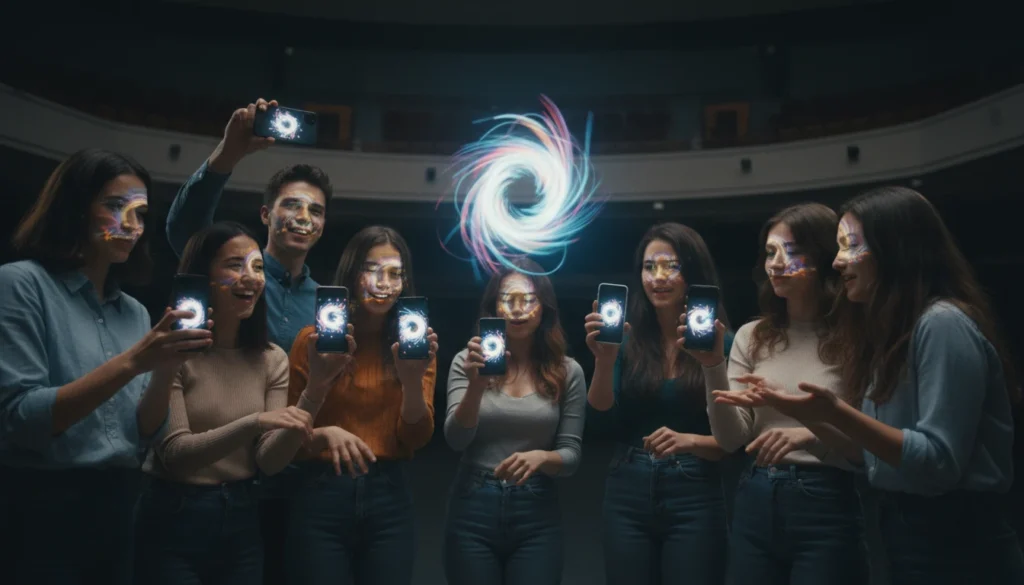
Social media users now act as the primary force which transforms unknown songs into worldwide musical successes. Unknown songs become international hits through social media users who create dance challenges and memes which spread across platforms. Fans frequently become unofficial marketing teams who determine which songs will advance to the top of the music charts.
The “Album” as a Living Project
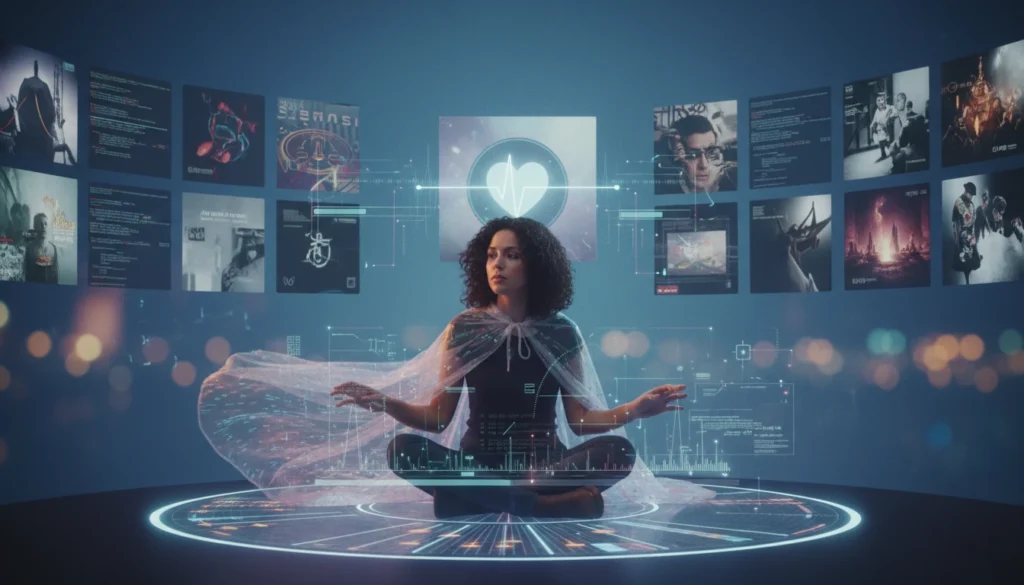
The understanding that albums reach completion after their public release has changed. Post-release date album updates have become a common practice for some artists who change lyrics and add new verses while they adjust the mix based on fan reactions. Artists continue to create music which they develop into active artistic work which remains unfinished throughout their performances in different spaces.
