
Workers no longer accept the traditional career path which required employees to stay with one company for four decades. The youngest workers now aim to develop their personal brands and start their small businesses instead of seeking permanent employment. People decide to pursue fame because they want to transform their lives according to their new circumstances.
An Absence of Corporate Loyalty Trust

Gen Z watched their parents work hard for their entire careers yet they lost their jobs during economic recessions. This led to a fundamental belief that “job security” is a myth. Through their business ventures, they believe they can directly secure their survival instead of depending on a CEO to protect them.
The “Creator Economy” Is Rising
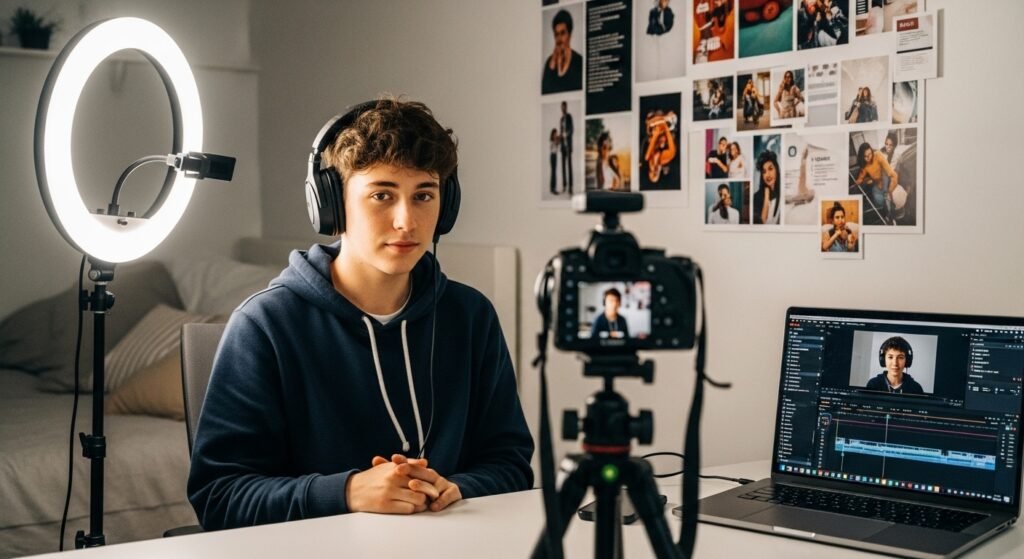
A person can establish global communication with others by using a smartphone and internet access. Gen Z observed their friends generate substantial earnings through content creation and social commerce and digital product sales. The entry requirements for business establishment have reached their lowest point in history.
The Link Between Work Effort And Earning Potential

In traditional employment, increasing work output by 100 percent does not guarantee double salary payments. The outcome of entrepreneurship work directly links to the effort which entrepreneurs invest into their businesses. Gen Z prefers to take business risks because it allows them to determine their earnings potential through their personal work dedication.
Workers Choose Jobs Based On Their Company Values

Workers from younger generations seek employment that matches their moral values. They establish sustainable businesses which create social justice and open business operations to public scrutiny from their first operational day.
People Create Side Businesses To Act As Backup Employment

The pandemic and school period led people to start their business activities through side jobs. The individuals who sold vintage clothes and created apps and provided online tutoring saw their income potential increase to the point that they no longer needed to work entry-level corporate positions.
People Create Side Businesses To Avoid Work Exhaustion

Gen Z speaks openly about their mental health condition. The traditional corporate structure causes them to experience burnout and work-related anxiety. Their business operations let them establish a mental health-friendly work system which helps them protect their mental health.
All Learning Resources Are Available Online For Free

Business knowledge no longer requires an MBA degree for comprehension. Gen Z learners use free tutorials and online community forums and mentorship programs to acquire instant knowledge about supply chain management and digital marketing.
“The Gig Economy” Has Become A Standard Employment Model

The public now thinks multiple gigs represent standard work practices while people perceive them as insecure jobs. This generation runs a small business by handling multiple income sources which fall under the definition of a small business.
Workers Who Want To Create Original Content

Traditional entry-level roles offer basic work duties which require workers to complete tasks without using their creative abilities. An entrepreneur can transform their entire business operations by creating a brand new business design.
Personal Branding Gives People Control Over Their Financial Future

Gen Z views themselves as their own most valuable resource. A business that exists to serve their personal identity gives them a portable career most professionals would want to have. The entrepreneur maintains ownership of their entire business brand after one enterprise fails which enables them to immediately start their upcoming venture.
