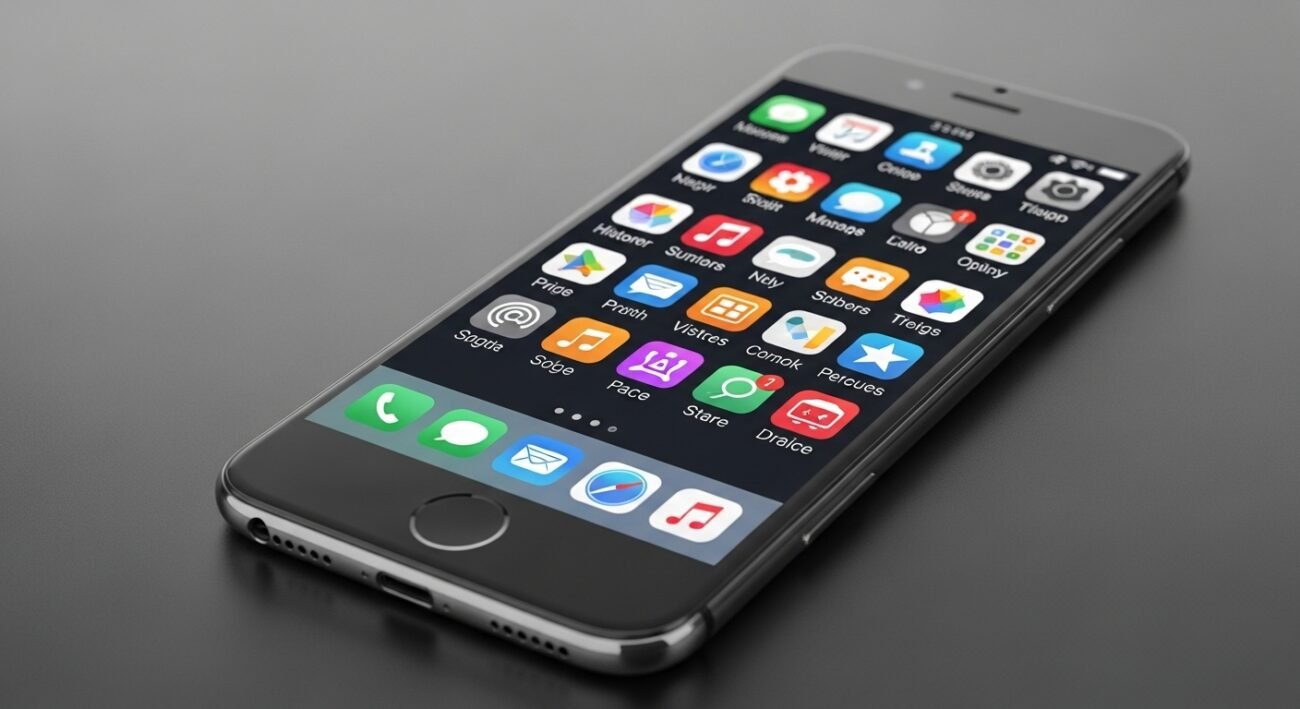
What most people do not know is that smartphones hold more personal information than most people want to admit, including personal messages, histories of places visited and financial records. Although most apps may seem harmless, there are those that may gather much more data than is required without notifying the user. Some of them are used directly to spy on people, whereas others are utilized on shim and shadows permissions that people do not even bother to read. It is not only dangerous in terms of spying but also in terms of the duration of unawareness. Understanding which kinds of apps are cause for concern is a way of guarding privacy before it is too late.
Stalkerware Apps

Stalkerware is meant to spy on calls, messages, and position without a proper understanding on the part of the user. These applications tend to be silent background applications and pose as system utilities. Their installation is usually done by a person who can have physical access to the phone. Their existence is a severe privacy infringement.
Hidden Monitoring Tools

Other spyware will even conceal icons on its apps to prevent detection. They can document the screen activity, keystrokes, or utilize the app usage patterns. These are usually sold as parental control or employee tracking systems. They are noise-making machines in the wrong hands.
Fake Utility Apps

Applications purporting to enhance performance, clean storage, or conserve battery life tend to seek unwarranted permissions. Most of such utilities do not do much more than gather personal information. There are some that send usage information to unknown servers without being transparent. This would expose a lot of privacy as time goes by.
Spy Camera or Mic Apps
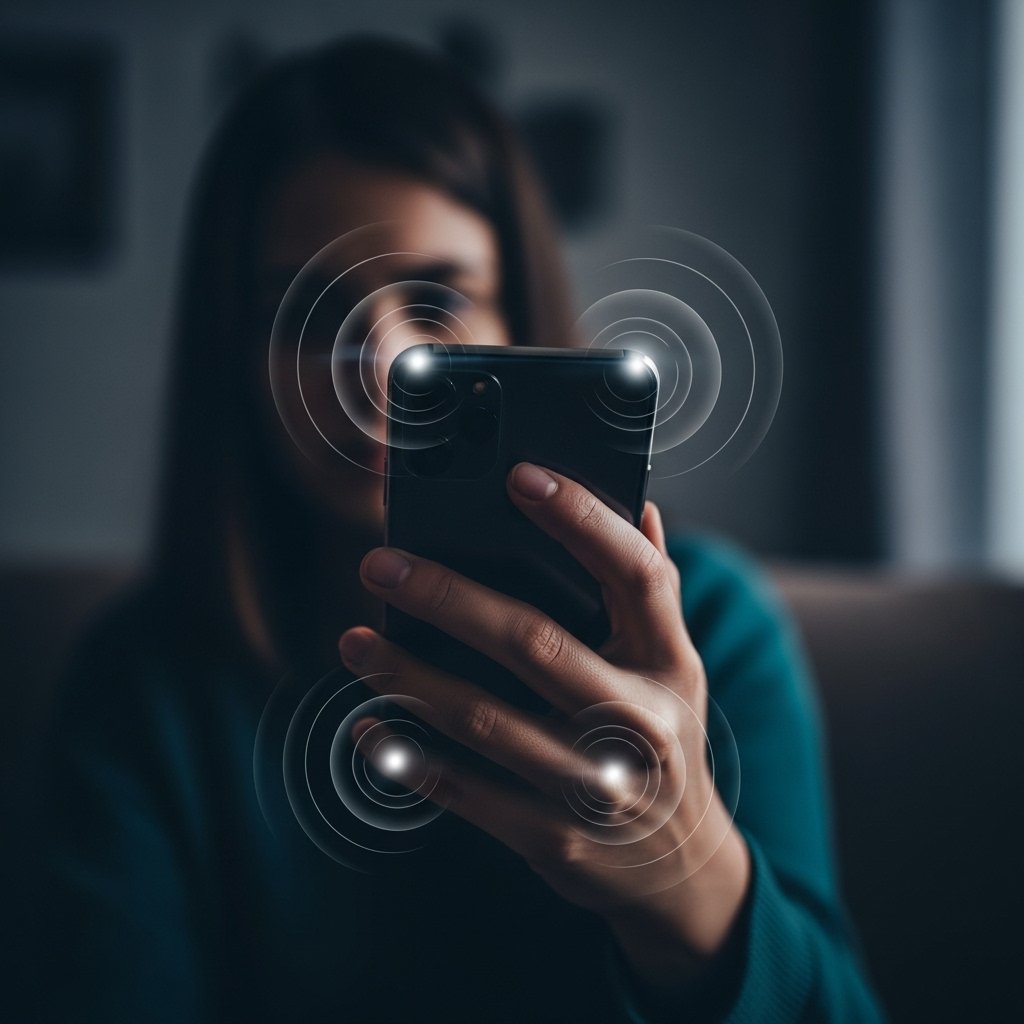
Some applications may enable the microphone or camera without any clear indications. Such permissions are otherwise thought to be core functionality but are misused in the background. Avoiding interruption gives the possibility of audio or visual surveillance. Such intrusion is particularly hard to detect.
Cloned Messaging Apps
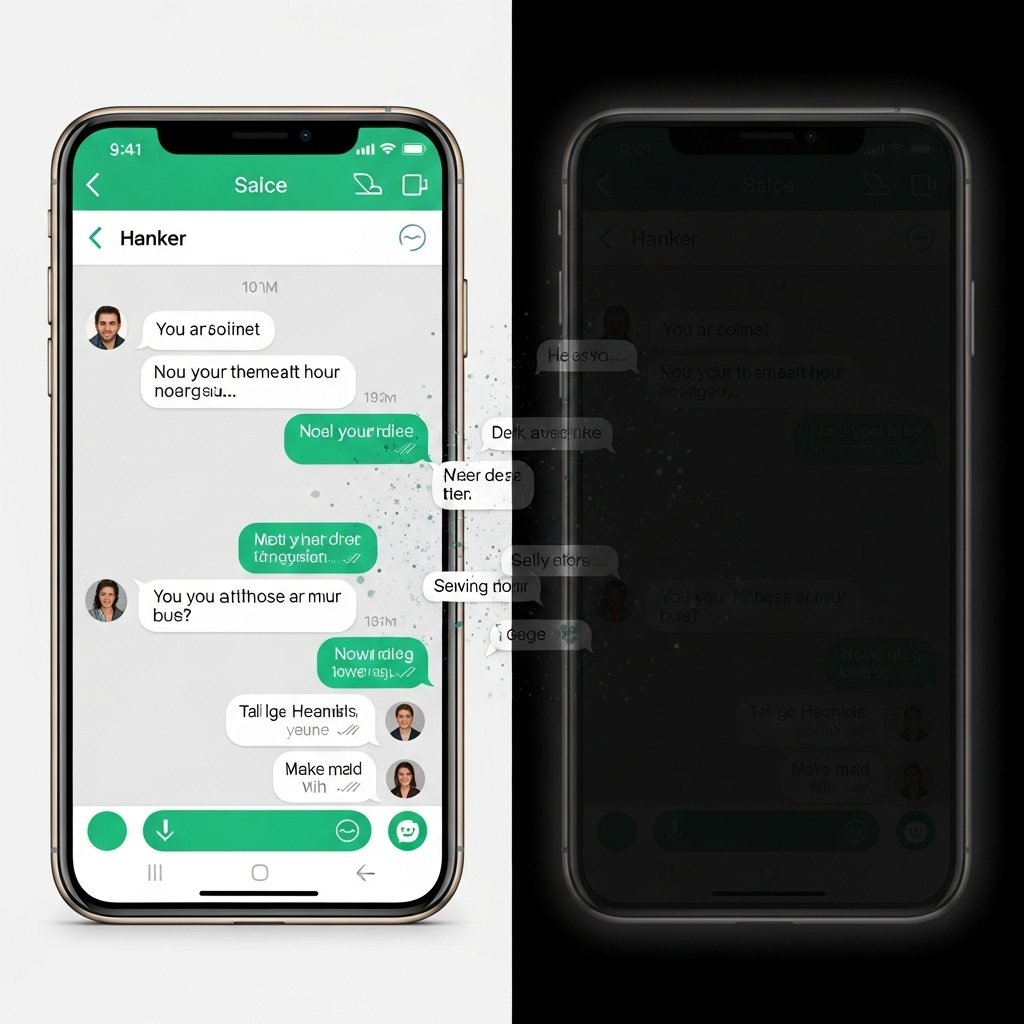
Certain apps replicate messaging applications to replicate conversations over the Internet. After connecting, they are allowed to send messages, media and contacts. The apps are often used in personal spying. Their arrangement usually needs short-term phone intervention.
Location Tracking Apps

Location applications have the potential to track motions in real-time, silently. Although mobile navigation applications require the use of location services, certain applications would constantly monitor their positions. The chronological data of the location shows habits and domestic practices. This is information that is priceless and is also very easy to abuse.
Malicious Keyboard Apps

All the typed information on the phone can be captured by a keyboard application. This consists of passwords, messages, and search history. A lot of them seem to be valid and transmit information off-site. One of the most threatening ones is a compromised keyboard.
Screen Recording Apps

Certain applications are allowed to screen capture or screen mirror. They can obtain banking information, personal communication, or images. These applications are known to run quietly once installed. There is a very high privacy risk due to continuous access to the screen.
Remote Access Tools

Remote control applications enable the phone to be controlled by a different device remotely. Although handy in technological support, they are harmful when neglected. Full monitoring of the devices is enabled through unauthorized access. The majority of the users leave these apps on.
Suspicious File Manager Apps
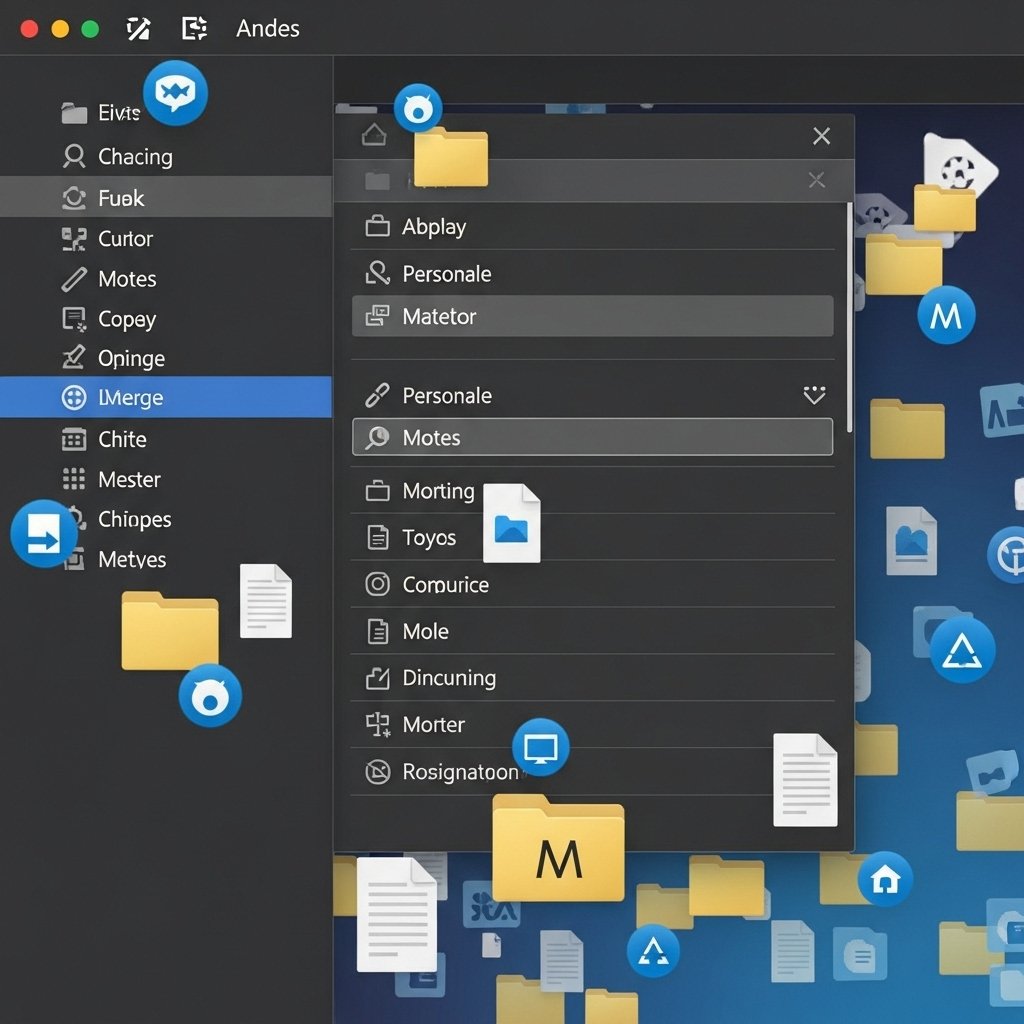
Some file manager programs demand extensive access to the system without explanation. They can scan personal files and metadata on a regular basis. Others broadcast this information. Official file administrators do not often require numerous privileges.
Outdated Apps With Broad Permissions

Outdated applications can carry on with permissions that are no longer needed by the current updates. The developers even give up on these apps, causing security vulnerabilities. The hackers take advantage of old permissions with ease. Silent vulnerabilities are mitigated by deleting unused apps.
Apps Installed Without Your Memory

Applications put in by another party might merge into the system without being noticed. These are mostly downloaded on short-term phone access. A lot of users do not even look at their entire app list. Apps that are not recognized should always be a cause for concern.
