
The current music industry now experiences rapid change, as audiences start to move away from discussing viral hits and instead explore more intricate narratives about sound production and consumption. Contemporary music culture functions as two opposing forces, which emerge from technological developments and people who cling to their memories of traditional music formats.
The Great AI Legal Battle

The current industry base in artificial intelligence development faces an extensive dispute. Major record labels and legendary songwriters are filing lawsuits against AI companies, arguing that their music was used to train “song-generating” robots without permission. The court ruling will determine who has the rights to control digital ownership of both sound and vibe.
Short-Form Hooks Over Full Songs
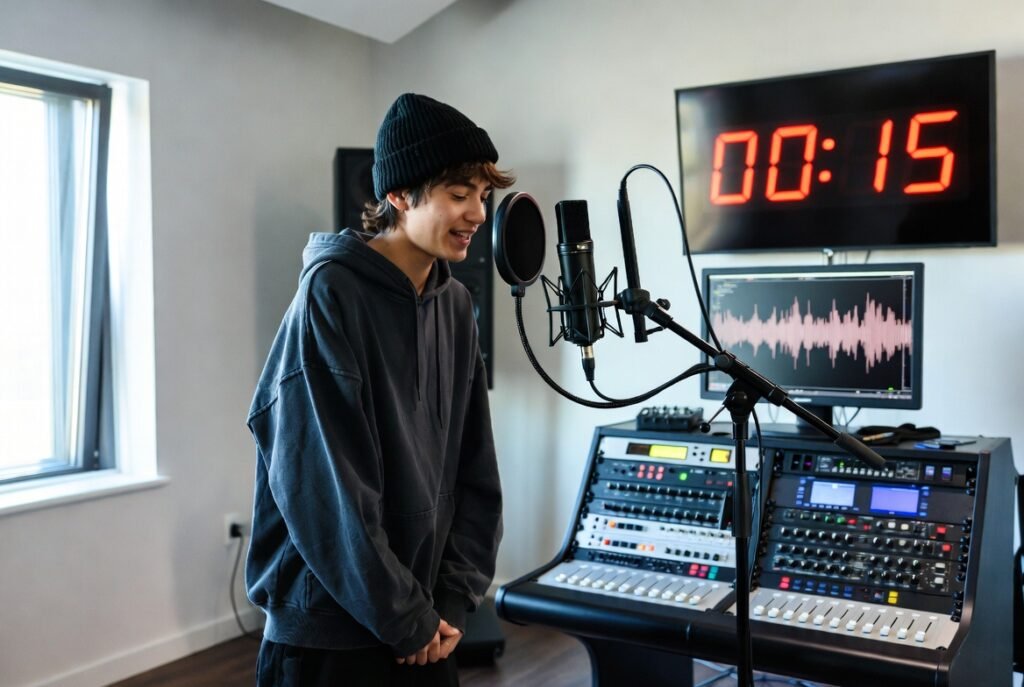
Artists are increasingly writing music specifically for 15-second clips on social media. The song snippet culture has created a music pattern, where artists produce tracks with one main catchy element that becomes popular but damages the rest of the song. The first ten seconds of any song release has become the most critical segment, which has transformed how songs are constructed.
Hybrid Live Experiences
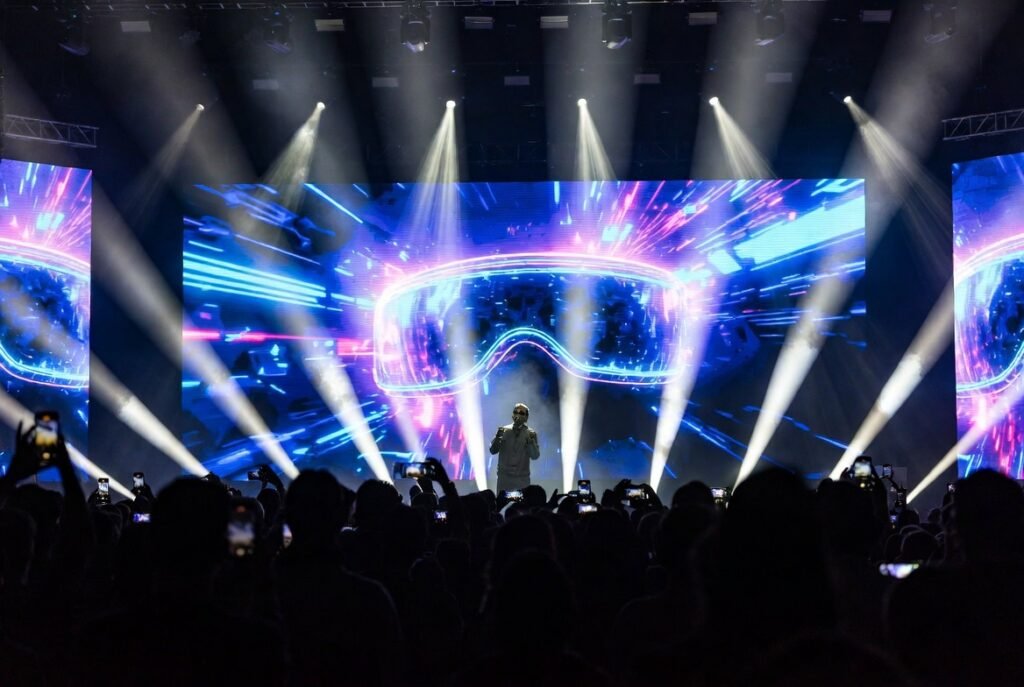
Concerts now became events, which extended beyond their original audience capacity. Artists design their shows to include “hybrid” components, which provide interactive digital content through virtual reality to fans who watch from their home setting. The system allows people around the globe to see “sold-out” New York or London events through virtual platforms, which create an online representation of actual shows.
Afrofuturism and Global Beats
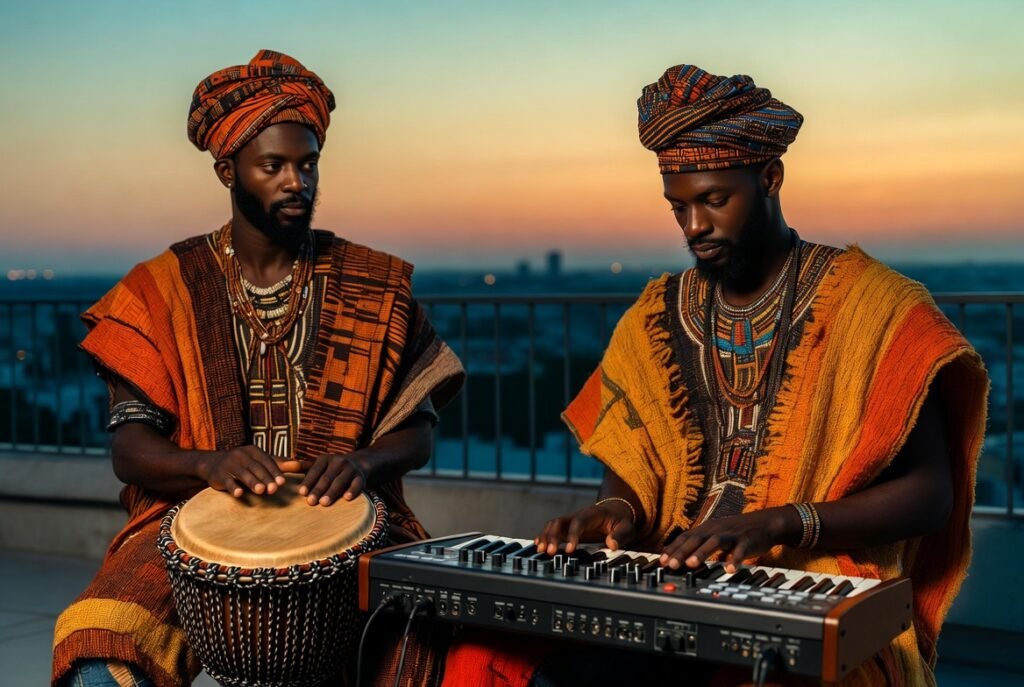
The African diaspora now has a greater influence on international music charts. The musical movement Afrofuturism combines traditional African instruments with futuristic electronic sounds to create new music, which now exists as a mainstream musical movement.
The Sustainability Push for Touring

Environmental concerns are changing how big bands hit the road. Top artists now conduct “green tours,” which involve solar-powered stages and plastic use restrictions at their venues while they operate carbon-offset initiatives to balance the climate impact of their concerts.
Nostalgia and the “Twenty-Year Rule”
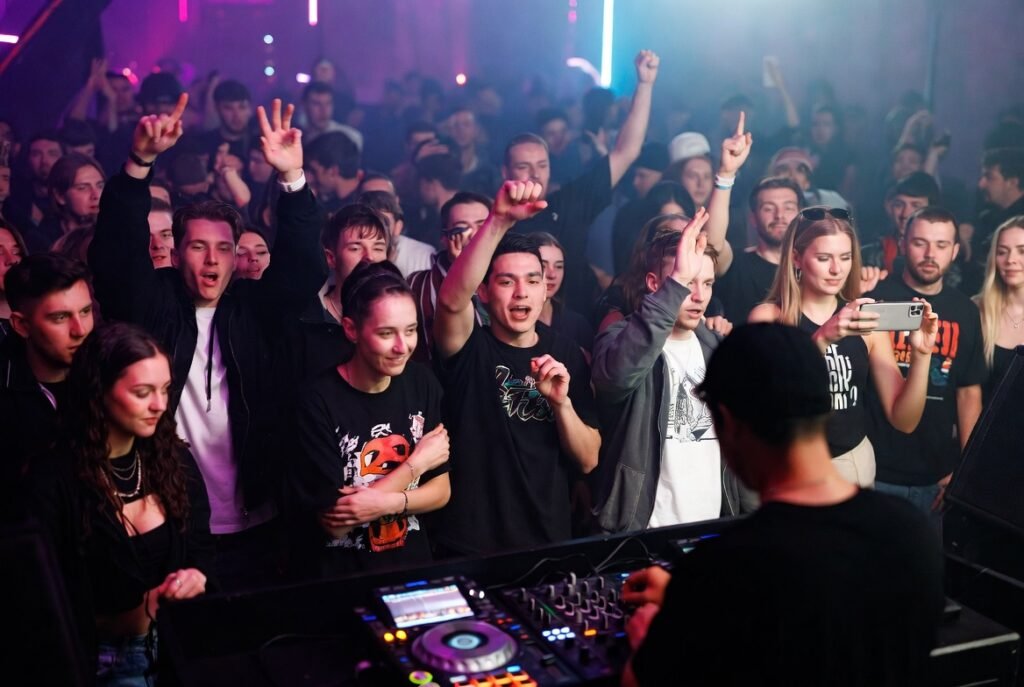
The 2010s have become officially recognized as “vintage.” The musical styles from 2010 have become trendy again, which has resulted in the resurgence of both hyperpop and early EDM styles. Fans have reached peak nostalgia when they gather at throwback events and band reunions of groups that were famous only a decade ago.
Music as a Wellness Tool

Music has evolved into a form of “functional medicine” that people use for health benefits beyond just entertainment. The specialized tracks create specific sound frequencies and binaural beats, which users believe will help them balance hormones and improve their sleep. The “health-tech” music sector represents the most rapidly expanding portion of the music industry.
The Return of the “Guitar Anthem”
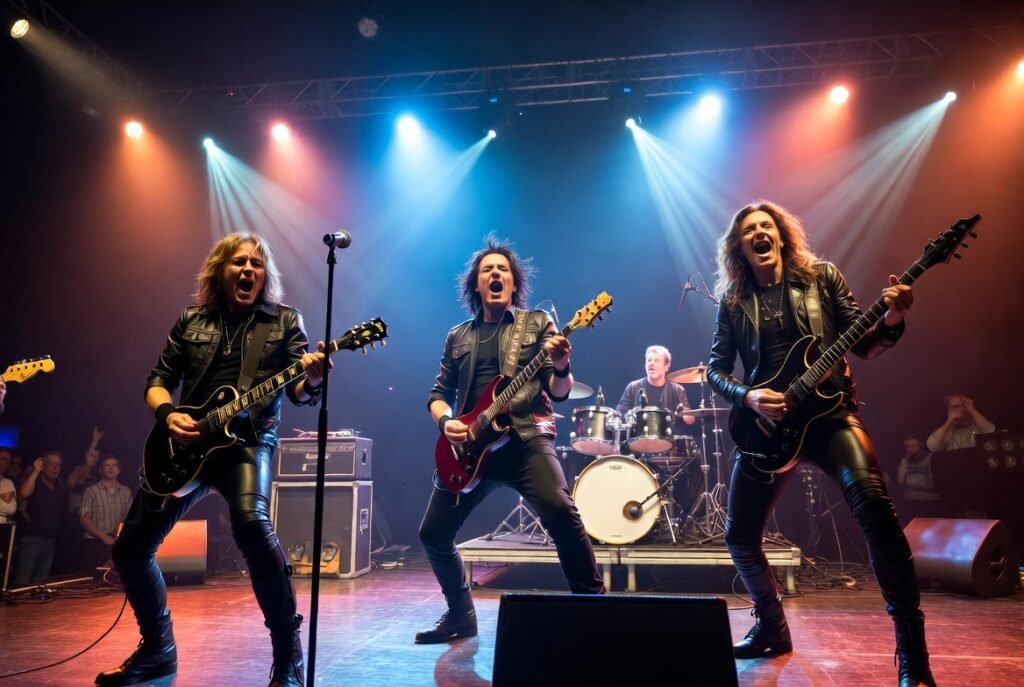
The airwaves have shifted from synthesized pop and trap beats to rock and metal music, which has brought about a “rock and metal revival.” The new music movement has emerged as bands reject “ultra-processed” digital sounds and perform with authentic guitar and drum instruments to satisfy fans who want “organic” music.
The “Post-Genre” Artist

The latest generation of breakout stars refuses to be labeled. Contemporary artists now combine country music with rave music and grunge music into their albums. The “post-genre” era shows how listeners today can access every musical style, which enables them to create mash-up tracks that radio stations cannot play.
