
An upward thrust in charges has made companies reconsider how they function and allocate resources. The pressure has been put upon the industries because of inflation, loss of hard work, and supply chain disruptions. Artificial intelligence is increasingly being used not as a luxury but as a means of managing expenses. The application of AI helps business organizations cut unnecessary expenses, increase efficiency, and make decisions faster. It is no longer a matter of innovation but a matter of survival and sustainability.
Automating Repetitive Work

Firms are deploying AI to perform ordinary enterprise jobs that were accomplished manually. Automation saves on exertion, and it increases speed and accuracy. The workers are able to concentrate on value-added work rather than routine work. This transformation reduces the costs of operation, but not the production.
Optimizing Workforce Planning

The analytics acquired with the assistance of AI can be used to predict the staffing requirements of businesses better. The firms can prevent overstaffing and understaffing during the low seasons and peak periods, respectively. Smart scheduling will decrease overtime and burnout. The reduction of costs in the labor area is direct as a result of better planning.
Reducing Supply Chain Inefficiencies
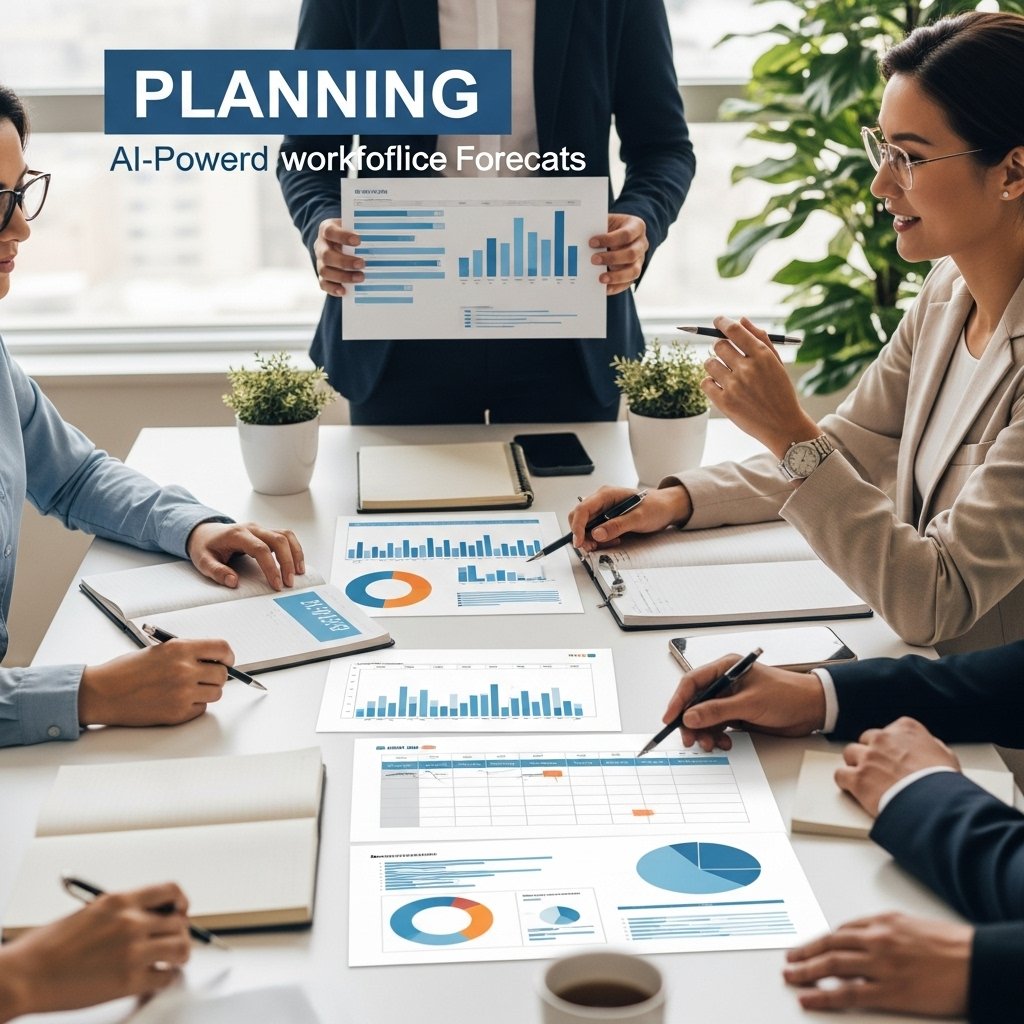
AI technologies examine the trends in demand, stock quantities, and vendor actions. This enables the companies to reduce redundant inventory and avoid scarcity. A smaller number of disruptions would result in reduced storage and emergency procurement expenses. Supply chain is made leaner and more predictable.
Improving Predictive Maintenance
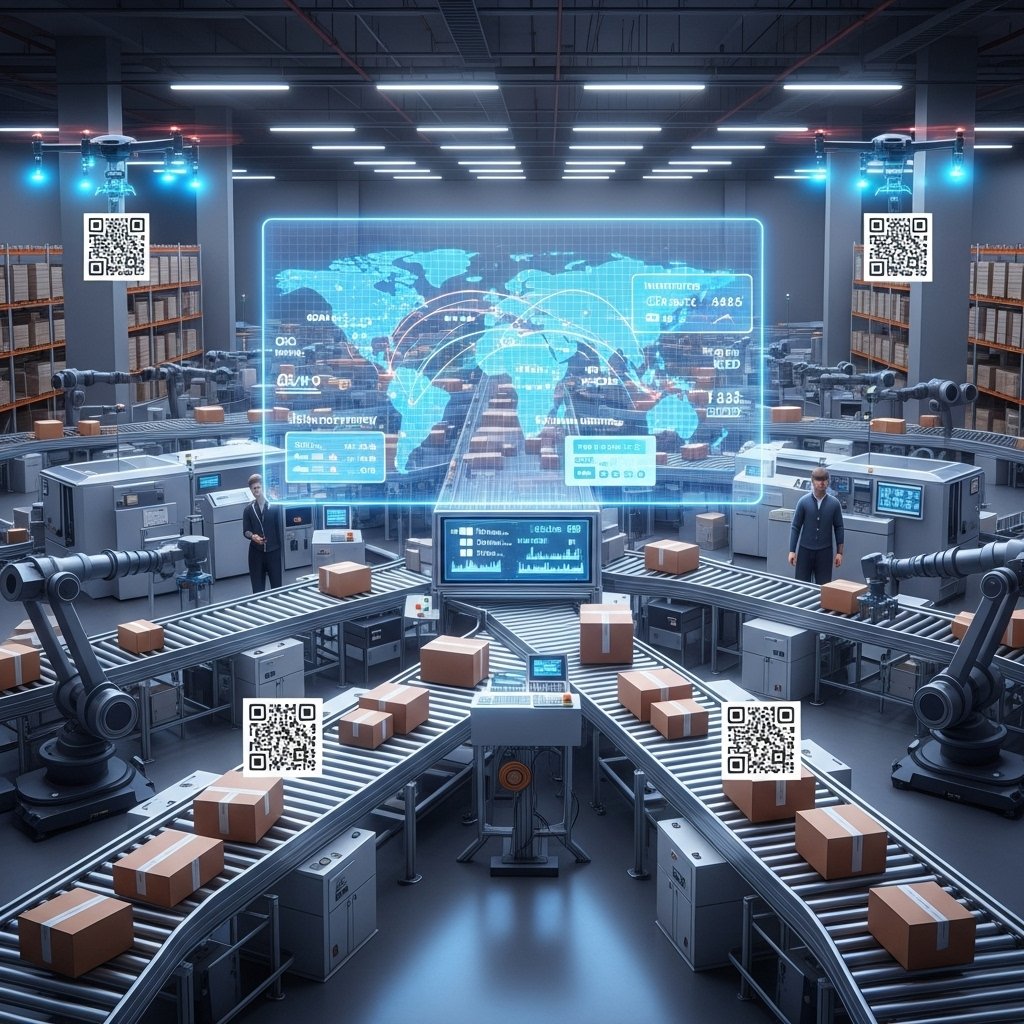
AI helps companies in manufacturing and logistics to anticipate the failure of equipment before it occurs. Preventive maintenance saves on costly downtimes and emergency maintenance. Machines are durable in cases where the problems are solved early. This strategy reduces the maintenance cost over the long term by a considerable extent.
Enhancing Customer Support Efficiency
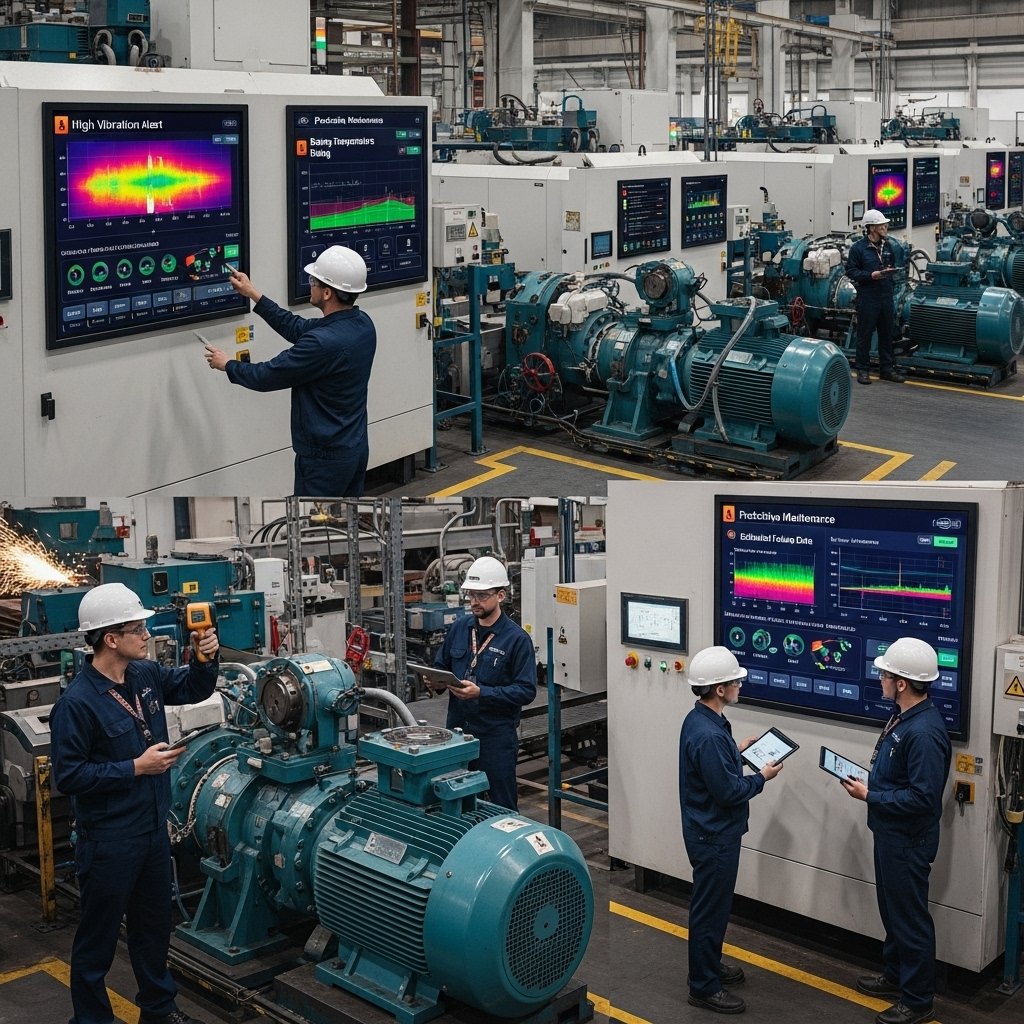
Chatbots and digital assistants, which are powered by means of AI, reply to common patron inquiries right away. This minimizes the need to have a huge support staff and does not affect service delivery. Human actors are able to give attention to multifaceted problems. The costs of support are lowered and response times are also enhanced.
Streamlining Marketing Spend
AI assists companies in finding out which campaigns provide real returns. Predictive models optimize ad placements and budgets on a real-time basis. Companies do not spend money on poorly performing channels. Marketing is more effective and quantifiable.
Improving Pricing Strategies

AI-based dynamic pricing models change the prices according to the demand, competition, and costs. This assists the firms in cushioning margins in volatile market conditions. More intelligent pricing lowers losses in revenue. Decisions become informed and not reflexive.
Reducing Energy and Resource Waste

The AI systems track the energy consumption and utilization of resources in the operations. Firms will be able to track inefficiencies and streamline the utilization patterns. Reduction in energy wastage will directly lead to reduced operating costs. Savings and sustainability are compatible because of clever management.
Supporting Faster Decision-Making

AI works through massive amounts of data at a faster rate than its conventional counterparts. Leaders receive real-time information that saves them the cost of time wastage and mistakes. Quick and prompt decision-making eliminates opportunities. The efficiency is enhanced among departments.
Scaling Without Proportional Cost Increases

The AI enables businesses to expand their business without necessarily adding staff. There is digital scaling of processes instead of manual scaling. Growth is made more economical and managed. This is essential in the uncertain economic conditions.
