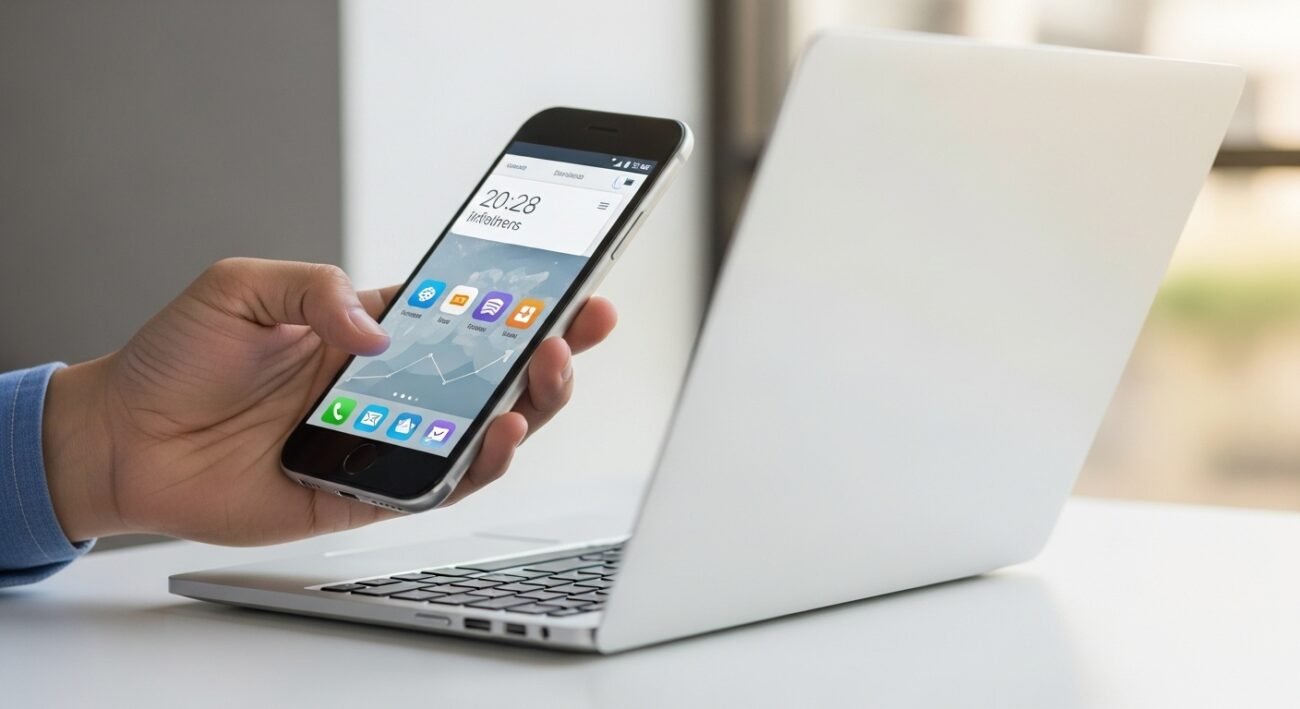
Mobile phones are no longer mere communication devices but rather tools that have affected the day-to-day lives of people over the last 20 years. What began as a convenience has turned into a very much ingrained part of the way people work, socialize and consume information. Smartphones have become a source of influence, attention, attentiveness, and even personal identity. Their influence is much deeper than calls and texts, changing the whole industry and social standards. This transformation can be understood to explain most transformations in contemporary society.
Communication Became Instant and Constant

Cell phones removed the aspect of long waiting periods in making and receiving calls, and instant communication became the order of the day. Social expectations are shifting in regard to availability, as people are now insisting on instant answers. Although this has made people more connected, they have also become less personal and professional life boundaries.
Information Access Became Universal

The internet is virtually in everyone’s pocket with Smartphones. What used to take books, offices, and experts to get the necessary information can now be accessed in just a couple of seconds. This has changed the position of power of individuals, and this has led to more exposure to misinformation.
Social Interaction Moved Online

Social media and messaging platforms increased at a faster pace because of mobile phones. A lot of relationships are initiated, developed, or dissolved completely on screens. Though digital interaction increased the social reach, it also diminished face-to-face communication in real life.
Work Became Location-Independent

Mobile devices allowed working remotely and being always connected. Communication via emails, meetings and task management can now be done anywhere. This elasticity enhanced productivity at the expense of flexibility in work hours and personal time.
Entertainment Became On-Demand

Telephones substituted television, radios and gaming machines for the users. The streaming, short videos, and mobile games transformed the way individuals unwind. It turned out to be more personalized and addictive to entertainment.
Photography and Memory Changed

The mobile camera revolutionized the way individuals capture life. Photos are being taken instantly in a selective fashion. Whereas it is easy to preserve memories, experiences are usually distorted by the desire to memorize them.
Navigation and Daily Decisions Simplified

Uncertainty during travel was eliminated by maps, ride-sharing and location services. Human beings do not depend on memories and plans. The convenience level went up, but the reliance on technology also expanded intensely.
Commerce Shifted to the Palm of the Hand

Buy behavior was altered with mobile payments and shopping apps. Buying was quicker and more spontaneous. Companies evolved and became mobile-first oriented.
Attention Spans Shortened

Users were taught through constant notifications to work simultaneously. Attention was divided in applications and notifications. Serious thinking has now to be directed.
Privacy Expectations Changed

Cell phones gather enormous personal information. Whereabouts, behaviors, and inclinations are followed at all times. Convenience has now been negotiated at the risk of privacy in society.
Social Movements Gained Momentum

Phones enabled faster information sharing and real-time documentation. Social and political movements obtained power to become visible and organized. This reformed activism and social responsibility.
Mental Health Awareness Increased

Long phone time revealed such problems as anxiety, comparison, and burnout. The discussions of digital well-being became more prevalent. The society is yet to learn how to use it healthily.
