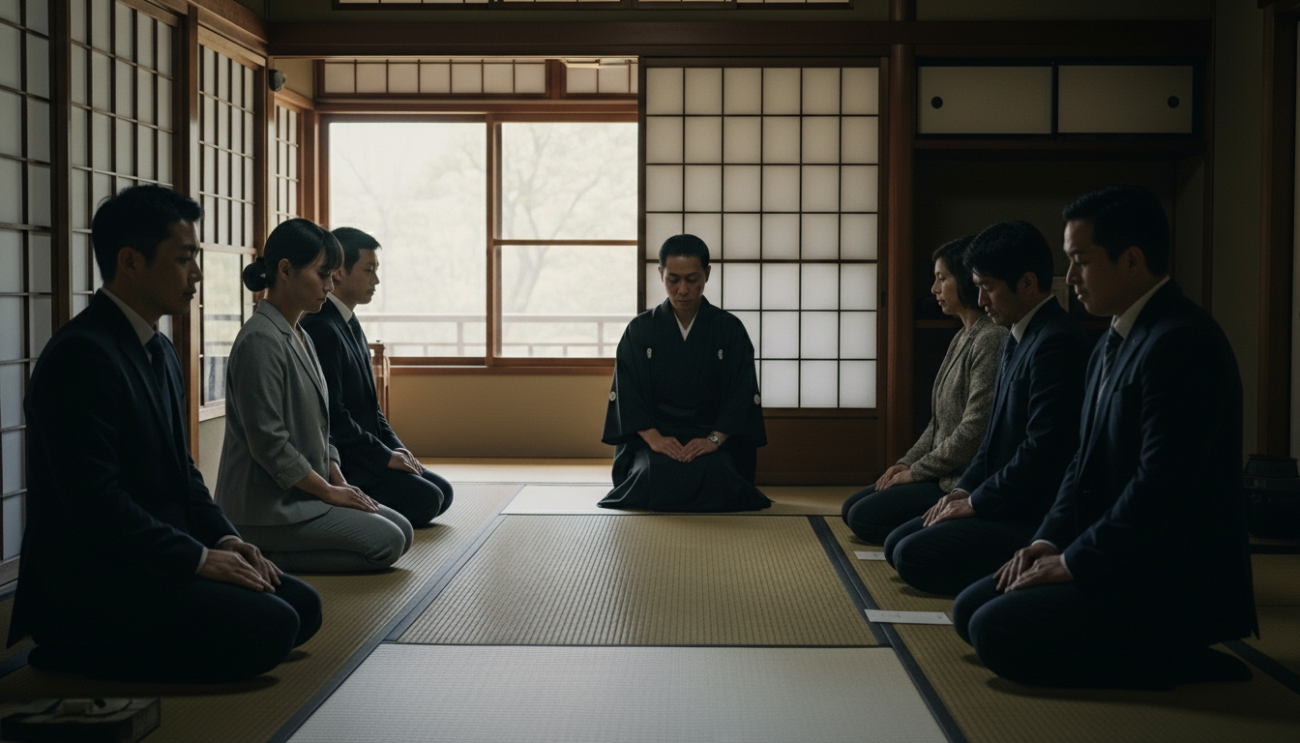
The Japanese tea ceremony now has its first complete existence since its creation as a traditional practice which requires participants to demonstrate both respect and their ability to remain silent. The combined effects of social media and tourism have introduced various new ways to experience this cultural practice while simultaneously creating difficulties that emerge from these modern methods of sharing and understanding its history.
Shortened Experiences for Tourists
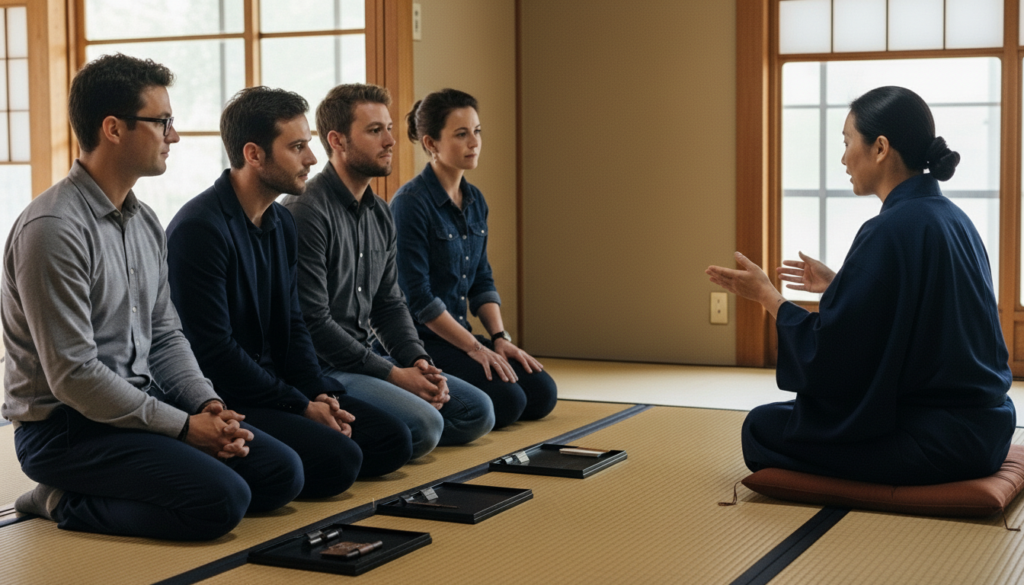
Traditional tea ceremonies can last for multiple hours. The schedule requirements of tourists lead to the creation of shortened sessions that enable them to experience the ceremony. The ceremony becomes more accessible through these changes, yet they diminish the essential elements which create the original experience of the ceremony.
Visual Appeal Takes Priority
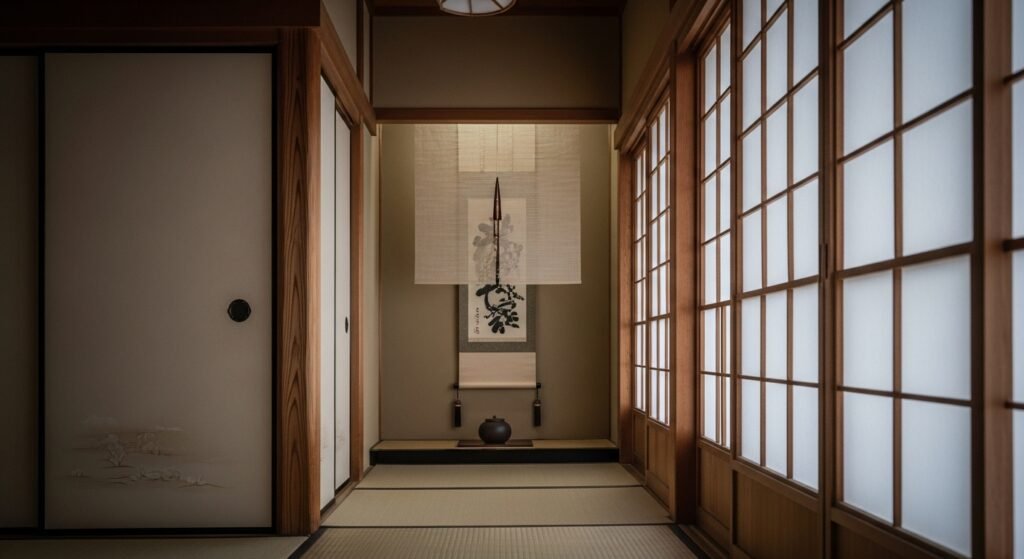
Social media platforms only support visual content because they prefer visual material. The result of this situation is that people pay more attention to beautiful locations together with their ceremonial objects and matcha bowls.
Increased Global Interest
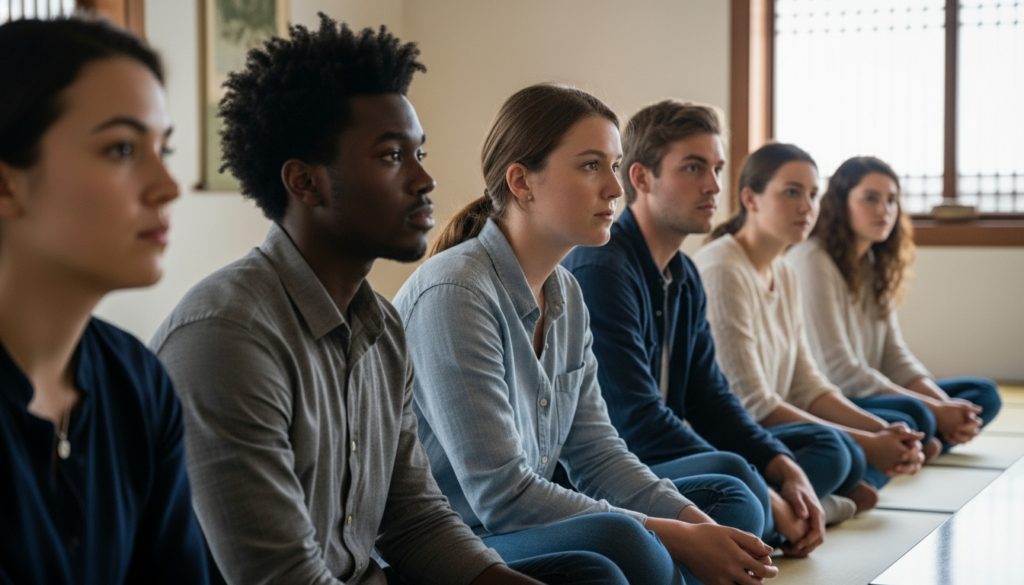
People around the world now learn about the tea ceremony through two main channels which include tourism and online platforms. The program maintains its appeal for younger audiences because it introduces the tradition to international viewers who had never encountered it before.
Rise of Beginner-Friendly Versions
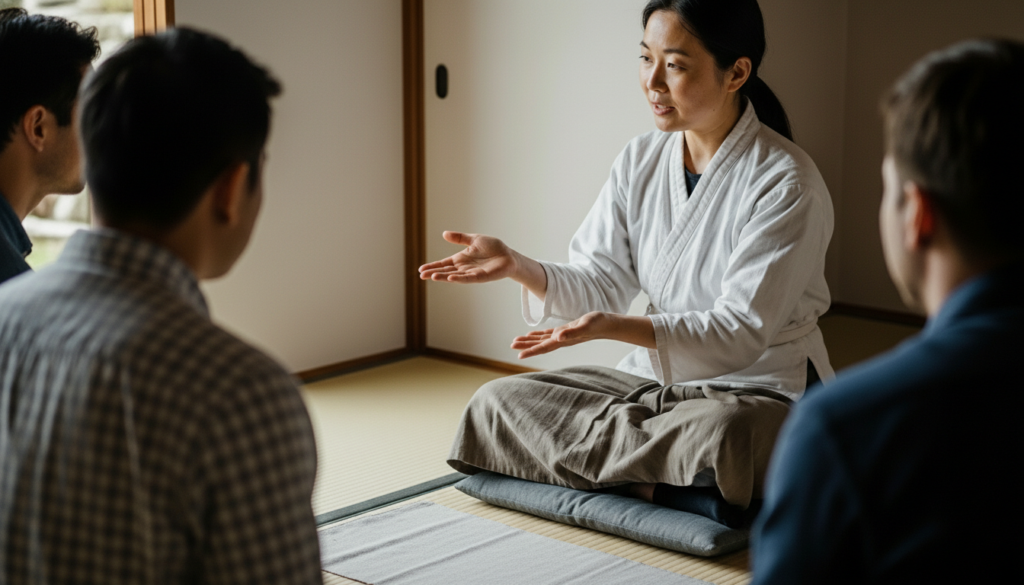
New participants discover new rules because hosts present the essential steps through their basic language. The procedure becomes simpler to execute, yet it eliminates the advanced procedures which make the process complex.
Shift in Guest Behavior
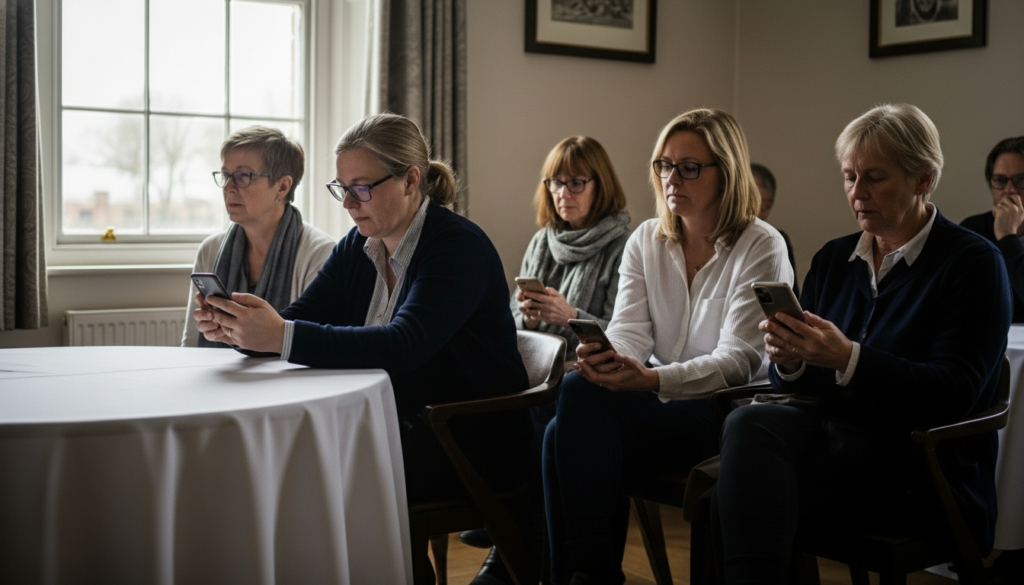
People use their phones and take photos throughout the event which destroys the peaceful environment. The ceremony requires both silence and focus from participants yet people today tend to behave in ways that violate these rules, which results in an altered atmosphere during the event.
Economic Support for Practitioners
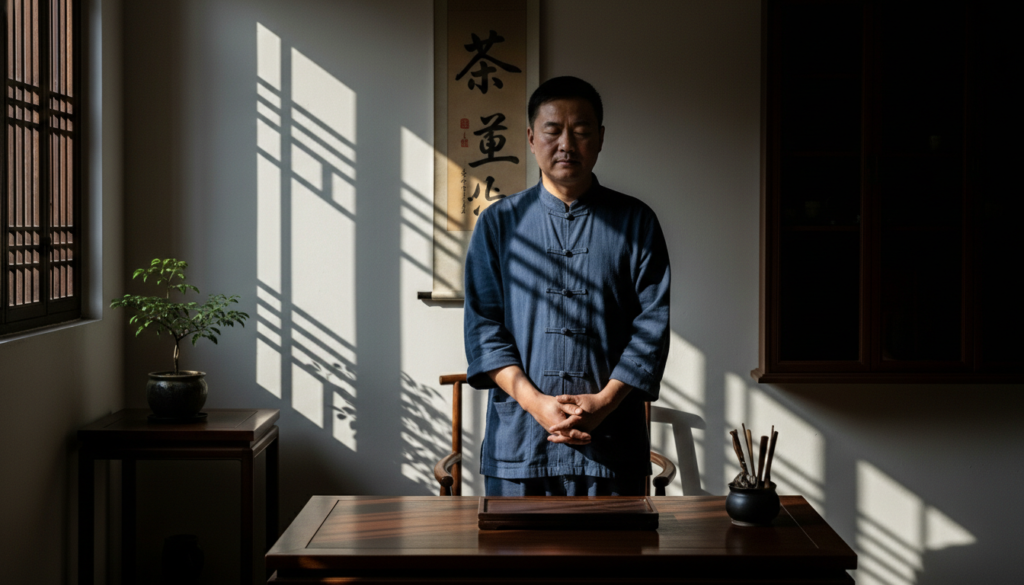
Tea masters and instructors and cultural centers receive financial benefits from tourism activities. The financial support enables the tradition to continue because modern economic conditions make it difficult to maintain lengthy training processes.
Cultural Education Becomes More Important

Educators use their time to teach students about meaning because their experiences now consume shorter periods. The staff provides guests with verbal explanations about context which shows them how much information needs to be simplified.
Balance Between Preservation and Adaptation
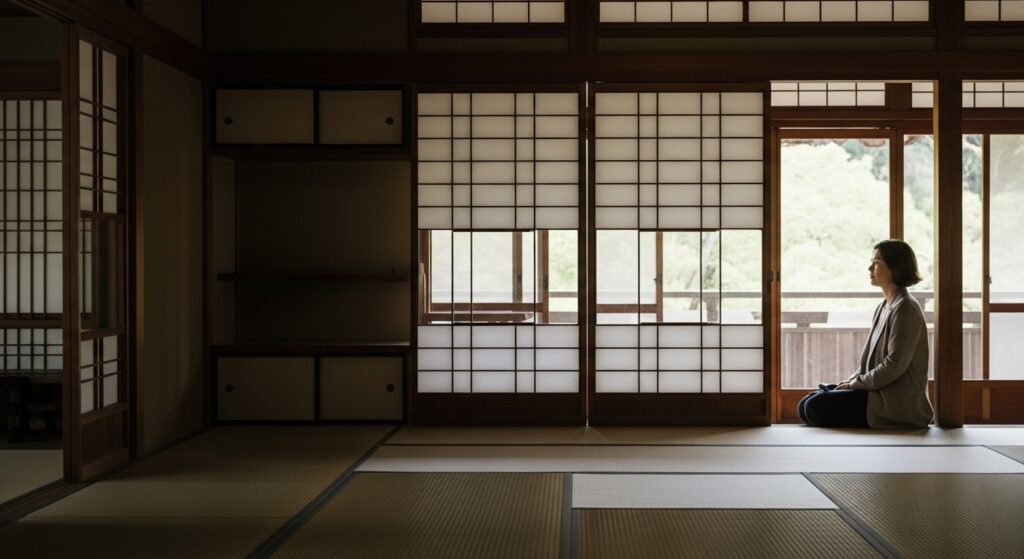
Practitioners today face challenges in finding the right way to balance their traditional practices with current societal demands. Some people modify their practices through careful design while others express concerns about experience dilution. The ongoing balance between these two elements will determine how the ceremony develops.
Tradition Finds New Forms of Respect
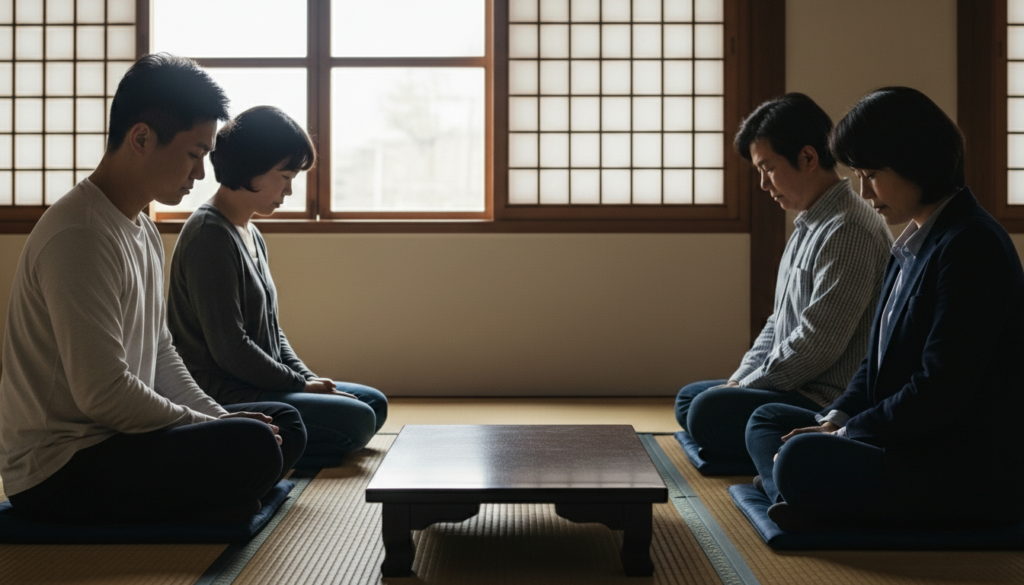
Many visitors develop genuine appreciation for the site because they experience it through multiple sensory details. Even brief exposure can spark deeper interest. When handled thoughtfully, modern tourism and social media can act as gateways rather than replacements for tradition.
