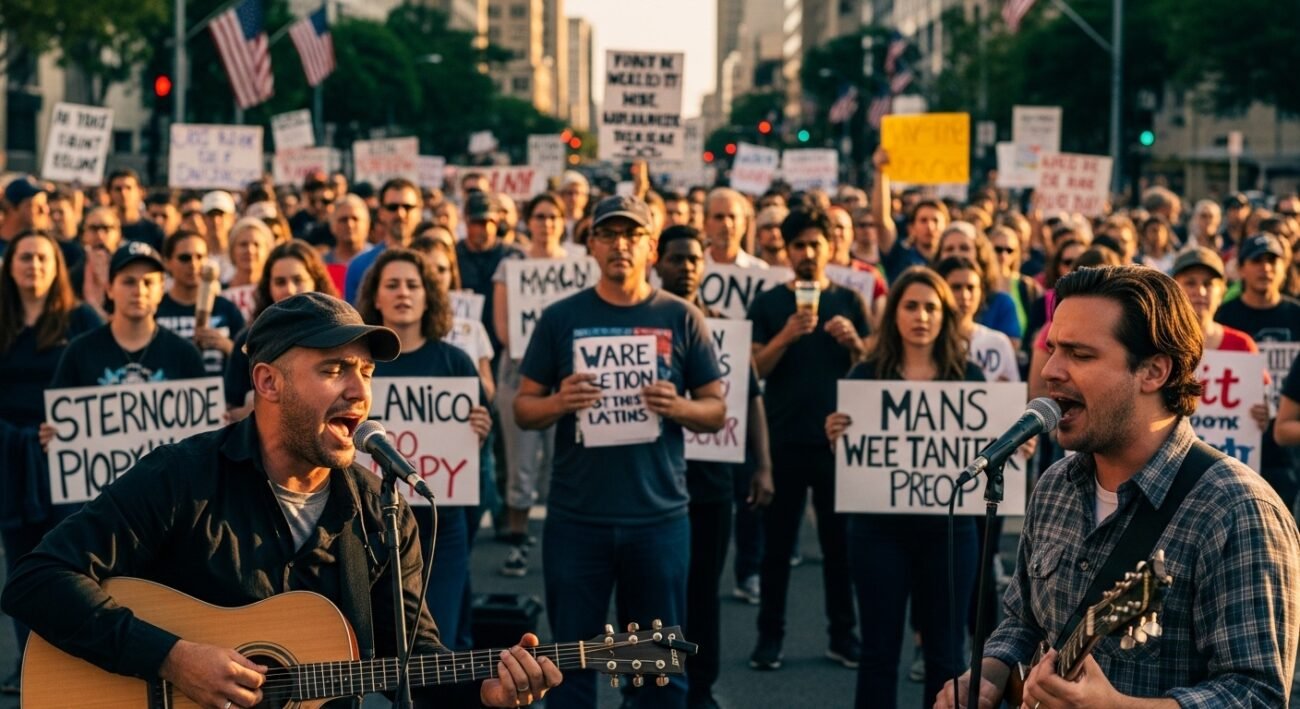
The United States has always treated music as a form of entertainment that serves greater purposes. The art of music unites communities while delivering messages to the world and fighting for justice in situations where words fail. Songs have functioned as the musical backdrop for all significant American historical periods from their introduction on Civil War battlefields to current city streets.
A Language for the Silenced

Musical expression served as the only way for disenfranchised communities to express their discontent throughout history and the enslaved people used the spiritual song “Go Down Moses” to pass secret information while they expressed their desire for freedom from a society that prohibited them from speaking.
Building Unity Through Singing
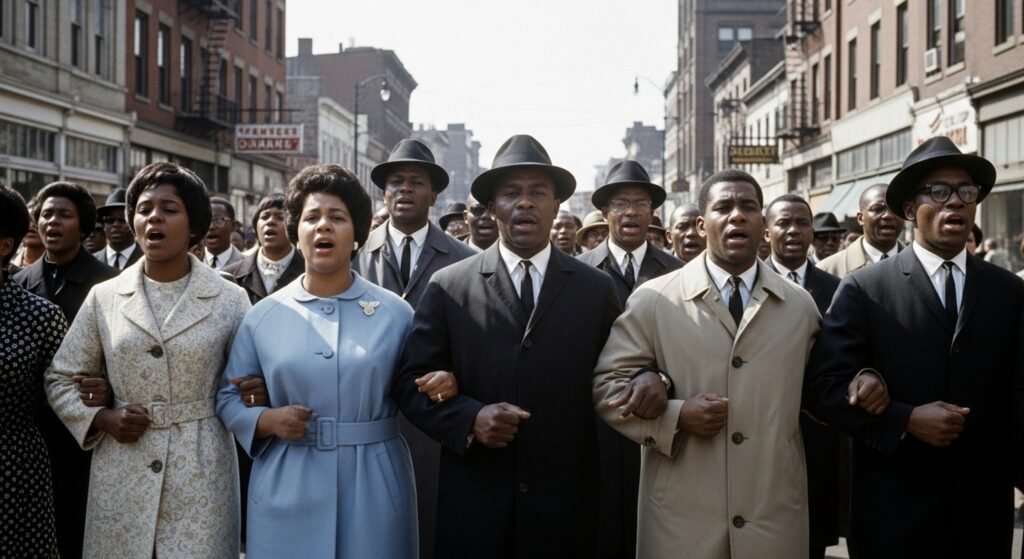
Protest music achieves maximum effectiveness when all participants sing together. The Civil Rights Movement allowed thousands of participants to sing together through the use of “We Shall Overcome” which features simple repeating melodies. The protesters built a sense of togetherness through their collective singing which provided them with strength to face the struggle.
The Power of the Anthem
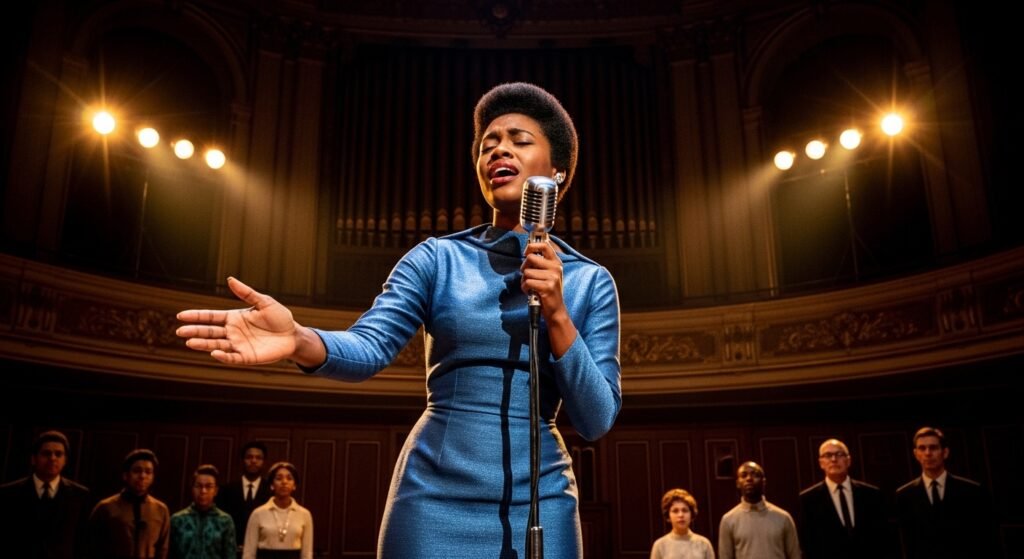
Songs develop into “anthems” which capture the struggle of an entire generation. The civil rights movement adopted Nina Simone’s performance of “Mississippi Goddam” and Sam Cooke’s release of “A Change Is Gonna Come” as shared emotional expressions which defined its objectives and struggles for equality.
Music as a “Soft” Form of Protest
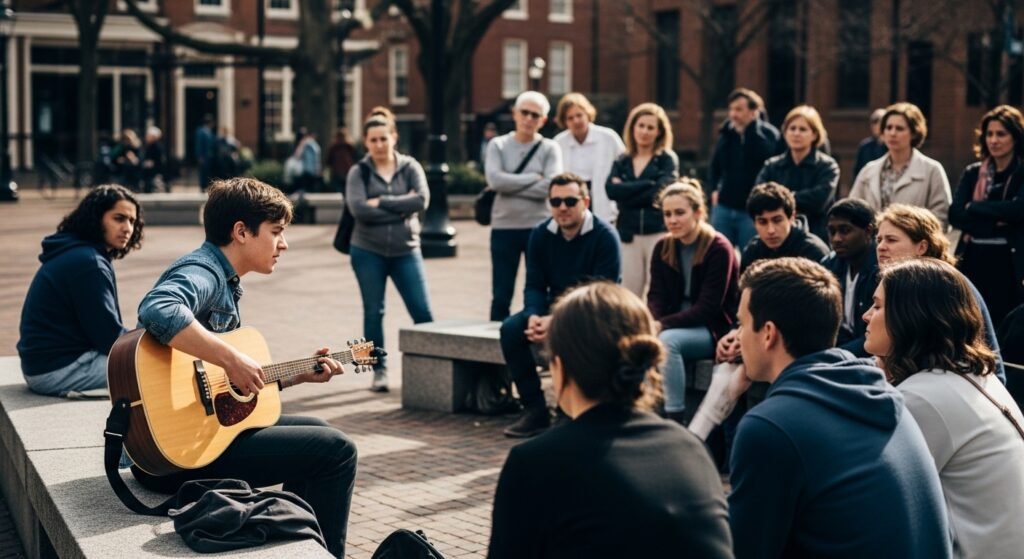
Musical compositions function as non-aggressive methods to confront power when compared to violent speech and physical strikes. The emotional impact and memorable nature of songs enables them to reach people who would normally reject political messages and thus create change through their music.
The Beat of Anti-War Protests
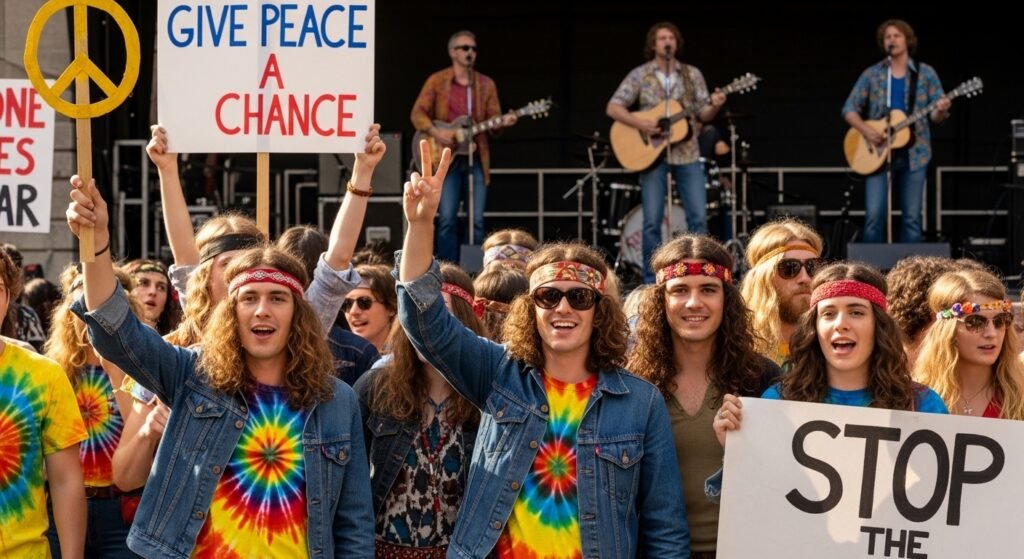
During Vietnam War times, music became the primary method through which young people expressed their anti-war beliefs. Edwin Starr’s “War” and Creedence Clearwater Revival’s “Fortunate Son” became the countercultural movement’s musical backdrop which promoted peaceful solutions instead of violent conflicts.
Empowerment and Identity
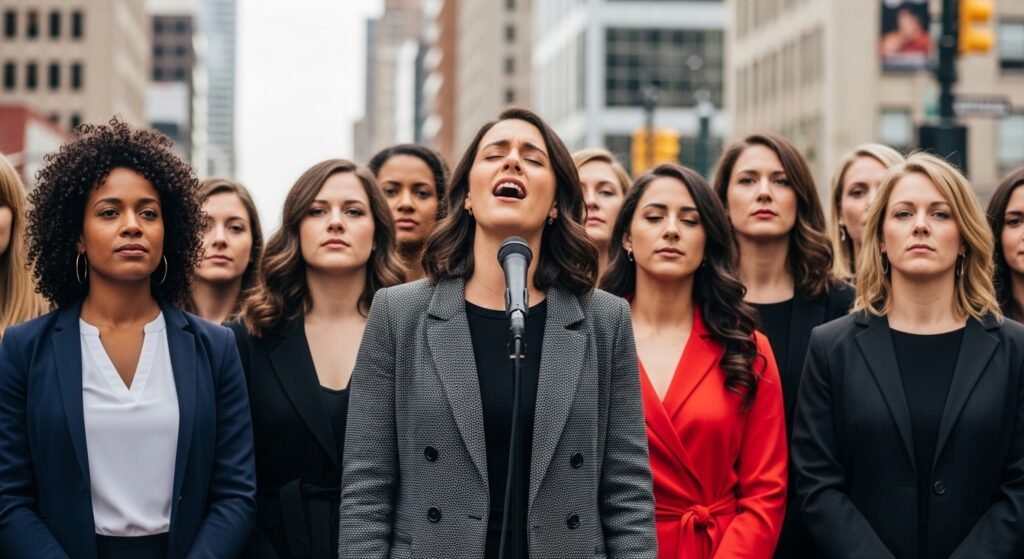
The Women’s Liberation movement and the LGBTQ+ movement both depend on music for their essential needs, Aretha Franklin’s “Respect” and Helen Reddy’s “I Am Woman” became public empowerment songs which transformed personal identity into a powerful statement of social strength.
Creating “Moving” History

Protest songs serve as an oral archive. Historical music provides more understanding about past emotional states and social environments than textbooks and music maintains the historical essence of a period because it continues to educate people about previous events throughout time.
The Influence of Benefit Concerts
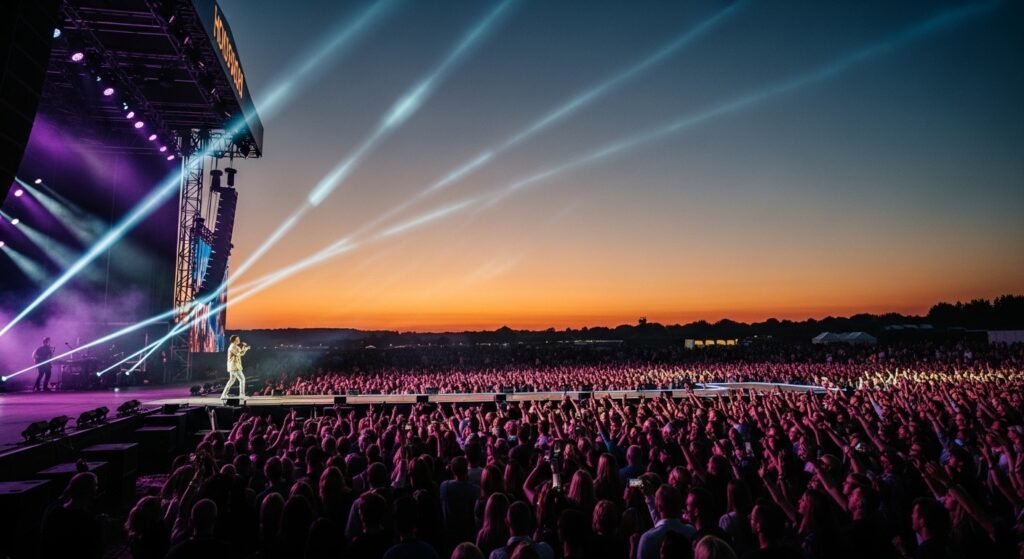
The performance arts demonstrate their ability to create social benefits through musical presentations at both “Live Aid” and local concerts. The event unites famous performers to achieve multiple million-dollar fundraising goals for famine relief and farmworker rights and disaster recovery efforts.
The Speed of the Digital Age

In contemporary society, social change songs achieve viral success within mere seconds. The internet enables instant access to Black Lives Matter anthems and environmental protection songs by providing online distribution without traditional music distribution obstacles.
