
Shared culture refers to a group of people who share common beliefs, customs, values, and behaviors that bind them together to share the purpose of living and understanding of the world. It often passed down through generations via music, food, language, art, and shared experiences. There’s no need to speak the same language to feel connected, shared culture builds connections across borders and gives a purpose to make life better.
Music Creates Understanding

People need certain paperwork to cross borders but music crosses borders without translation and paperwork. The thing is that the song’s rhythm or melody can feel familiar anywhere. People enjoy the same tunes, dance styles, or concerts which creates shared feelings and easy connection.
Food Brings People Together
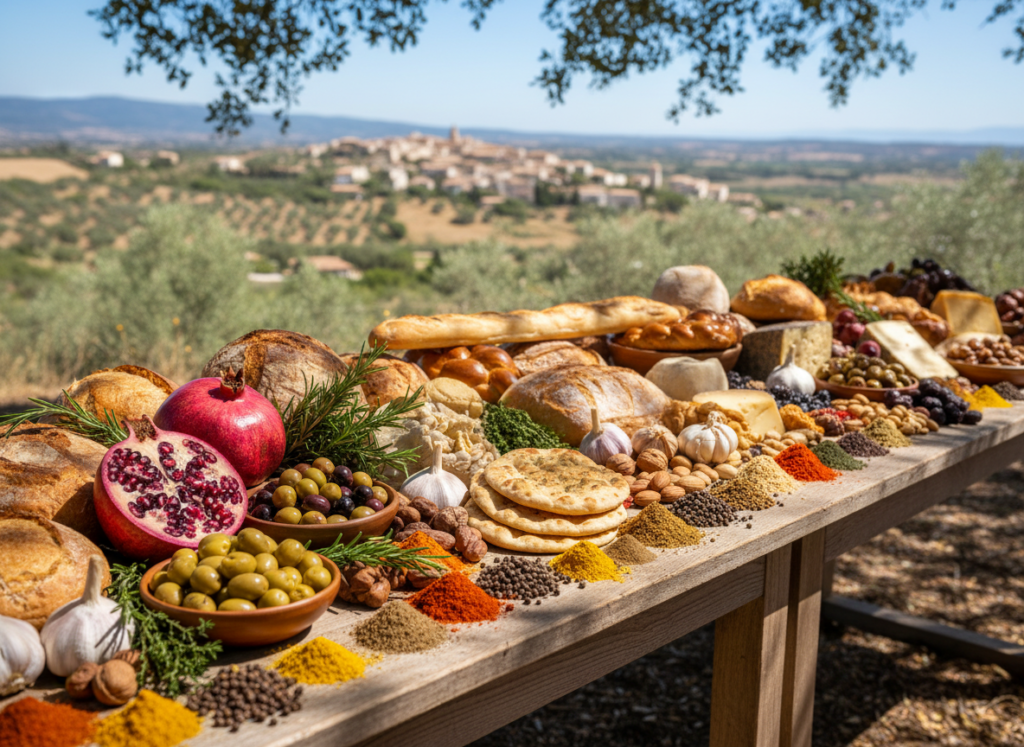
Indeed, trying food from another culture significantly develops curiosity and respect. For example, traveling aboard and visiting restaurants creates conversations and helps people learn about each other while enjoying food.
Movies Tell Human Stories

Stories show emotions that everyone can understand without subtitles. For example, love, family, struggle, and joy feel familiar everywhere. Watching films from other countries helps people relate beyond borders.
Festivals Encourage Shared Celebration

Festivals invite people to join traditions together. Music, clothes, and rituals create joy. Participating or even watching builds appreciation and a sense of belonging.
Sports Create Global Bonds

Sports unite fans across countries. Supporting teams or players builds excitement and shared pride. Games create moments people celebrate together, no matter where they live.
Language Exchange Builds Respect

Learning simple words from another language shows care. Even small efforts help conversations feel friendlier. Language exchange builds patience and understanding over time.
Art Shows Shared Emotions

Paintings, crafts, and design express feelings without words. Art helps people see how others think and feel. This shared creativity builds quiet connections.
Traditions Teach Daily Values
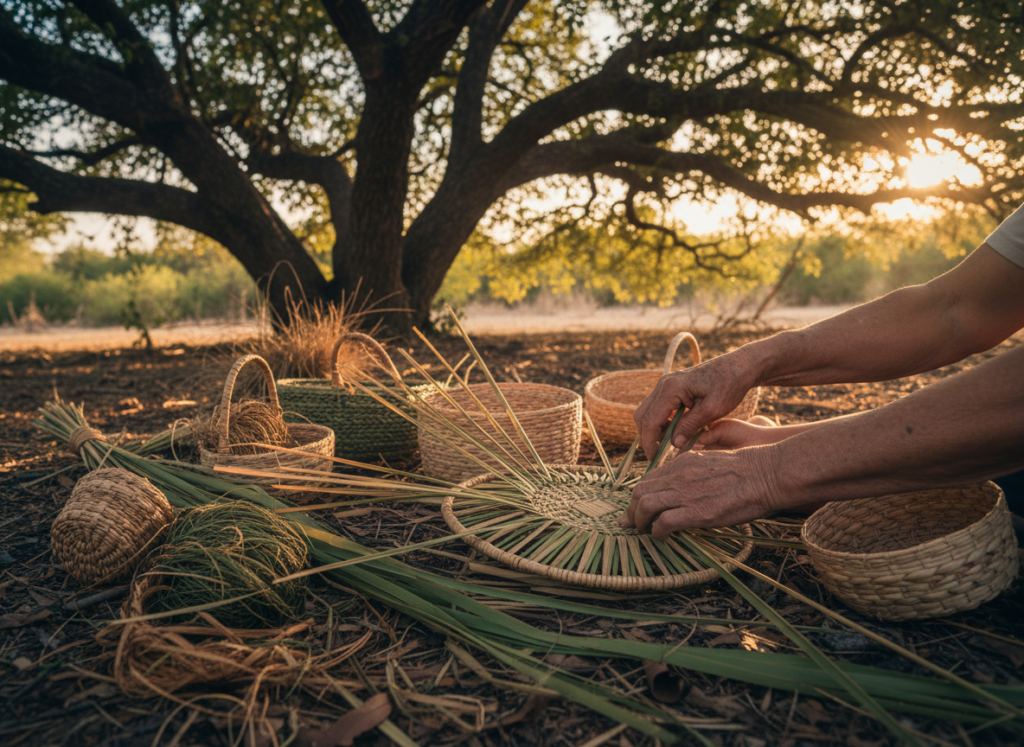
Parents and elders teach traditions and values from childhood. Because they show how people live and care for each other, learning these habits helps reduce misunderstandings and builds respect between communities.
Travel Encourages Real Interaction

Many people experience this way, travel allows direct cultural experience. Talking to locals, buying products from there, and observing their daily life creates learning. These moments often change views and build empathy.
Online Culture Connects People

Social media, videos, and trends spread culture fast. I mean such platforms offer diverse cultural content to inspire and learn daily. Shared jokes and ideas create global conversations. This everyday sharing keeps connections alive across borders
