
Good connection was a luxury that was previously considered a city privilege. In the modern world, the speed of the internet and access to networks are becoming common in towns and places that were hitherto inaccessible. This is a transformation that is silently altering the ways of work, learning, and development of small communities. The impacts extend beyond convenience to touch economic, social, and cultural life. The issue of better connectivity is not substituting community life, but instead, it is changing the way it functions.
Remote Work Becomes Viable

Fast internet connections make telecommuting a possibility for locals. Nationals or globals may hire people and make them locals. This will decrease urbanization. Societies have trained experts who would have to emigrate.
Access to Education Expands

The online learning platforms introduce new possibilities in education. Virtual classes, certifications, and degree programs can be accessed by students. Adult learners acquire skills without having to take long journeys. Education is made more adaptable and accommodating.
Healthcare Access Improves

Telemedicine minimizes the use of frequent visits to the hospital. Patients have a chance to talk to specialists remotely. The chronic care is supported by monitoring tools. This enhances health outcomes in situations with low medical facilities.
Local Businesses Become More Competitive

Small businesses can utilize online tools due to connectivity. The efficiency is enhanced by online payments, inventory systems, and marketing. It is a competition of businesses based on quality and not location. This consolidates the local economies.
Community Voices Reach Wider Audiences

The social sites assist small groups of people to exchange stories and issues. Local problems become visible across geographical boundaries. The advancement of advocacy is developed. The identity of the community is not eliminated but enhanced.
Emergency Response Gets Faster
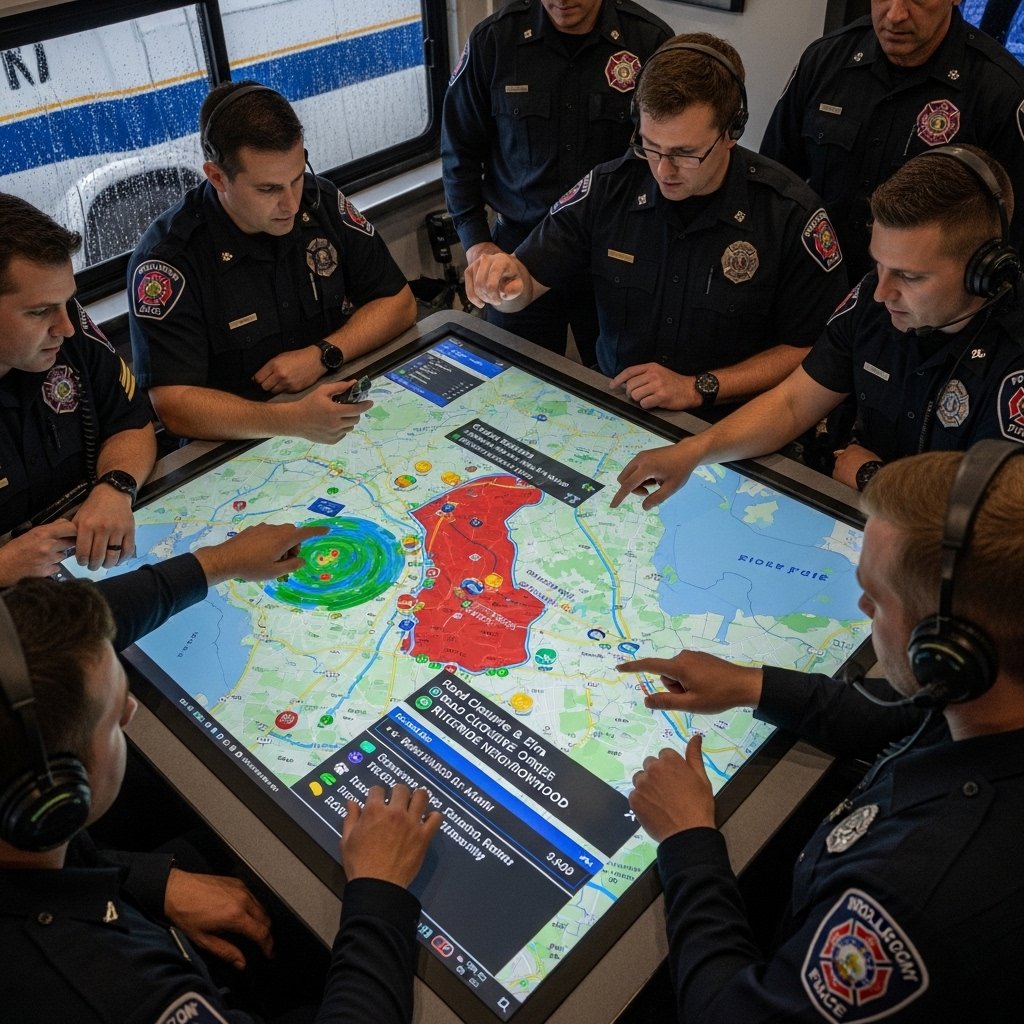
Better networks enhance quicker communication in case of an emergency. Real-time updates, coordination, and weather alerts help in saving time. There is efficient working of the emergency services. The infrastructure of safety is made more dependable.
Young People Stay Connected Without Leaving

Young residents do not feel isolated anymore. Entertainment, education, and social networking can be found on the local level. This lessens the strain to move out early. Societies keep youths with them.
Agriculture Becomes Smarter
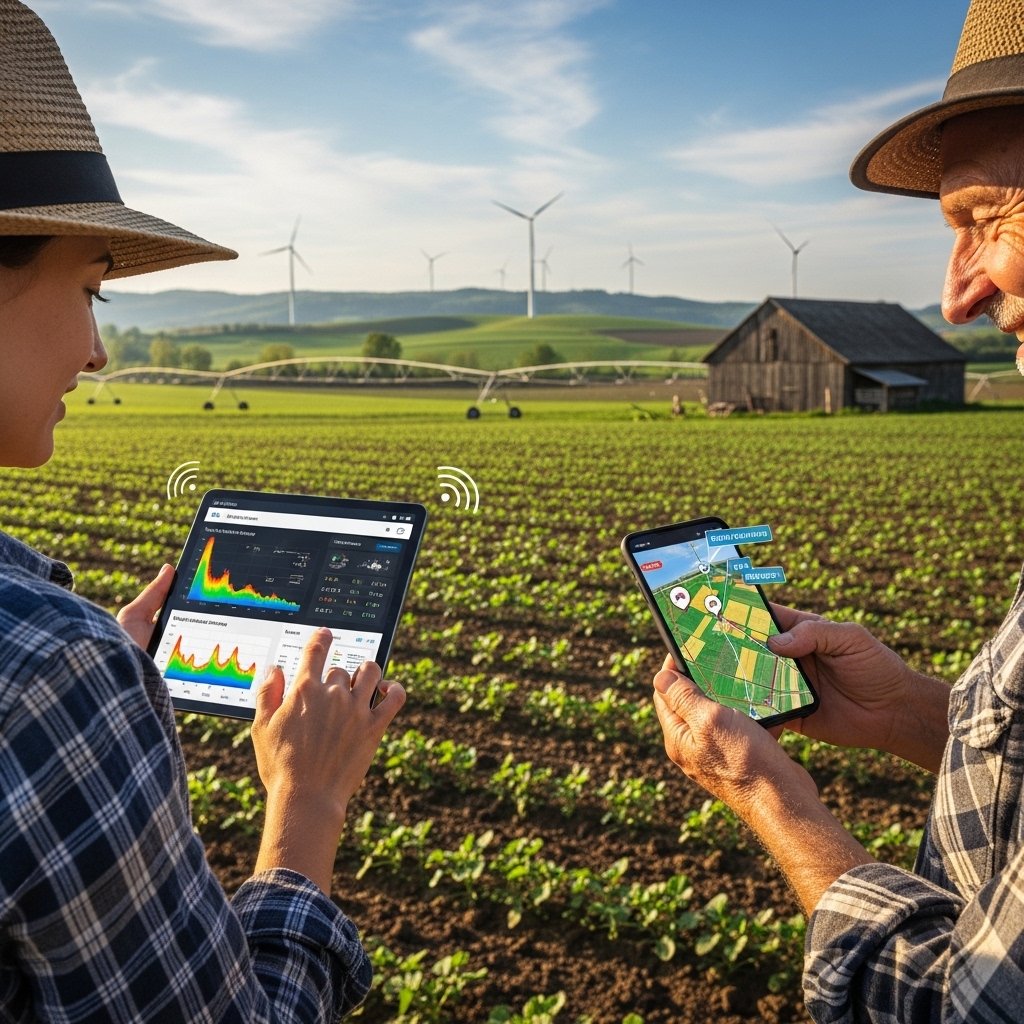
Modern farming tools are supported with connected technology. Yields are enhanced by weather information, ground surveillance and supply systems. Farmers make decisions they make promptly. Technology enhances the conventional ways of living.
Civic Engagement Increases

The population has an opportunity to watch virtual meetings and obtain open information. Participation is simplified among the limited mover or time-constrained participants. Trust is enhanced in the case of transparency. Local governance is more available.
Cultural Exchange Expands

Communities are exposed to the rest of the world through connectivity. There is a free flow of music, art, and ideas. Meanwhile, local culture is externally shared. Isolation is substituted with exchange.
Challenges Around Digital Literacy

Not all of them adjust equally fast. Elderly patients might have difficulties with innovations. Support and training become necessary. Education cannot be achieved only through connectivity.
Infrastructure Investment Shapes Long-Term Growth

Loyal connectivity is appealing to investment and services. Companies take digital access into account in the location selection. Infrastructure planning goes strategic. Connectivity can determine future developments.
