
The contemporary workforce is moving away from conventional office practices to establish a work environment which values employee health and implements digital technologies. The need for improved work-life flexibility and stronger ties between job responsibilities and personal beliefs drive this change. The changing definition of success by employees forces companies to change their management methods so they can maintain their market position in the fast-evolving international business environment.
The Rise of Quiet Ambition
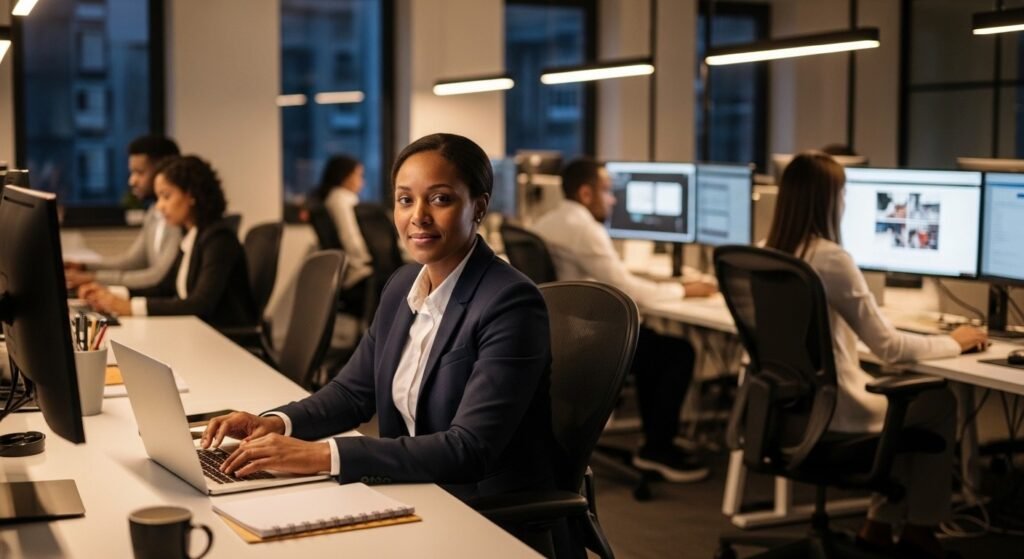
Workers today want to measure their achievement based on their life experience instead of relying on their employment status. The current trend involves completing all work tasks during office time while refusing to take on additional unpaid work which causes exhaustion, because mental well-being takes precedence over everything else.
Skill-Based Career Growth
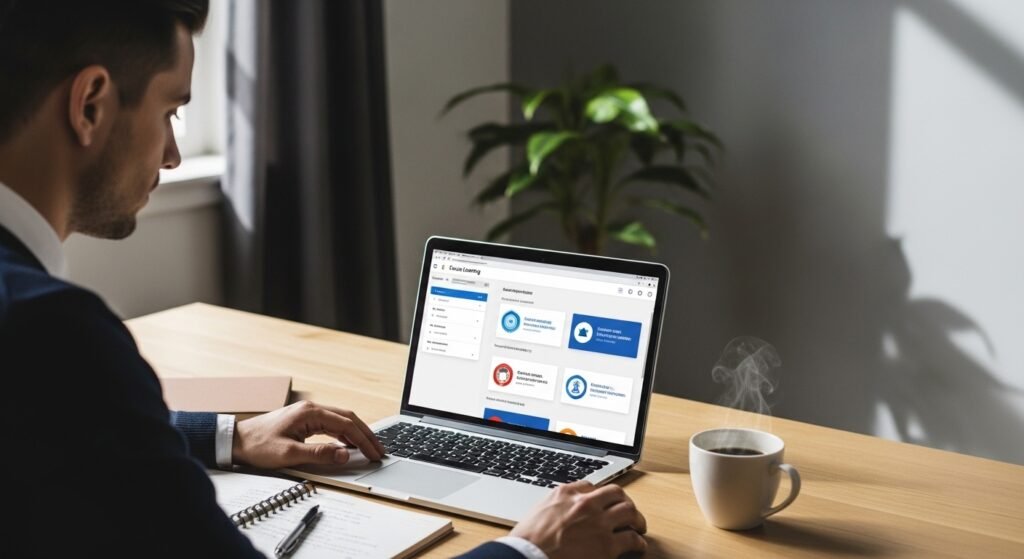
Organizations now require employees to show their particular capabilities instead of assessing their professional history through the number of years worked. Through online certifications and micro-learning, professionals manage their own educational path which allows them to stay current with upcoming technology and software updates.
Emphasis on Mental Health Support
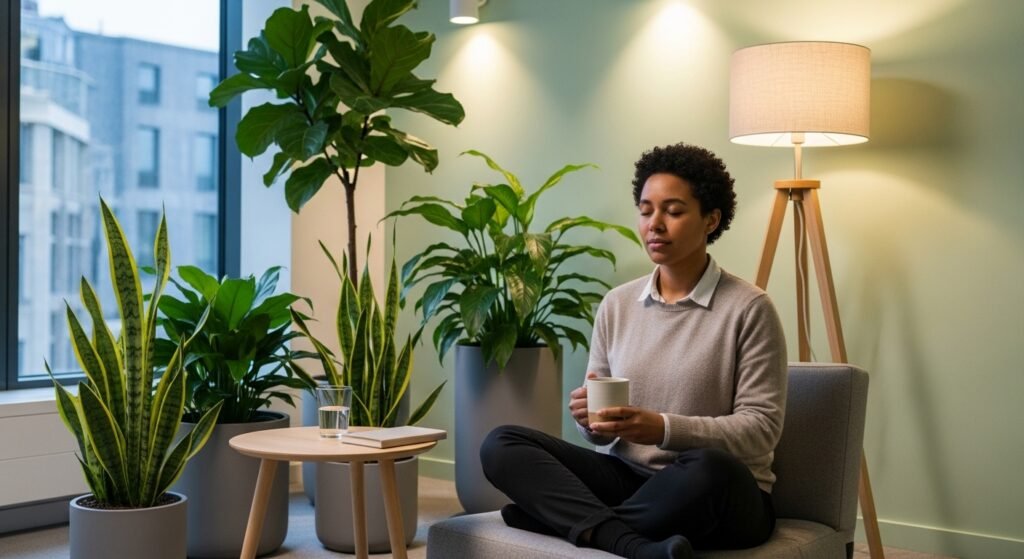
Modern workplace environments now include mental health support as a key element of worker protection. Organizations now consider open conversations about stress and wellness day availability as standard employee benefits because a healthy mind is essential for maintaining productivity over extended periods.
Asynchronous Communication Standards
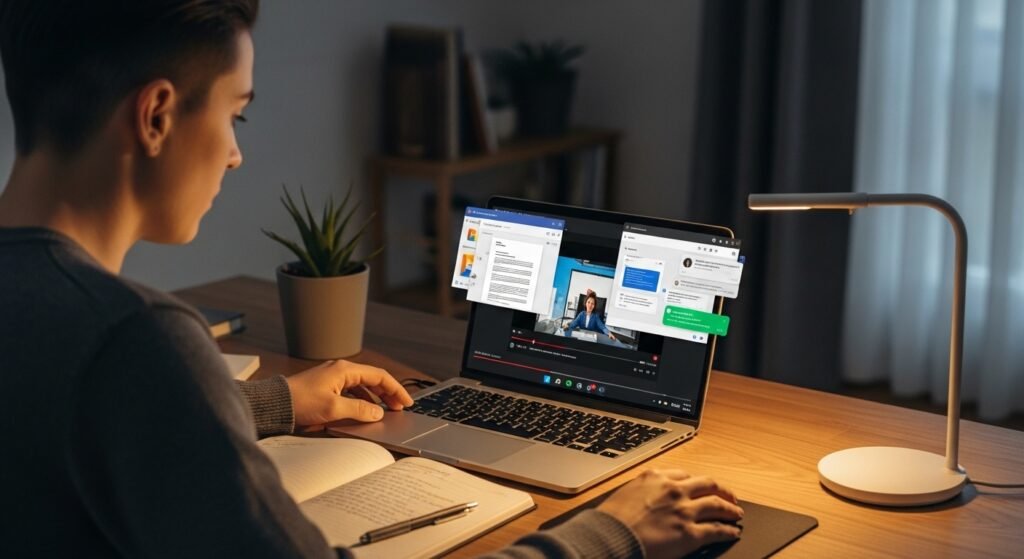
Teams now prefer recorded updates and shared documents because they need to accommodate team members who work different hours and reside in different time zones. The system eliminates the requirement for disruptive meetings which allows people to concentrate on their core tasks without interruption from non-emergency alerts.
Values-Driven Employment Choices
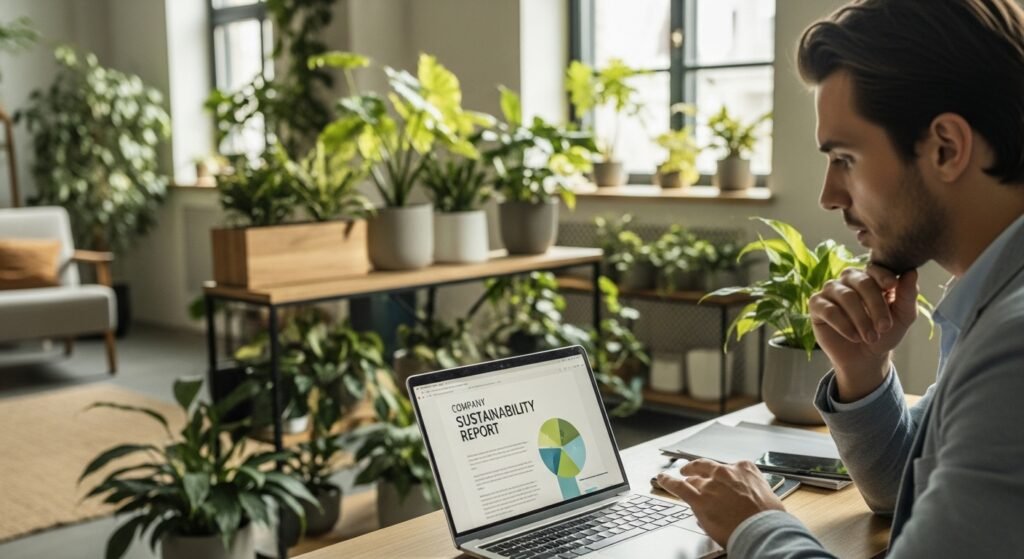
Workers today prefer to work for companies which support the same social and environmental causes they believe in and businesses that demonstrate authentic dedication to both environmental sustainability and ethical business operations will succeed in attracting and keeping top talent.
The Normalization of Fractional Work

The majority of workers today are adopting fractional employment which lets them provide their expertise to multiple clients at the same time. The system enables organizations to hire top executives without incurring full-time costs while providing workers with diverse work options and greater independence.
AI as a Daily Assistant

Artificial intelligence has transitioned from a perceived danger to an accepted efficiency tool which businesses now use. Workers use these technologies to automate repetitive tasks like scheduling and data entry which frees up their time for innovative problem-solving and human-centered strategic development.
Transparency in Salary and Benefits
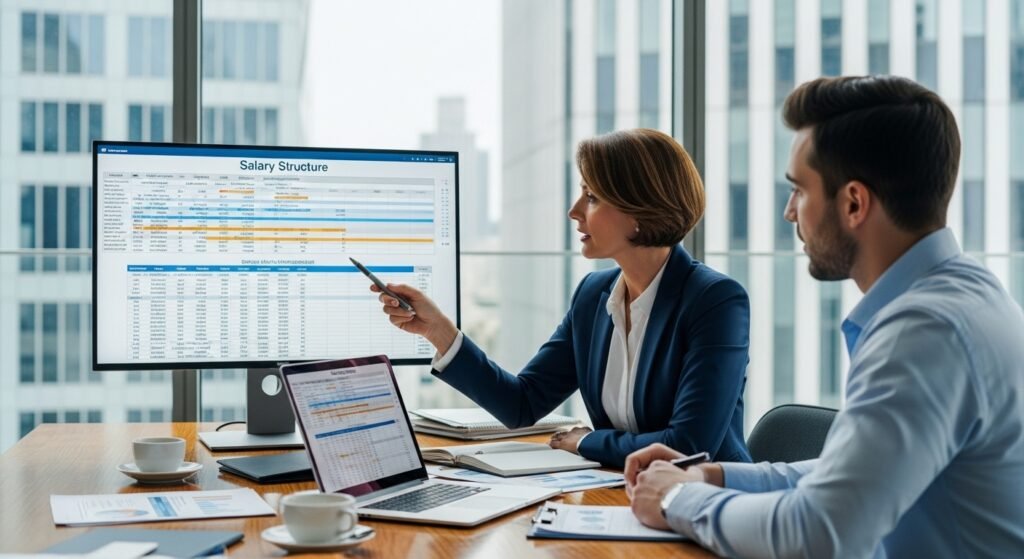
Organizations need to provide precise details about their compensation structures and advancement procedures and the organization develops trust through this transparency while ensuring equal treatment of employees who deliver different levels of work and market value.
Redefining the Physical Office

The office space needs to transform into a space which promotes collective work instead of serving as a location for singular work activities and the employees who meet in physical locations will spend their time on activities which promote team unity and innovative thinking and conduct vital meetings which need face-to-face contact.
Human-Centric Leadership Styles

Leadership roles have shifted from directly controlling employees to leaders who practice comprehension and provide guidance to their teams. Modern managers dedicate themselves to developing their team members’ skills while creating a secure atmosphere which empowers workers to share innovative concepts and acknowledge their errors.
