
The business environment of New York City which has always maintained strict social structures and a workaholic culture is now experiencing significant changes. The Wall Street companies have to change their business operations because the new workforce enters the market with their own distinct value system. The transformation involves more than just work benefits because it introduces a new way of understanding how work interacts with human existence.
The Death of the Five-Day Office Week

Young employees have succeeded in obtaining hybrid work arrangements even though some executives attempted to enforce complete office returns. Employees consider homeworking rights to work from home two times every week as their standard entitlement. The city now has a Monday-to-Wednesday flow because of Midtown Manhattan’s transformation into a “Tuesday through Thursday” center.
Casual is the New Professional
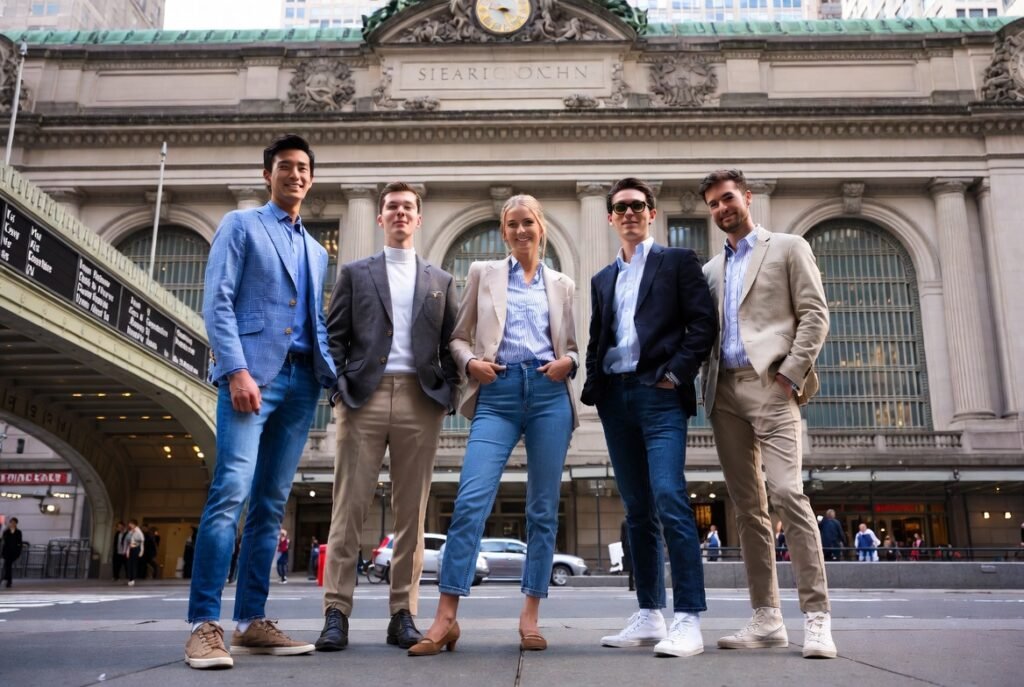
Grand Central Station now has fewer people wearing black suits than before. New York has changed its official dress standards to adopt the “power casual” style. Many corporate environments now permit sneakers, high-quality knits and tailored denim as appropriate clothing. People now prefer to wear clothing which shows their true selves and provides comfort instead of showing off their social status through traditional formalwear.
Values-Driven Employment

Young workers want their jobs to have a purpose beyond profit. They are asking tough questions about a company’s environmental impact and social responsibility during interviews. The preference of many people leads them to work for startups and B-corps which match their ethical values, thus pushing major corporations toward implementing environmentally-friendly methods.
Transparent Payment Practices

People no longer consider the practice of salary concealment to be an accepted social norm. Young professionals share their salary information with coworkers to maintain equitable treatment and to eliminate gender and racial wage disparities. The city’s new regulations require salary ranges to appear on job advertisements which has led to permanent changes in the salary negotiation process.
The Rise of “Side Hustles”

People no longer view a single job that lasts their entire lifetime because they now have multiple interests. Young people in New York City often maintain both a creative side business and freelancing work while they work for corporate companies. Companies now understand how to accept this situation because employees who work on side projects develop essential skills needed for entrepreneurship and digital marketing.
Tech-First Communication
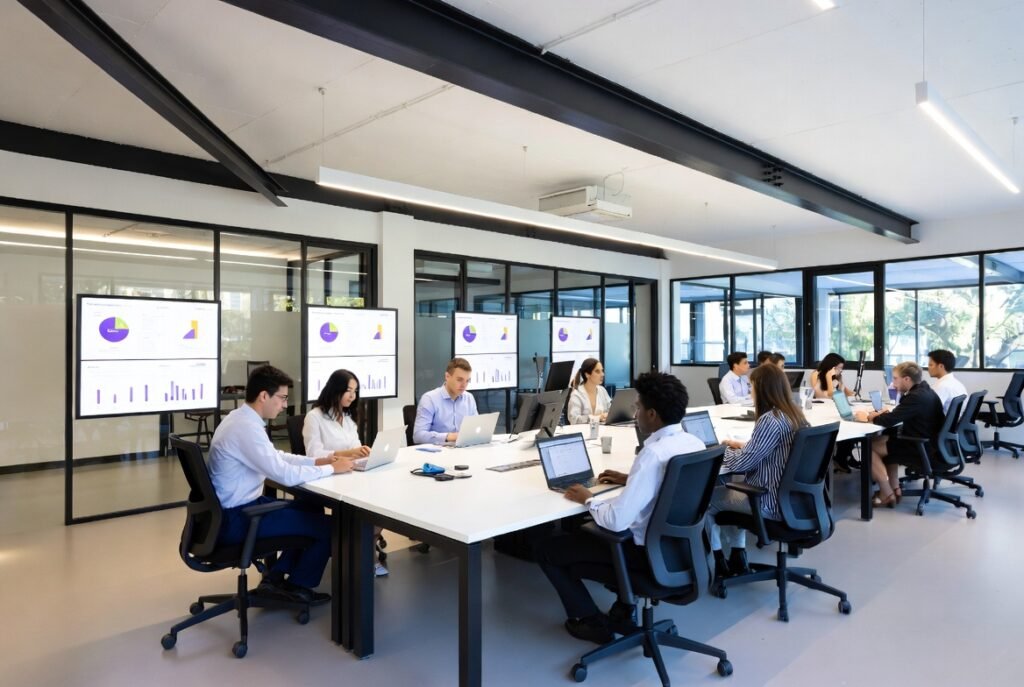
People now use asynchronous tools to handle their work instead of making phone calls and attending lengthy meetings. Young workers prefer quick messages and project management apps that allow them to get the information they need without disrupting their “flow state.” They consider time efficiency and respectful treatment of their time to be the most significant factors.
Diversity as a Requirement

For the new workforce, diversity is not a “nice-to-have” initiative; it is a requirement. People want to see all demographic groups represented in leadership roles. The group is fighting to create inclusive policies which will make New York City offices reflect the actual racial and ethnic distribution of New York City.
The Boundaries of “The Always-On” Culture

Technology made it possible to work anywhere, but young professionals are setting the rules for when they work. People now prefer to stop all their activities after 6:00 PM and during their whole weekend time. The boundaries they establish allow them to take back their free time which belongs to them in a city that never sleeps.
The Changing Face of Post-Work Activities

Young workers now take their colleagues to social places which exist outside their office area by bringing them to local spots in Brooklyn, Queens, and Upper Manhattan. This practice has caused corporate spending to reach more boroughs because it now includes different locations beyond the traditional “business” areas.
