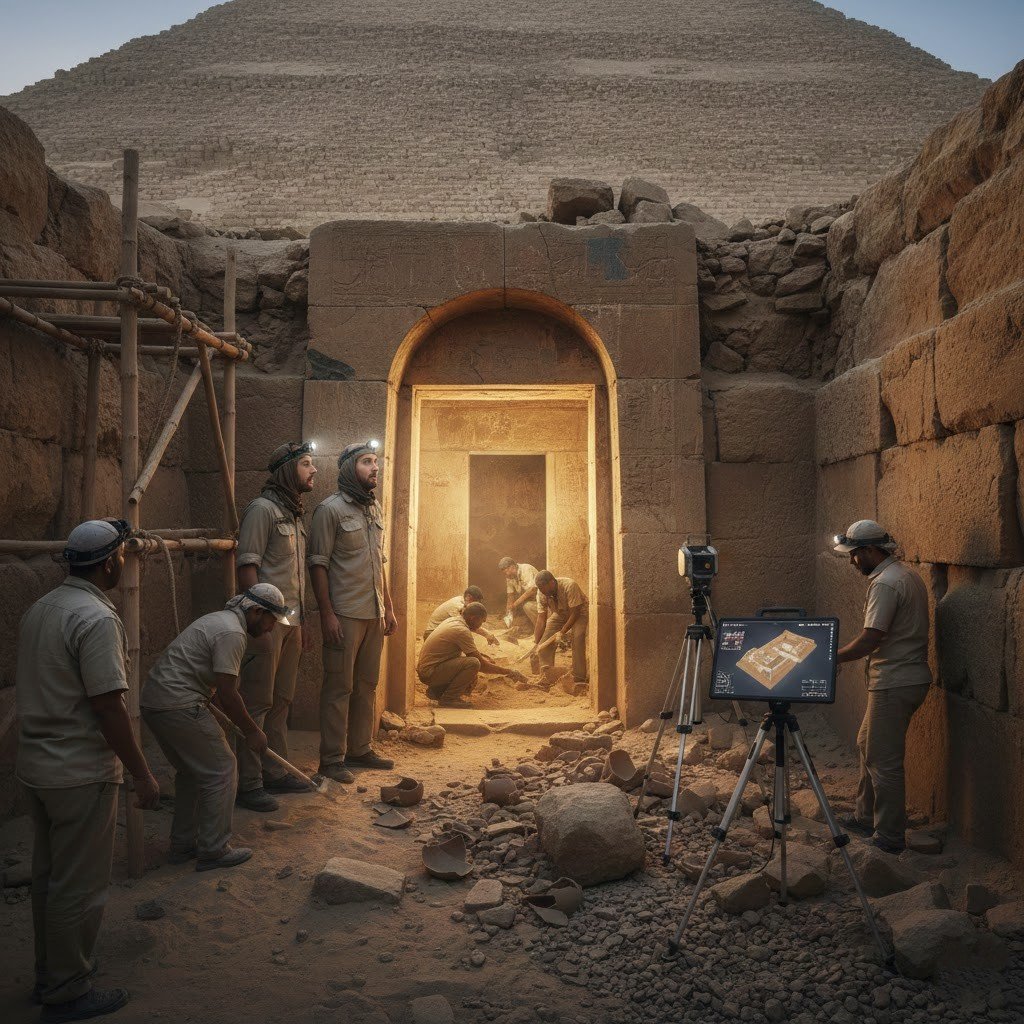
Imagine working on restoring a 4,400-year-old pyramid and stumbling upon rooms that no one’s seen in millennia. That’s exactly what happened recently at the Pyramid of Sahura in Abusir – hidden chambers “appeared” as teams cleared debris and mapped the interior. It’s the kind of discovery that gets archaeology fans buzzing, straight out of an Indiana Jones flick but totally real. I checked out recent reports and forums where experts are geeking out over it. Here are ten fascinating points about this mind-blowing find.
A 19th-Century Suspicion Finally Proven Right
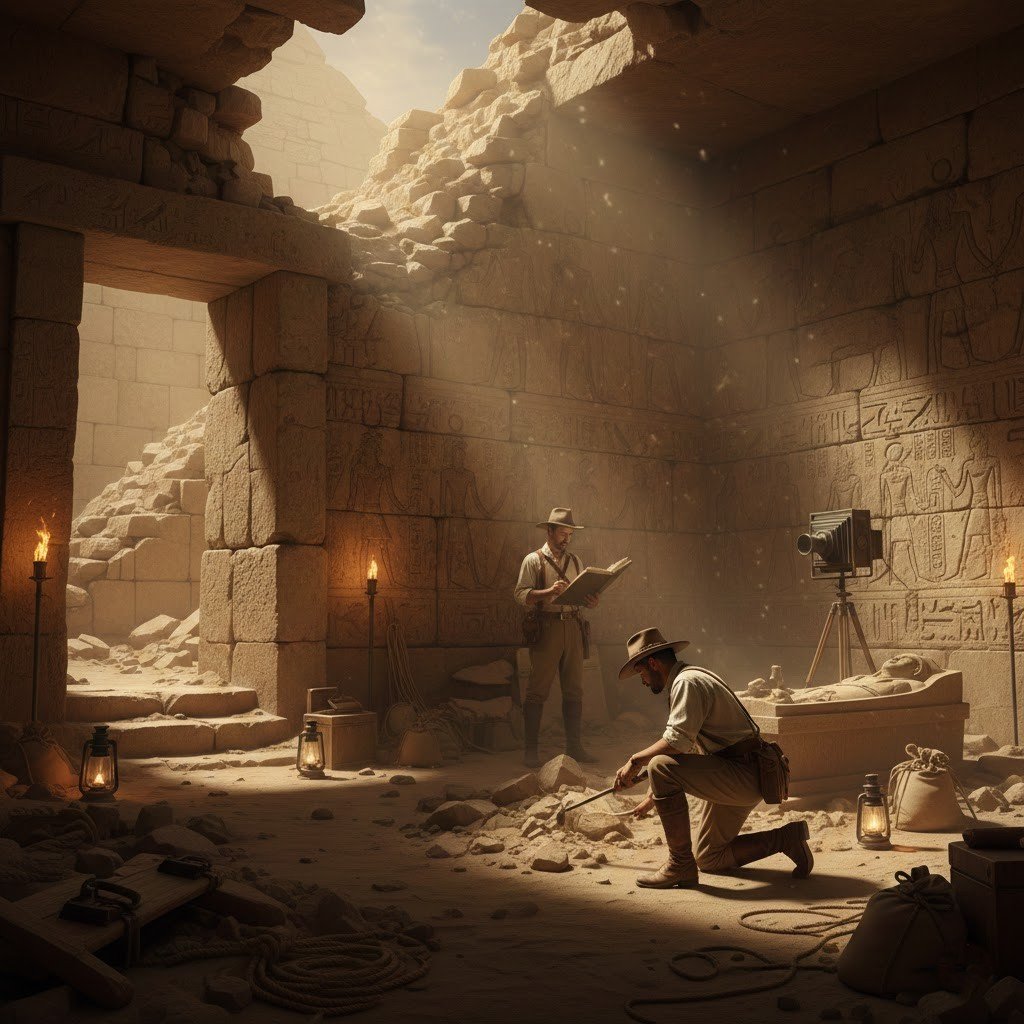
Back in 1836, explorer John Shae Perring found a debris-filled passage and guessed it led to storage rooms. Later experts dismissed it, but the recent Egyptian-German team cleared the rubble and boom it was confirmed Perring was spot on after nearly 200 years.
Eight Hidden Storage Rooms Uncovered
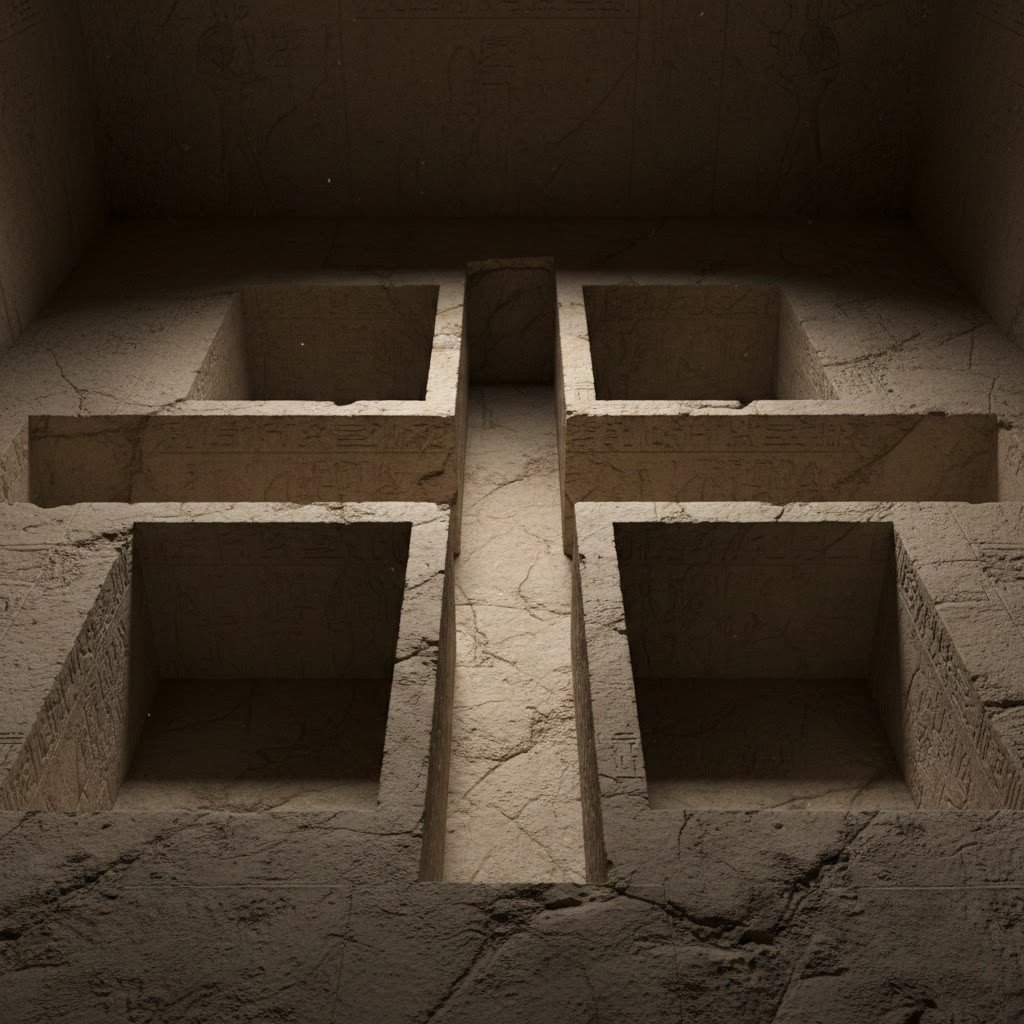
Off a narrow corridor, they found eight storerooms that were not known before. These are not enormous rooms but functional places, probably for packing funerary items or royal treasures. Some wall and floor segments are still intact, allowing a rare and unique view of the pyramid’s initial design.
High-Tech Tools Made It Possible
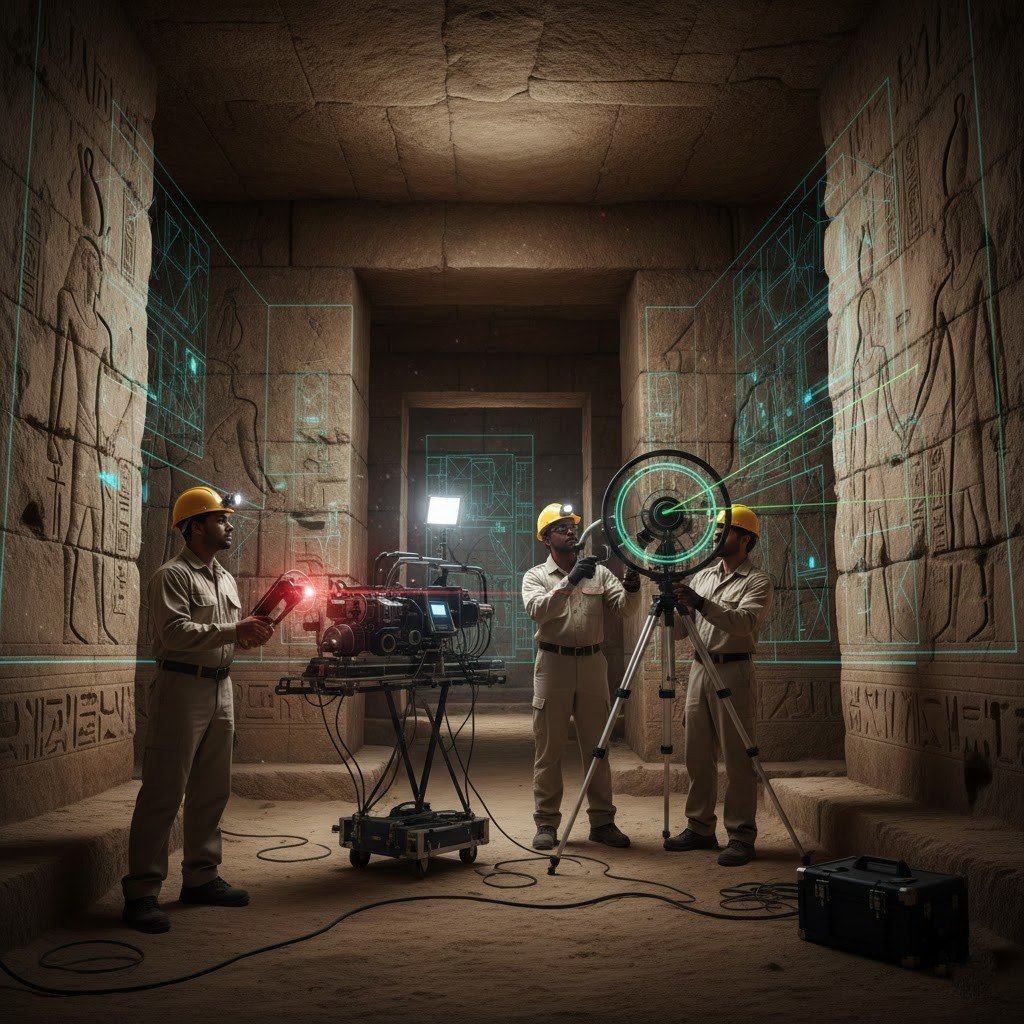
The group managed to produce quite detailed maps through 3D laser scanning and LiDAR technology and without inflicting more damage. The LiDAR technology showed the total size of the places in real-time and that made it possible to replace the ruining of the ground with accurate and non-invasive exploration.
What Might Be Inside? Potential Royal Riches
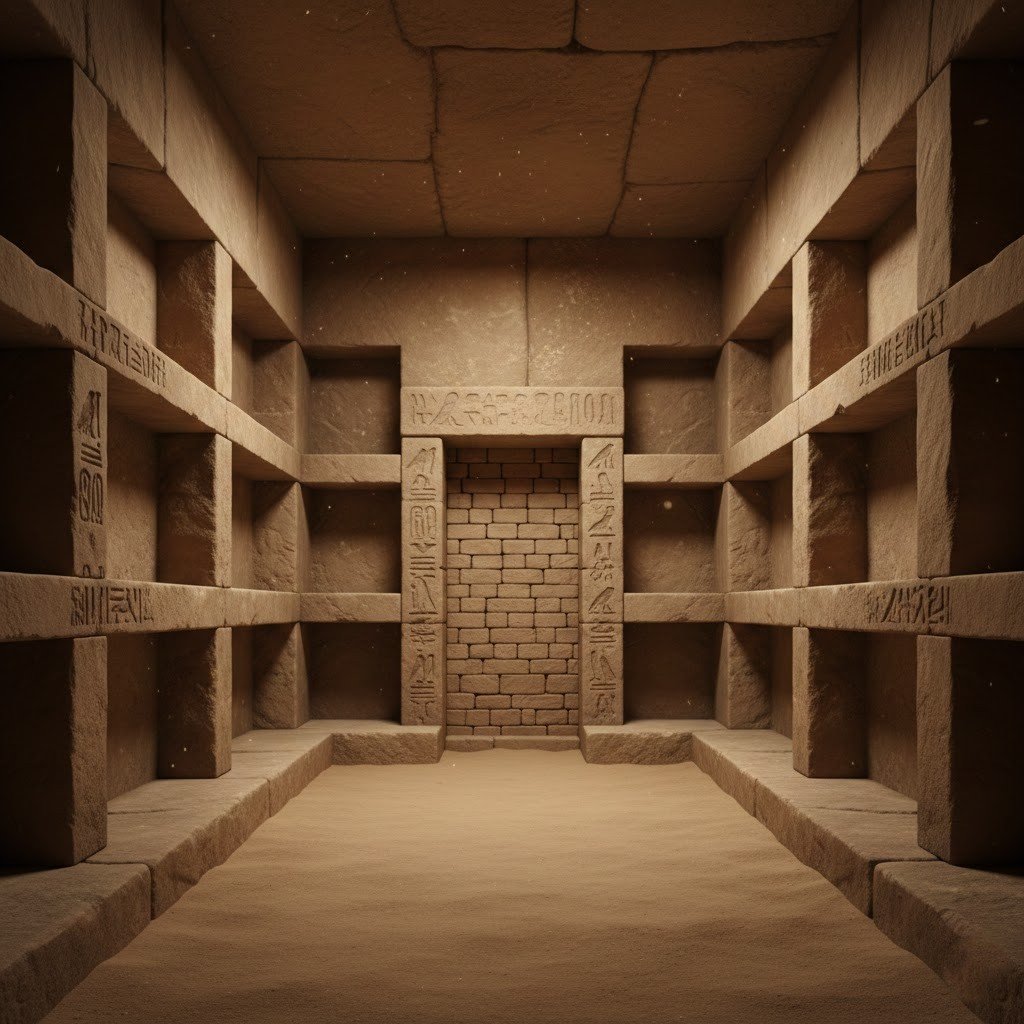
These rooms could hold ancient artifacts, furniture, or offerings for the afterlife. While nothing’s been announced yet, similar spaces in other pyramids have yielded treasures, fingers crossed for some pharaoh bling!
Rewriting Pyramid Architecture History
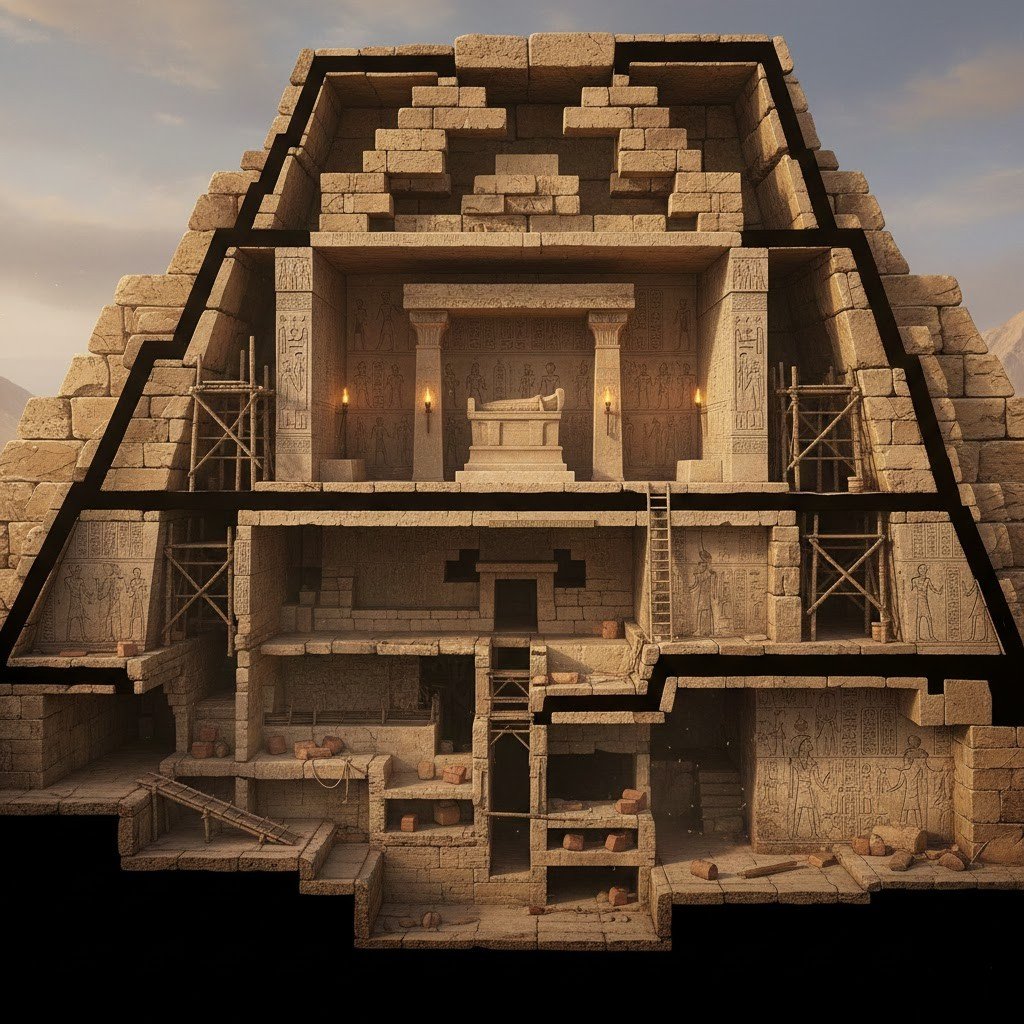
The discovery changes the previous understanding of the Fifth Dynasty pyramids. Sahura’s pyramid was the first to be accompanied by a royal tomb at Abusir, and the features of these burial rooms were more intricate than anticipated which affected the construction of subsequent pyramids.
More Secrets Could Still Be Hiding
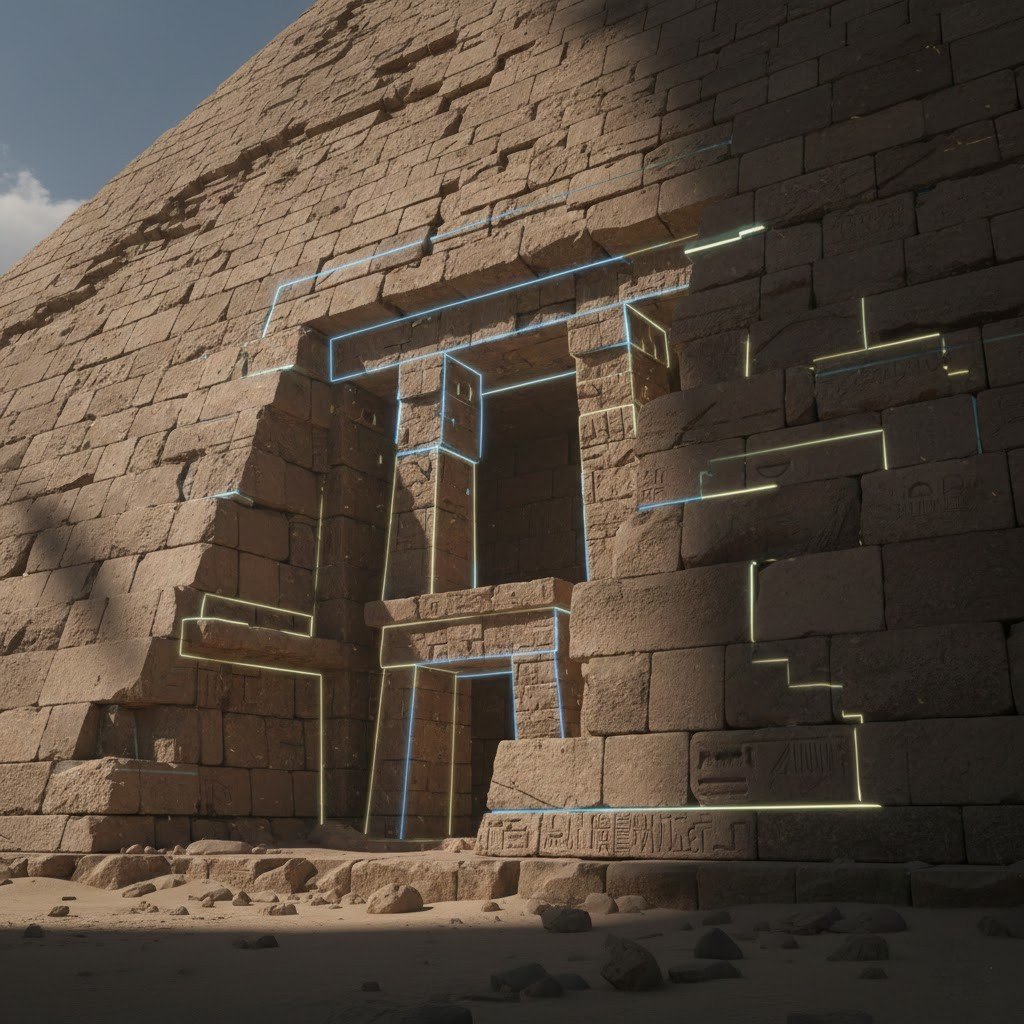
This discovery opens the door for future scans and digs. With tech advancing, who knows what else is tucked away in Egypt’s ancient wonders? It’s a reminder that even “well-explored” sites like these can still surprise us big time.
The Role of International Collaboration

The Egyptian-German team that worked together since 2019 was the main reason for this breakthrough. Surely it is a superb representation of cooperative effort from different places and times in saving history, with Dr. Mohamed Ismail Khaled from Würzburg University as the leader, the backing of Egypt’s antiquities authorities, and the financing of the American Research Center in Egypt.
Preservation Efforts Beyond Discovery

The project is not just about revealing new rooms, it is preserving the pyramid from falling down. They have done wall stabilization, removed centuries of debris, and even opened up the burial chambers to the public for the first time. This careful restoration is a fine cut between preserving the whole and making it available for study.
Sahura: The Pharaoh Who Started a Trend

Sahura was not just any king; he started the Fifth Dynasty’s Abusir burial spot trend. His pyramid was the model for the next ones, made with rich reliefs and creative layouts that affected pyramid construction for many years.
Why These Rooms Matter for Future Research
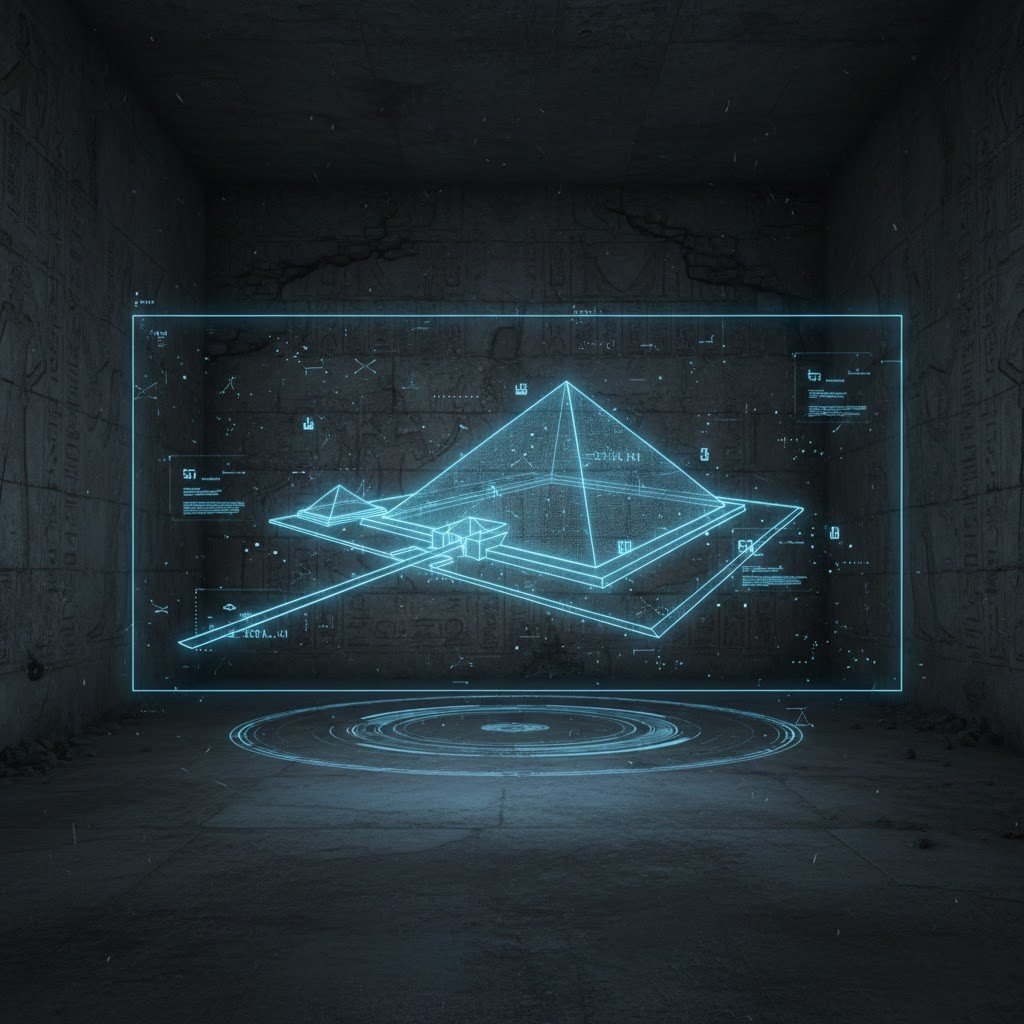
Archaeologists can now study the pyramid’s layout through the detailed 3D maps which are available, and they do not have to worry about causing damage. It is possible that this will result in virtual tours or even public access intothe site in the future, thus making ancient Egypt more accessible than ever.
