
Microsoft has issued a security alert to Windows 11 users which describes fundamental DIY techniques that users frequently apply yet these methods can lead to severe performance downturns and security threats. The design of Windows 11 targets ease of use however its backend systems Andrew’s complicated design base results in operator errors that produce the Blue Screen of Death and total data destruction.
Don’t Force Updates on “Unsupported” Hardware

Users successfully found methods to run Windows 11 on devices which lack required CPU and TPM 2.0 support according to official guidelines. The Windows 11 installation on unsupported hardware by users creates Microsoft problems because it stops security updates which protect against vulnerabilities in the operating system from being delivered to their systems.
Avoid Third-Party “Registry Cleaners”

The Windows Registry acts as an extensive database which controls all hardware and software configuration settings. The usage of cleaner software tools which declare they can boost system performance by removing registry entries from your Windows system is strongly prohibited by Microsoft. A single incorrect registry entry removal can lead to Windows becoming unbootable.
Don’t Disable Windows “Core Isolation”

Core Isolation provides Memory Integrity protection through its Windows Security settings which safeguards your system against malware attacks. Gamers use this function to obtain higher frame rates yet Microsoft alerts them to the fact that this choice takes away their main defense shield against advanced hacking attempts.
Stop Using “Debloater” Scripts

Social media platforms distribute viral scripts which users believe will remove Windows bloatware to enhance their system performance. These scripts common in Windows software distribution framework disable critical services essential for operating Windows Store and Windows Update and printer driver operation which becomes almost impossible to fix once service disruption occurs.
Never Manually Delete the “System32” Folder

The internet prank of system32 deletion exists yet users still try to remove system32 files to recover computer storage space. The operating system “brains” reside within this folder. The deletion of any file from this location will lead to a need for complete Windows reinstallation which will cause extensive difficulties.
Avoid Disabling Windows Updates Permanently

Microsoft describes indefinite update suspension as a hazardous practice even though users find updates disruptive. The majority of updates provide security updates which disable ongoing cyberattacks through their delivery of critical zero-day exploits protection.
Beware of “Free” Driver Updater Tools

Windows 11 possesses superior driver detection capabilities which enable it to install drivers without requiring user intervention. Third-party driver scanners generate system problems when they distribute wrong driver versions which lead to display flickering and Wi-Fi connectivity loss and system crashes.
Don’t Use Pirated “Activators”
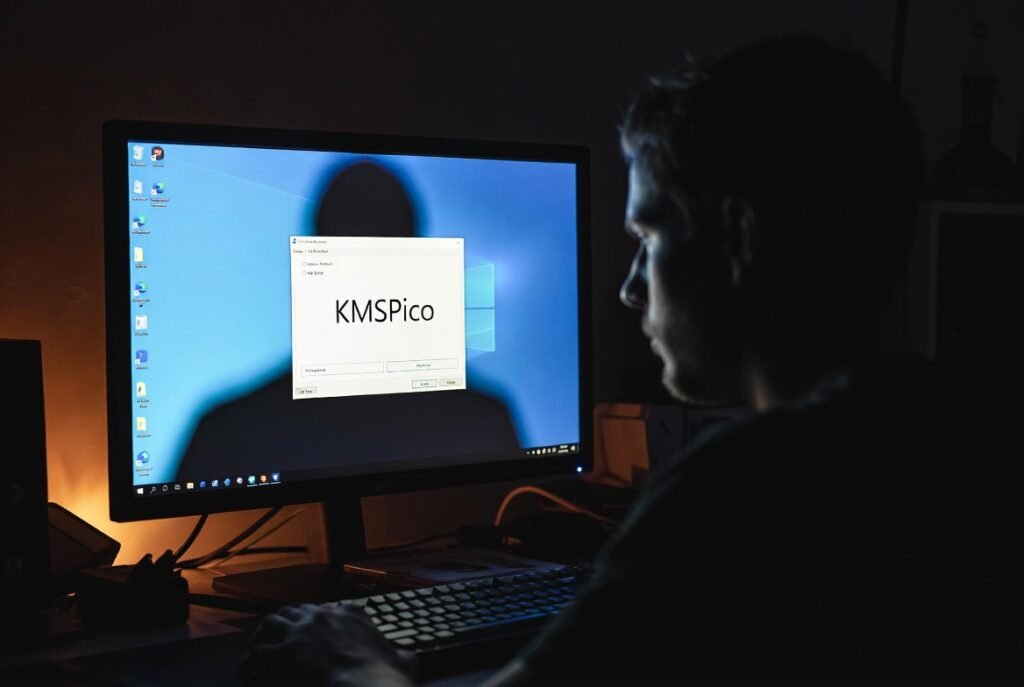
The use of KMS tools and Cracks for free Windows activation presents significant security hazards. The software tools from Microsoft contain unidentified trojans which enable criminals to observe user keystrokes while stealing banking information from their targets.
Avoid Messing with “Pagefile” Settings

Users who want to disable Pagefile on their systems should understand that Pagefile functions as the virtual memory system which operates through their hard drive. Some guides recommend disabling this feature because they believe it will increase the lifespan of SSD storage. Windows utilizes this space to maintain system stability because applications require memory space once their physical RAM reaches its limit.
Don’t Turn Off the Windows Firewall

Users without premium third-party antivirus software should keep their Windows Firewall permanently active. The system serves as your primary protection mechanism against worm viruses which proliferate through residential networks to infect every device that connects to the same wireless network.
Never Share Your “Recovery Key”

Windows creates a lengthy recovery key which protects BitLocker encrypted files. The Microsoft system designates computer locations as restricted areas which prevent users from saving recovery data on their devices. Your files become permanently inaccessible through Microsoft if you fail to keep your key outside of the computer system after your hardware breaks down.
