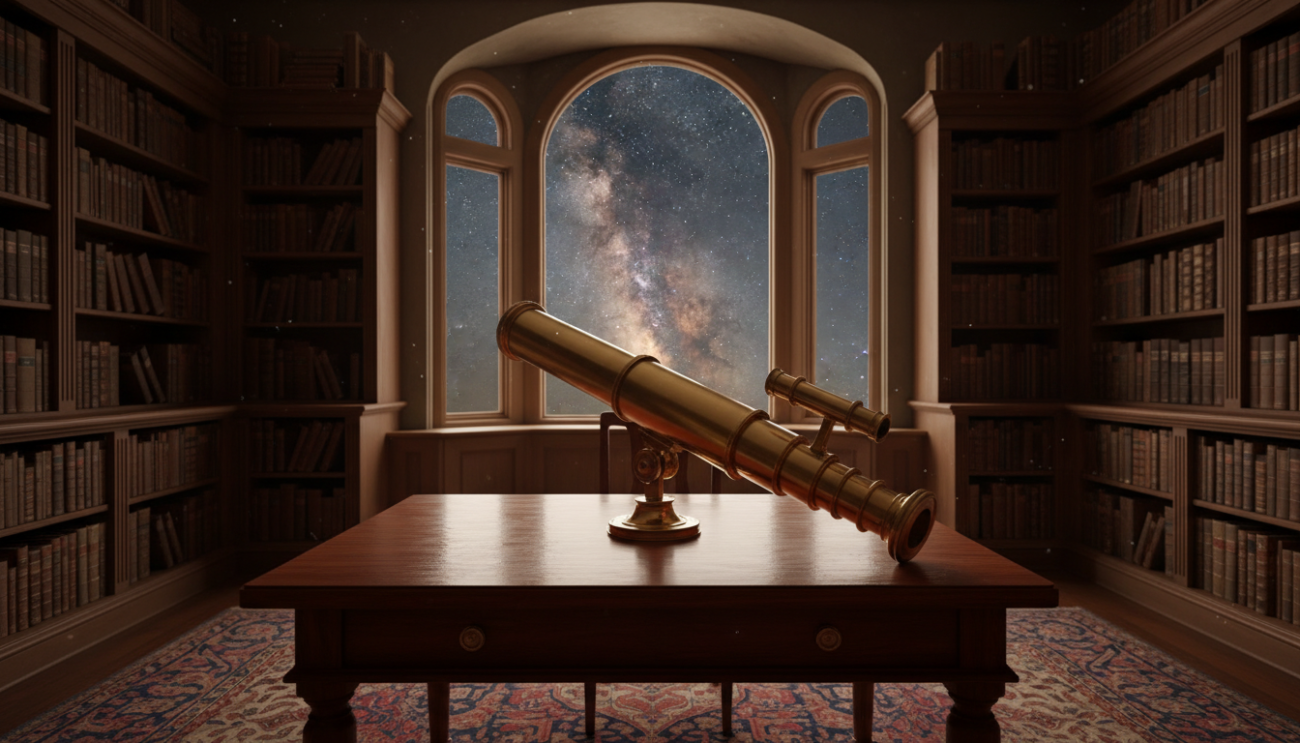
New ideas usually come in quite unconsciously and make people feel uncomfortable. When a thing challenges what is familiar, laughing becomes one of the easiest ways to react. Many theories that were long ago seen as strange, unrealistic, or at times simply silly, according to history, were not quite wrong after all. With time, more efficient tools, patient perseverance, and profound discussions allowed scientists to look again at such ideas through new eyes. That a weird theory is correct in the end is not implied by the fact that scientists have slowly and patiently changed their minds by listening to curiosity. Science moves mostly forward when it questions itself; it sometimes happens to come back to the thoughts that had been disregarded before. These instances are a good lesson for us: that progress is hardly ever immediate, and it is usually the product of an open mind and a careful reexamination.
The earth is not the center of everything
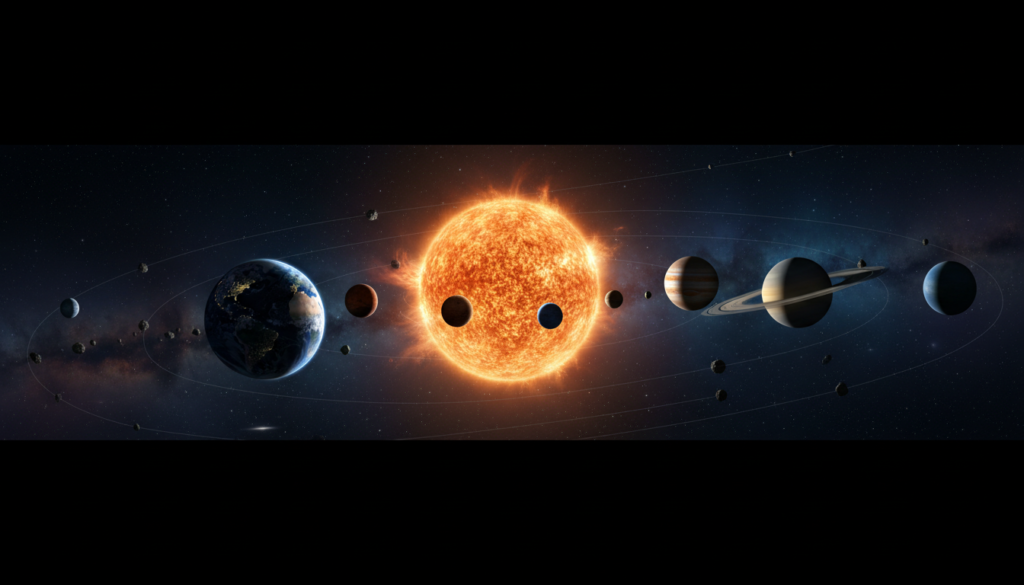
Long enough, it has been a natural thing to think that the Earth was at the center of the universe. Once another thought came up, it was considered impolite to common sense. With time, it was observed that space may not be centered only on the human viewpoint.
Continents might be slowly moving

The concept of the continents drifting was unrealistic since land looks solid and fixed. Initial proposals were swept away, but trends in shoreline and remains cast doubts. Towards the latter time, a hint at slow movement over a long period of time was given.
Invisible germs could cause illness

Before the enhancement of the microscopes, the concept of invisible organisms that led to illness was melodramatic. Most of them favored blaming bad air or luck. With the development of tools, scientists started to observe minute living organisms that had the potential to affect health indirectly.
Stones can fall from the sky

Stories of falling rocks were initially taken as fiction. The sky appeared too clear to have such happenings. Close records kept over time indicated that waste from space could sometimes make it to the surface of the Earth under special circumstances.
Brain might change over time

There used to be a belief that once the brain was already there, it remained relatively unchanged. The thought of change was nice and far-fetched. Slow research was hinting towards the brain being able to adapt, modify, and react to experiences out of the blue.
Whales might be related to land animals
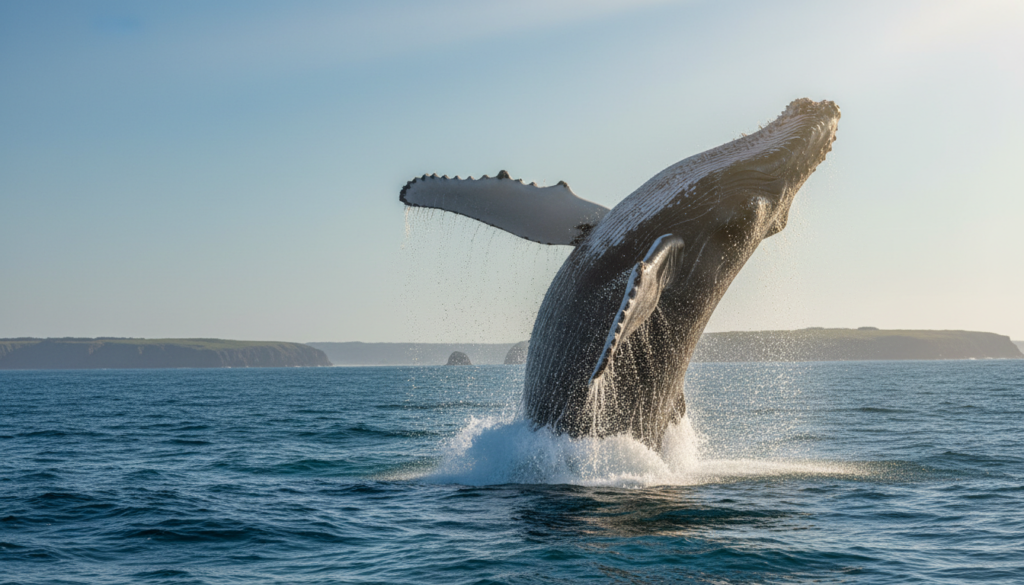
The relationship between the huge sea animals and terrestrial mammals was weird. The initial fossils failed to narrate a good story. Subsequent findings suggested that whales could have common distant ancestors with land-going animals.
Stress could affect the body physically
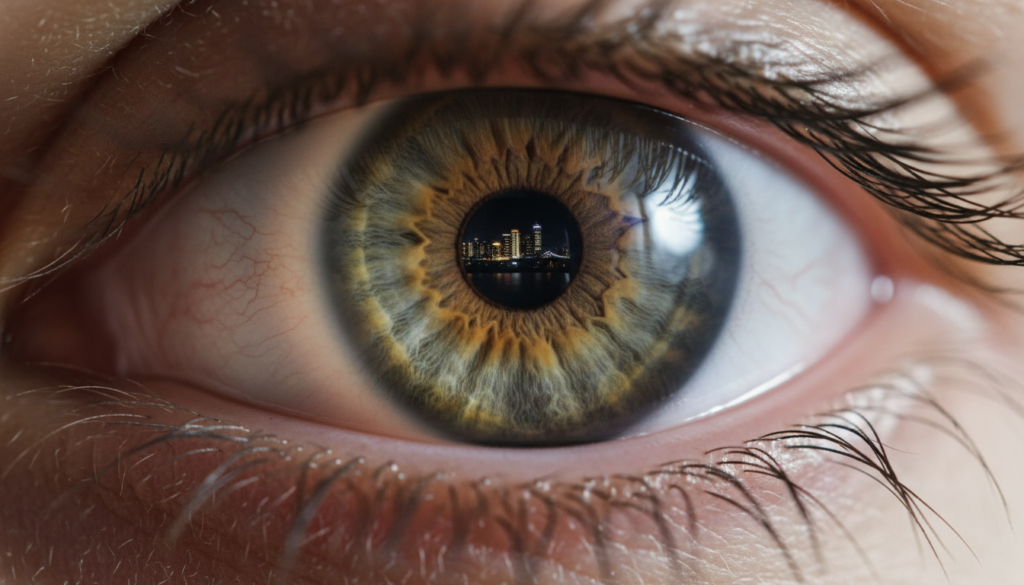
Stress was commonly considered a mere emotion and something that could be disregarded. The concept that it was going to affect physical health was dramatic. In the course of time, studies have indicated the possibility of the role of emotional strain in the process of responding to challenges by the body.
Light could act like a particle

The fact that light acted in a way similar to a particle was considered a way of defying logic. You could have more easily regarded it as a wave. Some experiments had indicated that light could act differently, based on the manner in which it was looked at.
Sleep might serve more than rest

Sleep used to be considered as free time that serves no valuable purpose. The premise that it aids in memory or learning was redundant. Slow research indicated that sleep could be able to do this without much noise as the brain organizes and interprets everyday experiences.
Mind might influence healing

The thought that attitude would influence recovery was far-fetched and unscientific. The process of healing was believed to be physical. Subsequently, it was discussed how the mind can impact the treatment reaction of the body.
Climate could change over long periods
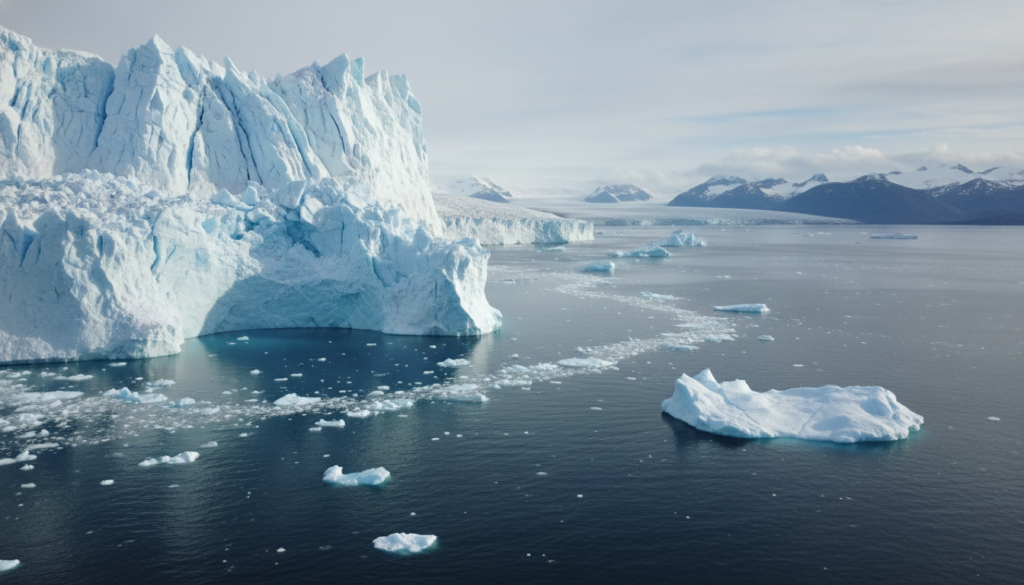
The climate used to be considered relatively constant over human periods. The abstract sound of change in the long term. Gradually, the geological records began to indicate that the climate of the Earth could change naturally in the course of very long periods.
