
Personal or business data stored on old hard drives can be very sensitive, and therefore, their disposal is a very serious exercise. You can throw them in the garbage and contribute to identity theft, data breaches and environmental pollution. With awareness for digital safety and e-waste efforts on the rise, having a secure way to dispose of your old drives is more important than ever. Fortunately, there are a few strategies that will keep your information out of the wrong hands and, at the same time, dispose of it responsibly. Whether it’s by calling in professionals or following simple DIY methods, safe disposal will prevent unauthorised use and promote responsible e-waste recycling. These are the steps of doing it right.
Back Up Your Data
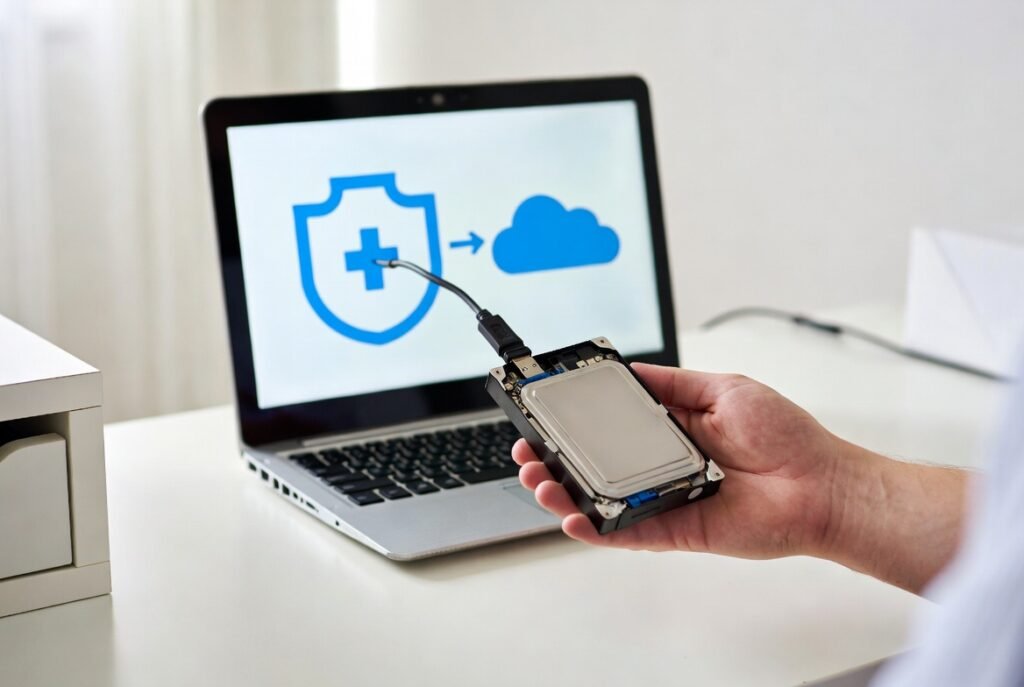
You should save vital files before disposal. Simply transfer all the documents, photos and other important data to any other secure drive or cloud storage. This wipes out the risk of unintended loss through wiping.
Use Data-Wiping Software

Wiping software is capable of overwriting information several times, and it is virtually impossible to restore it. Free or paid programs that are tailored towards safe erasure of hard drives are popular.
Encrypt Your Drive First
Encryption has something above it, provided you are going to reuse and donate a hard drive. The risk will be lowered because even in case some data leaks out, it will not be readable without the encryption key.
Physically Destroy the Drive

Destroying the drive itself will make it impossible to access that information. The methods are to drill holes in the platters, smash them with a hammer, and chop them into pieces. Safety equipment must be worn throughout this procedure.
Remove the Platters

The hard drive casing may have additional security by removing the internal platters. Data reconstruction is virtually impossible after shattering or sanding down these metal disks.
Recycle Through Certified E-Waste Centres

Old hard drives are recycled in authorised centres in a secure way. And they adhere to environmental laws, meaning hazardous materials won’t end up in landfills. Look in local listings of approved e-waste recyclers.
Consider Professional Shredding Services

Some firms are specialising in destroying hard drives. They offer shredding services which recycle documents into tiny pieces and, in most cases, give out certificates of destruction as a way of accountability.
Donate Drives After Wiping

If at least one of the drives is still functional, you can later wipe it and donate it to somebody who needs one. Old drives can be given to schools, non-profits or community centres and their life extended, data stays safe.
Use a Magnet for Extra Security

Powerful magnets are able to cause disturbance to information stored on magnetic platters. Although not as foolproof as wiping or physical destruction, this technique provides an extra protection mechanism.
Keep Records of Disposal

Keep a list of your disposition of the individual drives. This is especially relevant for companies that process sensitive or confidential information and will enforce high standards of data protection.
Avoid Throwing Drives in the Trash
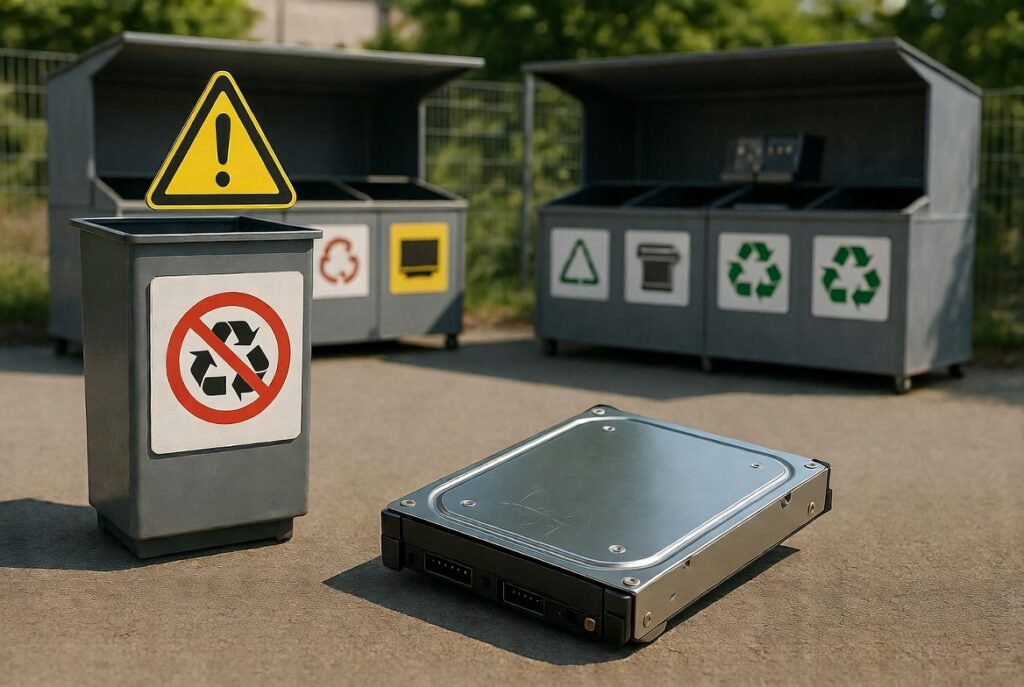
Do not store hard drives in the garbage. Other than the risk of data security, electronic waste also harms the environment. Safe disposal must be done through proper channels.
