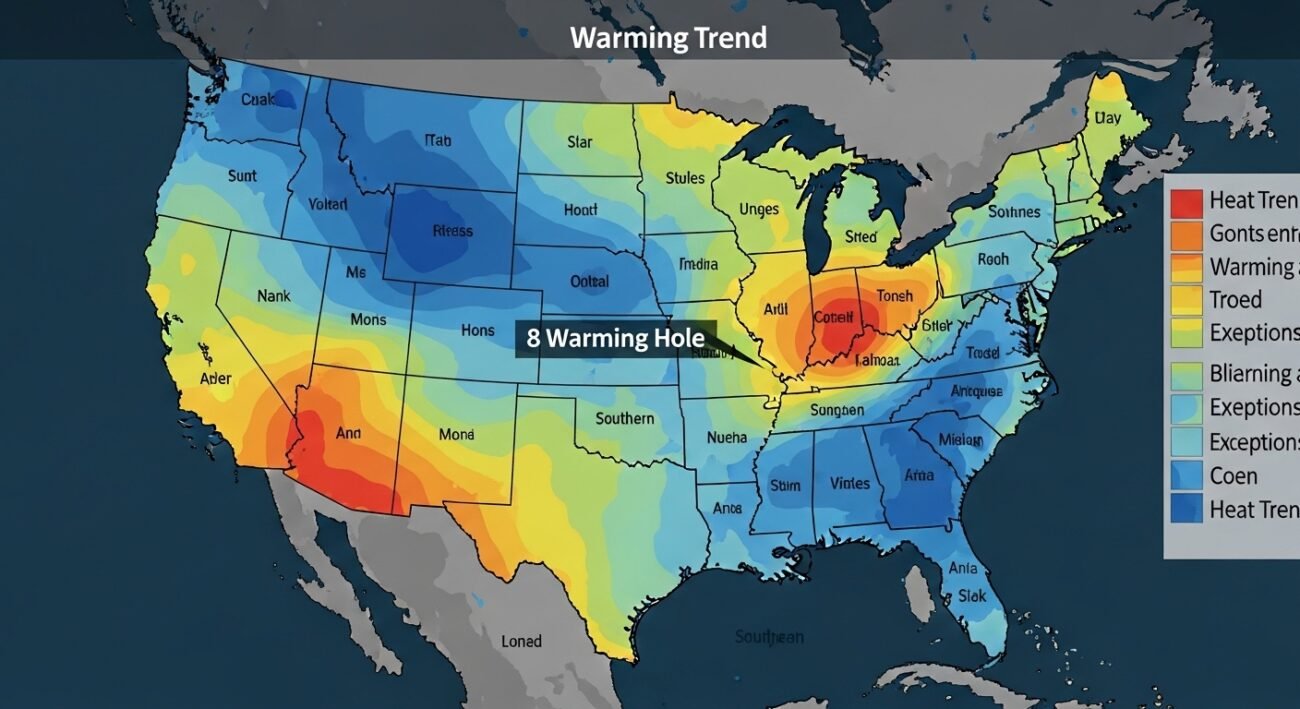
A new study published in PLOS Climate reveals that while most U.S. States have experienced measurable temperature increases from 1950 to 2021, and eight states stand out as notable exceptions. Researchers María Dolores Gadea Rivas and Jesús Gonzalo analyzed tens of thousands of daily temperature records across the country and found that these states show no statistically significant long-term warming in their average temperatures or across the full range of daily highs and lows. These areas form what scientists call a “warming hole” in the central and southern United States. Here are the eight states, along with key context from the research.
Alabama
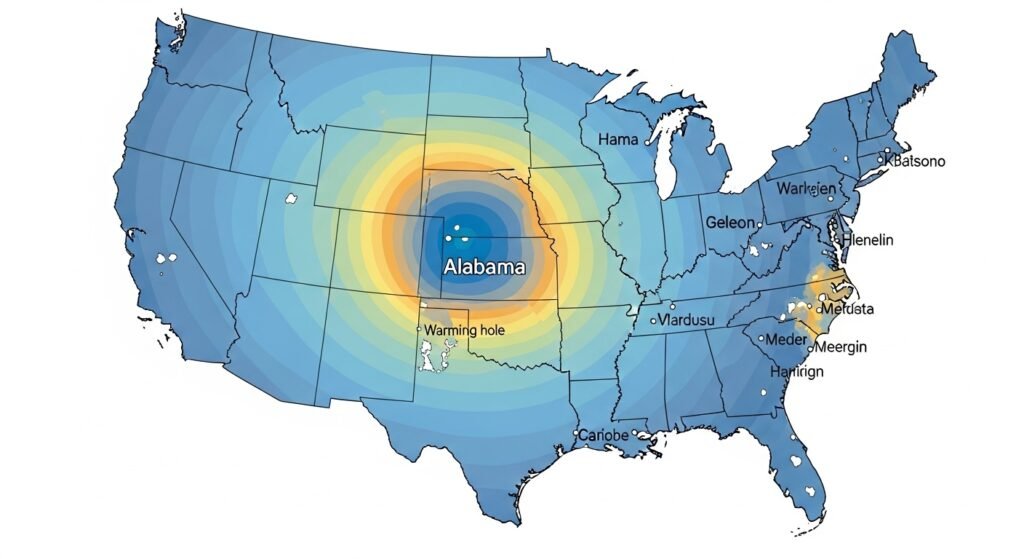
Over the past 71 years, there hasn’t been a noticeable increase in average temperatures or a clear pattern when it comes to really hot or really cold days.
Arkansas
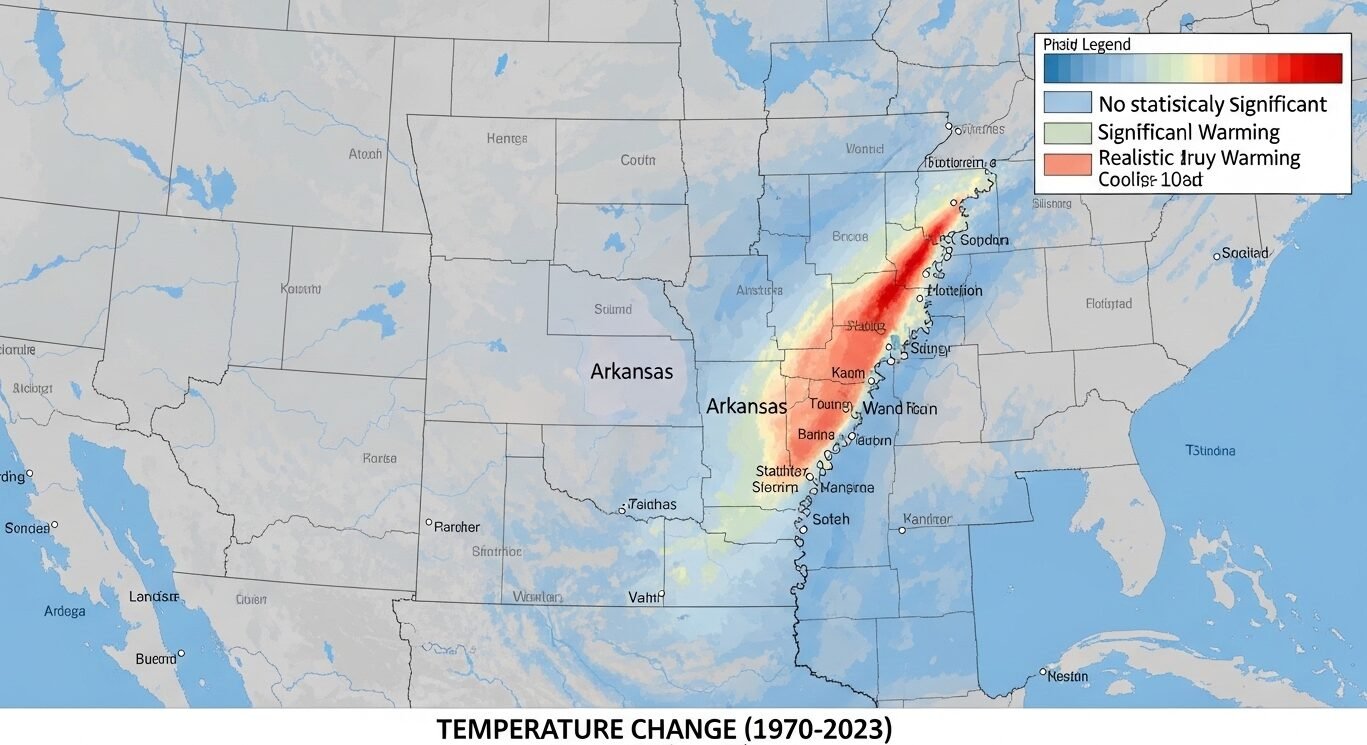
Daily records from 1950 to 2021 show stable long-term patterns, with year-to-year variability masking any detectable warming signal.
Illinois
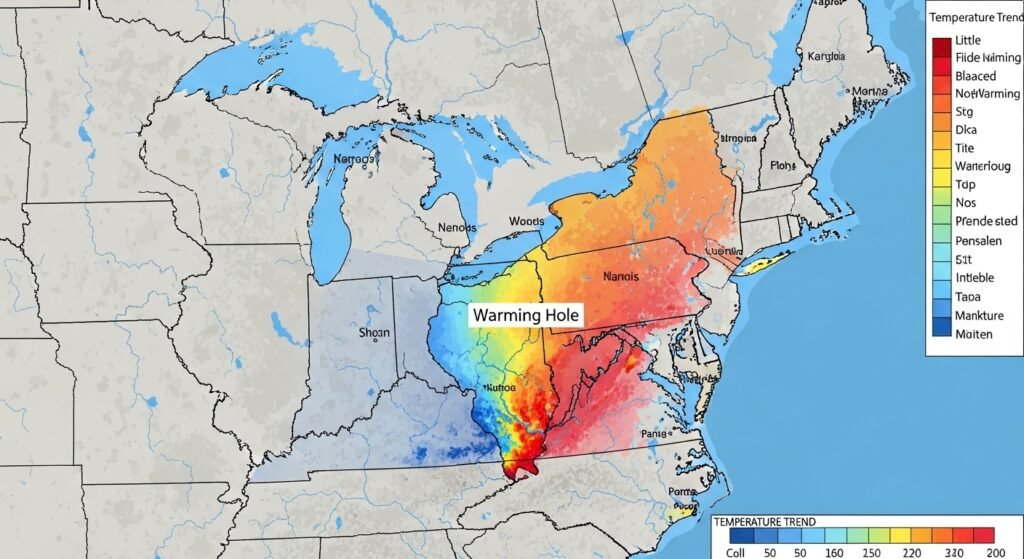
Despite being in the Midwest, this state falls within the warming hole, showing no statistically significant rise in overall temperatures.
Kansas
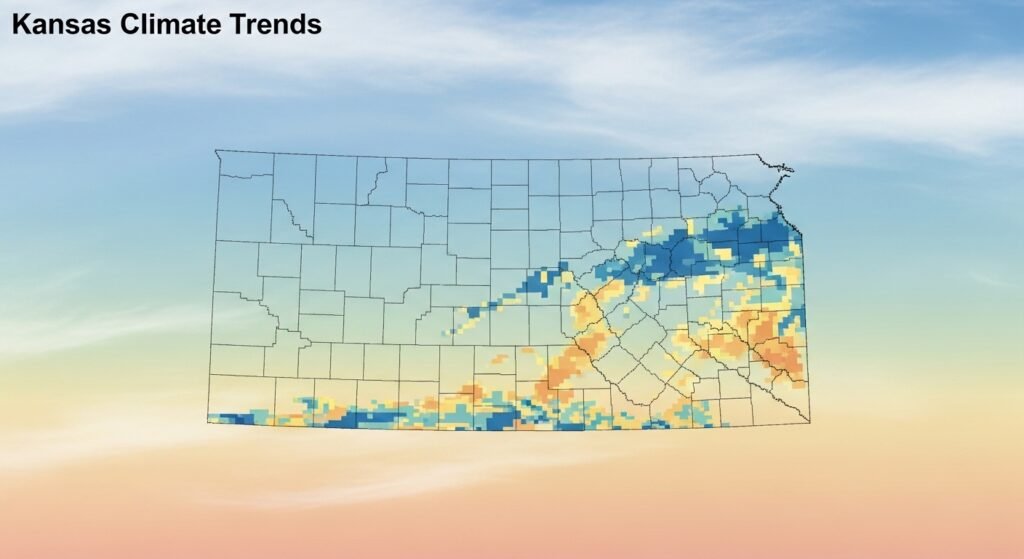
Central location contributes to muted trends, where local factors may have offset broader greenhouse gas-driven warming.
Mississippi
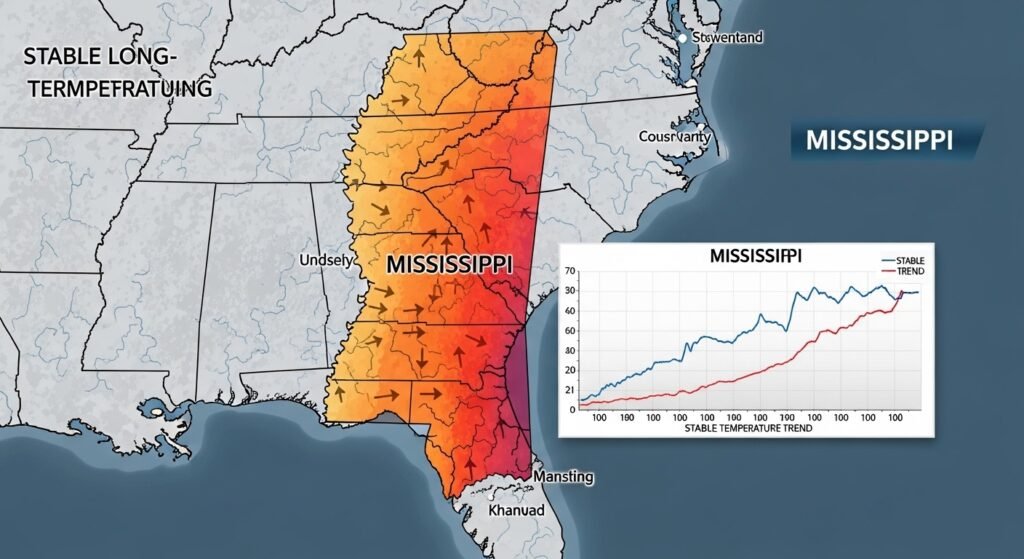
Southern climate and regional influences keep temperature changes statistically insignificant across the full dataset.
Missouri
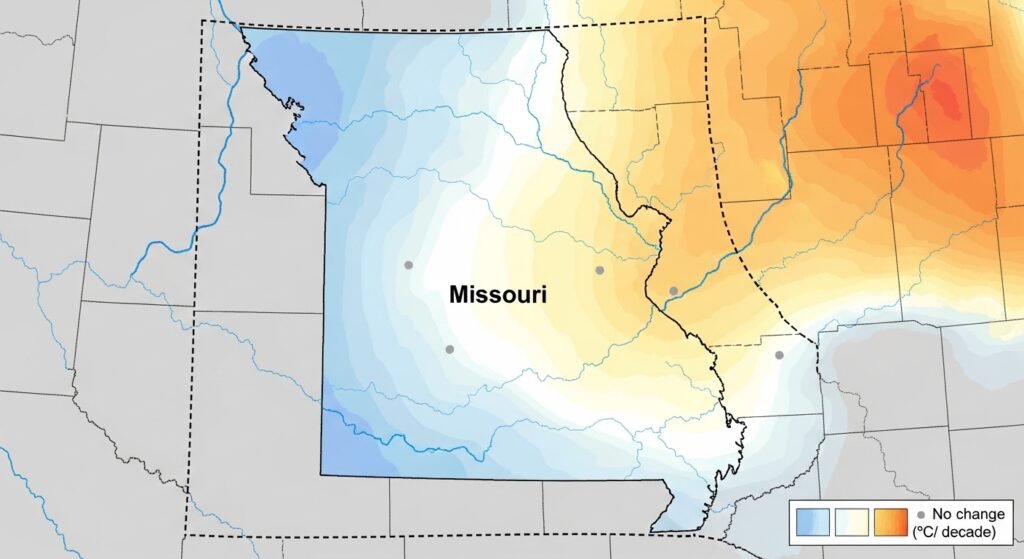
Similar to neighboring states, Missouri’s records do not reveal a clear warming signal in averages or daily extremes.
Oklahoma
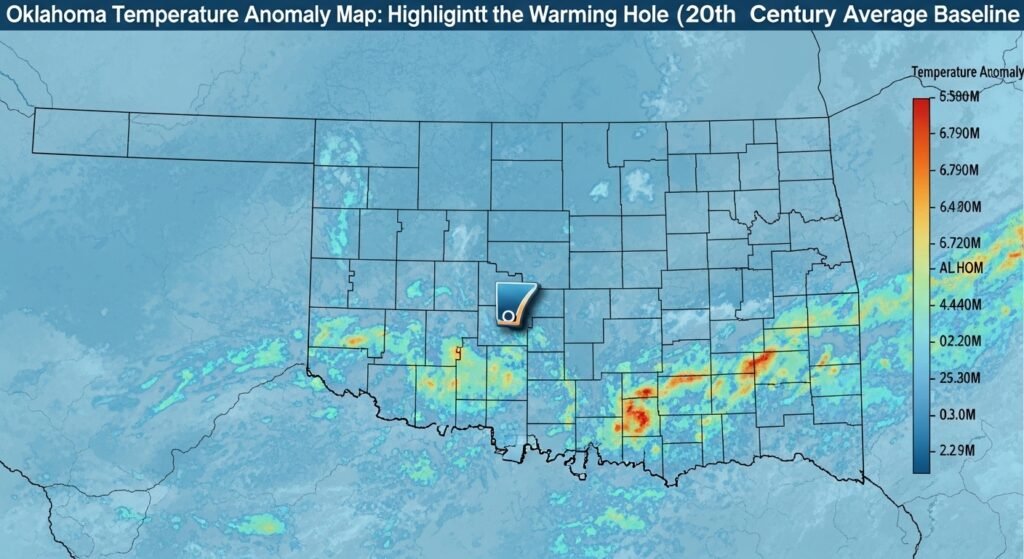
This region, recognized as a classic warming hole, has maintained stable long-term temperatures even in the face of global climate change.
Texas
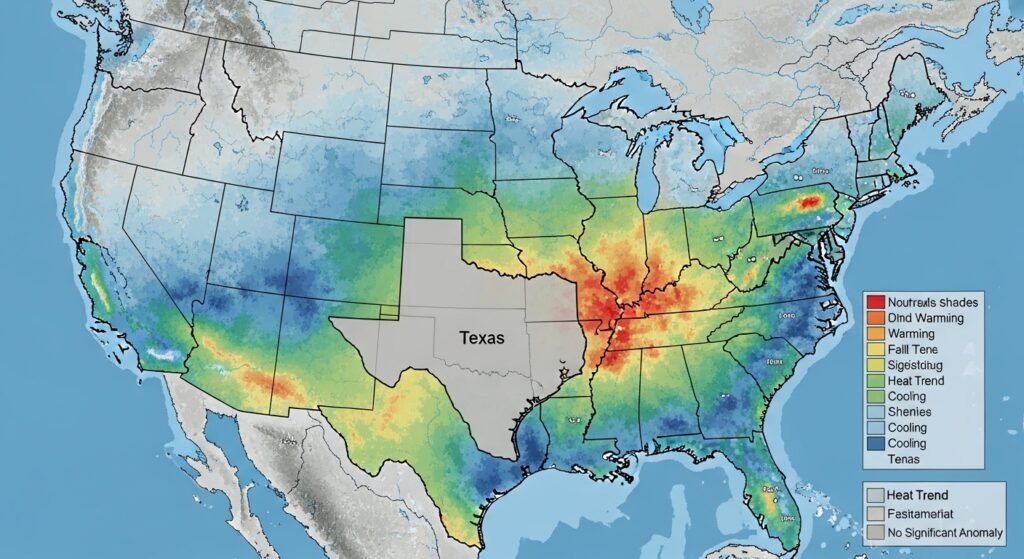
The largest state by area also shows no statistically significant warming in the study’s analysis of daily data from 1950 to 2021.
Why These States Form a “Warming Hole”
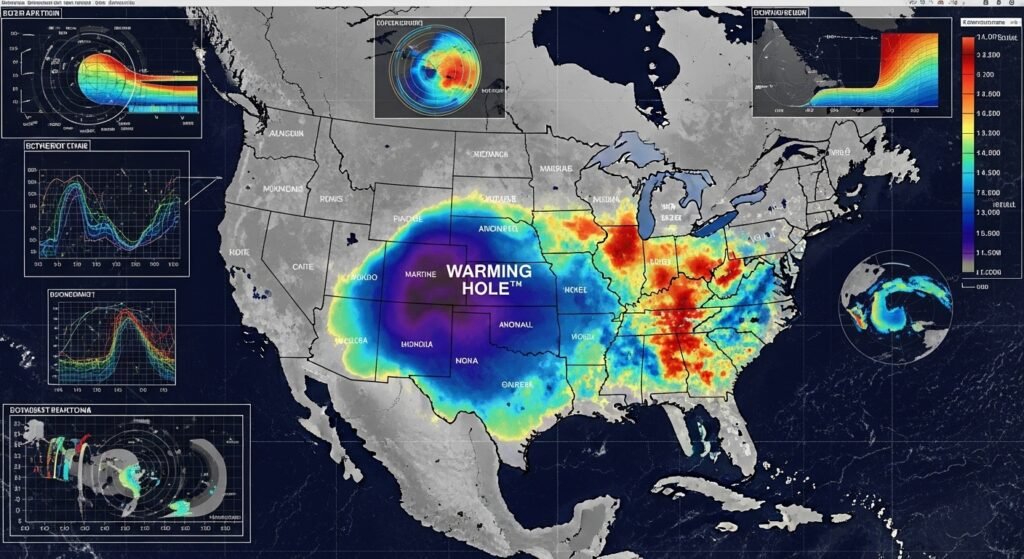
Scientists have long observed slower or absent warming in parts of the central and southern U.S. The study confirms this pattern holds even when examining the full distribution of daily temperatures, just yearly averages. Researchers used advanced statistical methods to separate real long-term changes from natural year-to-year swings.
Possible Explanations for the Muted Warming
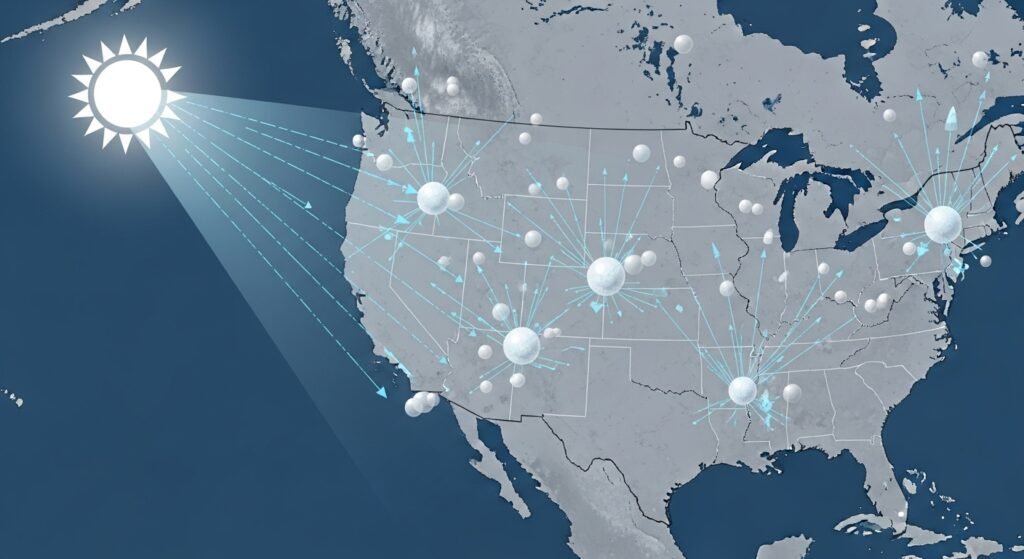
The National Oceanic and Atmospheric Administration (NOAA) and other experts suggest several factors may be at play:
- Aerosols from air pollution that reflect sunlight and cool the surface locally
- Changes in land use, such as agriculture and irrigation
- Shifts in regional weather patterns or the water cycle
- These influences can temporarily mask or counteract the broader warming caused by greenhouse gases.
What the Study Reveals Beyond Averages
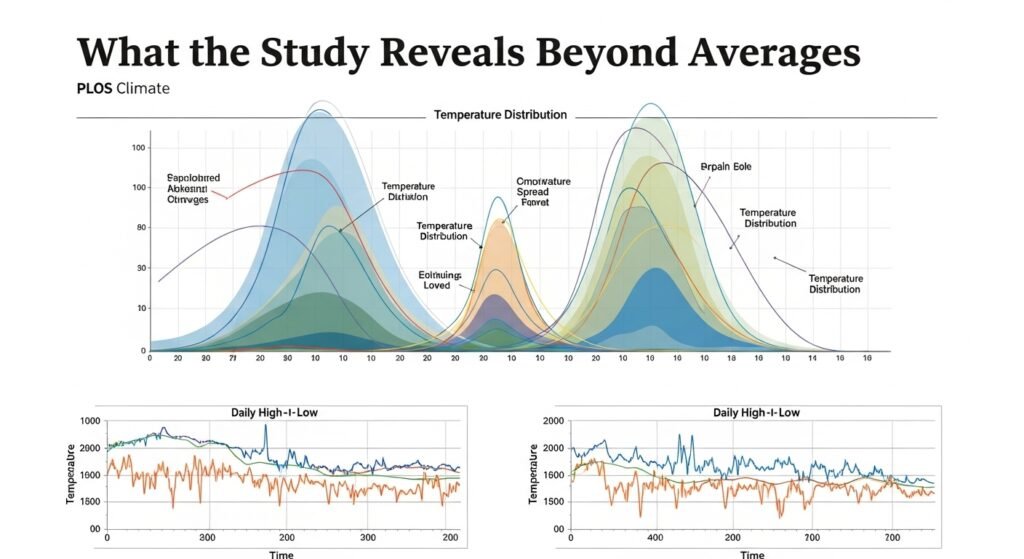
The researchers emphasized that looking only at average temperatures can hide important changes. In many other states, warming appears more strongly on the hottest days, the coldest days, or steadily throughout the year. Even in the eight “stable” states, subtle shifts might still exist in specific parts of the temperature range. This approach highlights regional differences in how people experience climate change day to day.
