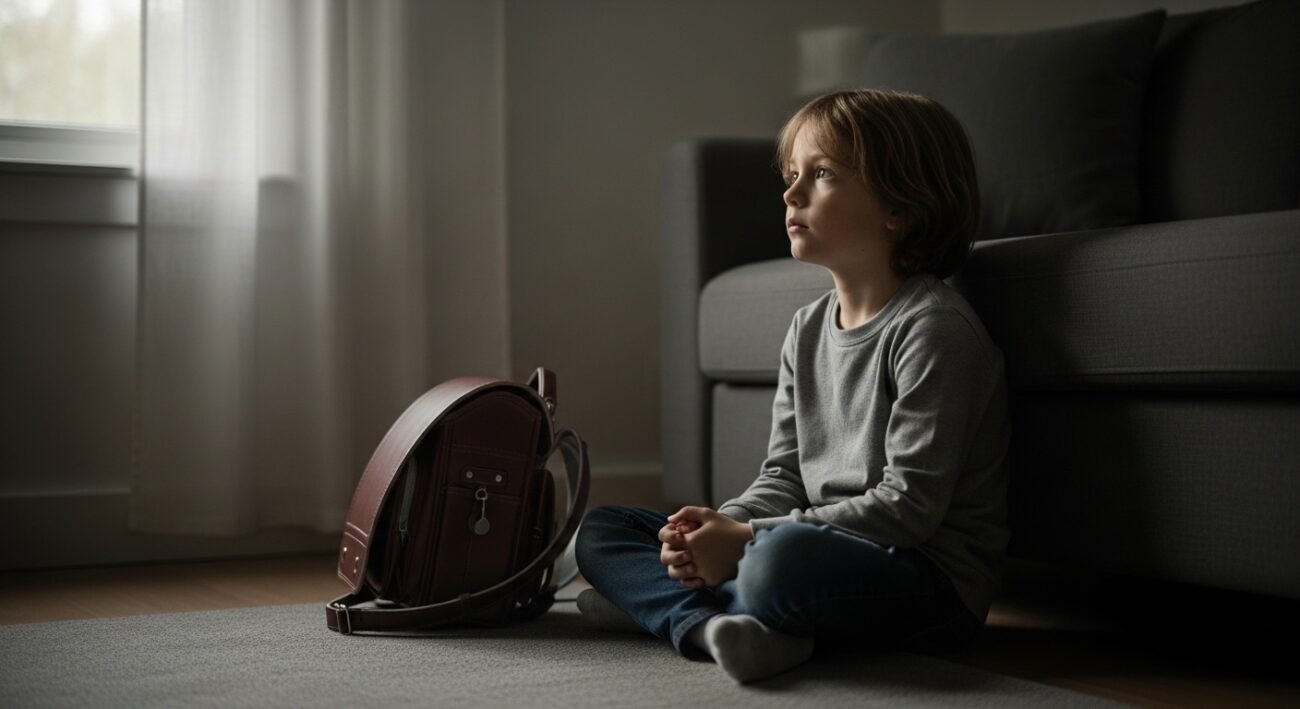
Children start using smartphones and tablets and television sets as their first activities of the day. Screen usage before school creates negative effects on children’s academic performance and emotional growth according to scientific studies which show that these effects last longer than most parents understand.
Attention Spans May Struggle Early

Fast-moving videos and apps train young brains to expect constant stimulation. The students who enter school face difficulties with reading and listening and problem-solving activities which require them to move at a slower pace.
Morning Screens Can Set the Brain’s Tone

What children see in the morning affects their mood and alertness. The combination of bright screens and fast-moving content creates excessive brain stimulation which prevents students from entering calm and focused educational activities.
Reduced Face-to-Face Interaction

Morning screen time takes away the opportunity for children to talk with their parents and siblings. Daily face-to-face communication helps children develop language abilities and emotional comprehension and social skills which are particularly important for younger children.
Sleep Quality Can Be Affected

People who start screen use during the morning hours usually continue their nighttime screen time activities. Sleep problems lead to impaired memory functions which result in negative mood changes and decreased learning capabilities. School environments present greater difficulties to exhausted brains which require constant attention and emotional management.
Emotional Regulation Develops Differently

Screens offer users instant comfort through their ability to distract. Children who use devices excessively will not learn how to handle boredom and frustration and waiting periods which they need for their classroom experience and life skills.
Learning Styles May Become Passive

Watching content requires viewers to engage only at a basic level. Early exposure can reduce curiosity-driven learning like asking questions, exploring, or problem-solving. The development of active thinking abilities requires children to learn through play and dialogue and interactive learning experiences.
Increased Sensitivity to Distraction
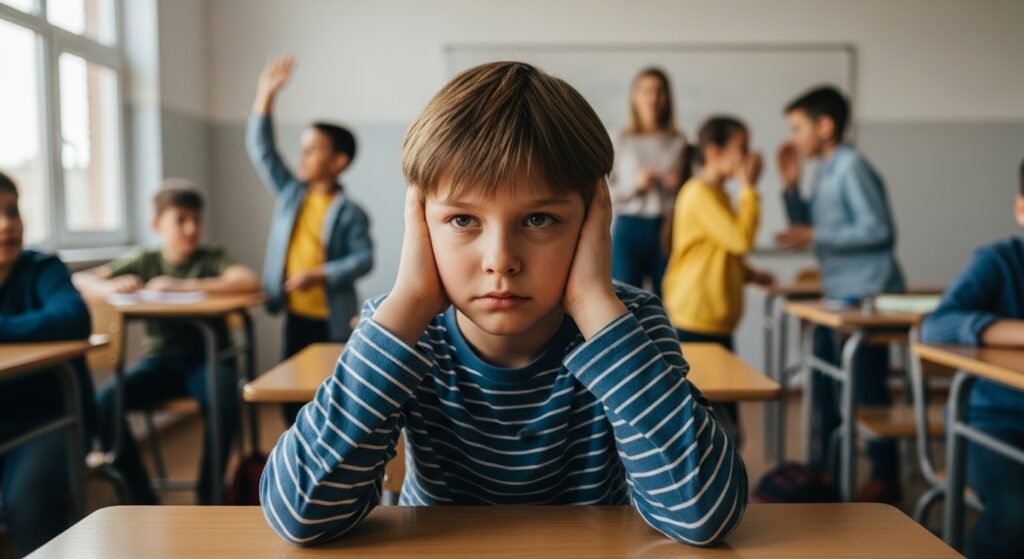
Children develop heightened sensitivity to both noise and visual disturbances because of their early exposure to technology. The active atmosphere of classrooms creates an overwhelming experience which results in students becoming restless and unable to complete their work.
Balance Matters More Than Bans
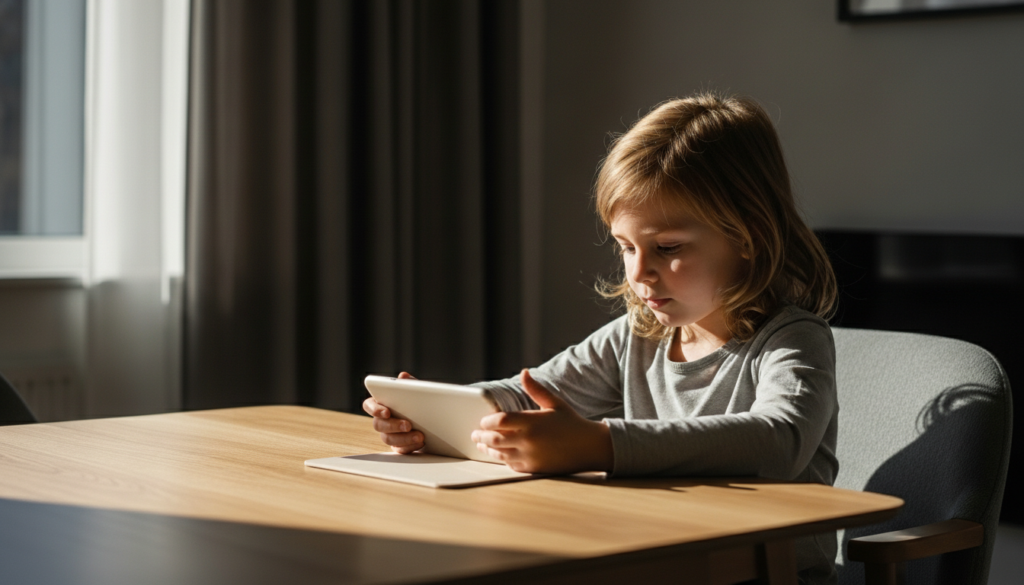
People should not consider technology as their opponent because it does not function in that way. Students who engage in balanced morning activities that involve both talking and moving and practicing quiet activities will experience improved brain development and increased learning abilities.
