
The first international trip to another country becomes a humbling experience for Americans who travel outside their home country. The United States shares many elements of its popular culture with other countries but its citizens experience a complete transformation of their everyday behaviors when they travel internationally.
The Lack of Free Water
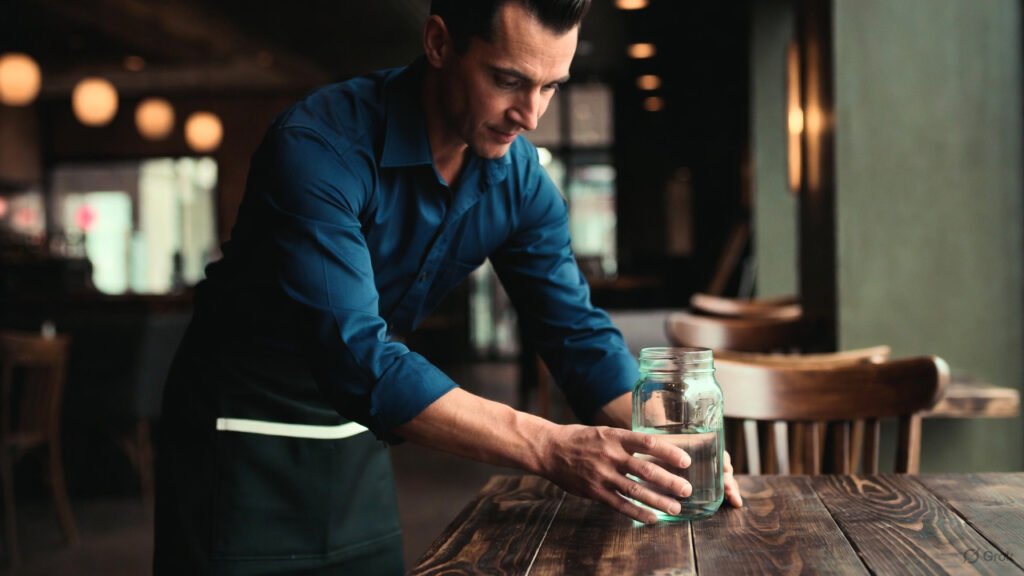
Restaurants in the United States bring free ice water to every customer who orders it. European and Asian countries require customers to request water because all their water service comes through bottled containers which customers need to purchase. Customers in upscale restaurants may face social challenges when they need to request “tap water” service because it creates an impression of either their strange or disrespectful behavior.
The “Ice-Cold” Drink Myth

American people expect their drinks to contain 50% of ice as a standard. Most countries around the world serve drinks at their natural temperature which remains about room temperature. European café customers who ask for ice will receive only two small cubes because many cultures consider ice-cold drinks to harm digestion and to reduce taste intensity.
The Intensity of the “American Smile”

American people show their characteristic behavior of smiling at all unfamiliar people who they encounter during their outdoor activities. Eastern European and Asian people view smiling at strangers without explanation as a suspicious behavior which shows dishonest intentions and demonstrates low intelligence. They believe that smiling represents a strong emotional bond which people preserve only for their closest friends.
Tipping is Not Universal

The 20% tip which Americans follow creates surprise for people from other countries. Tipping in Japan creates a negative situation because it shows that customers treat workers as people who should receive charitable donations. European restaurants display a “service charge” system which includes a minor charge that customers must pay through tipping which leads to them losing their tourist identity.
Portion Sizes are Realistic

American people display shock when they see how much smaller their meals become in foreign countries. The world observes United States meal quantities as the largest portion sizes. The world presents restaurants which establish single meal portions designed for one person to consume completely because the concept of taking leftover food home exists only in some western cultures.
The Definition of “On Time”
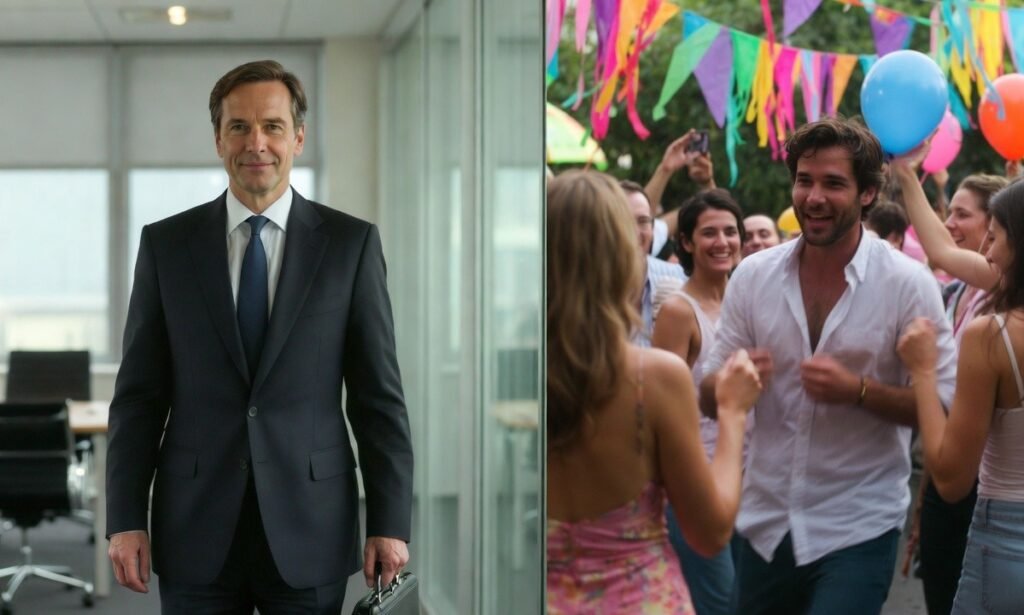
Different cultures practice various standards regarding time. In German and Japanese culture, “on time” denotes arriving five minutes before the scheduled time. The majority of Latin American and African cultures operate with “Social Time” as their standard time system. People who arrive at 8:00 PM for a party starting at that time will become the first guests who arrive before the host begins their party activities.
Silence on Public Transit

U.S. buses enable passengers to create disruptive environments through their loud conversations and music. Public transit systems in Japan and Scandinavian countries operate as “silent zones” during their operational hours. Loud talking and telephone conversations at public spaces create a major violation of respect for all passengers who want to maintain their peaceful state.
The “No Shoes” Rule
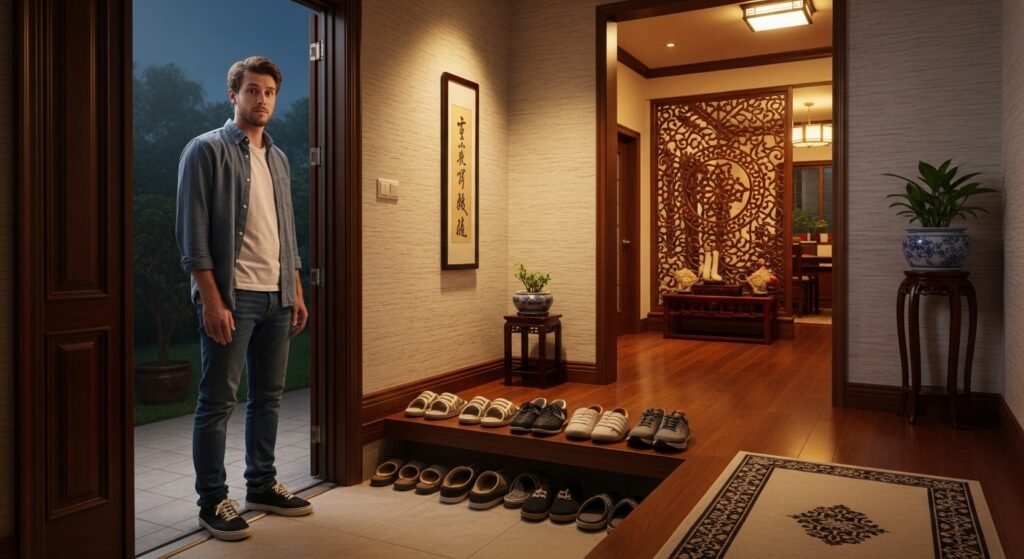
American homes have some families who remove their shoes but Asian, Middle Eastern, and Northern European families have established this custom as a mandatory practice. People who enter someone else’s home with shoes on their feet demonstrate their intention to bring all outdoor dirt into the person’s private space.
Personal Space Boundaries
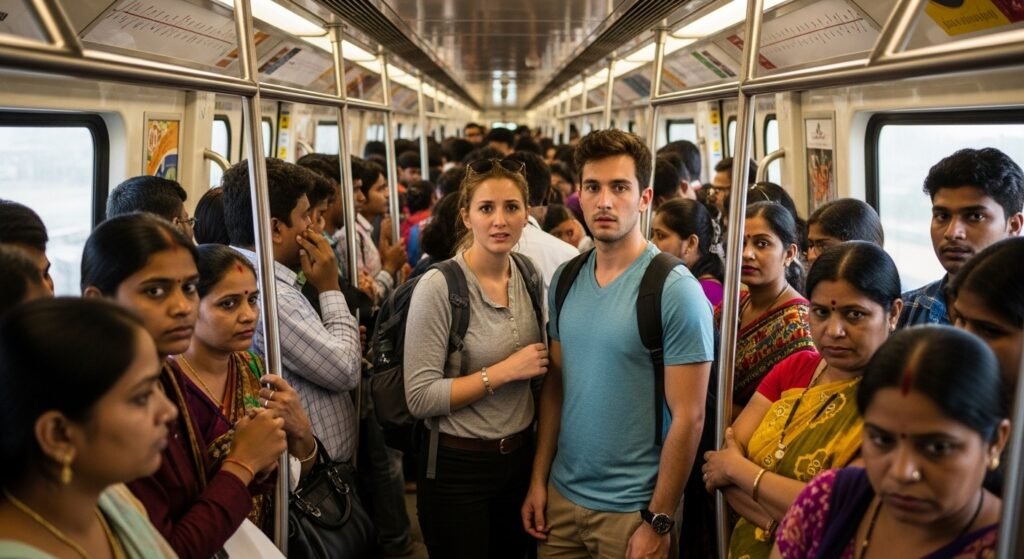
Americans prefer to maintain a personal space distance which measures about two feet from other people. Indian and Chinese metropolitan areas do not provide people with any personal space boundaries. UK residents maintain their social distance through maintaining large physical and mental distance from people until they develop trust.
Paying for Public Restrooms
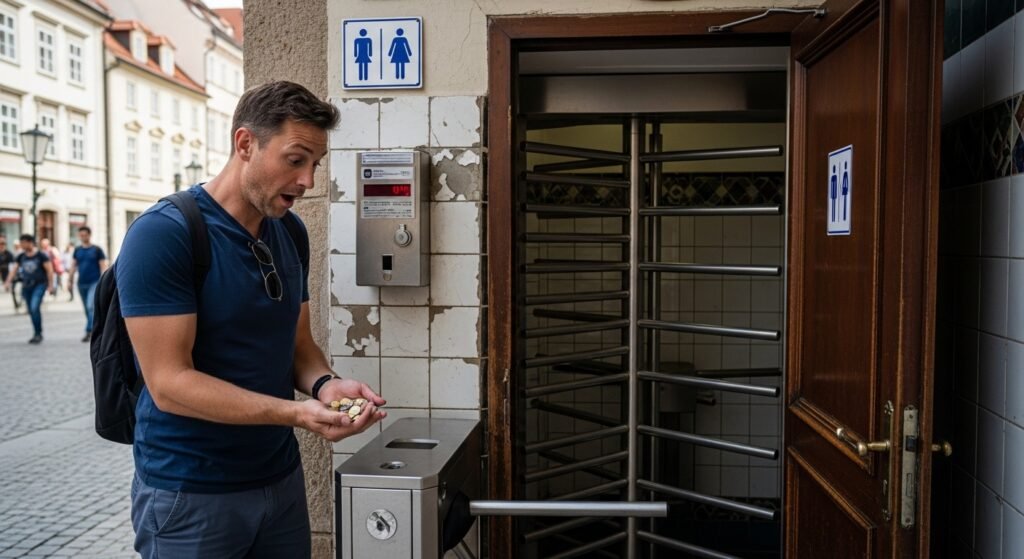
The concept that people need to pay for toilet access creates an enormous surprise for American citizens. European cities require visitors to purchase small coins which they need to operate the public restroom entrance system. Bathroom attendants receive this payment to deliver their cleaning services for public restroom facilities.
