
Whenever individuals visit events, programs, or experiences in a new place, they usually end up having seen very little of what lies below the surface. The use of hotels, conference rooms, and routine establishes a bubble that isolates the participants from the surrounding culture. However, it is the relationship that brings significant experiences: how people live, eat, communicate, and celebrate. It does not take too many dramatic transformations to plug the participants into the local culture; it is just a matter of making a wise decision that should invite curiosity and engagement. It makes an ordinary experience one that is memorable when done properly.
Start With Context, Not Instructions

Pre-orient the participants with a sense of the destination they are heading towards, not only physically, but also culturally. Share small pieces of information regarding local practices, values, and daily customs. This will make people feel not lost, but oriented. Climate fosters a sense of esteem and minimizes reluctance in interactions with new customs.
Use Local Voices Early

There is no quicker way of connecting with people than a firsthand account. The presence of the community members to talk, host, or lead activities generates instant authenticity. They become more amenable when information is received through lived experience instead of being briefed about it. These encounters make the place humanized past the stereotypes.
Design Experiences Outside Typical Venues

The meeting rooms and normal conference rooms restrict cultural exposure. Immersion of participants occurs naturally as they host their activities in the local cafes, cultural centers, markets, or in their neighborhoods. These conditions promote watching and discussing. Culture can be touched because of the daily environments.
Highlight Local Food as a Cultural Gateway

One of the least challenging methods of experiencing culture is through food. Rather than a generic catering, embrace some regional food and how it is important. Mealtime can be a time of education instead of a break. Telling food stories provokes group curiosity and discussion.
Encourage Small, Guided Interactions
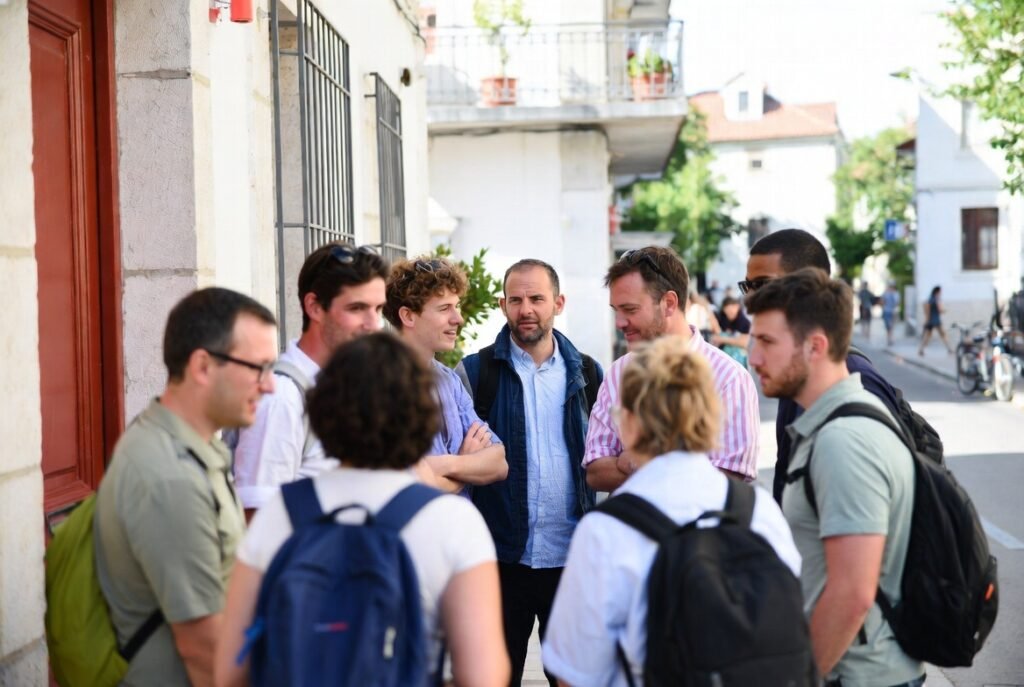
Group activities of large sizes may be overwhelming in a new environment. Local walks, workshops, or joint tasks are smaller directed interactions that help the participants feel comfortable. These are the times that there are real interactions without rushing. Confidence and interest are developed gradually.
Integrate Cultural Norms Into Daily Flow

It is the little things that can be changed. Be schedule-wise so as not to interrupt the local beat, be mindful of cultural etiquette, and observe the local communication style. These cues remind the participants that culture does not represent an appendix; it is a part of the whole experience. Informal lessons are more natural as compared to formal lessons.
Create Space for Observation and Reflection

All cultural interactions do not have to be organized. Give the participants time to observe, explore, and reflect on what they see. The most memorable ones are the unscripted ones. Reflection assists human beings in handling their differences without being judgmental.
Use Local Art, Music, and Design

Perception is constructed silently through visual and sensory considerations. The use of local elements of art, music, or design in spaces strengthens culture. Such information raises questions and interests. They also promote local designers as opposed to using generic aesthetics.
Encourage Respectful Curiosity

The participants ought to feel free to ask questions rather than being afraid of any mistake. Expectations of courteous curiosity can be used to make openness in advance. When individuals feel secure about learning, the cultural interaction will be effective. Carefully guided curiosity makes one learn more.
Avoid Over-Explaining or Oversimplifying
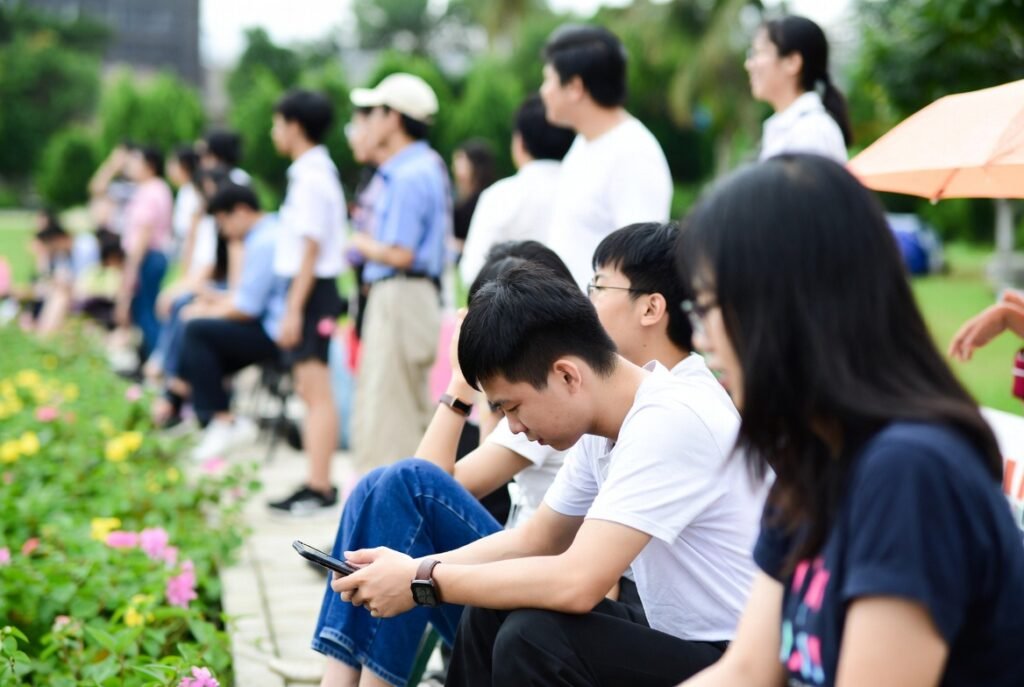
Culture cannot be summarized into a list of bullets. Explaining too much may be pushy, and explaining too little may be offensive. Allow participants to be complex in their natural manner. Believe that they can observe and acquire by means of interaction.
End With Connection, Not Closure

Instead of a formal wrap-up, motivate the participants to continue with the culture. Recommend local follow-ups, ongoing learning or how they can be connected. The engagement of culture does not cease as the program stops. It remains with the recollection and the view of things.
