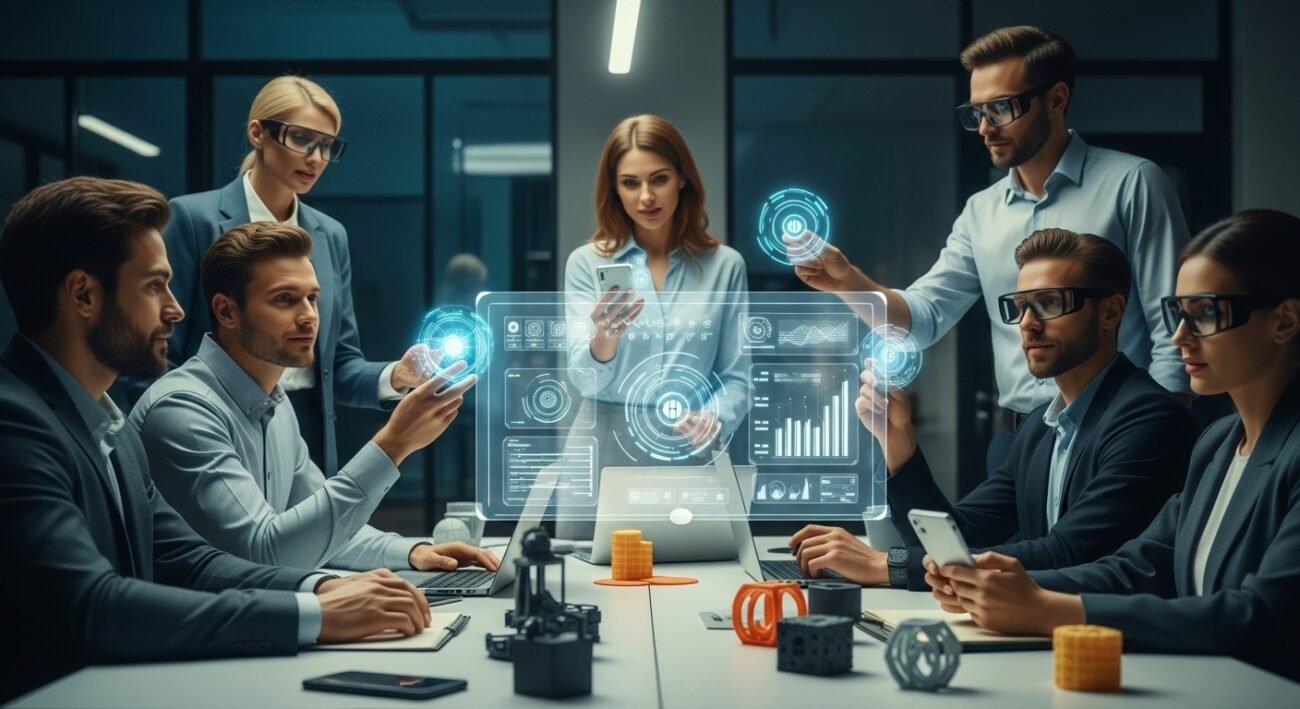
The technology sector is transforming from basic screen applications towards systems that combine “invisible” intelligent features with physical devices which create connections between virtual environments and actual spaces. The current advancements have progressed from their research phase in Silicon Valley to become part of standard practices used by millions of people throughout their everyday activities.
Personal AI Agents

We are moving past chatbots and toward “agents” that actually execute tasks. Your AI agent now handles your doctor appointments and cable bill negotiations and travel arrangements by using its ability to communicate with other software programs.
Smart Glasses Over Smartphones

People are gradually shifting from traditional handheld devices to modern wearable technologies that create “spatial” experiences. The development of lightweight smart glasses now enables users to receive directions and translations and notifications through their direct line of sight which eliminates the need for continuous “head-down” phone usage that has prevailed for the past ten years.
“Bio-Hacking” Wearables
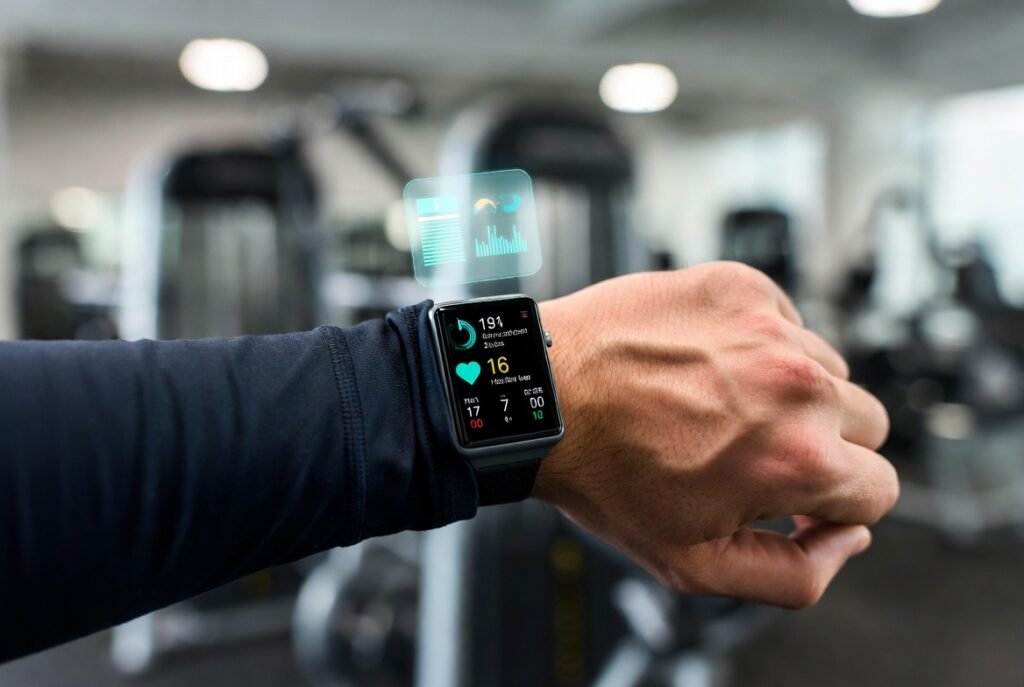
The public now expects more from wearable technology than simple step counting. New wearable devices enable users to monitor their blood glucose levels at all times while they also provide stress level assessment through “cortisol” measurement and customized nutritional guidance based on personal metabolic information.
Hyper-Personalized Education

AI tutors create personalized learning experiences which enable students to learn at their own speed instead of following the traditional “one-size-fits-all” classroom approach. The software creates an exact mental obstacle assessment for children who need help with fractions which leads to a teaching method change based on their personal interests.
Desktop Manufacturing
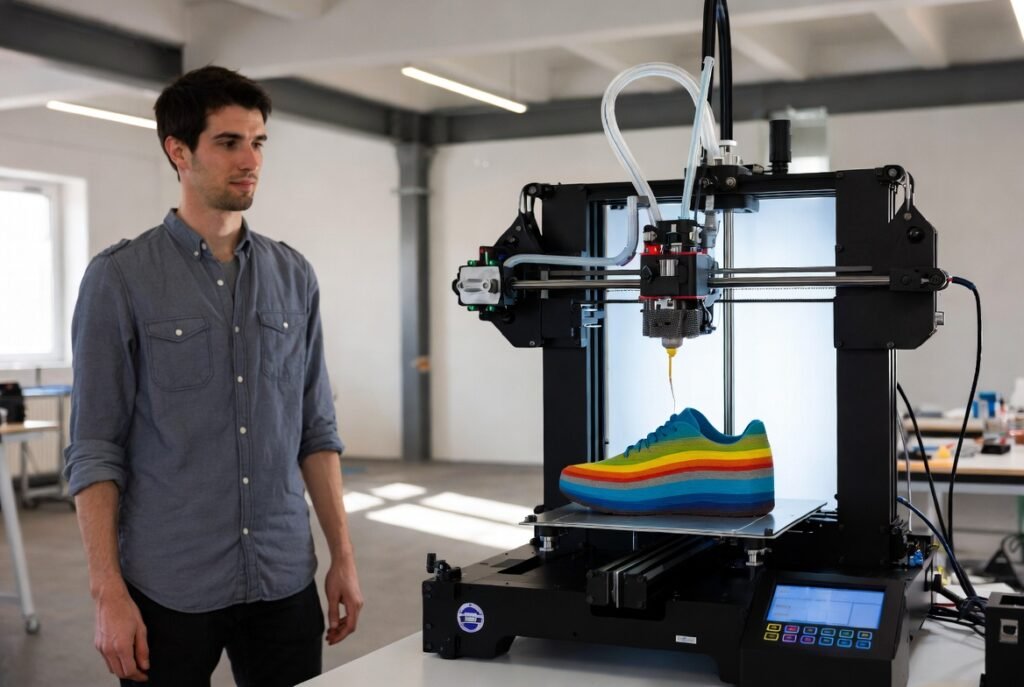
High-speed 3D printers from the “Maker” movement have returned to enable users to create multi-material products such as shoes and household tools within minutes. People now prefer to download “blueprints” so they can print their required items at home instead of waiting for products to arrive through shipping.
The Rise of “Small” Social Media

Large algorithm-driven platforms have lost users who now prefer to use small digital “micro-communities” which offer private social spaces. The spaces provide users with an environment which supports quality interactions between people who share common interests instead of which leads to viral outrage and endless scrolling.
Generative Hardware
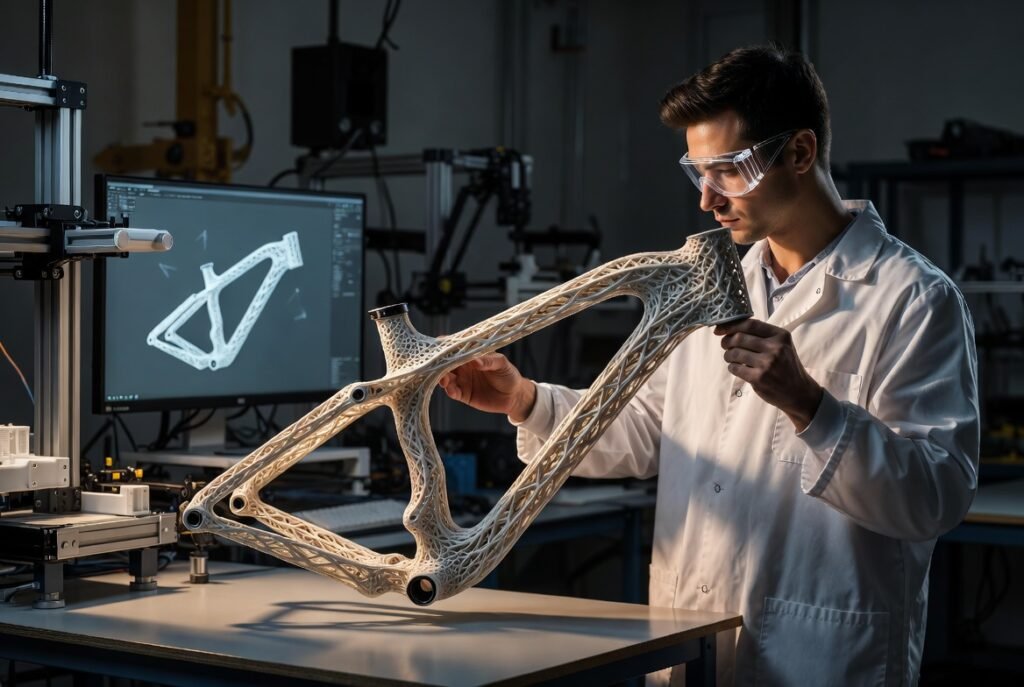
Hardware production now utilizes AI optimization to create both printed and grown hardware products. AI creates designs for bicycle frames and computer heat sinks which utilize organic shapes that imitate bones and tree roots to develop superior products compared to those designed by human engineers.
Digital Sovereignty and “Personal Clouds”
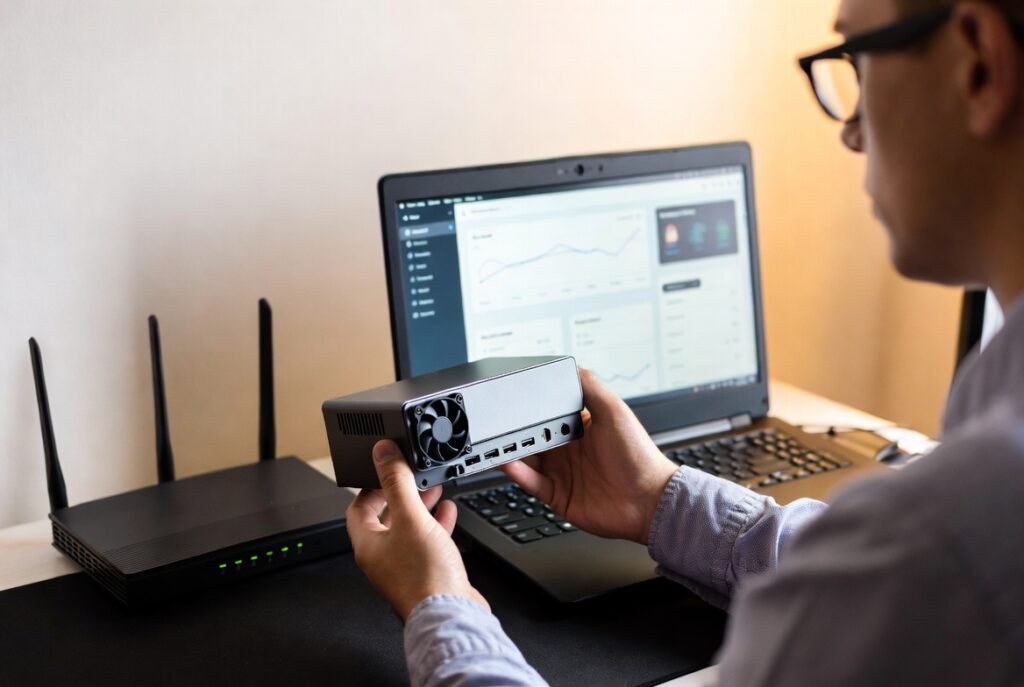
Data privacy concerns have reached their highest point which has led people to adopt “personal clouds. The devices function as home-based systems which store all your photos and documents and messages while offering cloud-like storage capabilities without the need for a tech company to control your data.
Real-Time Universal Translation
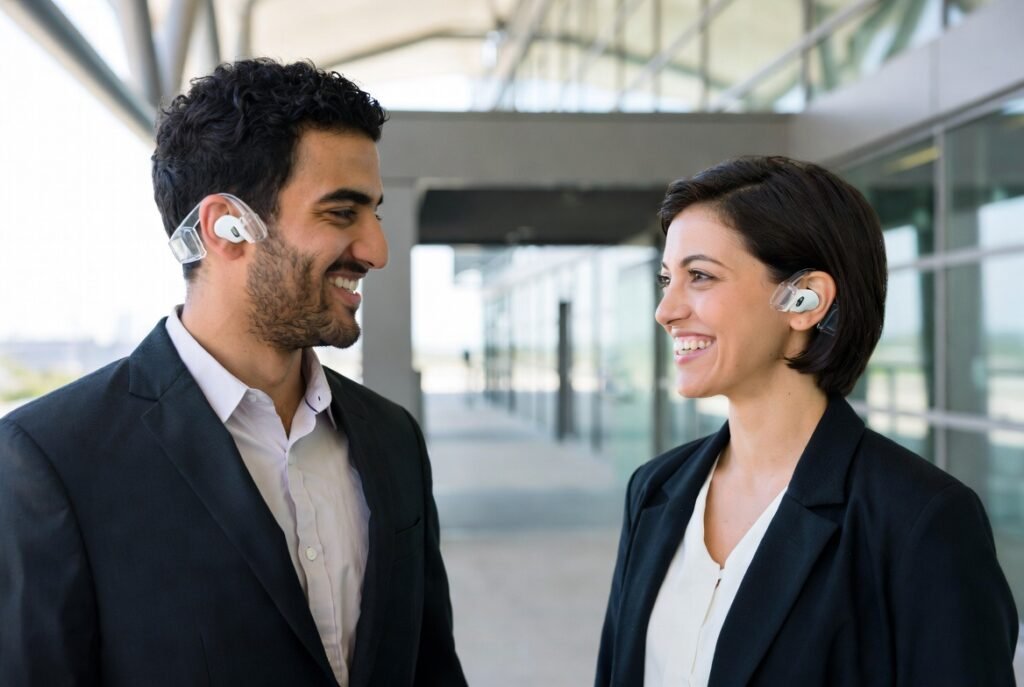
Language barriers between people have been effectively eliminated. The viral earbud technology enables two users to engage in a two-way real-time conversation in different languages with only 0.1 seconds of audio delay between their speaking turns.
Autonomous “Last-Mile” Delivery
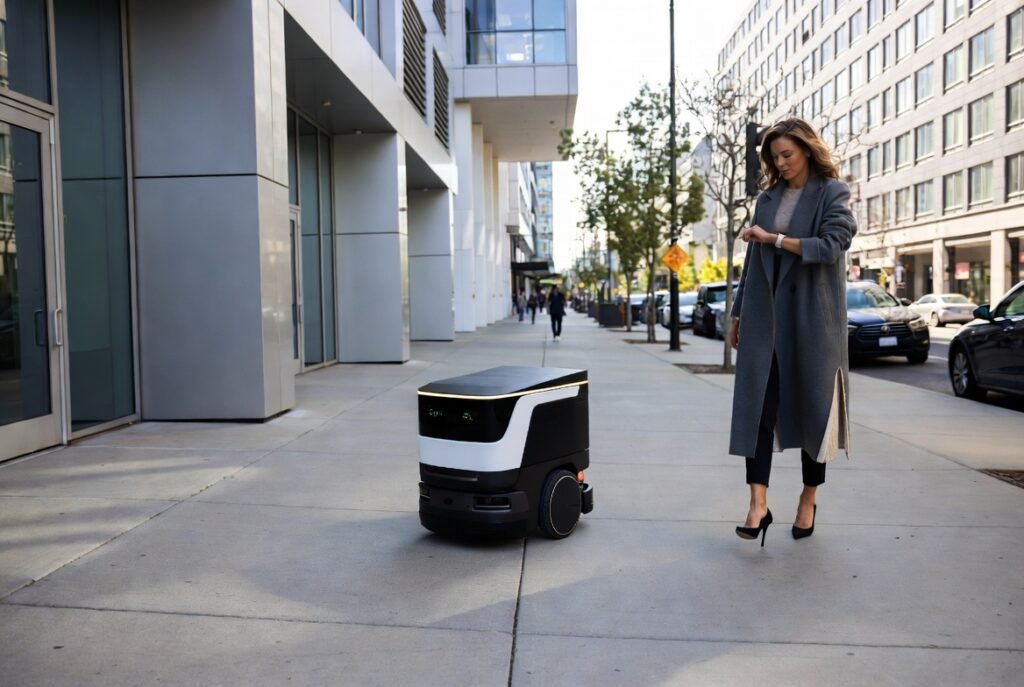
Small sidewalk robots and delivery drones have become standard delivery systems throughout major urban areas. The “last mile” delivery process has created a system which delivers grocery and medical items within 15 minutes as the new urban delivery standard.
Energy-Harvesting Gadgets

A new wave of technology exists which operates without requiring any electrical connections. The devices operate continuously through the use of “ambient energy” which they collect from indoor lighting and Wi-Fi signals and human body temperature, thus minimizing their need for conventional battery power.
Digital “Twin” Healthcare
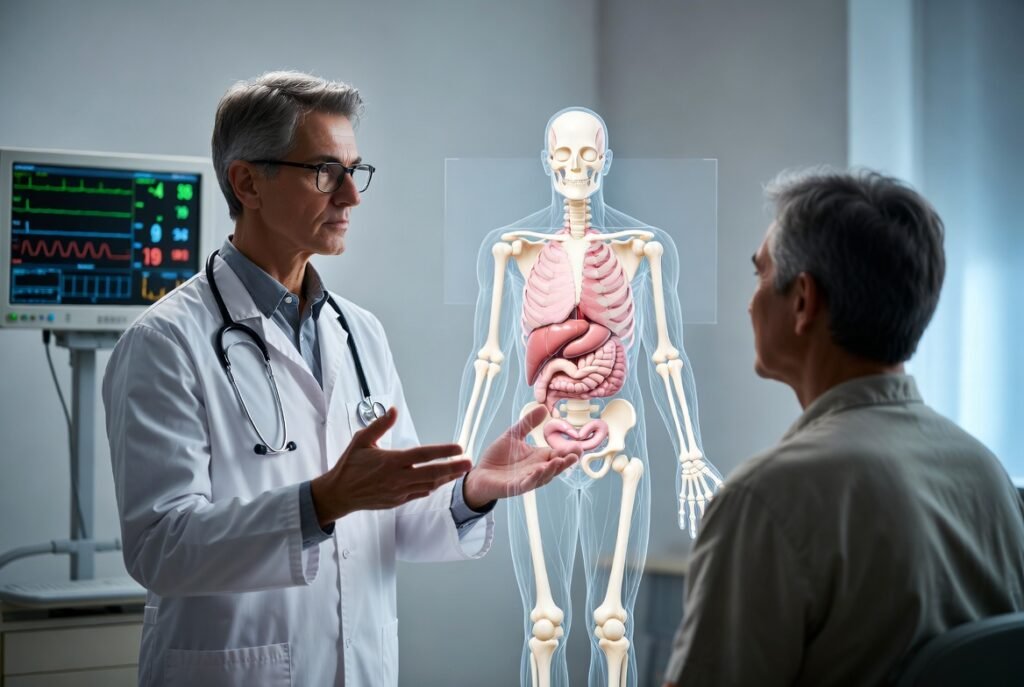
Digital Twins function as virtual patient body models which doctors use to evaluate the outcomes of particular surgical procedures and medications before conducting real patient treatment. The new medical technology improves treatment accuracy while decreasing associated risks.
