
Local communities observe the effect of small businesses even if the effects are not immediately visible. In addition to supporting jobs and supporting the movement of money within the community, small businesses provide a unique impact to our communities through many different factors. Many of these factors contribute to shaping community identity and affect the growth of towns and the experiences people have in their communities, as illustrated in the following points.
Creating Local Jobs

The biggest impact of small business on local communities is that they create local employment opportunities which are suitable for students, freshers, and seasoned employees, looking for part-time or money making while learning something new.
Keeping Money Circulating Locally

Small business owners pay local rent, pay for local services, and pay local employees. Money recirculating in the community supports other local businesses, providing a more stable and active economic environment within your community.
Supporting Community Identity

Local businesses reflect the character of a neighborhood. As people begin to identify and take pride in their neighbourhoods through these places, they become more connected and form a stronger bond.
Encouraging Entrepreneurship

People start their own businesses when they see a local business succeeding. It’s very exciting for them, and it motivates them to pursue their dreams of owning their own business. They work on new ideas, products, and unique services in order to make their business as a brand.
Filling Gaps
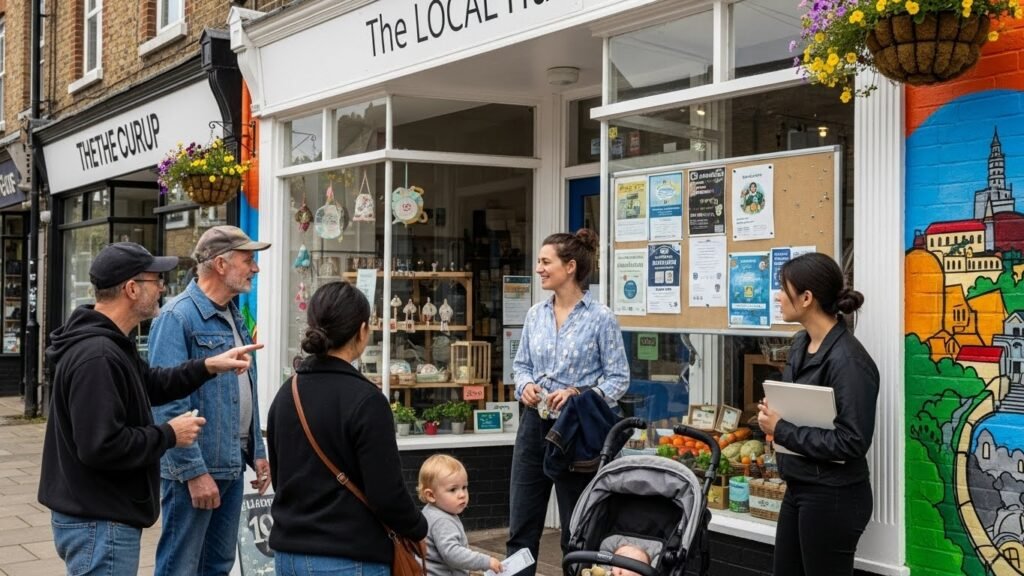
Small businesses often cater to local needs in specific areas. They examine the audience closely and try to find gaps. This allows communities to get services that larger companies might ignore.
Strengthening Local Supply Chains
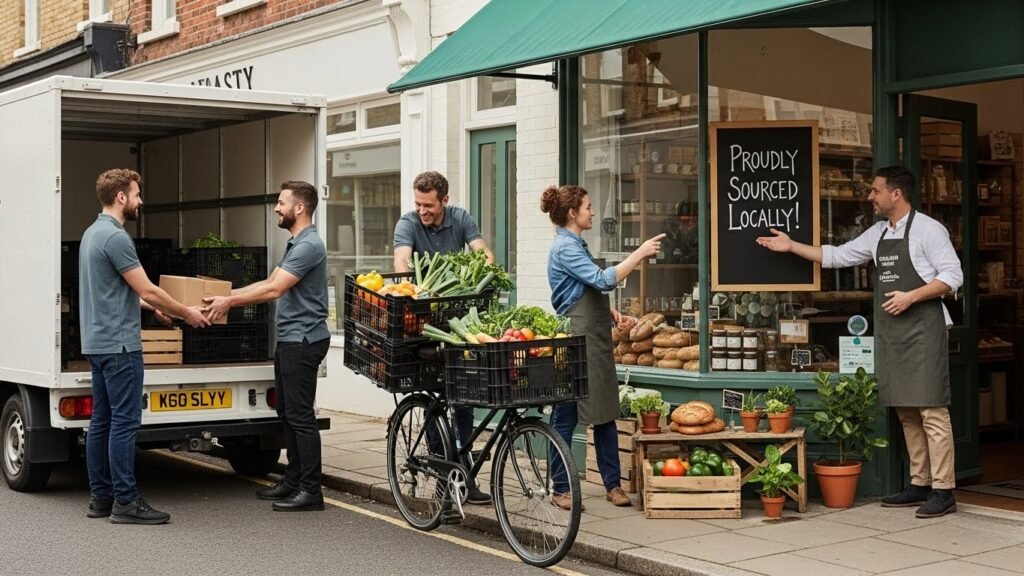
Many small businesses work with nearby suppliers in order to cut costs. This reduces dependence on distant sources and supports other local operations. Strong local supply chains help communities handle change more smoothly.
Improving Neighborhood Stability

When people see shops open with people they know, it gives a sense of security and makes the neighborhood visit the shop frequently. This develops foot traffic and regular activity at a glance.
Supporting Local Taxes and Services

Indeed, small businesses also contribute to local taxes if they fall into the criteria. Even modest contributions add up when many small businesses operate together.
Building Personal Customer Relationships

Owners often know customers by name. This personal connection builds trust and loyalty. Strong relationships encourage repeat visits and steady income that supports long-term operation.
Helping Communities

Small businesses adjust faster during economic change. They shift hours, products, or services based on local needs. This adaptability helps communities respond calmly to challenges and gradual change.
