
Work environments have turned out to be dynamic and people-oriented, and that has transformed management. Stiff authority and indifferent management are no longer well received by employees. The contemporary teams demand leaders to be aware of performance as well as personal well-being. Productivity has ended up depending on consideration, clarity, and emotional cognizance in place of manipulate. These changing expectancies are manifested within the leadership fashion, which is turning into extra famous.
Empathy as a Core Leadership Skill

Empathy enables the leaders to learn about the difficulties that employees have outside of the deadlines and targets. Employees are treated with respect, not managed, when leaders are able to listen without judging them. Such emotional attachment minimizes cogitation and civility. Empathic leaders will be in a better place to respond rather than react. Empathy over time develops loyalty and psychological safety in teams.
Clear Vision Without Micromanagement

Workers desire guidance and not supervision. Leaders who effectively set goals and leave implementation to be trusted enable teams. Micromanagement suggests mistrust and a lack of self-perception. Self-warranty and self-mastery are the results of independence. The freedom and clear vision result in better performance.
Honest and Transparent Communication

Openness decreases internal speculation and uncertainty. Employees love it when managers keep them up to date in an open and transparent way even if the news is not so good. Credibility during change is created through honest communication. Lack of communication or opaque communication is anxiety-producing. Transparency enhances congruence within the organization.
Focus on Employee Growth and Development

When leaders invest in their personnel, they remain concerned. Training, mentorship, and remarks reflect lengthy-time period commitment. Leadership, this is increase-orientated complements motivation and retention. Human beings work better when they have a vision. Cultures that are centered on development attract better talent.
Adaptability in Leadership Style

dynamic, and the leadership should follow suit. Adaptable leaders change strateContemporary work environments are gies and do not lose sight of the way. Flexibility comforts a team in times of uncertainty. Laidback leadership finds it hard to adjust in changing times. The resilient leaders develop strength and confidence.
Recognition That Feels Genuine
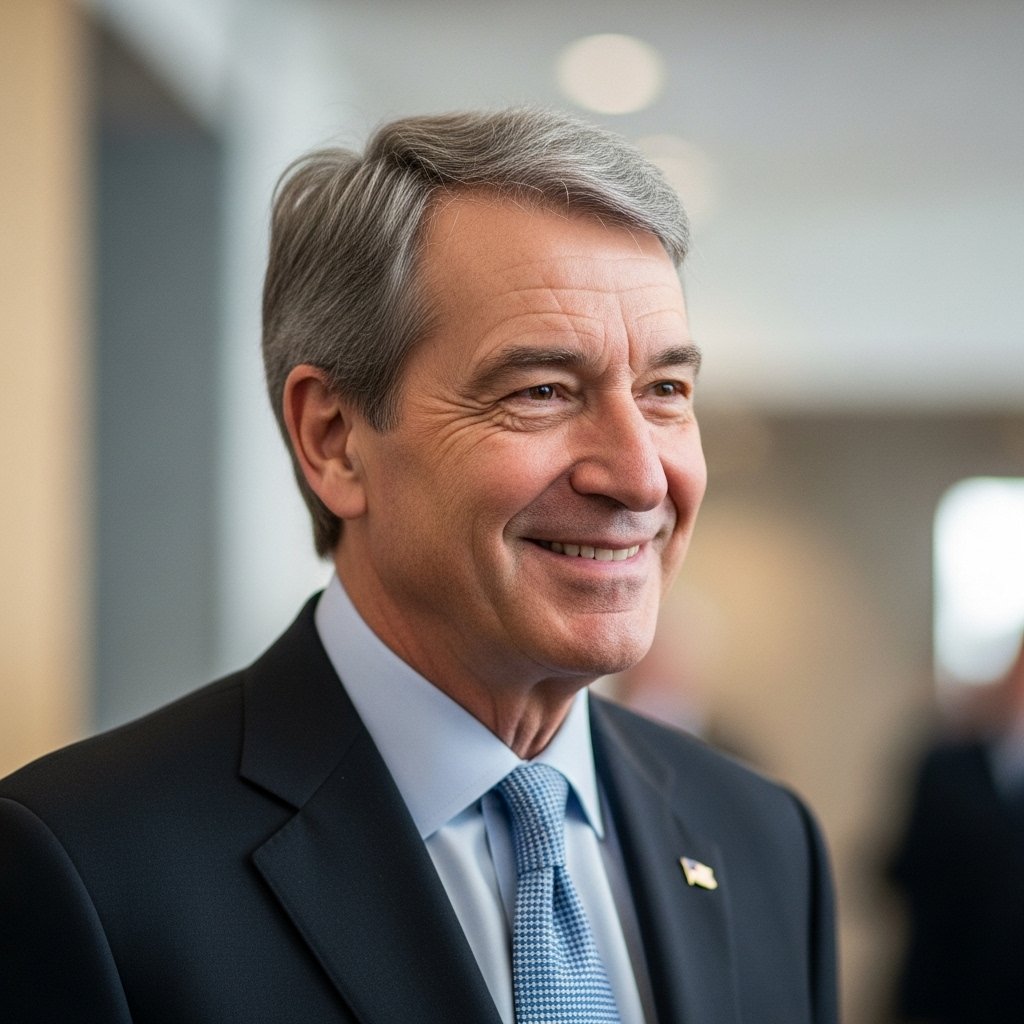
Authority is less effective than recognition. The workers desire that their effort is rewarded, rather than the results. True appreciation generates morale and confidence. Good behavior is strengthened by social approval. When one feels valued, the level of engagement increases automatically.
Emotional Intelligence During Conflict

War is inevitable in an organization. Emotionally intelligent leaders are able to deal with conflict in a non-violent manner. Their attention is not on blame, however, on solutions. This method will avoid resentment in the long term. Employees are much less afraid to voice their issues when warfare is controlled in a deferential manner.
Inclusive Decision-Making

Ownership and duty are more advantageous through inclusion. Leaders who allow suggestions enjoy different points of view. Decisions that employees contribute to receiving are supported by employees. The inclusion enhances problem-solving and innovation. Involvement creates an extra dedication to effects.
Respect for Work-Life Boundaries

Burnout negatively influences productivity and morale. Boundary-respecting leaders are long-time period thinkers. Sustainable performance is promoted by reasonable expectations. Balance is an indication of respect for employees as individuals. Well-being borders enhance commitment and confidence.
Word Worth Words and Actions

There must be consistency in credibility. Employees do not take long before they see inconsistencies in promises and actions. Trustworthy leaders receive respect in the long run. Coherence develops trust within groups. Leadership is a matter of actions and not words.
