
The introduction of major technological advancements does not always create public excitement. The most significant technological advancements emerge from unobtrusive sources until they become vital requirements. People experience these hidden innovations because they transform work patterns and living arrangements and technology-based social interactions at a speed that most observers do not perceive.
Small, Task-Specific AI Tools
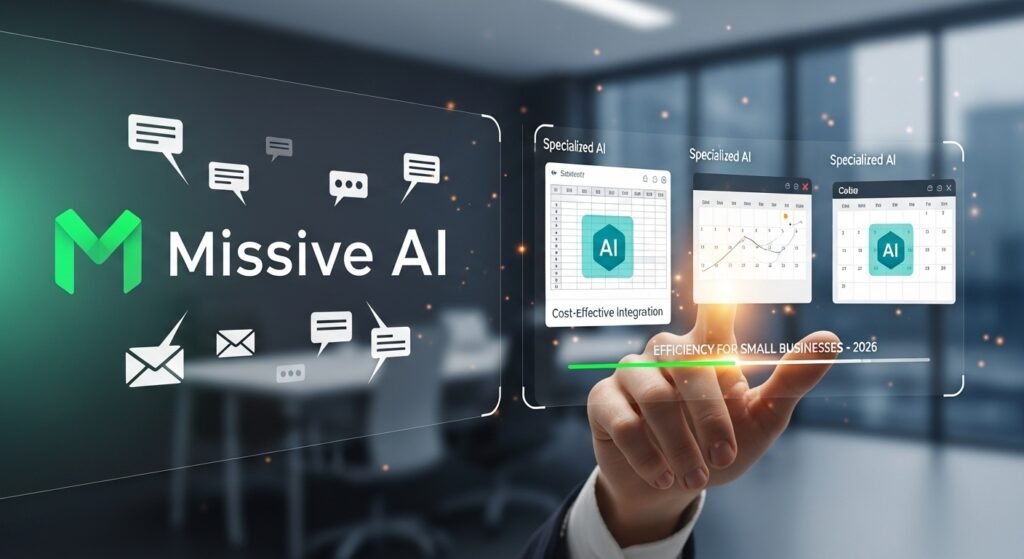
The industry moves toward developing multiple small AI tools which perform specific functions instead of creating one comprehensive AI system. The tools provide automated solutions which perform their designated tasks of scheduling and document review and support replies. The software programs become more accessible through their lower expenses and their natural integration into everyday work activities which leads to better user adoption.
Technology That Works Quietly
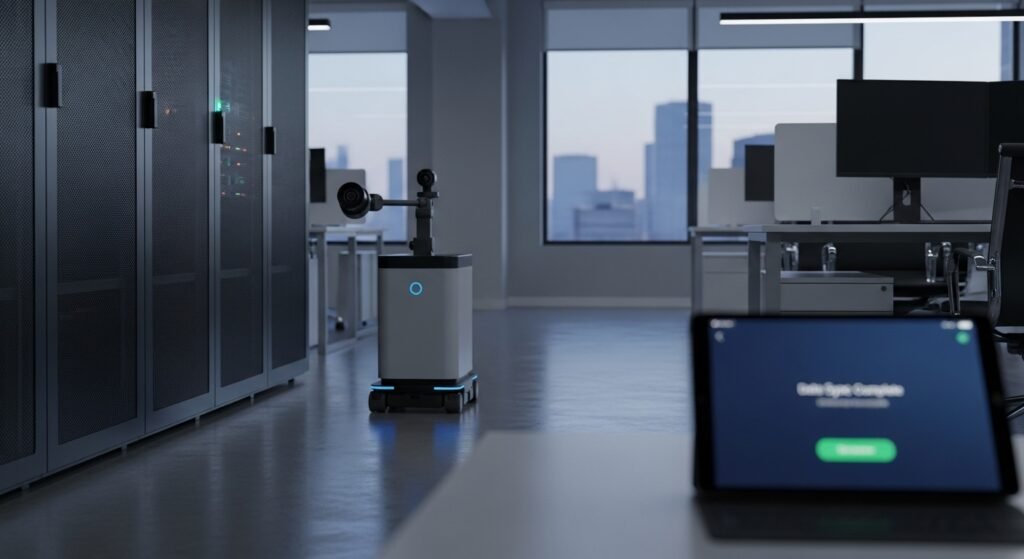
The next wave of tech focuses on reducing friction, not adding features. Data synchronization tools operate silently while they resolve minor problems and perform automated tasks without requiring user input. The moment people experience an interruption from technology, their awareness of the situation increases even when they do not understand the explanation.
Better Integration Between Existing Tools
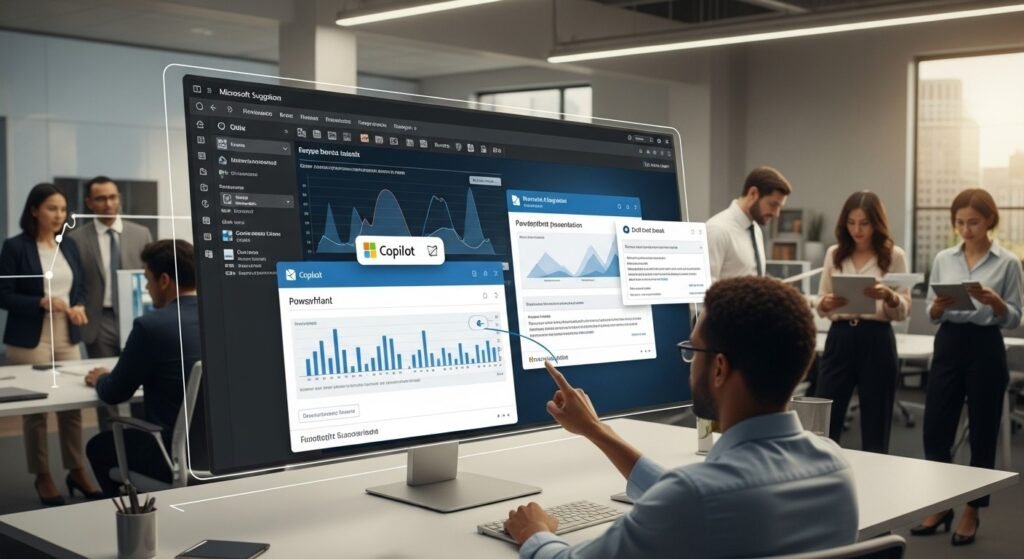
The process of tool development depends on building better communication channels between existing platforms instead of developing new systems. Employees experience simpler work processes because software systems enable them to work together without interruptions. Users benefit from improved performance because the system prevents them from making mistakes during application transitions. Integration functions as a productivity booster because it improves work efficiency while maintaining existing knowledge among employees.
Digital Trust and Transparency Tools
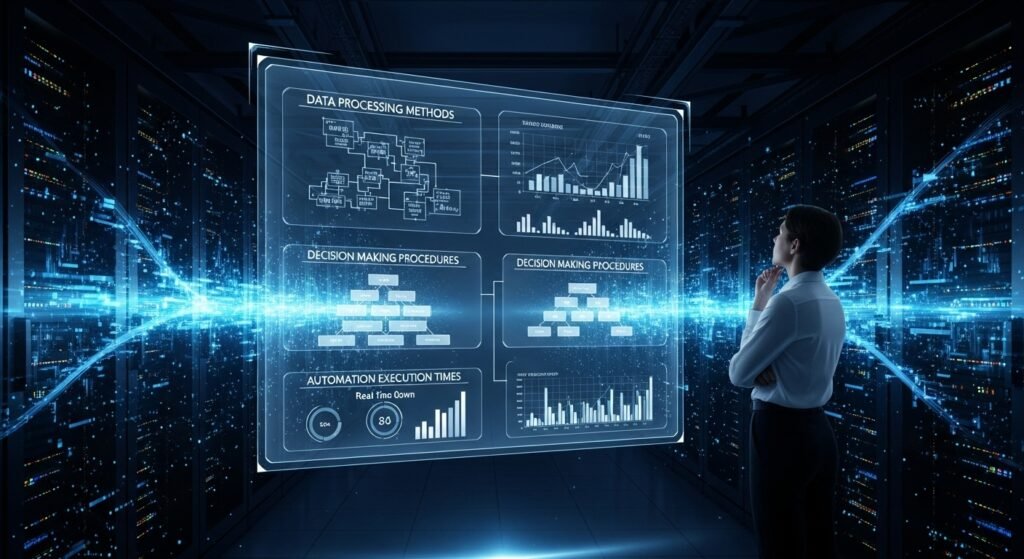
Trust becomes more essential when technology gains stronger capabilities. The market values tools which demonstrate data processing methods and decision-making procedures and automation execution times. Users establish confidence through visible information which leads to sustainable product use.
Human-Centered Automation
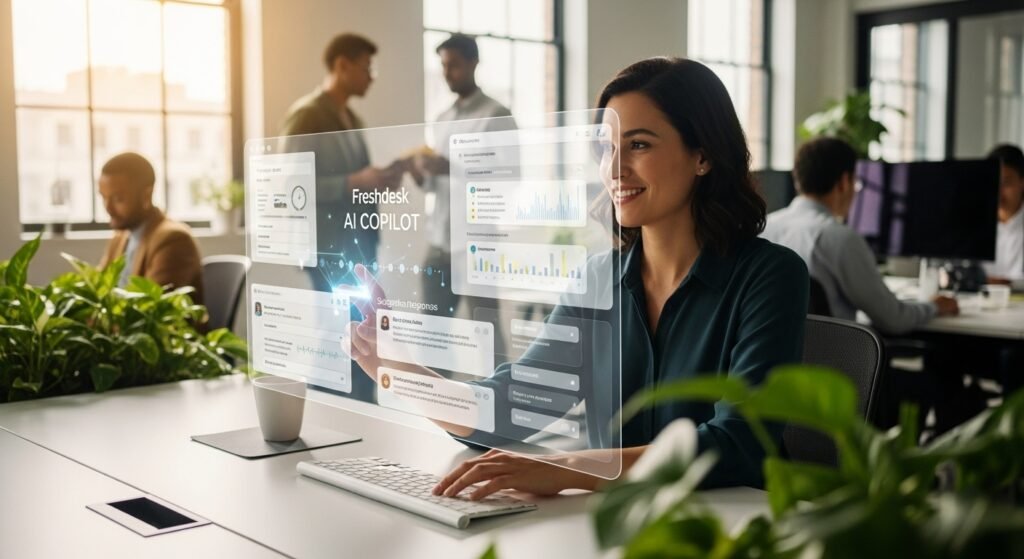
The development of automation technology now aims to support people instead of taking their jobs. The tools provide users with support and suggestions while they maintain control of their work. Workers maintain their performance through this method which keeps them engaged and minimizes their concerns about upcoming technological advancements.
Simpler User Interfaces
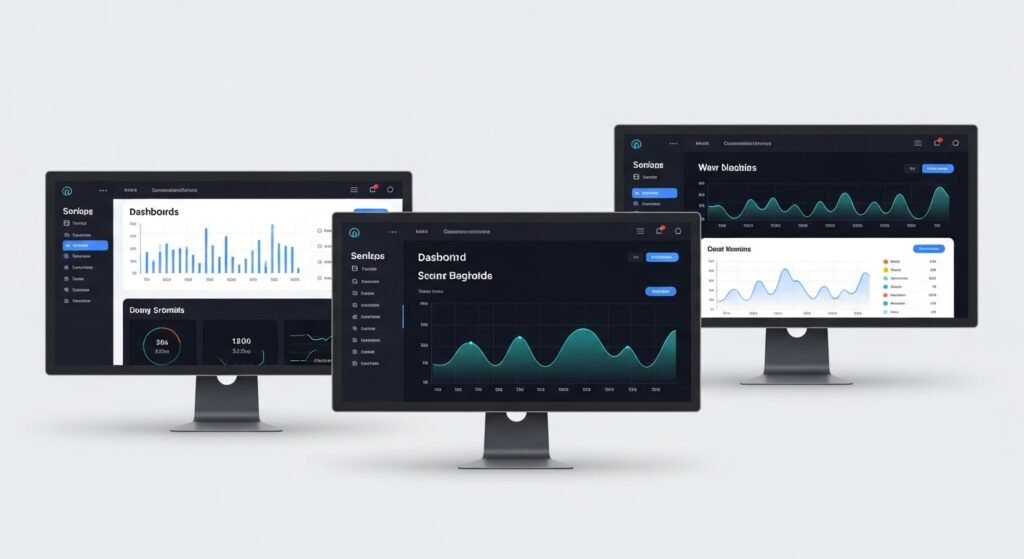
People prefer dashboards that display information in a straightforward way. People want clean, simple screens that do one thing well. Users tend to use technology more when it operates smoothly and requires less time to learn. Businesses now gain market advantage through operational efficiency which requires less skilled workforce.
On-Device Processing
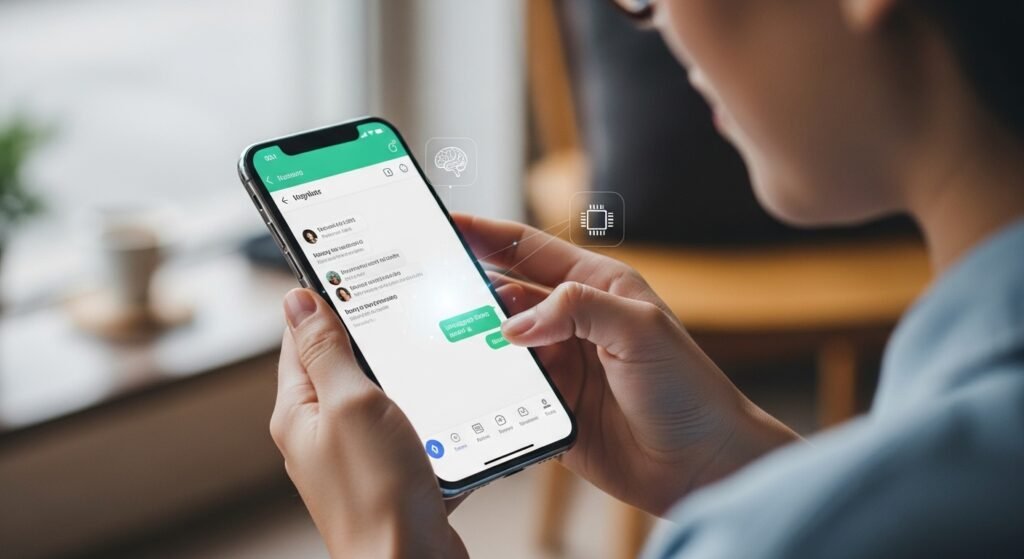
More tasks are handled directly on phones and computers instead of remote servers. The process brings advantages of faster operations, better user protection and more dependable systems. The system operates for users who can choose to remain unaware of its underlying technology.
Tech That Reduces Cognitive Load

The most underrated goal in tech is mental relief. The study shows that tools which eliminate reminders and decisions together with constant checks enable users to concentrate better while enhancing their mental state. The user experience becomes beneficial when technology decreases mental load which results in less mental distraction.
Long-Term, Sustainable Tech Habits
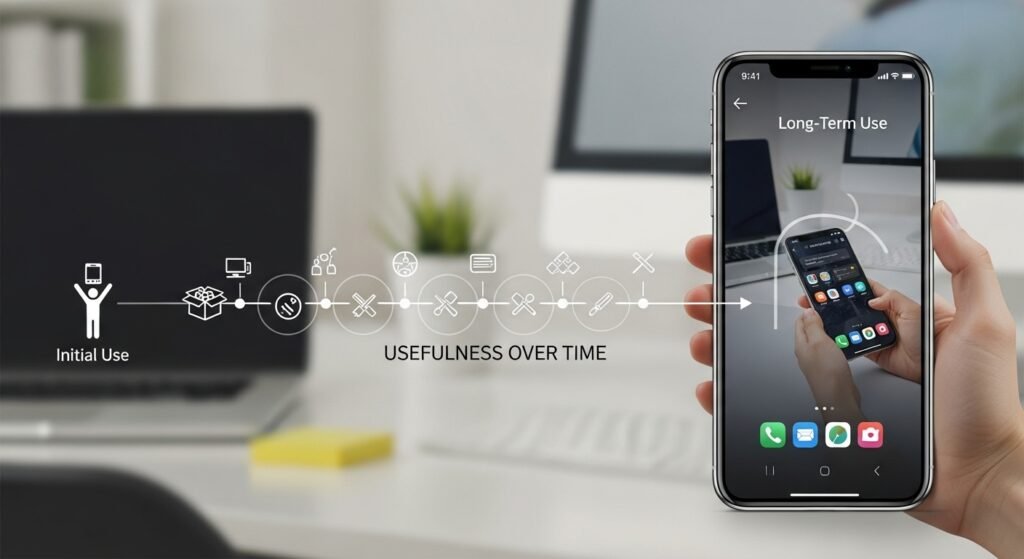
Both companies and users prefer tools that maintain functionality through time while developing new capabilities. Users prefer tools that deliver essential functions over time instead of losing their appeal after initial use. Sustainability in tech now means usefulness over time, not just innovation speed.
