
A tale begins with hope, yet unfolds differently than expected. Not every ending wraps neatly in bows. Some versions carry weight children might not need to carry so soon.
Everyone hears about Sleeping Beauty – a tale painted as a peaceful dream, full of enchantment, love, and joy that lasts forever, thanks in part to Disney’s version. Yet those first tellings long ago carried sharp edges, real danger, nothing soft for children’s ears.
The Story Predates Disney by Centuries
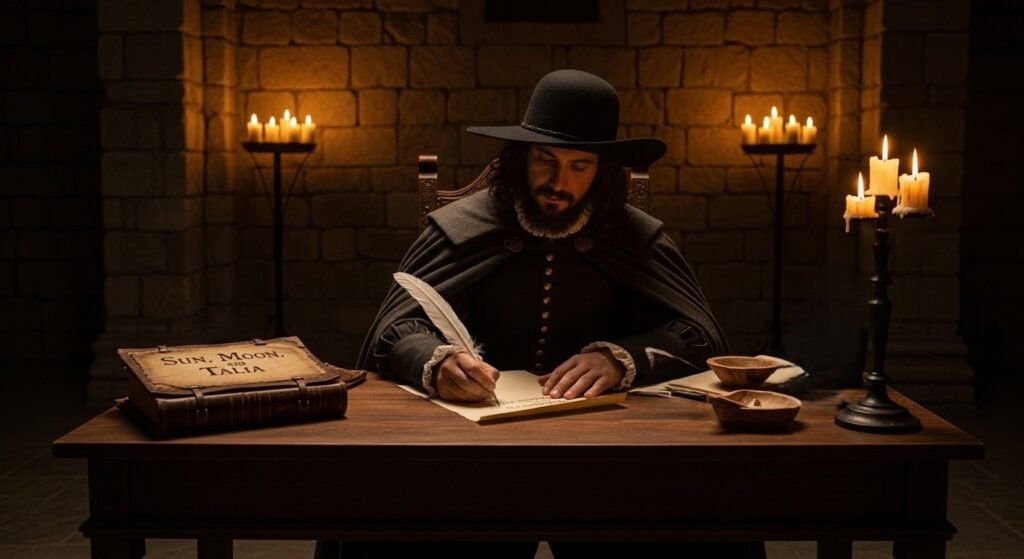
Before the 1959 Disney movie came out, the story showed up in old European tales. Back in 1634, Giambattista Basile put it down on paper – called Sun, Moon, and Talia. This original version feels harsher than today’s gentle versions.
The Princess Does Not Wake From a Kiss

While asleep, Talia finds herself at the center of actions she cannot control. A king appears, not with soft words or a quiet moment, but through intrusions that go beyond her consent. While she lies motionless, others act in ways that disturb right away. That version carries weight because it shows power without permission.
She Gives Birth While Still Asleep
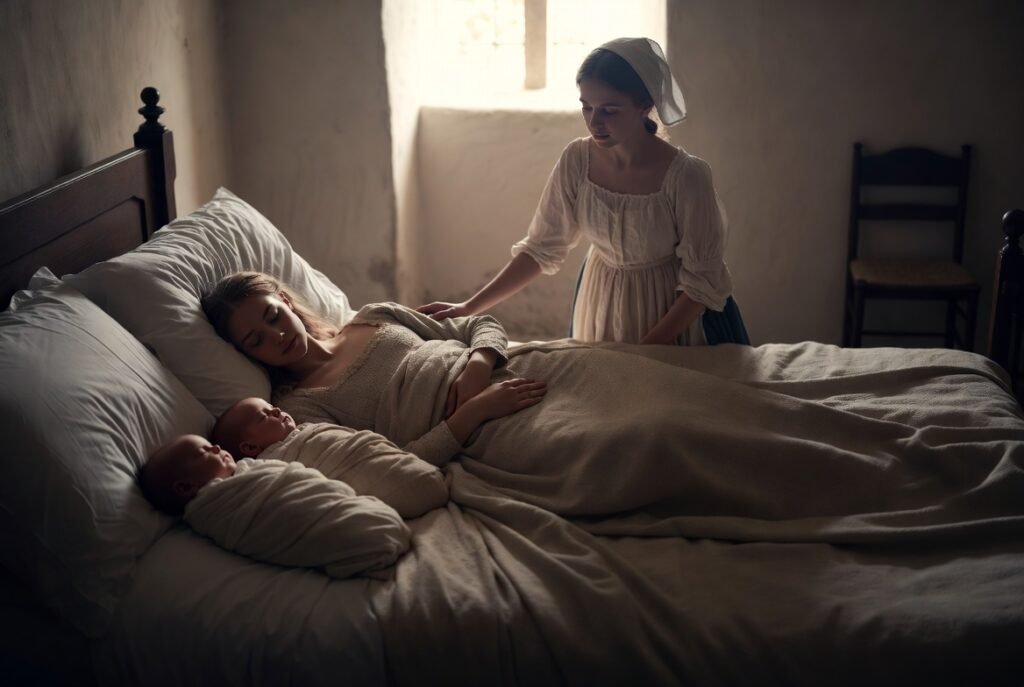
At first, Talia does not stir – she lies still, without waking. Later on, she gives birth to two children. What changes everything is that a baby, moving carelessly, pulls out the flax splinter from her hand. That small act breaks the spell that kept her asleep.
A Jealous Queen and Cannibalistic Plot

Things take a turn for the worse once the king’s wife finds out about the kids. Some tales show her planning twisted payback. She might try to order their deaths – served up like dinner – to the man she claims love for.
The Brothers Grimm Softened the Tale
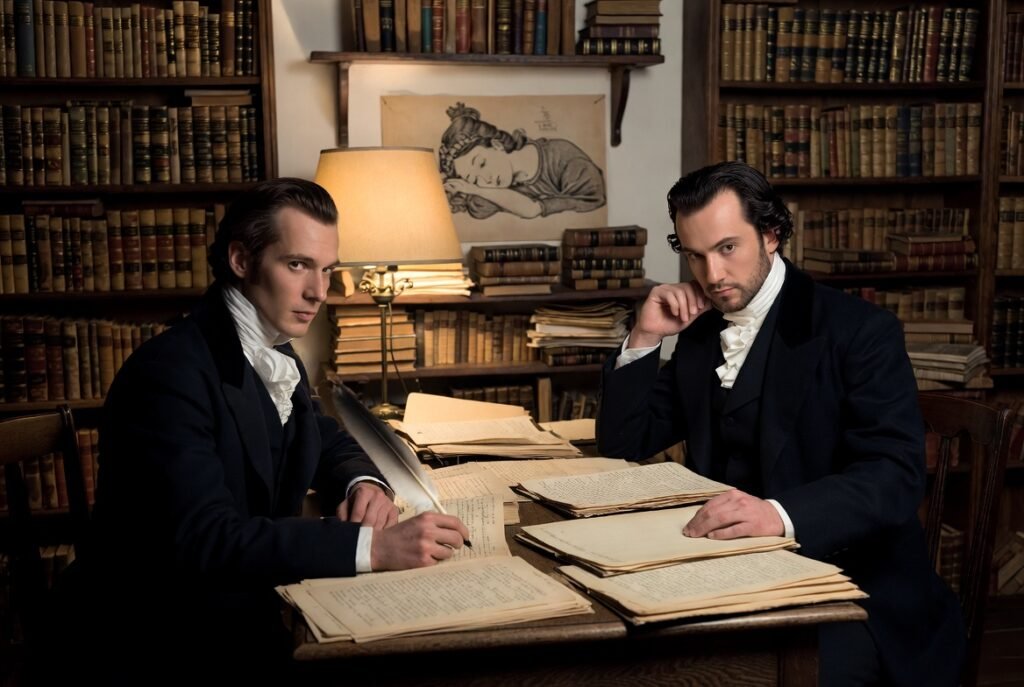
By the early 1800s, versions from the Brothers Grimm left out harsh parts. Instead of terror, there was a sleeping princess broken by a spell – awakened only when a man pressed his lips to hers. Their 1812 telling marked a turn toward gentler tales that children could gather around.
Charles Perrault Added the Fairy-Tale Romance

Back in 1697, French writer Charles Perrault shared his own take on the tale, softening a few scenes while keeping shadowy moments like a mother-in-law who’s really an ogress, warning the young woman and her kids of danger.
Why Fairy Tales Were So Dark
Fairy tales began without kids in mind. Life showed rough truths through stories meant to teach. Hard facts appeared – lies told, harm done, staying alive. Not fairy dust, but real risks shaped these words. Lessons came loud, not whispers for sleep.
