
The Samsung Galaxy S26 Ultra has introduced a revamped “Armor” frame which replaces traditional titanium with a proprietary new alloy that delivers extreme durability. The material upgrade delivers protection against screen and frame damage which users fear will occur during accidents at high altitudes. The new structural reinforcement system enables mobile engineers to test whether a device can sustain operational status after falling from a height of 20 feet onto a solid surface.
A New Hybrid Material
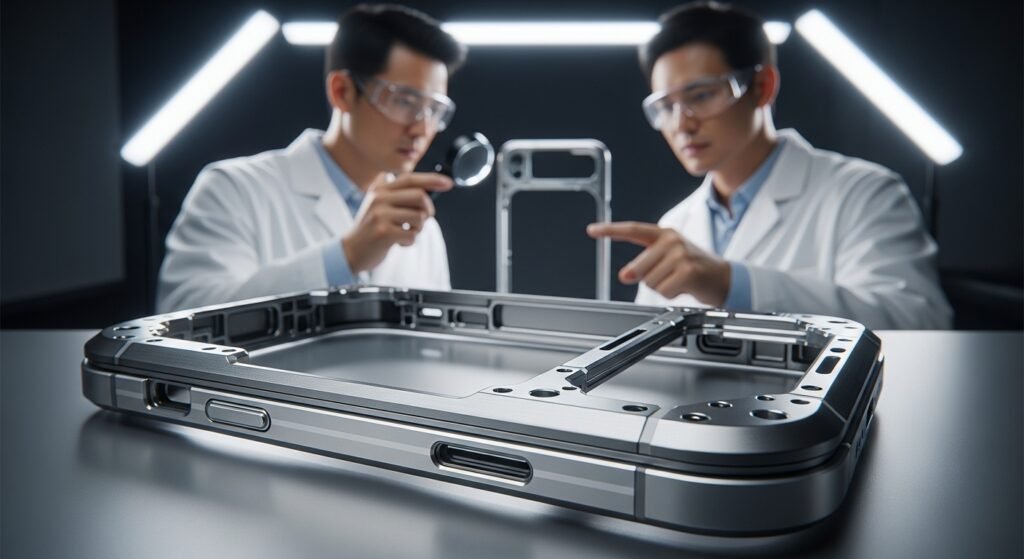
The Armor frame isn’t just standard metal; it is a specialized blend of magnesium and high-grade aluminum. The new material combination allows for lighter weight than any previous titanium variant while delivering better tensile strength which prevents bending when the phone experiences impact.
Shock Absorption Technology
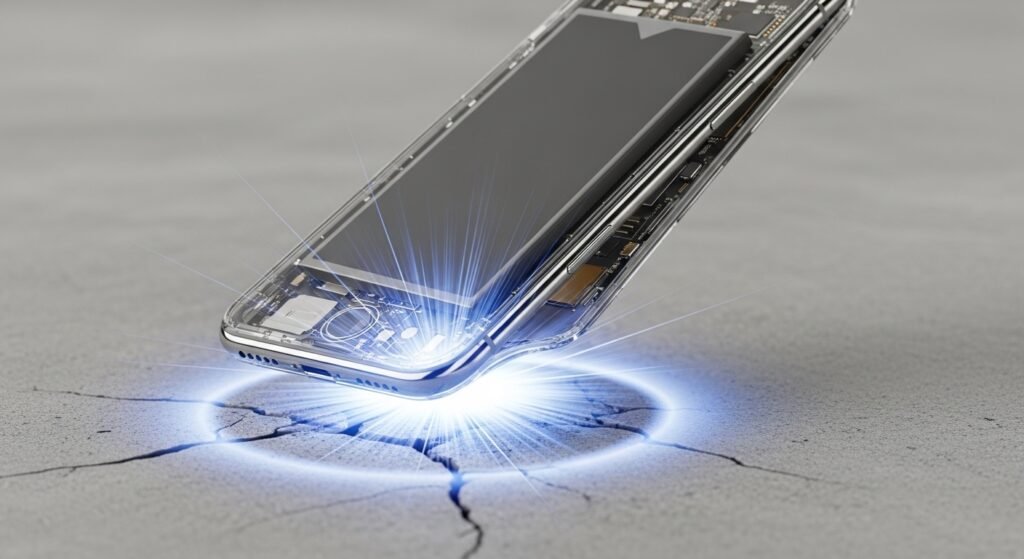
The new alloy absorbs energy from falls through a design that enables the glass to shatter upon impact. The frame uses microscopic specifications to create which allows the frame to shake while releasing kinetic energy to the outer area instead of directing it to the internal parts of the device.
Reinforced Internal Bracing
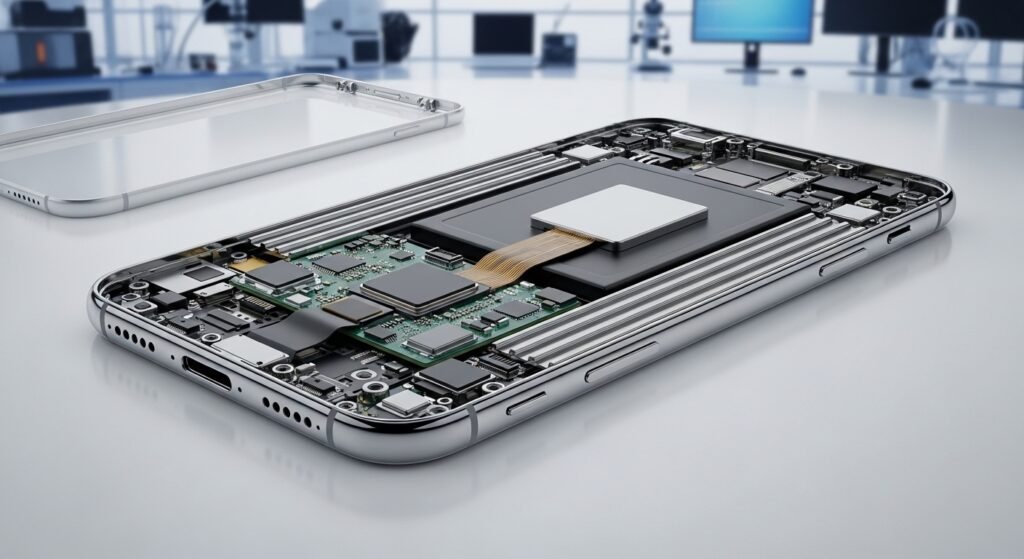
A second support system exists behind the outer metal covering. Samsung has integrated internal “ribs” made of the same alloy that provide a skeleton for the phone, ensuring that even if the exterior takes a dent, the motherboard and battery remain shielded from the force.
Impact-Resistant Coating
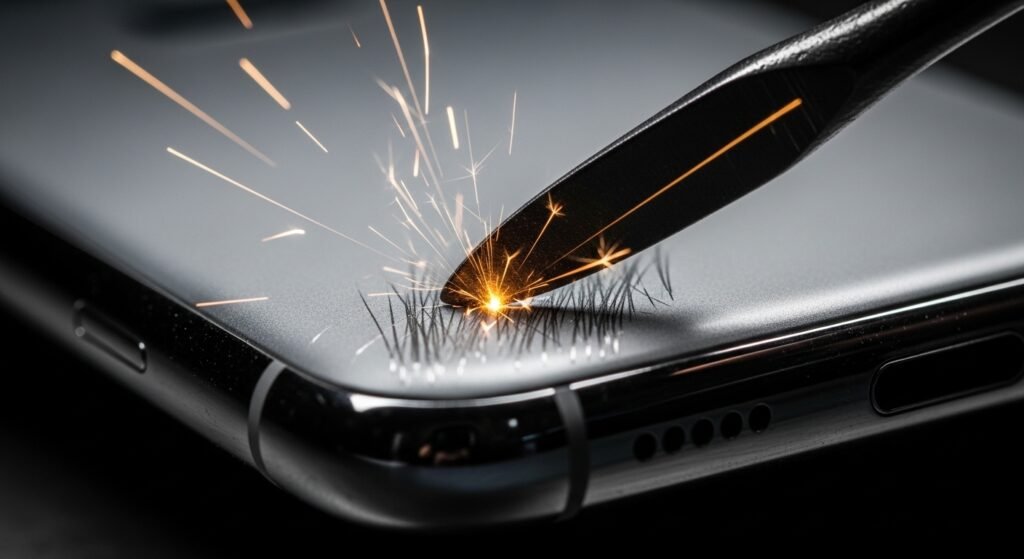
The frame surface contains a ceramic-infused coating which protects against severe cuts that penetrate deep into the material. The standard metal frame will probably deform during a 20-foot drop but the coating keeps the phone intact at its original dimensions after impact with concrete.
Corner Density Calibration

Higher-altitude phone drops demonstrate that phones tend to drop onto their corners. The S26 Ultra’s Armor frame is intentionally denser at the four corners, providing a thicker buffer of metal where the device is most vulnerable to structural failure.
Screen-to-Frame Integration

The frame extends its coverage over the glass edges beyond what previous models accomplished. The “lip” design ensures that metal touches the ground first during a 20-foot drop which protects the display from receiving direct damage.
Thermal Stability
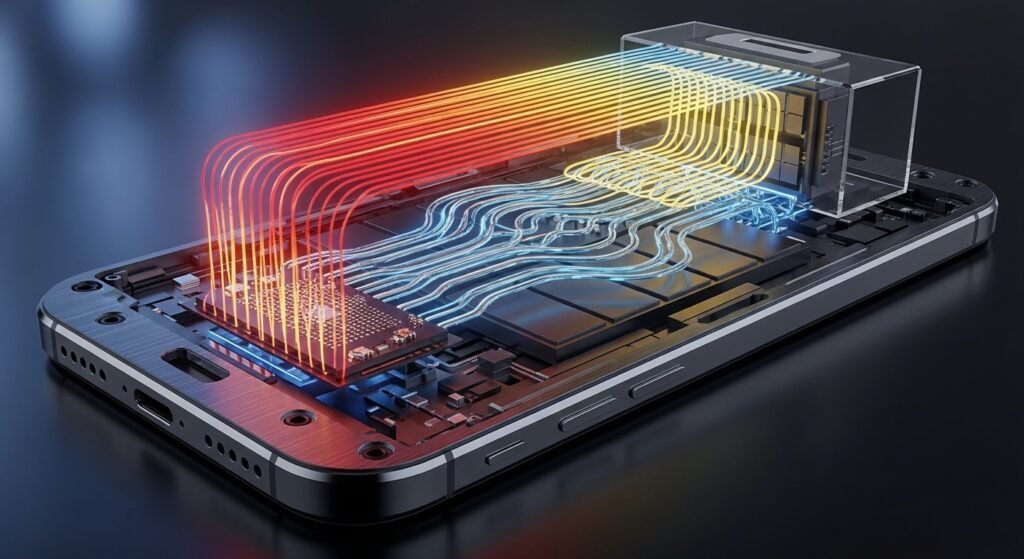
Internal phone stress occurs when lost devices experience heat exposure because their interior components sustain damage. The alloy contains excellent thermal conduction properties which help keep thermal energy from reaching the device’s internal components.
Resistance to Warping
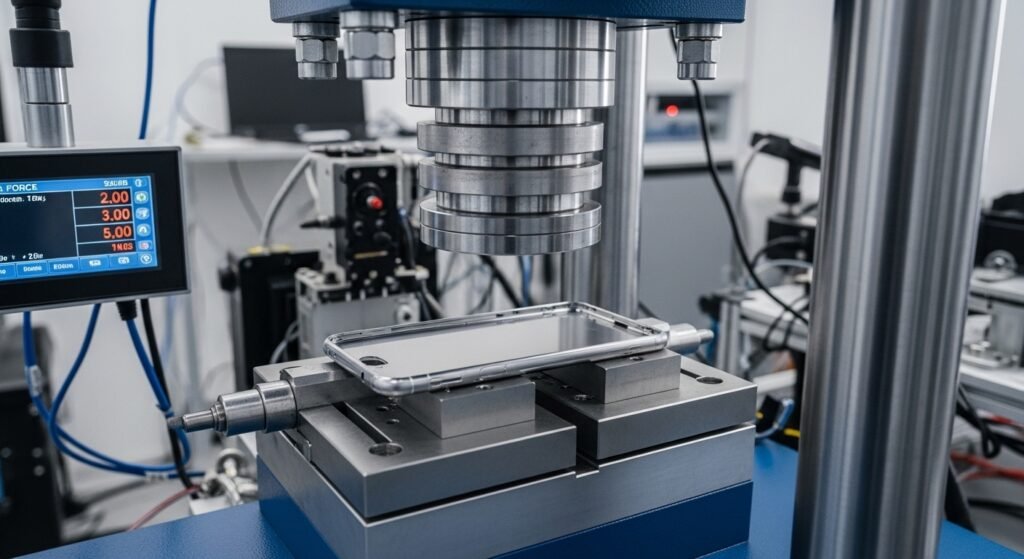
The impact at 20 feet creates sufficient force to bend a phone into a curved shape. The Armor frame maintains its high rigidity which prevents any device bending that would damage the water-resistant seals protecting the phone’s internal components.
Aesthetic Longevity
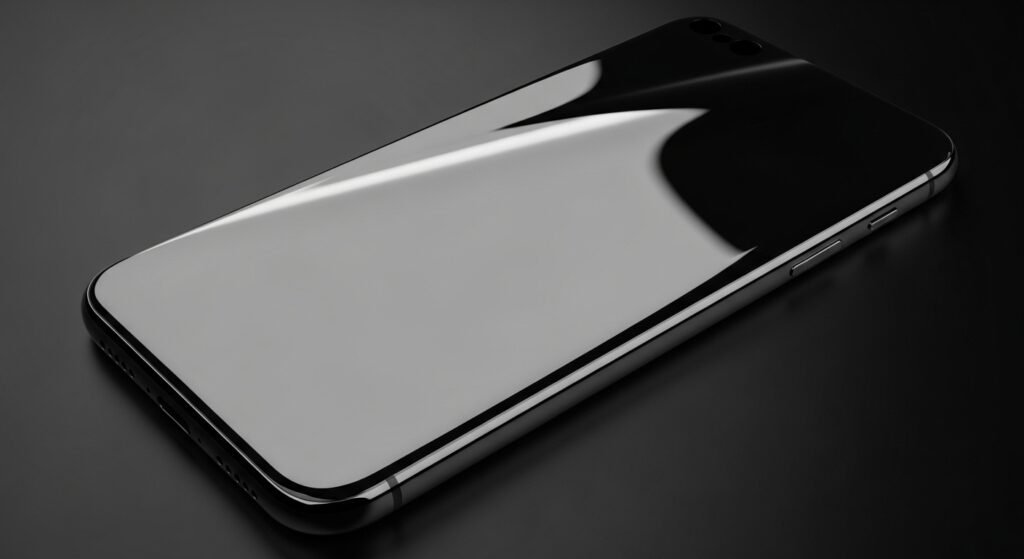
The alloy undergoes treatment through physical vapor deposition which permanently attaches color to the metal at a molecular distance from the surface. The frame sustains less visible damage from silver “scars” and chips which typically emerge from painted frames after severe drops.
The Limits of Physics
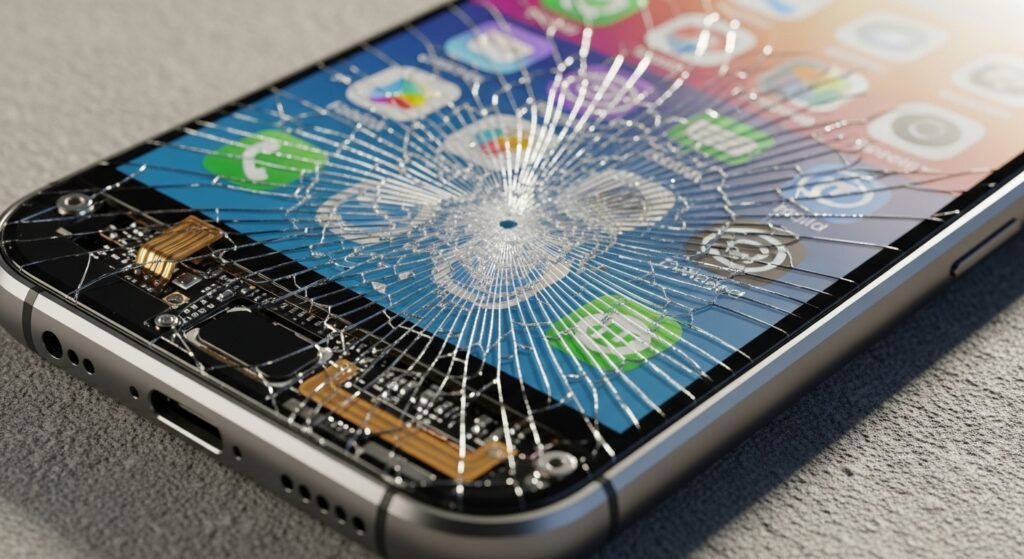
The Armor frame withstands damage because of its extreme durability, but internal glass components endure significant pressure at 20 feet. The frame needs to protect the phone’s spinal structure which keeps all parts functional even when glass breaks.
