
The Android operating system contains one power-saving function which operates in total secrecy from users to enhance their phone’s battery performance. The feature called “Adaptive Battery” needs particular Developer Options settings to work because it alters your phone’s energy usage pattern.
The Intelligence of Adaptive Battery
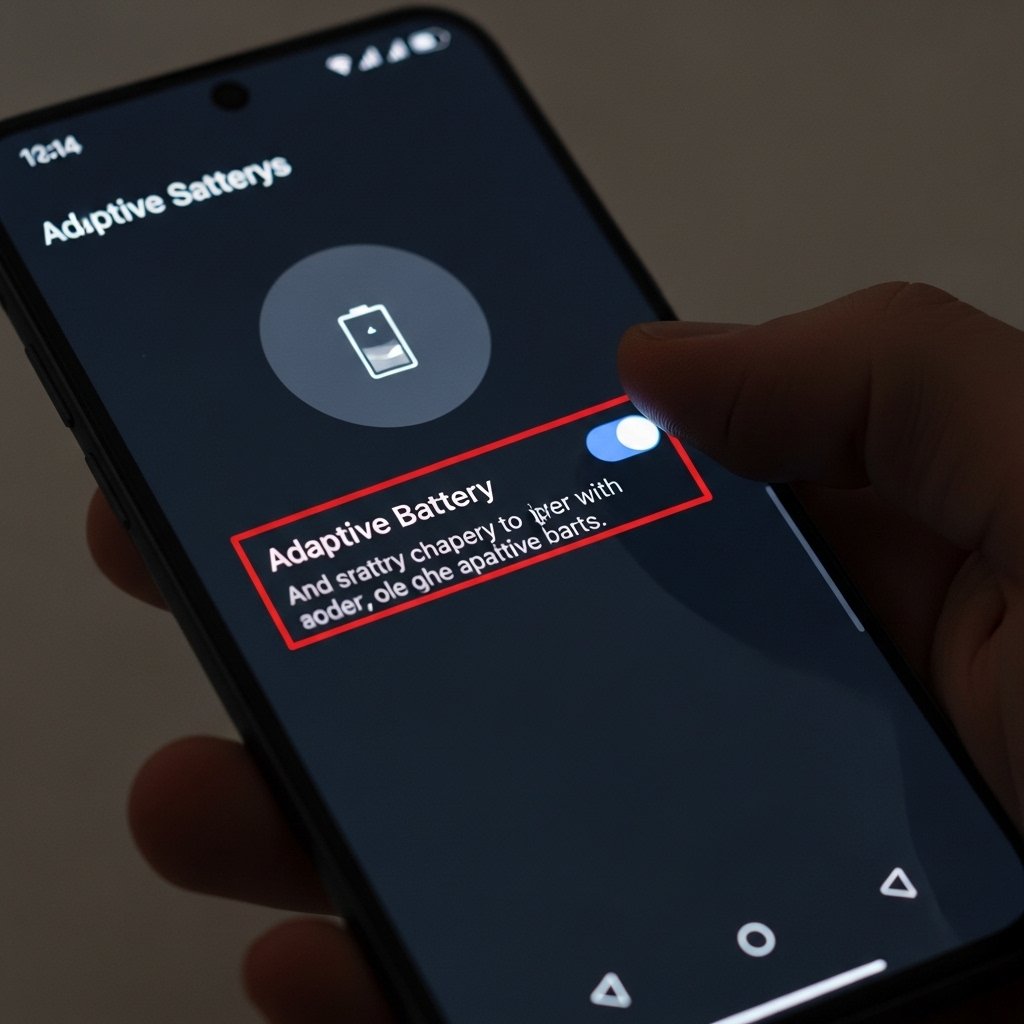
The Adaptive Battery system uses machine learning to observe your usage patterns. The system observes your behavior to determine which apps you access multiple times and which apps you use only once a week. The system spends battery power only on important applications because it shuts down background operations for programs that you use infrequently.
Limiting Background Activity
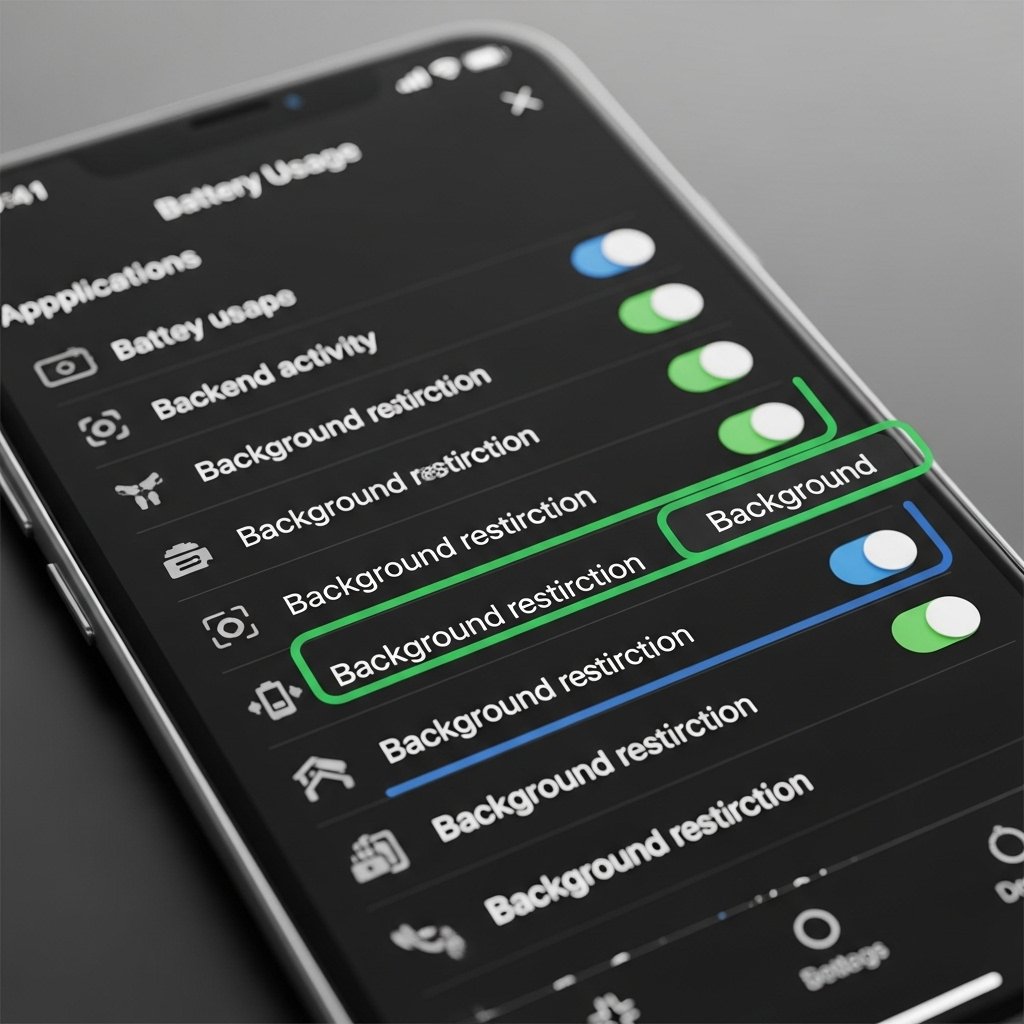
Every application contains a hidden toggle which controls its ability to function in the background. Applications enter the “Restricted” state to stop their operations from activating your phone while you keep the screen off. The system prevents battery loss during the night by stopping background operations which usually waste between 10% to 15% of your battery power.
Dark Mode Functions on OLED Displays

Modern Android devices use OLED screens which have individual light sources for each pixel. The “System-wide Dark Mode” feature turns off black pixels to achieve zero power consumption because black pixels do not emit light. This single switch will decrease your overall energy consumption for the day by 30% for many users.
The Function of “Location Accuracy” Scanning

Your phone wants to find Wi-Fi and Bluetooth connections because it needs those signals to boost its location tracking abilities even with disabled features. The location settings allow users to stop background searching by turning off “Wi-Fi Scanning” and “Bluetooth Scanning” which uses battery power.
The Function of Standardizing Refresh Rates

New smartphone models come equipped with “120Hz” screens which deliver smoother scrolling experiences but this feature needs more power to operate. The function sets your display to 60Hz or “Auto-Select” mode which prevents extra power consumption during static image viewing or text reading.
The Function of Suspending Execution for Cached Apps

The “Suspend execution for cached apps” function exists as a concealed flag in all recent Android updates. The program stops all operations when you make it inactive. The program stays in your memory to allow fast access but it won’t consume battery until you activate it.
The Process of Removing Pre-Installed Bloatware

Your phone comes with manufacturer apps that you never use but these apps operate “listener” functions which stay active in the background. You can eliminate hidden power-hunters from your Android phone by using a computer to “debloat” which will enhance both your battery life and phone performance.
The Function of Using Adaptive Brightness Correctly

The sensor should handle brightness adjustments instead of you doing it manually. The system requires “training” to achieve its optimal performance. Lower the display brightness until it becomes comfortable for you. The phone keeps your lighting preferences as permanent settings until it discovers the minimum energy usage level that works for you.
The Function of Disabling Ok Google Detection

Your phone keeps its microphone and processor active when it constantly listens for voice commands. Your processor will enter deep sleep mode more frequently when you disable “Hey Google” detection which leads to significant power savings throughout the day.
The Function of Optimizing Sync Frequency

Most applications, especially social media and email, send constant data updates to your mobile device. The system requires you to switch your account settings from “Push” (instant) to “Fetch” every 30 minutes which decreases antenna activation requirements for new notifications.
