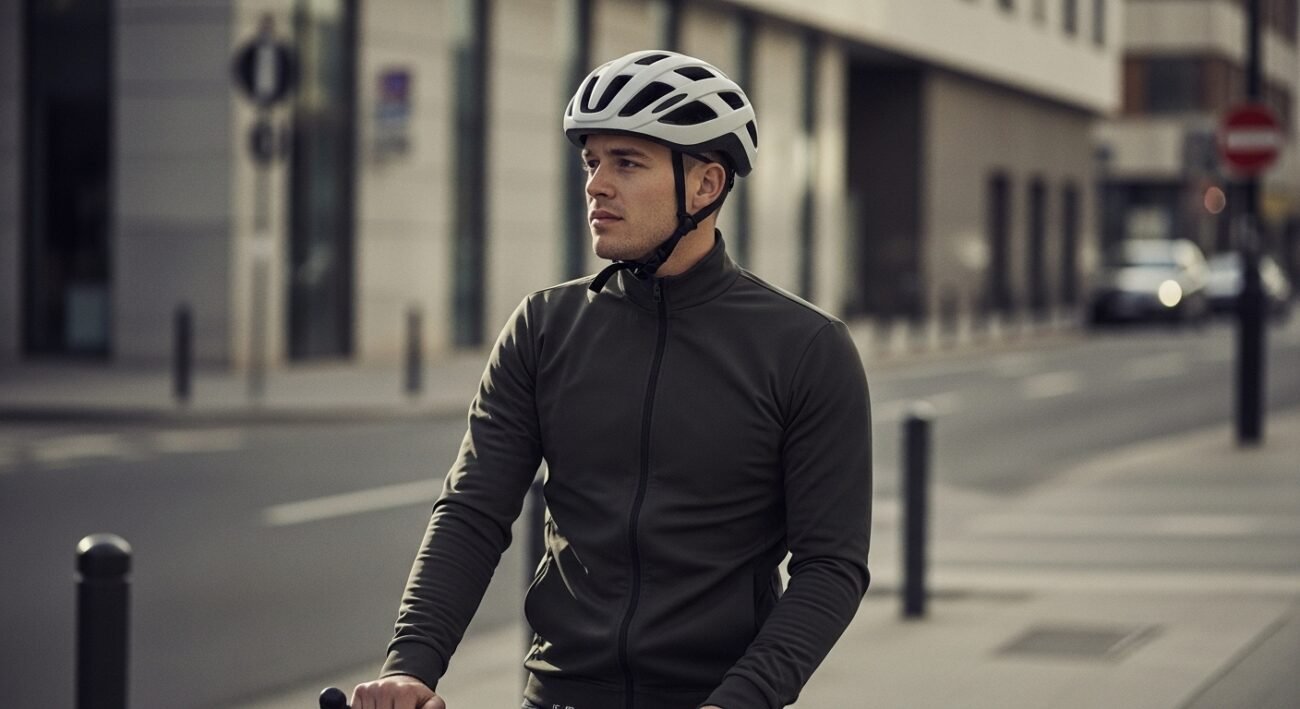
Smart helmets combine safety and comfort with basic technology to assist daily cyclists. Their main objectives include stopping accidents and developing better rider awareness and providing smoother cycling experiences. The new helmet technology will determine how cycling develops through time.
Built-In Crash Detection

Smart helmets use motion sensors to notice sudden impacts. The helmet activates its alert system to contact emergency services through the linked mobile device after a collision takes place. This system improves emergency response times because it enables rescue teams to find injured riders who cannot make phone calls.
Automatic Emergency Alerts

Smart helmets that detect serious falls will send alerts to preselected emergency contacts. The system can share location information without requiring user intervention. This function provides security to independent riders and to families who are concerned about their family members who ride alone over long distances.
Rear Lights That Adjust to Conditions

Smart helmets typically have rear lights that increase their brightness during dark conditions or foggy weather. The lights enable cyclists to be seen better by others who do not use additional equipment. Better visibility lowers risk during early mornings, evenings, and city traffic.
Turn Signals Controlled by Simple Gestures
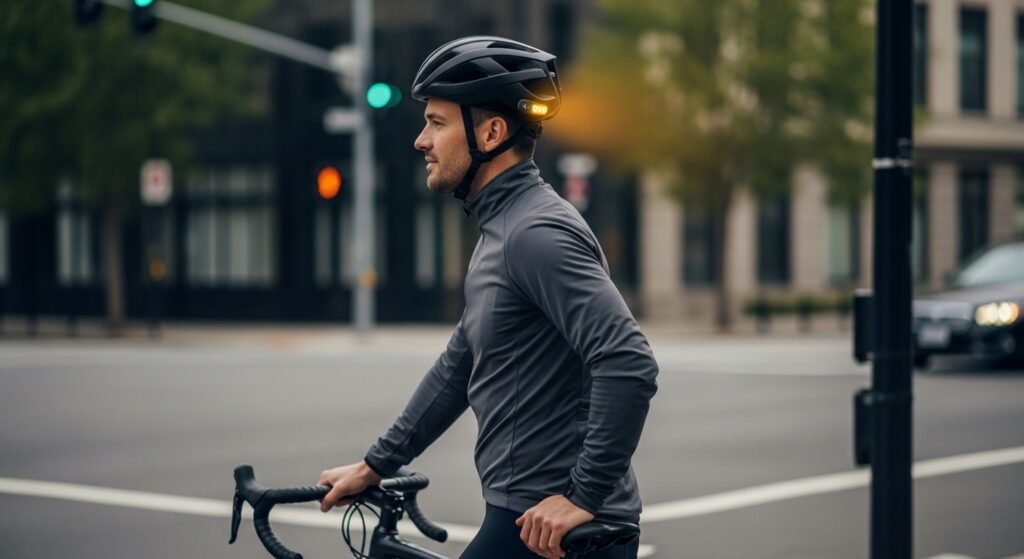
Some helmets include turn signals activated by buttons or head movement. This system allows riders to indicate their direction while remaining on their bicycles. Better signalling helps riders interact with drivers while decreasing confusion at intersection points.
Built-In Navigation Prompts
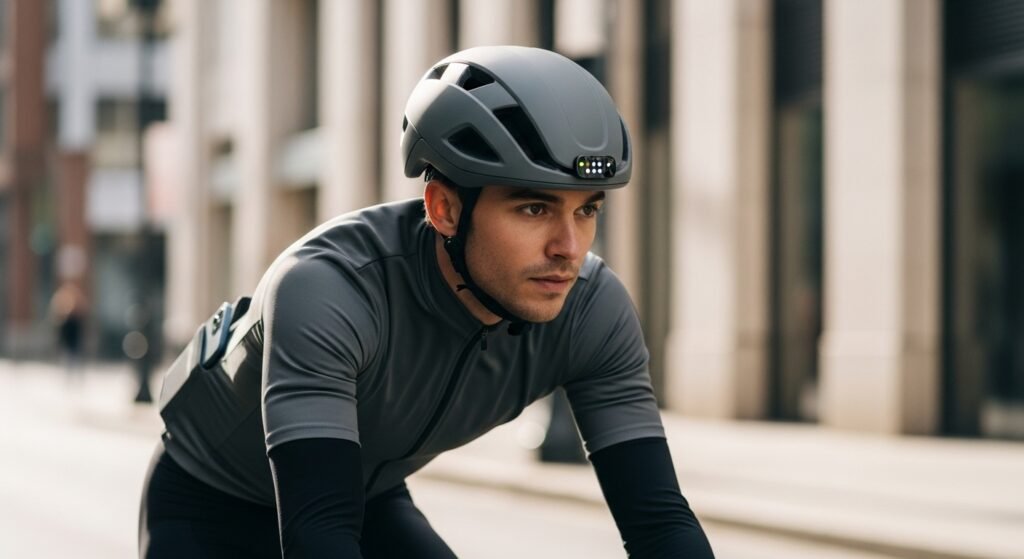
Smart helmets provide audio navigation instructions which eliminate the need for users to check their mobile devices. This keeps eyes on the road. Riders maintain their focus while receiving directions which helps them stay safe from accidents caused by distractions.
Hands-Free Communication

Smart helmets enable riders to make phone calls and use voice assistants through their built-in speakers and microphones. Riders maintain their constant connection to others without needing to operate their electronic equipment. This feature enables safer communication while riders travel for extended periods or through congested areas.
Lightweight Design With Added Tech
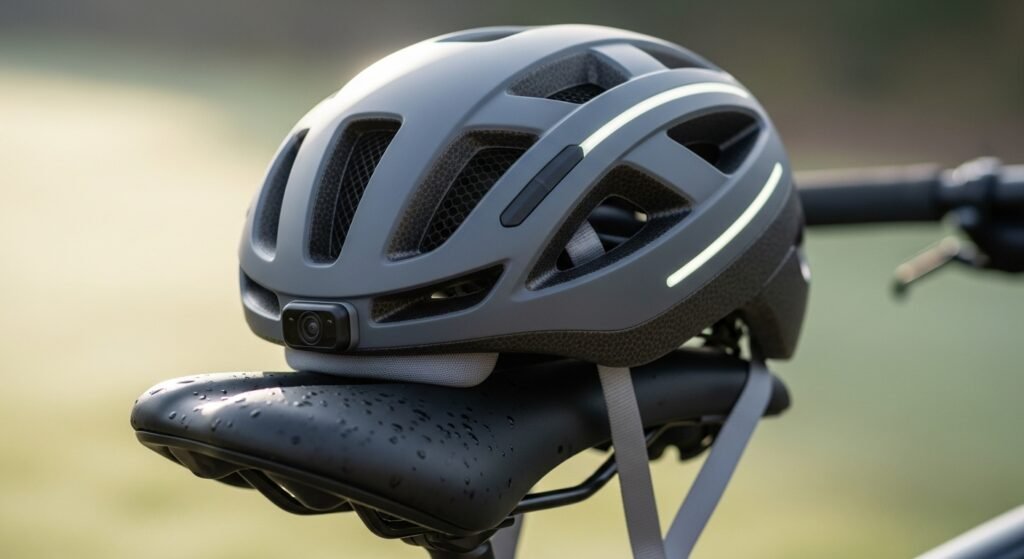
The smart helmets maintain their weight and comfort because their designers added extra functions. The materials of the product create a balance between protective capabilities and user comfort. The helmet design provides comfort which increases its likelihood of being worn by users.
Ride Data Tracking
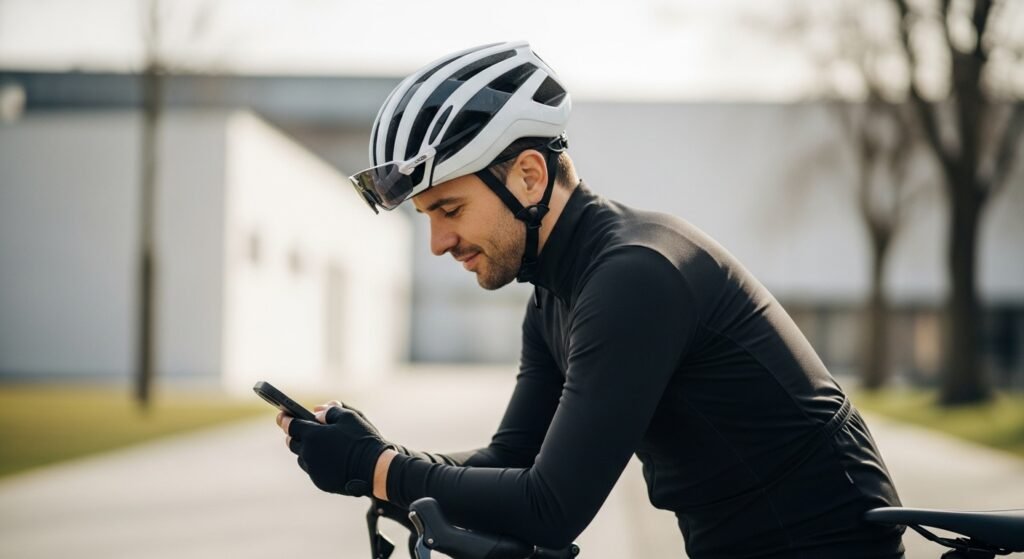
The system tracks three specific metrics which include speed and distance and ride duration. The system helps cyclists track their exercise patterns and track their workout progress. The system presents data in a straightforward format which maintains its value for both everyday cyclists and dedicated fitness cyclists.
